
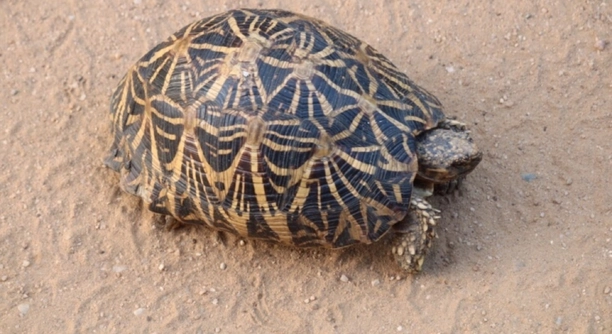
Turtles are fascinating creatures, but their shells require regular care to stay strong and healthy. A healthy shell is essential for your turtle’s well-being and overall survival. Learning how to keep it in top condition can be simple.
Keeping a turtle’s shell healthy involves proper diet, regular cleaning, and providing the right habitat conditions. Offering sufficient UVB light, ensuring the right temperature, and preventing any damage or infection to the shell are key to maintaining its health.
With just a few simple steps, you can make sure your turtle’s shell stays strong for years to come. Let’s explore the best ways to keep your turtle happy and healthy!
1. Provide a Proper Diet
A well-balanced diet is essential for keeping your turtle’s shell healthy. A variety of leafy greens, vegetables, and some fruits should make up the majority of your turtle’s meals. These foods provide the necessary nutrients, such as calcium and vitamins, which promote strong shell growth. If your turtle is a carnivore, you should also feed it protein sources like insects, fish, or worms. Avoid processed foods, as they don’t offer the same nutritional benefits.
A proper diet strengthens your turtle’s immune system, helping it fight off potential shell infections.
Ensure that your turtle gets the right balance of nutrients for shell health. Adding calcium-rich foods, such as kale or dandelion greens, can support shell growth and prevent softening. Be mindful of portion sizes to avoid overfeeding, which can lead to obesity and other health issues.
2. Regular Cleaning and Shell Maintenance
Keeping your turtle’s shell clean is crucial to prevent infections and fungal growth. Clean your turtle’s tank regularly, making sure it has fresh water and removing any debris or waste. You should also occasionally clean your turtle’s shell using a soft toothbrush. This helps remove dirt and algae buildup that could cause issues. Avoid harsh chemicals or scrubbing too hard, as this can damage the shell.
The shell can accumulate harmful bacteria if left uncleaned. Regular cleaning will also allow you to spot early signs of damage or infection.
It’s important to inspect your turtle’s shell regularly for cracks, soft spots, or unusual discoloration. These could be signs of an underlying issue. If you notice anything concerning, it’s best to consult with a vet to prevent further complications. Additionally, provide access to dry areas in its habitat so the shell can dry out naturally, reducing the risk of bacterial growth. Ensuring proper water filtration will also help keep the tank clean and free of harmful bacteria.
3. Provide UVB Lighting
Turtles need UVB light to synthesize vitamin D3, which helps absorb calcium and maintain a healthy shell. Without proper UVB exposure, your turtle may develop weak, deformed shells and other health issues. Provide a UVB light source in their tank, and ensure it’s on for 10-12 hours a day.
UVB lights should be positioned about 12 inches above your turtle’s basking spot to provide the right intensity. Be sure to replace the bulbs every 6-12 months, as their UVB output decreases over time, even if they still emit visible light.
If possible, allow your turtle some natural sunlight in addition to the artificial UVB light. But be careful with direct sun exposure—too much can lead to overheating. UVB lighting should always be paired with a basking area where your turtle can regulate its temperature. This helps keep your turtle’s metabolism and shell growth in balance.
4. Maintain Proper Temperature
Temperature plays a huge role in keeping your turtle healthy. Turtles need a warm habitat to thrive, with water temperatures usually ranging between 75-80°F. The basking area should be even warmer, around 85-90°F. These temperature ranges support digestion and overall well-being.
If the water temperature is too cold, it can affect your turtle’s immune system, leaving it more vulnerable to illness. Likewise, if the basking area is too cool, your turtle may struggle to digest its food properly. Use a reliable water heater to maintain the right temperature in the tank.
Thermometers are essential to monitoring your turtle’s environment. Always keep track of both the water temperature and the basking area temperature. Investing in a good-quality heater and thermometer can save you from future problems and keep your turtle’s shell in good shape. Make sure the temperatures are consistent throughout the day to support your turtle’s metabolism.
5. Prevent Shell Damage
A turtle’s shell is strong but can be damaged if exposed to rough surfaces or sharp objects. Avoid placing your turtle in areas with hard edges that could scrape or harm the shell. Be mindful of their environment to prevent accidental injury.
Ensure that the surfaces in their tank are smooth and free from sharp items like rocks or decorations with rough edges. If you take your turtle outside for sunbathing, make sure the ground is soft, not rocky, or hard.
You should also monitor the water conditions regularly. Poor water quality can lead to skin infections that could affect the shell. A clean, safe environment plays a big role in keeping their shell intact.
6. Watch for Shell Rot
Shell rot is a serious condition that can damage your turtle’s shell and cause health problems. The most common causes are bacterial or fungal infections, which thrive in dirty water. Proper cleaning and maintenance of your turtle’s habitat are key to preventing this.
If you notice any soft spots, foul smells, or discoloration on the shell, it could be a sign of rot. In severe cases, the shell may develop visible holes. If this happens, it’s important to consult a vet immediately for proper treatment.
Regular cleaning, good water filtration, and a healthy diet are crucial in preventing shell rot. If you do notice any signs of infection, early intervention can help avoid serious issues that could affect your turtle’s overall health.
7. Offer a Healthy Habitat
Your turtle’s habitat needs to be spacious enough to allow movement, with both land and water areas for basking and swimming. The right environment supports your turtle’s physical and mental well-being, which directly affects shell health.
Make sure to include hiding spots, plants, or other items that mimic their natural habitat. Turtles need access to both UVB light and heat for basking, as well as clean water to swim in. Keep the water clean with proper filtration and regular changes to prevent the buildup of harmful bacteria.
FAQ
How can I tell if my turtle’s shell is healthy?
A healthy shell should be smooth, firm, and free from cracks or soft spots. You should also notice a consistent color and texture. If the shell looks dull, has any holes, or feels soft to the touch, it could indicate a problem like infection or malnutrition. Regularly inspecting the shell and ensuring your turtle’s habitat is clean can help you spot early signs of shell issues.
What should I do if my turtle’s shell is soft?
If your turtle’s shell feels soft, it may be a sign of calcium deficiency or inadequate UVB exposure. Ensure that your turtle’s diet includes enough calcium-rich foods, and make sure it’s getting enough UVB light. You might also need to supplement its diet with calcium powder, especially if the food isn’t providing enough. If the softening persists, consult a vet.
Can I clean my turtle’s shell with soap?
No, you should never use soap to clean your turtle’s shell. Soap can leave harmful residue and irritate your turtle’s skin. Instead, use a soft toothbrush and warm water to gently scrub the shell. For stubborn algae or dirt, you can soak the shell in a solution of vinegar and water, but avoid harsh chemicals or anything that could damage the shell.
Why does my turtle’s shell have algae on it?
Algae growth on your turtle’s shell can occur if the tank water is not properly filtered or cleaned. Algae thrive in dirty water and can attach to the shell, causing build-up over time. To prevent this, clean your turtle’s shell and tank regularly and ensure the water has proper filtration. Keeping the tank clean will reduce the chances of algae growth on your turtle’s shell.
How often should I change my turtle’s tank water?
Changing the water in your turtle’s tank depends on the size of the tank and the number of turtles you have. As a general rule, you should perform partial water changes at least once a week. Larger tanks with more turtles may require more frequent changes. Use a water testing kit to ensure the water is safe and within the ideal pH and temperature range.
What temperature should my turtle’s water be?
Most aquatic turtles need their water to be between 75-80°F (24-27°C). This temperature range supports their metabolism and overall health. If the water is too cold, your turtle’s immune system may weaken, and if it’s too warm, it could stress your turtle. Use a reliable water heater and thermometer to keep the temperature stable.
Can I let my turtle bask in the sun outside?
Yes, but be careful. Letting your turtle bask in natural sunlight for short periods of time can provide the UVB light they need. However, never leave your turtle outside unattended or for too long, as they can overheat, escape, or become prey to predators. Make sure there’s a shaded area where they can retreat if they get too hot.
What do I do if my turtle’s shell is cracked?
A cracked shell can be serious. If your turtle’s shell is cracked, you should take it to a vet right away for an assessment. Depending on the severity, your vet may need to treat the crack with specialized care, such as applying a protective covering or administering medication to prevent infection.
How do I prevent shell rot in my turtle?
To prevent shell rot, maintain a clean tank and proper water quality. Make sure your turtle’s living environment has proper filtration and that the water is changed regularly. A healthy diet and adequate UVB lighting are also key factors. Inspect the shell often for signs of damage or infection, and address any issues immediately.
Why is my turtle’s shell turning yellow?
Yellowing of the shell can be a sign of poor water quality, fungal or bacterial infection, or a dietary imbalance. It’s important to check the water for proper cleanliness and ensure your turtle is getting a balanced diet. If the yellowing continues, consult a vet to rule out any infections or health concerns.
How often should I feed my turtle?
The feeding frequency depends on your turtle’s age, size, and species. Younger turtles typically need to eat more often, often daily, while adult turtles can be fed 2-3 times per week. Be sure to provide a balanced diet with both plant and animal matter, depending on your turtle’s dietary needs. Overfeeding can lead to obesity, so it’s essential to monitor portions.
Can I use a filter in my turtle’s tank?
Yes, a filter is highly recommended for keeping your turtle’s tank clean. Filters help remove waste, uneaten food, and harmful bacteria from the water, creating a healthier environment for your turtle. Be sure to choose a filter that matches the size of the tank and provides enough filtration power for your turtle’s needs.
What can I do if my turtle isn’t basking?
If your turtle is not basking, it could be due to improper temperatures, lack of UVB light, or stress. Ensure the basking area is at the right temperature (85-90°F) and that the UVB light is strong enough. Stressors such as a noisy environment, a dirty tank, or other tank mates may also discourage basking.
How can I tell if my turtle is stressed?
Stressed turtles may display signs such as loss of appetite, lethargy, excessive hiding, or aggression toward other tank mates. Changes in behavior or physical appearance, such as a lack of shell growth, can also signal stress. Make sure the tank environment is calm, clean, and properly set up to reduce stress.
Is it safe to have more than one turtle in a tank?
Yes, it’s safe to have multiple turtles in a tank as long as the tank is large enough to accommodate them. You should also provide separate basking areas to reduce territorial behavior. Be aware that some turtles may become aggressive toward one another, especially during feeding time, so monitor them closely.
How do I encourage my turtle to eat a balanced diet?
If your turtle is picky about food, try offering a variety of different vegetables, fruits, and protein sources. Sometimes, changing the way food is presented can help, such as cutting it into smaller pieces or mixing it with different textures. Make sure you avoid feeding processed foods and offer a well-rounded diet.
Final Thoughts
Taking care of your turtle’s shell is an essential part of ensuring its overall health and well-being. A strong, healthy shell helps protect the turtle from harm and allows it to thrive in its environment. By focusing on key factors such as diet, habitat, and regular care, you can easily maintain your turtle’s shell and prevent many common issues. It’s important to remember that a turtle’s shell is not just for protection—it’s also a reflection of the turtle’s overall health. If you stay on top of your turtle’s needs, you’ll likely see positive results in the condition of its shell.
Regular cleaning and proper water maintenance are crucial for preventing infections or damage to your turtle’s shell. A clean tank, proper water temperature, and UVB lighting go hand-in-hand in promoting good shell health. With a consistent routine, you can provide the best environment for your turtle to thrive. Also, a balanced diet plays a major role. Calcium and other essential nutrients are necessary for shell growth and strength. By feeding your turtle the right foods and keeping its habitat in check, you can ensure that its shell stays strong and healthy for many years to come.
It’s easy to overlook the shell’s health, but paying attention to these simple factors can make all the difference. Whether you’re a first-time turtle owner or experienced, being aware of the signs of shell issues and how to prevent them will help you keep your turtle safe and comfortable. Monitoring the environment, diet, and any potential signs of problems will make it easier to spot and address issues early on. In the end, a healthy shell is a sign of a happy, well-cared-for turtle.

Hello,
If you enjoy the content that we create, please consider saying a "Thank You!" by leaving a tip.
Every little bit helps us continue crafting quality advice that supports the health, happiness, and well-being of pets around the world, for pets of all shapes, sizes, and species.
We really appreciate the kindness and support that you show us!