
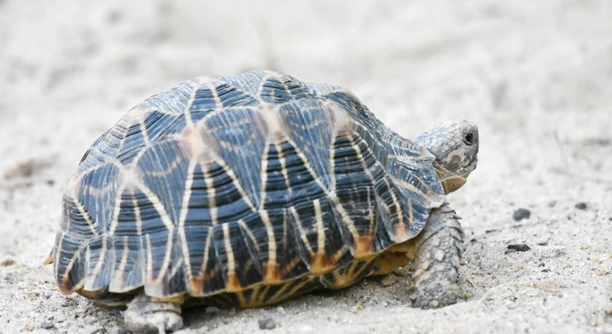
Turtles are fascinating creatures, but sometimes their behavior can leave us puzzled. One common thing many turtle owners notice is their pet sticking its tongue out frequently. Understanding the reasons behind this can help ensure your turtle stays healthy and happy.
The main reason a turtle sticks its tongue out is usually related to communication, exploration, or sometimes even health issues. It may also do this to help clean its mouth or to interact with its environment, such as sniffing or tasting.
There are different factors behind this behavior, and knowing them can help you care for your turtle better. Let’s explore the possible reasons your turtle might be sticking its tongue out.
Why Do Turtles Stick Their Tongue Out?
Turtles have some quirky behaviors, and sticking their tongue out is one that can puzzle many owners. This action is often linked to a natural instinct or environmental factors. Turtles use their tongues to explore their surroundings, often in ways we don’t immediately understand. When they extend their tongue, it’s usually a method of sensory exploration, helping them to get a better sense of their environment. They might be testing what’s around them by tasting or feeling it. This is common in many species of reptiles, including turtles.
In addition to sensory purposes, turtles can stick their tongue out as part of communication. In the wild, turtles use this behavior to communicate with other turtles. It can also happen when they are trying to clean their mouths or maintain moisture on their skin and tongue.
If your turtle sticks its tongue out in a calm environment, it’s likely just a natural behavior. However, if it’s accompanied by other symptoms, it could indicate a health issue.
Health Issues Behind Tongue Behavior
In some cases, excessive tongue movement can be a sign of a health problem. Respiratory infections are one of the most common concerns for turtles, and sticking their tongue out may be linked to difficulty breathing. A turtle’s tongue might be visible if it is trying to clear its airways or is having trouble breathing due to swelling in the throat or nasal passages. If the tongue remains extended or the turtle seems lethargic or off-balance, it might need a trip to the vet.
It’s important to watch for signs of discomfort or other changes in behavior. If the tongue sticking out happens frequently or your turtle is showing other symptoms like wheezing, nasal discharge, or swelling, it’s best to seek professional advice. Respiratory infections and other illnesses can spread quickly in reptiles and may worsen if left untreated.
Understanding what’s behind this behavior will allow you to take action to keep your turtle healthy.
Stress and Anxiety in Turtles
Turtles can experience stress, and it might cause them to stick their tongues out more often. When they feel threatened or uncomfortable, they may display unusual behaviors. This can happen in new environments, during handling, or when there are changes in their habitat.
Turtles are sensitive to environmental factors. If the temperature is too high or low, or if their enclosure is too small, it can lead to stress. Stress can make a turtle stick its tongue out as a sign of discomfort or confusion. Other signs of stress include hiding, loss of appetite, or aggressive behavior.
To reduce stress, it’s important to provide your turtle with a consistent and comfortable environment. Make sure their habitat is large enough, the water temperature is correct, and they have access to hiding spots. Stress-free surroundings help keep your turtle healthy and content.
Environmental Factors Affecting Tongue Behavior
Changes in the turtle’s environment can have a big impact on its behavior. The water temperature, humidity, and even the lighting in their enclosure all play important roles in their overall well-being. If a turtle’s environment is not ideal, it may begin sticking its tongue out more often.
Turtles need proper temperature regulation for their body to function well. If their environment is too cold or too warm, they might struggle with digestion and other bodily functions, which can make them more anxious. Inadequate humidity can also cause dry skin or mouth, leading to more tongue activity.
It’s crucial to monitor these factors closely. A simple change, like adjusting the temperature or humidity levels, can make a big difference in your turtle’s behavior. Keeping their environment stable and comfortable helps prevent stress and encourages normal behavior patterns.
Diet and Tongue Movement
The food your turtle eats can affect its tongue behavior. Some turtles use their tongues to sense or test the texture of their food. If their diet isn’t balanced, they might stick their tongue out more than usual.
Inadequate nutrition can also lead to health issues that affect their behavior. For instance, a deficiency in calcium can cause weak bones, and poor digestion can make a turtle uncomfortable. Both of these problems might make a turtle act out of the ordinary, including sticking its tongue out to clear its mouth.
A varied and healthy diet can help prevent these problems. Offering a mix of greens, vegetables, and protein will support your turtle’s health and reduce any behavior linked to diet.
Cleaning and Maintenance Needs
Turtles often stick their tongues out when they need to clean their mouth or skin. This action is part of their self-care routine, especially if they feel something is stuck in their mouth or on their skin. Regular cleaning can prevent this.
Maintaining proper hygiene in their tank also plays a role. Dirty water or an unclean habitat can cause discomfort, making your turtle act out. Keeping the tank clean, ensuring the water is fresh, and removing uneaten food will make your turtle’s environment more comfortable.
FAQ
Why does my turtle stick its tongue out constantly?
If your turtle is sticking its tongue out frequently, it could be exploring its environment. Turtles use their tongues to sense things around them, so this behavior can be entirely normal. However, if it seems excessive or if your turtle is showing other signs of illness, it could point to an underlying issue like a respiratory infection or stress. Always observe if there are any changes in the turtle’s environment or diet that could be causing discomfort.
Could my turtle’s tongue behavior be a sign of stress?
Yes, stress can make your turtle stick its tongue out more than usual. Turtles feel stress from environmental changes like temperature shifts, noise, or handling. This behavior can be an indication that your turtle is uneasy, especially if it’s in a new or unfamiliar place. Make sure its habitat is stable and not overcrowded, and try to minimize any disturbances.
How can I tell if my turtle has a health problem?
Health problems in turtles may show up through unusual behaviors like frequent tongue sticking, loss of appetite, lethargy, or changes in their swimming habits. Respiratory infections, for example, can cause a turtle to stick its tongue out as it tries to clear its throat or nasal passages. If these behaviors are accompanied by other symptoms like wheezing, nasal discharge, or swollen eyes, it’s important to consult a vet.
What should I do if my turtle is sticking its tongue out a lot?
First, check the environment for stress factors like temperature and humidity. A stable and clean habitat is essential for your turtle’s health. If the behavior continues or worsens, and the turtle is showing signs of illness like difficulty breathing, consult with a reptile vet. A simple checkup can rule out any underlying health issues.
Could my turtle be sticking its tongue out because of its diet?
Diet could play a role in your turtle’s tongue behavior. Turtles often use their tongues to explore their food, so if they are being fed an unfamiliar or difficult-to-eat food, they might stick their tongue out more. Additionally, a poor diet may lead to digestive issues, making them feel uncomfortable. Ensure they’re getting a balanced diet with plenty of greens, vegetables, and appropriate protein sources. If you’re unsure about the diet, ask a vet for guidance.
Can temperature affect my turtle’s tongue behavior?
Yes, temperature plays a huge role in your turtle’s overall health and behavior. If your turtle’s habitat is too hot or too cold, it might feel stressed, which can lead to excessive tongue movements. Make sure your turtle has access to a heat source that mimics its natural environment. A basking spot should be warm enough to help with digestion, but there should also be cooler areas to allow the turtle to regulate its body temperature.
Should I be worried if my turtle is sticking its tongue out during the night?
It’s not unusual for turtles to be more active at night, especially if they are nocturnal. If your turtle is sticking its tongue out during this time, it could be exploring its environment, searching for food, or just engaging in natural behaviors. However, if it’s happening consistently during the day and the behavior seems abnormal, you may want to monitor other symptoms to rule out illness or stress.
What could happen if I ignore my turtle’s tongue behavior?
Ignoring persistent or abnormal tongue behavior can lead to worsening health problems, especially if the turtle is suffering from an infection or stress. Respiratory infections, for example, can get worse if left untreated, and stress can cause further behavioral issues. It’s better to address any concerns early with a vet checkup, especially if other symptoms appear alongside tongue movements.
Can a dirty tank cause my turtle to stick its tongue out?
Yes, a dirty tank or unclean water can cause discomfort and even health problems for your turtle. If the water is polluted or stagnant, your turtle may feel stressed, leading to behavior like tongue flicking or sticking its tongue out. Regular tank cleaning, changing the water, and removing leftover food can prevent these issues. A clean tank also helps avoid skin and respiratory infections.
Can my turtle be sticking its tongue out due to boredom?
Turtles, like many pets, can get bored if they don’t have enough stimulation. If your turtle’s habitat lacks variety or enrichment, it may start sticking its tongue out as a way to pass the time or explore its surroundings. Adding new objects like rocks, plants, or toys can provide mental stimulation and keep your turtle engaged.
How often should I check on my turtle’s health?
It’s important to regularly check on your turtle’s health to catch any issues early. Check its shell for any signs of injury or infection, monitor its behavior for any changes, and observe its eating habits. A health check every few months is a good practice, but if you notice any unusual behavior, it’s best to consult a vet sooner rather than later.
Can my turtle’s tongue behavior change as it grows?
Yes, as your turtle grows, its behavior can change, including how it uses its tongue. Young turtles may be more curious and more likely to stick their tongues out to explore new things. As they mature, they might use their tongues less frequently. However, changes in tongue behavior should still be monitored, as they could indicate health issues or environmental stressors.
Should I worry if my turtle sticks its tongue out after eating?
If your turtle sticks its tongue out after eating, it may be cleaning its mouth or helping with digestion. This is usually normal behavior. However, if it happens excessively or if the turtle seems to be struggling with its food, you might need to adjust the diet or check for signs of a digestive issue.
What kind of vet should I take my turtle to if it’s sticking its tongue out?
You should take your turtle to a vet who specializes in reptiles, ideally one with experience in turtle care. Reptile vets are trained to diagnose and treat issues specific to turtles, such as respiratory infections, digestive problems, and other health concerns that could cause abnormal behaviors like frequent tongue sticking.
Can environmental stress like loud noises make my turtle stick its tongue out?
Yes, loud noises and sudden changes in the environment can cause stress in turtles, leading to unusual behaviors like sticking their tongue out. They are naturally sensitive to their surroundings and can react negatively to loud sounds or activity. Try to keep their environment calm and quiet to avoid triggering stress.
Final Thoughts
Turtles are unique creatures, and their behavior can sometimes be confusing, especially when they frequently stick their tongue out. While it may seem odd, this behavior is often a natural part of how turtles explore their environment. They use their tongues to sense and interact with things around them, whether it’s food, water, or objects in their habitat. If you notice your turtle sticking its tongue out, it’s usually just a sign of curiosity or communication. However, when this behavior seems excessive or is paired with other concerning symptoms, it may be time to take a closer look at their health and environment.
It’s important to understand the various factors that can cause this behavior. Stress, poor diet, environmental issues, and even health problems like respiratory infections can all contribute to a turtle sticking its tongue out more frequently. Stress can result from changes in temperature, habitat size, or handling, while a poor diet can lead to discomfort and digestive issues. Additionally, an unclean tank or improper water conditions may cause a turtle to feel uneasy. By paying attention to these factors and adjusting accordingly, you can help ensure that your turtle remains healthy and comfortable.
Monitoring your turtle’s behavior and making small changes to its environment or care routine can go a long way. If your turtle continues to stick its tongue out frequently, make sure its habitat is clean, its diet is balanced, and its temperature is just right. Keeping these things in check will help minimize stress and other health risks. And if the behavior persists or worsens, don’t hesitate to reach out to a reptile vet for advice. Understanding why your turtle behaves the way it does and addressing any concerns early will help keep it healthy and happy for years to come.

Hello,
If you enjoy the content that we create, please consider saying a "Thank You!" by leaving a tip.
Every little bit helps us continue crafting quality advice that supports the health, happiness, and well-being of pets around the world, for pets of all shapes, sizes, and species.
We really appreciate the kindness and support that you show us!