
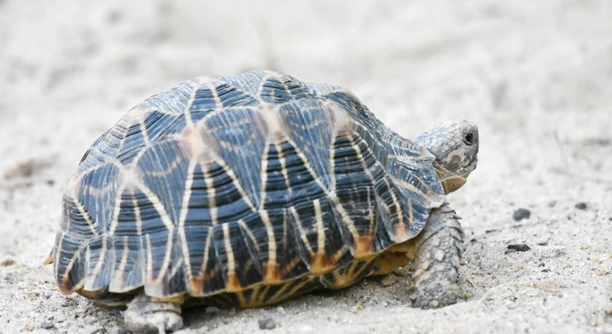
Turtles are fascinating pets, and providing them with a comfortable, healthy environment is essential. One way to enhance their tank is by adding floating plants. These plants can benefit both your turtle and its habitat.
Floating plants are an excellent addition to turtle tanks as they provide shade, help maintain water quality, and give turtles a natural environment to explore. Some plants also offer surfaces for basking and hiding, enriching your turtle’s space.
Choosing the best floating plants can be tricky, but the right ones can make a big difference in your turtle’s well-being. We’ll explore seven fantastic floating plants to consider for your tank.
1. Duckweed
Duckweed is one of the smallest floating plants available, but it packs a punch in terms of benefits. It is fast-growing, covering the surface of the water quickly. Turtles enjoy the added shade it provides, and it helps reduce the growth of algae by absorbing excess nutrients. This plant creates a more natural environment for your turtle, offering a place to rest or hide.
Duckweed also requires minimal care and can be easily maintained. It thrives in a variety of water conditions, making it perfect for turtle tanks. However, its fast growth rate can lead to it covering the tank’s surface, blocking out light for other plants. Regular thinning is recommended to keep it under control.
Adding duckweed can be a low-maintenance solution for creating a healthier tank. Keep in mind that it can grow out of control without proper monitoring, so check your tank frequently.
2. Water Lettuce
Water lettuce is another popular floating plant, known for its attractive rosettes and broad leaves. Its ability to shade the water is ideal for turtles, preventing excessive sunlight from entering the tank. This helps maintain a cooler temperature in the water, which is beneficial in warm weather.
Water lettuce does require slightly more attention than duckweed, as it thrives in high-light conditions and needs a nutrient-rich environment. It grows best when provided with proper water conditions and occasional pruning to prevent it from overtaking the tank. Its floating nature also allows turtles to use it as a spot for basking, making it a functional addition to the habitat.
Although it can take up a lot of space in the tank, water lettuce is an excellent option for providing your turtle with a natural and varied environment. With regular care, this plant can significantly improve your turtle’s tank, offering them a comfortable, shady spot and keeping the water conditions in check.
3. Frogbit
Frogbit is a great choice for turtle tanks due to its large, round leaves that float on the water’s surface. It provides shade and helps control algae growth by absorbing excess nutrients. It’s easy to grow, making it a hassle-free option for tank owners.
This plant can thrive in a variety of water conditions, making it suitable for many turtle setups. Frogbit requires moderate lighting and should be checked periodically to ensure it doesn’t overtake the tank. It’s a floating plant that provides a great habitat for turtles, offering a surface for them to rest on.
Though frogbit grows quickly, it can be controlled by regular pruning. The plant helps maintain a balance in the tank by removing excess nitrogen and phosphorus. It is especially useful if you’re dealing with algae issues. Keep in mind that, like other floating plants, it can block light for submerged plants, so some management is needed to prevent overcrowding.
4. Water Hyacinth
Water hyacinth is another excellent floating plant for turtle tanks, known for its beautiful purple flowers and thick, spongy leaves. The plant grows rapidly, providing ample shade and reducing the risk of algae bloom. It also helps oxygenate the water, improving water quality.
Water hyacinth grows best in warm water and requires moderate to high lighting to thrive. It also absorbs excess nutrients, which can help keep the tank clean. However, it tends to grow very fast and can cover the tank surface completely. Be sure to thin it regularly to avoid shading out other plants in the tank.
Despite needing regular maintenance, water hyacinth’s benefits outweigh the occasional pruning required. Its ability to help control algae and provide shade makes it a solid addition to any turtle tank. Keep it under control, and it will continue to improve your turtle’s environment while keeping water conditions optimal.
5. Anacharis
Anacharis, also known as elodea, is a hardy floating plant that provides excellent coverage for turtle tanks. It helps improve water quality by absorbing excess nutrients. Turtles enjoy interacting with it as it grows and provides shelter.
This plant thrives in cool water temperatures and requires moderate lighting. Anacharis is easy to maintain and grows quickly, but it may need occasional pruning to prevent it from overtaking the tank. Its ability to oxygenate the water and offer hiding spots makes it a great addition.
Anacharis can be grown in both tanks with soft or hard water. However, it’s important to regularly trim it to ensure it doesn’t block the light for other plants or turtles.
6. Water Spangles
Water spangles are a small, floating plant with round leaves that grow in clusters. They are great for providing turtles with shade and hiding places. Their small size makes them easy to manage in any tank.
Water spangles are perfect for smaller turtle tanks, as they don’t grow as large as some other floating plants. They grow well in a variety of water conditions and require minimal maintenance. Just check the tank regularly to ensure they don’t overcrowd the space.
Although water spangles are small, they offer the same benefits as larger floating plants, helping to control algae and creating a natural environment for your turtle.
FAQ
How do floating plants benefit turtle tanks?
Floating plants provide several benefits for turtle tanks. They offer shade, which can help maintain a cooler water temperature, especially in warmer climates. These plants also help reduce algae growth by absorbing excess nutrients in the water. Additionally, floating plants create hiding spots and resting areas for turtles, mimicking their natural environment. By improving water quality and creating a more natural habitat, floating plants contribute to your turtle’s overall health and well-being.
Are floating plants easy to maintain?
Floating plants are relatively easy to maintain, but they do require some attention. Most floating plants grow quickly and can cover the surface of the tank, blocking light for submerged plants. Regular pruning is necessary to prevent overcrowding. Some plants also require specific water conditions, such as moderate lighting or cooler temperatures, but many varieties are adaptable. As long as you keep an eye on their growth and provide the right environment, floating plants can thrive with minimal effort.
Can floating plants help with water quality?
Yes, floating plants can improve water quality in your turtle tank. They absorb excess nutrients such as nitrogen and phosphorus, which are often present due to waste from the turtle. By absorbing these nutrients, floating plants reduce the likelihood of algae blooms, helping keep the water clearer. The plants also oxygenate the water, improving the overall health of the tank environment. However, it’s important to regularly remove decaying plant matter to avoid water contamination.
Do floating plants block light for other plants?
Yes, floating plants can block light for submerged plants. If your tank has both floating and submerged plants, it’s essential to monitor the growth of the floating plants. Some floating plants, like duckweed or water lettuce, grow quickly and can completely cover the surface, limiting light for plants below. Regular trimming and thinning of the floating plants can help ensure that your submerged plants still get the necessary light to grow.
Can turtles eat floating plants?
Turtles can nibble on floating plants, and many species enjoy eating them. However, it’s important to ensure that the plants are safe for consumption. Some floating plants, like duckweed and water lettuce, are harmless for turtles to eat. Others may contain toxins or chemicals harmful to your pet. If you notice your turtle consuming large amounts of plants, it’s essential to monitor their health and ensure they’re still getting a balanced diet. Floating plants can be a supplement, but they should not replace a proper feeding routine.
Will floating plants survive in a turtle tank?
Floating plants can survive in a turtle tank as long as the water conditions are appropriate for the species of plant. Turtles can sometimes be rough with plants, but most floating varieties are hardy and can tolerate some disturbance. However, it’s crucial to ensure that the plants are not eaten excessively or uprooted by the turtles. Some floating plants, like frogbit and water lettuce, may require more maintenance to prevent overgrowth, but with proper care, most floating plants will thrive in a turtle tank.
How do I control floating plant overgrowth in my turtle tank?
Overgrowth of floating plants can be controlled by regular pruning. Since many floating plants grow quickly, it’s important to remove excess growth periodically to prevent the plants from covering the entire tank surface. This will ensure that the turtles have access to both shaded and open water areas. Keeping a close eye on the growth and trimming plants back as needed can also help prevent blockages of light for submerged plants and maintain a balanced tank environment.
Can I use floating plants with other aquarium plants?
Yes, floating plants can be used alongside submerged aquarium plants, but you need to manage their growth carefully. Floating plants may block light, which can affect the health of the submerged plants. To avoid this, ensure that the floating plants are regularly pruned, and that the submerged plants are in areas that still get enough light. If your tank has both floating and submerged plants, consider using plants that grow at different rates, so one does not overshadow the other.
What are the best floating plants for turtle tanks?
Some of the best floating plants for turtle tanks include duckweed, water lettuce, frogbit, water hyacinth, and anacharis. These plants are not only easy to care for but also provide many benefits to the tank’s ecosystem, such as water purification, shading, and oxygenation. Duckweed and frogbit are especially good for small tanks, while water lettuce and hyacinth are excellent for larger tanks. Anacharis works well for cooler water setups. Each plant has unique qualities, so choose the one that best suits your tank’s conditions and your turtle’s needs.
Can I grow floating plants in a tank with fish as well as turtles?
Yes, floating plants can be used in tanks with both fish and turtles. They benefit fish in the same way they help turtles by providing shade and improving water quality. However, be aware that some fish may nibble on the plants, just like turtles. It’s important to monitor both your fish and turtle’s behavior around the plants and ensure they aren’t over-consuming them. Floating plants also help keep the water conditions balanced for all creatures in the tank, making them an excellent addition to a mixed-species setup.
Do floating plants attract pests or other issues?
While floating plants are generally safe, they can occasionally attract pests like snails, aphids, or small insects. If pests appear, they can often be managed by removing the affected plants or using safe, aquatic pest control methods. It’s also important to watch for decaying plant matter, which can lead to water quality issues if not removed. Regular maintenance, such as pruning and cleaning the plants, can help minimize pest problems and ensure the tank remains healthy.
Final Thoughts
Floating plants are a great addition to any turtle tank. They provide multiple benefits that can enhance the health and well-being of your turtle. These plants not only help with water quality by absorbing excess nutrients but also provide a more natural environment for your turtle. They offer shade, which helps maintain cooler water temperatures, and can also create hiding spots that allow your turtle to feel more secure. With so many floating plants available, you can choose the right ones based on your tank size and water conditions, making it easy to create a thriving habitat.
However, floating plants do require some attention and care. While they grow quickly and offer numerous benefits, they can sometimes become overgrown, blocking light for other plants or causing an imbalance in the tank. Regular maintenance, such as thinning or trimming the plants, is essential to keep them under control. Keeping the water clean and removing any decaying plant matter is also important to prevent water quality issues. Though it may take some effort to manage the plants, the rewards they offer in terms of improving the environment for your turtle are worth it.
In the end, floating plants are a valuable addition to any turtle tank when used correctly. By providing shade, improving water quality, and offering a natural environment, they help create a better home for your turtle. With regular care and attention, floating plants can thrive and contribute to a healthy, balanced tank. Whether you choose simple plants like duckweed or more decorative options like water hyacinth, they will help bring your turtle tank to life.

Hello,
If you enjoy the content that we create, please consider saying a "Thank You!" by leaving a tip.
Every little bit helps us continue crafting quality advice that supports the health, happiness, and well-being of pets around the world, for pets of all shapes, sizes, and species.
We really appreciate the kindness and support that you show us!