
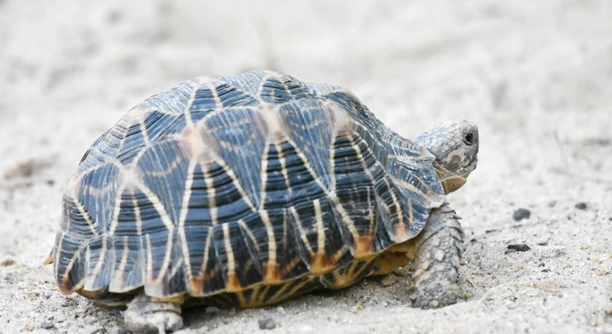
Turtles are fascinating pets, but ensuring their diet is right can be tricky. The right balance of nutrients is key to their health and longevity. Knowing the signs that their diet needs adjustment is important for their well-being.
If a turtle’s diet is lacking in proper nutrition, it can lead to health issues like poor growth, shell deformities, or low energy. It’s essential to adjust their diet to include a variety of foods that meet their specific needs.
Making sure your turtle eats a balanced diet is not as simple as it seems. A few signs can indicate that it’s time for some changes. Keep reading to learn how to identify them and improve your turtle’s meals.
1. Turtle Isn’t Eating as Much as Usual
If your turtle has suddenly stopped eating or reduced its food intake, it’s a red flag. Turtles typically have a strong appetite, so when they begin eating less, it could be a sign something isn’t right with their diet.
When they aren’t eating enough, their energy levels may drop, and their growth could slow down. Turtles are also very sensitive to environmental changes, so a change in their diet or living conditions can lead to a decrease in appetite. It’s crucial to observe your turtle’s behavior and monitor if they are refusing specific foods or if they are eating less overall.
To fix this, ensure you are offering the right types of food. Try different protein sources, like worms or shrimp, and add fresh vegetables like leafy greens. A variety of food options can help stimulate your turtle’s appetite. If the problem persists, it’s time to check the temperature of their environment or consult a veterinarian to rule out underlying issues.
2. Weight Loss or Poor Shell Condition
If your turtle is losing weight or showing signs of a weak shell, this may indicate poor nutrition. Lack of essential vitamins and minerals, like calcium and Vitamin D3, can cause shell deformities or make the turtle’s body weaker.
A healthy diet rich in these nutrients will support proper shell growth and overall strength. Providing high-quality, calcium-rich foods such as cuttlebone, calcium powder, or leafy greens is essential for maintaining shell integrity. Weak shells, along with weight loss, are serious indicators that your turtle’s diet needs an immediate upgrade.
Turtles require balanced food for both their bones and energy. Without the right nutrients, they can develop problems that affect their growth and shell health. If you notice your turtle’s shell looking soft or brittle, it’s time to adjust its diet immediately. Consult a veterinarian if symptoms persist to ensure your turtle receives the proper care it needs to recover.
3. Noticeable Behavior Changes
If your turtle is acting unusually tired, sluggish, or more aggressive, it could be due to a poor diet. Turtles rely on proper nutrition to maintain energy levels and stay healthy. Without it, they might become more lethargic or act out of character.
Behavioral changes like hiding more often or becoming less social are also signs something is off. These changes often happen when a turtle’s diet is missing key nutrients, or their environment isn’t suitable for digestion. A proper diet helps keep their energy levels up and ensures they feel comfortable and secure.
If you notice these behaviors, try offering a variety of food to see if that helps. Fresh vegetables, fruits, and protein sources should be balanced to meet their needs. Additionally, check the water temperature, humidity, and lighting to make sure your turtle is not stressed out by its surroundings.
4. Poor Digestion or Constipation
Turtles that are constipated or struggling with digestion may need adjustments in their diet. A lack of fiber or improper foods can cause problems like bloating, constipation, or irregular waste production. It’s important to keep an eye on their waste to spot these signs early.
Offering high-fiber foods such as leafy greens and avoiding too many fatty or dry foods can help improve digestion. If your turtle is not passing waste regularly, it may be a sign of an imbalance. Slow digestion can also lead to discomfort or even more severe health issues over time.
In addition to adjusting the diet, ensure that your turtle is drinking enough water and is in an environment that promotes healthy digestion. Clean water, proper temperature, and enough space to move around can help prevent digestive problems from worsening. If constipation continues, a visit to the vet may be necessary.
5. Unhealthy Shedding or Skin Issues
If your turtle is shedding excessively or has dry, flaky skin, it could be due to a lack of proper nutrition. A healthy diet helps maintain skin moisture and promotes natural shedding. Without proper nutrients, skin issues can develop.
Make sure you are providing enough vitamin A, which is vital for skin health. Lack of this nutrient can lead to shedding problems or even infections. Also, keep the turtle’s habitat clean and ensure it has access to the proper UVB lighting to promote healthy skin.
Poor diet and environment can lead to more serious skin conditions if left untreated. Regularly check for signs of dry skin, shedding, or irritations. A balanced diet rich in vitamins and minerals will improve their skin condition and help with proper shedding.
6. Irregular Activity Levels
Turtles that are eating too little or the wrong types of food can have irregular activity levels. Low energy, constant resting, or reluctance to move are signs that their body isn’t receiving what it needs.
Inadequate food, lack of vitamins, or even an imbalance of protein can lead to lethargy. A turtle that is not as active as it should be can become more vulnerable to other health issues, such as obesity or weakened muscles. Their diet plays a major role in how active they are.
Pay attention to how your turtle behaves throughout the day. If you notice they aren’t as lively or tend to sleep more, it’s time to reconsider their diet and make sure they are getting the right nutrients to stay active.
7. Difficulty Swimming or Floating
If your turtle seems to have trouble swimming or floating properly, it might be a sign of nutritional imbalance. A lack of certain nutrients like calcium can lead to issues with buoyancy and overall swimming ability.
Turtles need calcium for bone strength, which also helps them maintain proper buoyancy in water. Without enough calcium, they can have trouble swimming or may float incorrectly, affecting their overall mobility. Offering foods high in calcium, like cuttlebone and certain leafy greens, will help prevent these issues.
FAQ
What should I feed my turtle for a balanced diet?
A balanced diet for your turtle includes a variety of protein sources, leafy greens, and vegetables. Offer foods like worms, crickets, shrimp, and fish for protein. Include leafy greens like kale, dandelion greens, and romaine lettuce, along with vegetables like carrots, squash, and bell peppers. You can also offer fruits like strawberries, apples, or melons, but only in moderation since they are high in sugar. Make sure to provide a calcium supplement, such as cuttlebone or calcium powder, to support their shell health.
How often should I feed my turtle?
How often you feed your turtle depends on its age and size. Baby turtles need to be fed more frequently, usually every day, while adult turtles can be fed every other day. You can offer a small portion of food and adjust based on whether they finish it. Overfeeding can lead to obesity, so be mindful of portion sizes. As a general guideline, provide food once a day for younger turtles and once every 2-3 days for adults.
Can I feed my turtle only vegetables?
While vegetables should make up a large part of your turtle’s diet, they should not be the only thing they eat. Turtles need protein to maintain energy and healthy growth. A diet that consists solely of vegetables will lack the necessary nutrients, especially protein, to keep your turtle healthy. Incorporate protein-rich foods like insects, fish, and shrimp into their meals to ensure they get a well-rounded diet.
Are there any foods I should avoid feeding my turtle?
Yes, there are several foods that should be avoided. Never feed your turtle foods high in fat, such as processed meats or dairy products. Avoid feeding them iceberg lettuce, as it has very little nutritional value. Additionally, citrus fruits, like oranges and lemons, can cause digestive issues. Also, avoid feeding them toxic plants such as poinsettias, lilies, and ferns. Always research any new food before offering it to your turtle to ensure it’s safe.
Can I feed my turtle live fish?
Live fish can be offered to your turtle occasionally, but they shouldn’t be the primary source of food. Some turtles enjoy catching and eating live fish, but this can introduce risks like parasites or toxins from fish. Also, feeding them live fish too often may lead to aggressive behavior. Choose safe, clean fish if you do decide to offer them and keep them in moderation. Frozen or freeze-dried fish are better alternatives.
How can I tell if my turtle is eating enough?
You can tell if your turtle is eating enough by monitoring its growth, weight, and activity levels. A healthy turtle will have a consistent weight and should be active. If you notice your turtle is losing weight, becoming lethargic, or having trouble with its shell, it could be a sign that it’s not getting enough food. Additionally, watch for any refusal of food or lack of interest in eating, as these can be early signs of diet-related issues.
Should I supplement my turtle’s diet with vitamins?
Supplementing your turtle’s diet with vitamins can be helpful, especially for indoor turtles that may not get enough natural sunlight to produce vitamin D. Vitamin D is essential for calcium absorption, so it’s important to ensure your turtle is getting enough. You can use a vitamin supplement specifically designed for reptiles or provide a UVB light to help them synthesize their own vitamin D. Make sure not to over-supplement, as too many vitamins can cause harm.
How do I properly store turtle food?
Turtle food should be stored in a cool, dry place to maintain its freshness and nutritional value. For fresh food, such as vegetables and fruits, store them in the refrigerator and offer them in small portions to avoid waste. For dry pellets or commercial turtle food, keep them in an airtight container to prevent moisture and pests from getting inside. If you feed your turtle live food like insects, store them according to the supplier’s instructions and make sure they are safe to offer to your turtle.
What are the signs of an unhealthy diet in a turtle?
Common signs of an unhealthy diet in a turtle include weight loss, shell deformities, poor growth, lethargy, and skin issues like dryness or flakiness. If your turtle is eating less than usual or refusing food altogether, it may be a sign that their diet isn’t meeting their needs. Irregular behavior, difficulty swimming, and issues with digestion, such as constipation, can also be related to diet. Always monitor your turtle’s health and consult a vet if you notice any troubling signs.
Can I feed my turtle insects from outside?
Feeding your turtle insects from outside is not recommended due to the risk of pesticides, parasites, or harmful bacteria. Wild insects may have been exposed to chemicals or diseases that could harm your turtle. It’s safer to buy insects from reputable pet stores or breeders, where you know the insects are safe and free of harmful substances.
How do I know if my turtle is getting enough calcium?
If your turtle’s shell appears soft, thin, or deformed, it could be a sign they aren’t getting enough calcium. Additionally, calcium deficiency can lead to metabolic bone disease, which weakens their bones and shell. Offering a calcium supplement, such as cuttlebone or calcium powder, will help prevent deficiencies. Make sure your turtle has access to proper UVB lighting, which aids in calcium absorption. If you’re unsure about your turtle’s calcium intake, it’s always a good idea to consult a vet for advice.
Why is my turtle not eating?
If your turtle isn’t eating, it could be due to a variety of factors. Stress, changes in environment, temperature issues, or improper lighting can all affect their appetite. Another reason could be that the food you’re offering isn’t appealing or appropriate for their species. Turtles can also fast for a short period without cause for concern, especially if they’re adjusting to new conditions. If the issue persists, it’s important to consult a vet to rule out any health problems.
Final Thoughts
Turtles are wonderful pets, but they require a balanced and healthy diet to thrive. Just like any other animal, their well-being depends on the food they eat, the environment they live in, and the care they receive. If you notice any changes in your turtle’s behavior, weight, or eating habits, it could be a sign that something is wrong with its diet. Understanding the signs and knowing what adjustments to make can help keep your turtle healthy and happy.
A turtle’s diet should be varied and include proteins, vegetables, fruits, and essential nutrients like calcium and vitamins. Protein helps in their growth and energy levels, while vegetables and fruits provide vital vitamins. Without the proper balance of these nutrients, turtles can face a range of health issues, from poor shell growth to sluggish behavior. It’s also important to monitor how much food they are consuming and avoid overfeeding, as excess food can lead to other health complications like obesity.
Remember, every turtle is different, and their diet may need to be adjusted based on their age, size, and species. What works for one turtle might not be suitable for another. By paying attention to their needs, offering a variety of foods, and ensuring a proper environment, you can help your turtle live a long and healthy life. If you’re ever unsure about their diet or notice troubling signs, consulting a veterinarian is always a good option. With the right care and nutrition, your turtle will stay active, healthy, and content.

Hello,
If you enjoy the content that we create, please consider saying a "Thank You!" by leaving a tip.
Every little bit helps us continue crafting quality advice that supports the health, happiness, and well-being of pets around the world, for pets of all shapes, sizes, and species.
We really appreciate the kindness and support that you show us!