
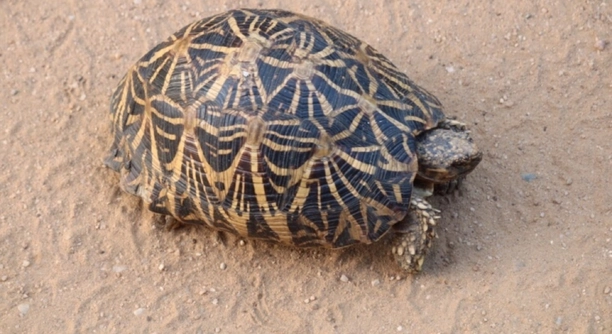
Is your turtle constantly lingering in the corner of its tank, making you wonder if something is wrong? Turtles have specific behaviors, and their tank placement can reveal important details about their health, comfort, and environmental conditions.
A turtle staying in the corner of the tank is often a sign of stress, improper water conditions, or temperature issues. Poor filtration, incorrect basking temperatures, or a lack of hiding spots can contribute to this behavior, affecting the turtle’s well-being.
Creating a suitable habitat ensures your turtle feels secure and comfortable. Understanding the reasons behind this behavior can help you make the necessary adjustments for a healthier and more active pet.
Common Reasons Your Turtle Stays in the Corner
Turtles often stay in the corner of their tank due to stress, discomfort, or environmental issues. Water quality plays a significant role, as unclean or improperly balanced water can make them feel uneasy. Temperature inconsistencies, whether in the water or basking area, may also lead to this behavior. If the temperature is too cold or too warm, your turtle might seek out a specific spot to regulate its body heat. Additionally, limited hiding spaces can make them feel exposed, causing them to retreat to one corner for security. Tank size and layout also influence movement and comfort.
If your turtle is constantly in the same spot, observe its surroundings. Check if the filter is working efficiently and if the basking area maintains a stable temperature. Adjusting these factors can encourage your turtle to explore more freely and reduce stress-related behavior.
Providing a well-maintained environment with clean water, proper temperatures, and enrichment ensures your turtle remains active and comfortable.
How to Encourage Movement and Comfort
A turtle’s activity level depends on its environment. Ensuring the tank is spacious, clean, and properly heated encourages natural movement. Small changes, like adding plants or adjusting lighting, can make a big difference.
Tank layout and water quality significantly impact your turtle’s behavior. A tank that is too small or lacks variety in terrain can make movement less engaging. Clean water with proper filtration helps maintain their health and encourages activity. Temperature control is equally important. Ensure the water temperature is within the recommended range, and the basking area provides warmth for proper thermoregulation. Adding decorations, plants, and hiding spots can create a more stimulating environment.
If your turtle still stays in one corner despite improvements, monitor its eating habits and overall health. A lack of appetite or visible discomfort could indicate underlying health concerns that may require veterinary attention.
Adjusting Water and Temperature Conditions
Maintaining proper water and basking temperatures is essential for your turtle’s well-being. Water should stay within the recommended range, typically between 75-80°F, while the basking area should be warmer, around 85-95°F. Incorrect temperatures can lead to inactivity, stress, and health concerns.
Use a reliable water heater and thermometer to keep temperatures stable. Sudden drops or excessive heat can cause discomfort, making your turtle retreat to a corner. The basking area should provide a warm, dry spot where your turtle can fully dry off. If the lighting setup lacks UVB exposure, it can affect digestion, shell health, and activity levels. Regularly checking and adjusting these factors ensures your turtle remains comfortable and active.
Poor water quality also affects behavior. A strong filtration system helps maintain clean water, reducing stress. Regular water changes, along with monitoring ammonia and nitrate levels, prevent imbalances that could cause your turtle to seek refuge in a corner.
Enhancing Tank Setup for Comfort
A well-designed tank encourages movement and reduces stress. A spacious tank allows for exploration, while hiding spots provide security. Live or artificial plants, caves, and driftwood create a more engaging environment, preventing boredom and promoting natural behaviors.
Adding a variety of textures and objects mimics a more natural habitat. Flat surfaces, smooth rocks, and gentle slopes encourage climbing and movement. A floating basking platform allows your turtle to dry off completely, preventing shell issues. Positioning decorations in different areas of the tank encourages exploration rather than staying in one spot.
Lighting and filtration also play a key role in comfort. A proper UVB bulb ensures healthy shell growth, while an efficient filter keeps the water clear. Keeping these elements balanced promotes an active, healthy turtle that feels secure in its environment.
Monitoring Health and Behavior
Sudden changes in behavior, such as staying in one corner, could indicate illness. Respiratory infections, parasites, and vitamin deficiencies may cause lethargy or discomfort. Look for signs like swollen eyes, irregular breathing, or changes in appetite. Addressing health concerns early prevents complications and ensures your turtle’s well-being.
Stress can also impact behavior. Frequent handling, loud noises, or tank mates causing aggression may lead to withdrawal. Providing a calm, stable environment reduces stress and promotes natural behaviors. If unusual behavior persists despite environmental adjustments, consulting a reptile veterinarian can help identify any underlying health issues.
Creating a Routine for Stability
Consistency helps turtles feel secure. Feeding them at the same time daily, maintaining a stable temperature, and keeping their tank clean reduces stress. Regular maintenance, such as water changes and filter checks, prevents sudden shifts that could cause discomfort or inactivity. A stable environment encourages a more active and engaged turtle.
When to Seek Veterinary Help
If your turtle remains inactive despite improvements, a vet visit may be necessary. Signs like shell discoloration, excessive shedding, or weight loss indicate potential health issues. Early intervention ensures proper care and helps prevent long-term problems affecting their quality of life.
FAQ
Why does my turtle stay in one corner all day?
Turtles may stay in one corner due to stress, improper water temperature, or illness. If the tank is too cold, they may become sluggish and seek warmth. Poor water quality or a lack of hiding spots can also cause stress. Regularly checking water conditions and tank setup helps maintain a comfortable environment.
Can boredom cause my turtle to stay in one spot?
Yes, turtles need mental stimulation. A bare tank with no decorations or hiding spots can lead to boredom and inactivity. Adding plants, rocks, tunnels, or floating objects encourages movement and exploration. A varied diet and occasional interaction outside the tank can also help keep them engaged.
Is my turtle sick if it stays in the corner?
Possibly. Illnesses like respiratory infections, parasites, or metabolic bone disease can cause lethargy. Signs of sickness include wheezing, swelling, shell softness, or a lack of appetite. If symptoms persist, consulting a reptile veterinarian is essential for proper diagnosis and treatment.
Does my turtle need more space?
A small tank can restrict movement and lead to stress. Turtles need ample space to swim, bask, and explore. A general guideline is at least 10 gallons of water per inch of shell length. A cramped space may cause them to retreat to a single corner due to discomfort.
Can tank mates make my turtle stay in one corner?
Yes, aggressive tank mates can intimidate turtles, making them hide in one area. Some fish may nip at their limbs, causing stress. If aggression is observed, separating the turtle or choosing compatible tank mates can help reduce anxiety and encourage normal activity.
Does my turtle need more UVB light?
Insufficient UVB exposure affects energy levels, digestion, and shell health. If a turtle lacks proper UVB lighting, it may become inactive and stay in one spot. A high-quality UVB bulb should be provided for 10-12 hours daily to support overall well-being.
Can strong water currents affect my turtle’s behavior?
Yes, strong currents from filters or water pumps can make swimming difficult, leading turtles to seek calmer areas. Adjusting the water flow or providing resting spots can help them feel more comfortable. Ensuring the filter doesn’t create excessive turbulence promotes a more balanced tank environment.
Should I be worried if my turtle hides all the time?
Occasional hiding is normal, but constant hiding could indicate stress, illness, or discomfort. Factors like a noisy environment, improper temperatures, or tank overcrowding may contribute. Checking water conditions, adjusting lighting, and providing hiding spots can help your turtle feel more secure and active.
How can I encourage my turtle to move around more?
Providing a spacious tank, adding enrichment items, and maintaining proper temperatures encourage movement. Floating objects, rearranging decorations, and offering a variety of foods stimulate activity. Handling should be minimal to reduce stress, but occasional supervised exploration outside the tank can promote curiosity.
When should I take my turtle to the vet?
A vet visit is necessary if your turtle shows prolonged inactivity, loss of appetite, shell deformities, difficulty breathing, or unusual swimming patterns. Early detection of health issues ensures proper treatment, helping to prevent further complications and keeping your turtle healthy.
Final Thoughts
Understanding why your turtle stays in the corner of its tank is important for maintaining its well-being. Environmental factors like water temperature, lighting, and tank size all play a role in your turtle’s behavior. Stress from poor water quality, a lack of enrichment, or aggressive tank mates can also cause inactivity. Identifying and addressing these issues will help create a more comfortable and stimulating habitat. Regular observation of your turtle’s behavior allows you to notice any changes that could indicate health problems, ensuring that any necessary adjustments are made promptly.
Providing a well-maintained tank with proper heating, UVB lighting, and engaging decorations encourages natural activity. Adding floating plants, basking platforms, and hiding spots creates a more dynamic environment that reduces stress. A balanced diet with fresh vegetables, protein sources, and calcium supplements also supports overall health. Ensuring your turtle has ample space to swim and explore can prevent it from staying in one area for too long. If adjustments to the habitat and care routine do not improve behavior, seeking guidance from a reptile veterinarian can help determine if there is an underlying health issue.
Caring for a turtle requires attention to both its physical and mental needs. Keeping the tank clean, monitoring temperature levels, and providing interactive elements all contribute to a more active and happy turtle. If your turtle continues to stay in one corner, consider making gradual changes to improve its environment. Small adjustments, such as repositioning decorations or adjusting water flow, can make a difference in their comfort and movement. By maintaining a healthy and enriched habitat, you can ensure that your turtle remains active, engaged, and in good health for years to come.

Hello,
If you enjoy the content that we create, please consider saying a "Thank You!" by leaving a tip.
Every little bit helps us continue crafting quality advice that supports the health, happiness, and well-being of pets around the world, for pets of all shapes, sizes, and species.
We really appreciate the kindness and support that you show us!