
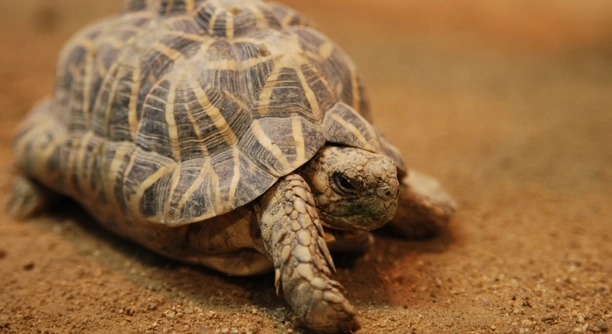
Turtles are fascinating creatures, but keeping them warm without a heat lamp can be tricky. Luckily, there are various methods to ensure they stay comfortable and healthy.
There are several ways to keep your turtle warm without a heat lamp. Alternatives such as heating pads, basking spots, or ceramic heaters can help maintain the right temperature, offering a safe environment without the need for traditional lighting.
In this article, we’ll explore the best alternatives to heat lamps for your turtle’s warmth. These methods can ensure your pet remains cozy and well taken care of without relying on a heat lamp.
Heating Pads and Mats
Heating pads and mats are a simple and effective way to keep your turtle warm. They are placed under the tank, providing consistent heat to the tank floor. This method helps mimic the warmth turtles would experience in their natural habitat, ensuring they stay comfortable. Heating pads are particularly useful when combined with other heat sources.
Using heating pads can also reduce the risk of overheating when used correctly. Always check the temperature to ensure the heat is at a safe level for your turtle. A thermostat can help regulate this.
Many heating pads are adjustable, allowing you to control the warmth based on your turtle’s needs. Be sure to buy one designed for reptiles, as these will have the right safety features. Positioning it under one side of the tank allows your turtle to regulate its body temperature by moving between the warmer and cooler areas. This gives your pet the freedom to thermoregulate naturally.
Basking Spots
A basking spot is a great way to offer your turtle a warm area. A simple rock or platform can serve as a basking area where your turtle can soak up heat.
These spots are key in helping your turtle warm up by climbing to a higher place in their habitat. By having a spot close to the water’s surface, they can easily move between warm and cooler areas.
Ceramic Heat Emitters
Ceramic heat emitters are an excellent alternative to heat lamps. They emit heat without light, which is perfect for turtles that need warmth but don’t require additional light. These devices work well for creating a warm basking area.
These heat emitters are often used in terrariums and aquariums. They provide a steady, consistent source of heat, which helps maintain a stable environment for your turtle. They also last longer than traditional heat lamps and do not produce harmful UV rays.
A ceramic heat emitter can be mounted above the tank or placed in a corner. Always monitor the temperature in the tank to ensure your turtle doesn’t become overheated. Adjusting the positioning of the emitter can help keep the warmth evenly distributed throughout the habitat.
Heat Rocks
Heat rocks are another option for warming your turtle’s environment. They are placed directly on the bottom of the tank and provide localized warmth, which turtles can enjoy when resting on them.
These rocks are especially beneficial in smaller tanks or when you need extra heat in a specific area. They help warm up the surface where your turtle may spend a lot of time. However, be careful with heat settings; rocks that get too hot can burn your turtle. Keep an eye on the temperature to make sure it stays within a safe range.
Under Tank Heaters
Under tank heaters work well to provide consistent warmth to the bottom of your turtle’s tank. These heaters are easy to install and maintain.
This method allows for heat to be evenly distributed, creating a comfortable temperature gradient. With proper placement, under-tank heaters can give your turtle the ability to regulate body heat naturally. Always check the heater’s temperature settings to ensure they are safe for your turtle.
Heat Pads
Heat pads are small and discreet options for warming your turtle’s habitat. They are placed beneath the tank or directly inside, providing a steady source of heat.
Heat pads are easy to use and can be controlled with a thermostat for safety. This option is perfect if you’re working with a smaller setup or need localized heat.
Insulation
Insulating your turtle’s tank helps retain heat and minimize temperature fluctuations. Simple materials, like foam or thermal blankets, can be used to wrap the tank.
By insulating the tank, you create a more stable environment where the warmth you provide stays longer. This method works well in colder rooms or during the winter months.
FAQ
What temperature should my turtle’s tank be?
The ideal temperature for most turtles is between 75°F and 85°F (24°C to 29°C). If you have a specific species, you should check the exact temperature range for that species, as some turtles need warmer or cooler temperatures. Always use a thermometer to monitor the tank’s heat.
Can I use a regular heat lamp for my turtle?
It is not recommended to use a regular heat lamp for your turtle. Heat lamps used for reptiles emit both light and heat, which may not always be ideal. Some turtles need a more consistent heat source without the added light. It’s better to use ceramic heat emitters or heating pads.
How do I know if my turtle is too hot?
Signs that your turtle is too hot include restlessness, trying to climb out of the water, or staying away from the heat source. If your turtle starts showing these signs, lower the temperature and adjust the environment. Keep an eye on its behavior and adjust accordingly to prevent stress.
Are heat rocks safe for turtles?
Heat rocks can be safe if used correctly. However, you need to make sure they don’t get too hot, as they could burn your turtle. Always check the temperature of the heat rock to ensure it’s not excessive. Some turtles may not enjoy direct contact with heat rocks, so keep that in mind.
Do I need a UV light for my turtle?
While UV lights are important for many turtles to help them metabolize calcium and produce vitamin D3, they are not related to heating. If you are using alternative heating methods like ceramic heat emitters or heating pads, you’ll still need a UVB light to ensure your turtle gets the proper light for its health.
What is the best way to create a warm basking area?
A basking area can be made by placing a platform or rock under a heat source. You can use a ceramic heat emitter or heating pad to warm the area. Make sure the basking area is warm but not too hot, giving your turtle a chance to regulate its body temperature.
How often should I check the temperature?
It’s a good idea to check the temperature of your turtle’s tank at least once a day. This ensures the temperature remains steady and within the safe range. You should also check the temperature of specific areas like the basking spot to ensure your turtle has access to heat when needed.
Can I use a space heater for my turtle’s tank?
Using a space heater for the room can indirectly heat your turtle’s tank, but it’s not an ideal solution. It can cause temperature fluctuations and might not be focused enough to provide consistent warmth. A dedicated heating system like heating pads or ceramic heaters will be more reliable for your turtle.
Is it necessary to have a heat source at night?
Turtles don’t need a heat source at night if the room temperature stays within their comfortable range. However, if the room cools down too much during the night, consider using a low-wattage heat source like a ceramic heat emitter to maintain the proper temperature.
Can I use a towel or blanket to keep my turtle warm?
While a towel or blanket can provide temporary warmth, it is not a reliable or safe long-term solution. It may trap too much heat or cause discomfort. For more consistent warmth, it’s better to use heating pads, mats, or ceramic heaters designed specifically for reptiles.
What if my turtle doesn’t want to bask?
If your turtle isn’t basking, it could indicate an issue with its environment or health. Check the temperature of the basking area and the tank to ensure they are within the appropriate range. If everything seems fine and your turtle still avoids basking, consider consulting a vet to rule out health issues.
How can I provide heat in a small tank?
In a small tank, you can use a small heating pad or mat to warm the bottom of the tank. You may also use a ceramic heat emitter or a heat rock for a localized heat source. Be sure to monitor the temperature closely since smaller tanks can heat up quickly.
Can I use a hot water bottle for my turtle’s tank?
Using a hot water bottle can provide temporary heat, but it’s not a good long-term solution. It may not maintain a steady temperature and could cause overheating if not monitored closely. Stick to more reliable heating methods like heating pads or ceramic emitters for consistent warmth.
What’s the difference between a heat lamp and a heat emitter?
A heat lamp produces both heat and light, while a heat emitter only produces heat. For turtles that need warmth but not additional light, heat emitters are the better choice. Heat emitters also tend to last longer and don’t interfere with your turtle’s natural day-night cycle.
Do turtles need to be warm all the time?
Turtles need access to heat, but they also need to cool off. Having a temperature gradient in the tank allows them to move between warm and cooler areas, so they can regulate their body temperature. Make sure the tank provides a warm basking spot and a cooler water area for balance.
Can I leave my turtle in the sun to warm up?
While natural sunlight can be helpful, leaving your turtle in direct sunlight for long periods can be risky. Turtles can overheat or get sunburned if exposed for too long. If you do take them outside, ensure they have access to shaded areas and don’t stay out too long.
Final Thoughts
Keeping your turtle warm without a heat lamp is possible using several alternative methods. From heating pads and ceramic emitters to basking spots, there are many options to help maintain the right temperature for your pet. The key is to create a safe, comfortable environment where your turtle can regulate its body temperature as it would in the wild. These alternatives can often be more reliable and efficient than traditional heat lamps, especially when used correctly.
It’s important to monitor the temperature regularly to ensure it stays within a safe range. Using a thermometer to check both the water and basking areas will help you avoid overheating or underheating your turtle’s tank. Keeping your turtle’s habitat well-balanced is essential to their health and happiness. Make sure to combine heat sources with proper UV lighting, as turtles also need exposure to UVB rays for calcium absorption and overall well-being. Without the right balance, your turtle could face health issues in the long term.
Remember that every turtle species has slightly different needs, so take the time to research the specific requirements of your pet. What works for one turtle may not work for another, so it’s essential to adjust your approach based on your turtle’s preferences. With the right combination of heat sources and attention to detail, you can ensure your turtle stays warm, healthy, and comfortable.

Hello,
If you enjoy the content that we create, please consider saying a "Thank You!" by leaving a tip.
Every little bit helps us continue crafting quality advice that supports the health, happiness, and well-being of pets around the world, for pets of all shapes, sizes, and species.
We really appreciate the kindness and support that you show us!