
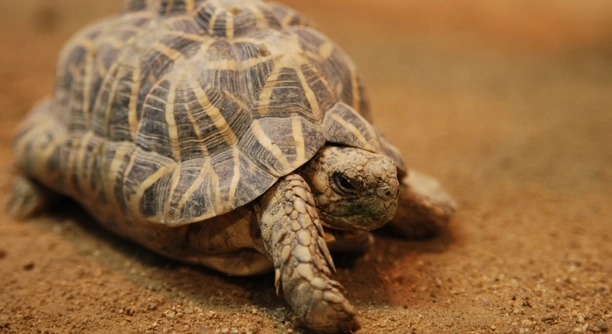
Do you ever wonder if turtles can regrow body parts after an injury? These resilient reptiles have unique healing abilities, but their regeneration process differs from animals like salamanders. Understanding how turtles recover can help uncover the truth about their healing capabilities.
Turtles cannot regrow lost body parts like limbs or tails, unlike some amphibians. However, they possess impressive wound-healing abilities. Their shells can regenerate damaged areas over time, and minor injuries may heal with proper care, but full limb regeneration is not possible.
Turtles rely on natural healing and environmental factors to recover from injuries. Exploring their recovery process provides insight into their resilience and how they adapt to physical damage.
How Turtles Heal From Injuries
Turtles have a slow but effective healing process. Their immune system fights infections, and their shells can regenerate damaged areas over time. Unlike lizards or amphibians, turtles cannot regrow lost limbs, but their bodies work to seal wounds and minimize long-term damage. Proper care and a clean environment support faster healing.
Providing a balanced diet, clean water, and veterinary care helps turtles recover from injuries. Their shells, made of living tissue, can heal cracks if they are kept clean and protected. Monitoring wounds prevents infections and promotes better recovery outcomes.
Temperature plays a role in healing since turtles are ectothermic. Warmer temperatures boost their metabolism, aiding in tissue repair. Stress and poor nutrition can slow healing, making a stable habitat essential. While they cannot regrow lost limbs, turtles rely on their resilience to recover from injuries and maintain overall health.
Can a Turtle Survive With a Lost Limb?
Turtles can survive after losing a limb, but they need proper care. Wounds must be treated to prevent infection, and the turtle may need help adjusting to its new mobility. Many adapt well with the right support.
A missing limb does not stop a turtle from living a fulfilling life. Their strong shells provide protection, and they rely on their remaining limbs to move efficiently. With a safe habitat, proper nutrition, and veterinary care, they can adjust to their condition. Some may struggle at first, but they often regain their ability to swim, climb, and forage over time.
In the wild, a lost limb can make survival more difficult. Turtles with mobility challenges may struggle to escape predators or find food. However, in captivity, they can thrive with human assistance. Providing an environment with easy access to food, shallow water, and stable surfaces helps them navigate their surroundings without unnecessary stress.
Factors That Affect a Turtle’s Healing Process
A turtle’s healing depends on its species, environment, and overall health. Clean water, a proper diet, and a stable temperature help wounds close faster. Stress and infections can slow down recovery, making it essential to monitor their condition closely during the healing process.
Nutrition plays a major role in healing. A diet rich in vitamins A and C supports tissue repair, while calcium strengthens the shell. Protein helps with cell regeneration, giving turtles the nutrients needed to heal efficiently. Poor nutrition weakens their immune system, increasing the risk of infections and delaying wound closure.
Environmental factors also influence healing. A clean habitat prevents bacteria from entering wounds, reducing the chance of infections. Warm temperatures promote faster metabolism, aiding tissue repair. If a turtle is kept in poor conditions or experiences frequent stress, its body may struggle to recover, making injuries more severe and long-lasting.
Can a Turtle’s Shell Heal If It’s Cracked?
A turtle’s shell can heal from cracks, but the recovery process takes time. Since the shell is made of living tissue, new layers will form over the damaged area. Keeping the turtle in a clean and safe environment prevents infections and ensures the crack heals properly without complications.
Severe cracks may require veterinary treatment. Some cases need shell repair using medical-grade epoxy or fiberglass patches to stabilize the damage. Deep fractures can take months to heal, and without proper care, they may expose the turtle to serious infections. Antibiotics and wound dressings are often necessary for severe injuries.
Minor shell cracks can heal on their own if kept clean and dry. Applying antiseptic treatments and providing a safe habitat allows the shell to regenerate naturally. Over time, the damaged area will harden, forming a protective layer that strengthens the shell and restores its integrity.
How Long Does It Take for a Turtle to Heal?
Healing time depends on the severity of the injury and the turtle’s health. Minor wounds may heal within a few weeks, while deeper injuries, including shell cracks, can take several months. Proper care, nutrition, and a clean environment speed up the healing process.
A turtle’s metabolism affects healing speed. Since they are cold-blooded, their recovery slows in cooler temperatures. Warmer conditions help wounds close faster by increasing blood circulation and cellular repair. Without proper temperature regulation, healing may take significantly longer, leading to complications and a higher risk of infections.
What to Do If a Turtle Is Injured
Immediate care is essential for preventing infections. Cleaning wounds with antiseptic solutions and keeping the turtle in a sterile environment reduces complications. Veterinary treatment may be necessary for deep cuts or severe shell damage, ensuring proper healing and preventing long-term health issues.
Final Thoughts
Turtles rely on natural healing and supportive care to recover from injuries. Providing a clean habitat, proper nutrition, and medical attention when needed helps them heal effectively.
FAQ
Can turtles regrow lost limbs?
No, turtles cannot regrow lost limbs. Unlike some animals, such as salamanders, they do not have the ability to regenerate missing body parts. While they can recover from injuries like minor cuts and shell cracks, they rely on the healing of the existing tissue.
How long does it take for a turtle’s shell to heal?
It can take several months for a turtle’s shell to heal, depending on the severity of the crack or injury. Minor shell cracks may take a few weeks to heal, while deep fractures can take months. Keeping the shell clean and avoiding stress can aid in the healing process.
What should I do if my turtle’s shell is cracked?
If your turtle’s shell is cracked, you should first clean the area with a gentle antiseptic solution to prevent infection. For minor cracks, the turtle may heal naturally, but severe cracks require veterinary attention. A vet may use medical-grade epoxy or other treatments to stabilize the shell.
How can I tell if my turtle is healing properly?
You can tell if your turtle is healing properly by checking the injured area regularly for signs of infection, such as swelling, redness, or pus. Healthy healing tissue should gradually close up and harden over time. If the wound isn’t healing or worsens, consult a vet.
Can turtles survive without a limb?
Yes, turtles can survive without a limb. Though it may affect their mobility, turtles are resilient animals and can adapt. With proper care, they can continue to move, eat, and function in their environment despite losing a limb. However, they may need assistance in a controlled environment.
Do turtles feel pain when they are injured?
Turtles, like other animals, can feel pain. They have a nervous system that reacts to injuries and stress. While their pain response may not be as evident as in mammals, they can still experience discomfort. Proper care, such as managing wounds and reducing stress, can help ease their recovery.
What should I feed a turtle to help it heal?
A turtle’s diet should include a mix of leafy greens, vegetables, and protein sources like insects, fish, or commercial turtle food. Adding calcium-rich foods like kale or calcium supplements is important for shell and bone health. A balanced diet helps support tissue regeneration and overall healing.
How do I prevent infections in my injured turtle?
To prevent infections, clean the wound gently with an antiseptic solution regularly. Keeping the turtle in a clean, dry environment is key to avoiding bacterial growth. Avoiding water that could introduce harmful bacteria and ensuring the turtle’s shell is protected will help reduce the risk of infection.
Can stress slow down a turtle’s healing process?
Yes, stress can slow down the healing process. Stress weakens the immune system and can make the body less efficient at healing injuries. Keeping the turtle in a calm and stable environment, away from loud noises or handling, will help it recover more quickly.
How do I know if my turtle has an infection?
Signs of infection in turtles include swelling, redness, discharge, or pus around a wound. If the wound becomes soft or the turtle shows signs of discomfort, such as reluctance to eat or move, an infection may be present. Seek veterinary care for proper treatment.
Should I take my turtle to the vet for an injury?
Yes, you should take your turtle to the vet if the injury is severe, such as a deep wound, broken shell, or if there are signs of infection. A vet will assess the damage and provide treatments like antibiotics, shell repair, or wound care to ensure proper healing.
How can I help my turtle adjust to losing a limb?
If your turtle loses a limb, it will need time to adjust. Make sure its environment is safe and easy to navigate. Provide food and water at accessible levels and ensure the tank has smooth surfaces to prevent further injury. With time, turtles often adapt to their new condition.
Can a turtle survive in the wild with an injured shell?
Turtles can survive in the wild with an injured shell, but it depends on the severity. A cracked shell may expose the turtle to infections and predators. In the wild, a turtle might be more vulnerable, but with proper care and time, they can still live and thrive.
Do different turtle species heal differently?
Yes, healing rates and methods can vary slightly between different turtle species. Some turtles may heal faster or have different tolerances for injury based on their habitat, diet, and behavior. However, all turtles rely on their body’s natural healing processes and will require appropriate care.
Can a turtle’s injuries be treated at home?
Minor injuries can be treated at home with proper cleaning, antiseptics, and keeping the turtle in a clean, low-stress environment. However, serious injuries, such as deep wounds, broken shells, or infections, require veterinary attention. Always consult a professional for severe cases to avoid complications.
How can I help my turtle recover from shell damage?
To help your turtle recover from shell damage, keep the wound clean and monitor for any signs of infection. If the damage is severe, consult a vet for specialized care, which may include shell repair. In mild cases, allowing the shell to heal naturally in a safe environment can be effective.
Can turtles heal from broken bones?
Turtles can heal from broken bones, but the process depends on the location and severity of the fracture. Like their shells, bone fractures will require time to heal. In some cases, a vet may need to set the bone or provide support to ensure proper healing.
Are there any treatments to speed up healing in turtles?
The best way to speed up healing is to ensure the turtle has proper nutrition, a clean environment, and minimal stress. For shell damage, veterinary treatments like epoxy or fiberglass can help stabilize fractures. Additionally, using warm water baths and ensuring optimal temperature can aid in the healing process.
What are the signs that a turtle’s healing process is going wrong?
If a turtle’s healing process is not progressing, signs like persistent swelling, worsening of the wound, or the turtle becoming lethargic are red flags. Discharge, foul odors, and redness around the injury may also indicate an infection. If any of these occur, it’s important to see a vet promptly.
Final Thoughts
While turtles may not have the ability to regrow limbs, they are resilient creatures that can heal from injuries with the right care. Their recovery depends on many factors, including the severity of the injury and the environment they are kept in. If a turtle is injured, it is crucial to ensure they have a clean and safe space to heal, free from stress and potential hazards. Providing a proper diet, maintaining a balanced environment, and keeping the injury clean are key steps in helping them recover. Though turtles can’t regenerate lost body parts, they can still live fulfilling lives with proper care and attention.
Shell injuries, in particular, can be serious for turtles, as the shell is vital for protection and overall health. Whether it’s a crack or more severe damage, ensuring that the injury heals without complications is essential. Monitoring the healing process closely, looking for signs of infection, and seeking veterinary care if needed can prevent further harm. Sometimes, turtles may need medical interventions, such as epoxy treatment for cracks or fractures. By being proactive and providing the right conditions, a turtle’s shell can heal, and they can return to their normal behaviors over time.
Ultimately, it is important to understand that while turtles cannot regenerate body parts like some other species, they are still strong and adaptable. With proper care, they can continue to thrive even after injury. Keeping their living environment free from stress, maintaining a balanced diet, and preventing infections will help ensure that they heal as best as possible. For any serious injury, always consult with a veterinarian to provide the best chance of recovery. Turtles are capable of healing, but it requires patience, attention, and the right approach.

Hello,
If you enjoy the content that we create, please consider saying a "Thank You!" by leaving a tip.
Every little bit helps us continue crafting quality advice that supports the health, happiness, and well-being of pets around the world, for pets of all shapes, sizes, and species.
We really appreciate the kindness and support that you show us!