
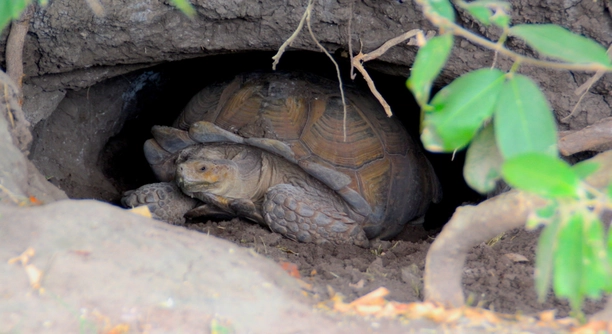
Is your sulcata tortoise constantly attempting to climb the walls of its enclosure? This behavior can be puzzling and concerning for many owners. Understanding the reasons behind it can help ensure your tortoise’s well-being and prevent potential injuries.
Sulcata tortoises often attempt to climb walls due to stress, boredom, or an unsuitable enclosure. They have a strong instinct to roam and may try to escape if they feel confined. Environmental factors like improper lighting, temperature, or lack of enrichment can also contribute.
Creating a stimulating environment with proper space and enrichment is essential for your tortoise’s health. Addressing these factors will help reduce climbing behavior and promote a more comfortable living space.
Common Reasons for Climbing Behavior
Sulcata tortoises often climb walls due to enclosure limitations, stress, or natural instincts. If their space is too small, they may feel restricted and attempt to escape. A lack of enrichment can also cause restlessness, leading them to seek stimulation through climbing. Additionally, improper temperatures or lighting may create discomfort, making them more likely to explore beyond their enclosure. Some tortoises exhibit this behavior due to hunger or an inconsistent feeding schedule. Observing their environment and daily routine can help determine what changes might be necessary to reduce this climbing habit.
Ensuring the enclosure meets their needs is important. A spacious habitat with appropriate temperature, humidity, and enrichment helps prevent climbing. Adding barriers along the edges can also discourage escape attempts.
Tortoises are naturally curious and active. When given a properly structured habitat, they are less likely to climb. Providing a variety of textures, hiding spots, and a consistent diet can make a significant difference.
How to Prevent Climbing
Modifying the enclosure can significantly reduce climbing behavior. A larger space allows for natural movement, minimizing stress. Solid walls without clear visibility beyond the enclosure help reduce the urge to escape. Proper lighting, temperature, and enrichment create a comfortable and engaging environment.
A well-structured habitat should include a substrate that mimics their natural environment, such as a mix of soil and sand. Adding logs, rocks, or plants provides mental stimulation and encourages natural behaviors. Water sources and shaded areas help maintain hydration and comfort. Keeping a consistent feeding schedule with a balanced diet ensures they receive the nutrients they need.
Regular observation is essential in preventing climbing. If a tortoise frequently attempts to scale walls, adjusting their habitat can make a difference. Making small changes based on their behavior will help create a stress-free and secure enclosure.
Adjusting the Enclosure Layout
A well-planned enclosure reduces stress and climbing attempts. Solid walls prevent tortoises from seeing beyond their space, which can reduce escape attempts. A varied terrain with natural elements like rocks and logs encourages exploration while keeping them engaged and comfortable.
Providing a spacious area allows them to move freely. Tortoises need enough room to walk, dig, and explore without feeling confined. The substrate should be a mix of soil and sand to replicate their natural habitat. Placing hiding spots around the enclosure gives them a sense of security. A water dish should always be available, ensuring proper hydration.
Temperature and lighting play a major role in their behavior. A heat gradient allows them to regulate body temperature, preventing discomfort. UVB lighting is necessary for calcium absorption and shell health. Proper placement of heat lamps and shaded areas ensures they have access to both warm and cool spots.
Encouraging Natural Behaviors
Creating an engaging space helps tortoises stay active. Adding edible plants, varied textures, and small hills encourages natural foraging and digging behaviors. A combination of hard and soft surfaces provides a stimulating environment that keeps them occupied and reduces restlessness.
A consistent feeding schedule is important. Tortoises thrive on leafy greens, grasses, and occasional vegetables. Spreading food around the enclosure mimics natural foraging, keeping them engaged. Avoid overfeeding or offering excessive fruit, as too much sugar can cause digestive issues. Providing cuttlebone ensures they get enough calcium.
Regular interaction can help them feel secure. Observing their movements and adjusting the environment accordingly prevents stress-related behaviors. Monitoring weight, shell condition, and activity levels ensures they remain healthy. Small changes, like rotating enrichment items, can keep their environment fresh and stimulating.
Monitoring for Signs of Stress
Restlessness, frequent climbing, or pacing along the enclosure walls can indicate stress. Changes in appetite, excessive hiding, or attempts to escape are also signs to watch for. Identifying stress early helps prevent further behavioral issues and potential health concerns.
Environmental factors, such as incorrect temperatures or lack of stimulation, often cause stress. Ensuring a consistent routine, proper lighting, and a well-balanced diet can help create a stable environment. Observing their behavior regularly makes it easier to recognize any necessary adjustments.
Making Gradual Changes
Sudden changes to their enclosure or routine can cause anxiety. Introducing adjustments slowly allows them to adapt without unnecessary stress. Adding new enrichment items one at a time prevents overwhelming them. If moving their enclosure, ensuring a familiar setup can make the transition smoother. Consistency in care helps maintain their well-being.
When to Seek Veterinary Advice
If climbing behavior continues despite adjustments, a health issue may be involved. Signs of dehydration, metabolic bone disease, or respiratory infections should not be ignored. A veterinarian can assess their condition and recommend appropriate care. Regular checkups help ensure long-term health and prevent potential complications.
FAQ
Why does my Sulcata tortoise keep climbing the walls of its enclosure?
Sulcata tortoises climb walls when they feel confined or stressed. If the enclosure is too small or lacks enrichment, they may attempt to escape. Transparent walls can also cause confusion, making them think they can move beyond the barrier. Providing a spacious, engaging habitat helps reduce this behavior.
Is my tortoise climbing because it is unhappy?
Climbing does not always mean a tortoise is unhappy, but it can be a sign of discomfort. Boredom, incorrect temperatures, and an unfamiliar environment can all contribute to restlessness. Ensuring a properly designed enclosure with natural elements, hiding spots, and a temperature gradient can help them feel more secure.
Can a tortoise get injured from climbing?
Yes, frequent climbing increases the risk of falling and getting injured. A tortoise can flip onto its back, which is dangerous, especially in hot temperatures. Hard surfaces or sharp objects in the enclosure can cause shell or limb injuries. Reducing climbing opportunities and ensuring a soft substrate can help prevent accidents.
What kind of walls should my tortoise’s enclosure have?
Solid, opaque walls prevent tortoises from attempting to climb. Glass or clear plastic enclosures can be frustrating because they do not understand the barrier. A smooth surface without footholds makes climbing more difficult. A height of at least 12-18 inches ensures they cannot escape.
How can I stop my tortoise from climbing?
Making the enclosure feel more natural helps reduce climbing. Adding logs, edible plants, and textured surfaces keeps them engaged. Providing an appropriately sized space and adjusting the enclosure layout to mimic their natural habitat can also minimize escape attempts. Regularly monitoring their behavior ensures they remain comfortable.
Does diet affect climbing behavior?
A poor diet can lead to restlessness. If they are not getting enough fiber, calcium, or hydration, they may become more active in search of food. Ensuring a well-balanced diet with leafy greens, grasses, and occasional vegetables keeps them healthy. Offering food in different areas encourages natural foraging behaviors.
Is my tortoise climbing because it wants to hibernate?
Sulcata tortoises do not hibernate, but they may become more active during seasonal changes. If temperatures fluctuate or they are not receiving enough UVB exposure, their behavior might change. Maintaining a stable environment with proper heating and lighting prevents confusion and unnecessary activity.
Should I let my tortoise roam outside the enclosure?
Supervised outdoor time in a safe, enclosed area can be beneficial. Fresh air, natural sunlight, and access to grass provide enrichment. However, unsupervised roaming can be dangerous due to potential hazards like predators, toxic plants, or extreme temperatures. Always ensure the area is secure before allowing outdoor exploration.
Can stress cause my tortoise to climb more?
Yes, stress is a major factor in climbing behavior. Changes in their environment, lack of enrichment, or feeling threatened can cause restlessness. Reducing loud noises, keeping handling to a minimum, and providing a consistent routine can help them feel safe and reduce climbing attempts.
How do I know if my tortoise’s enclosure is too small?
If your tortoise is frequently trying to climb, pacing along the walls, or showing signs of frustration, the enclosure may be too small. A Sulcata tortoise needs ample space to roam, with at least 8×4 feet for juveniles and larger enclosures for adults. More space allows for natural movement and enrichment.
Final Thoughts
Sulcata tortoises are naturally curious and active, so climbing behavior is not unusual. However, if they are constantly trying to climb the walls of their enclosure, it is important to evaluate their environment. A small or poorly designed space can lead to stress and frustration. Ensuring they have a spacious enclosure with solid, opaque walls can help prevent climbing attempts. Adding natural elements like logs, rocks, and hiding spots encourages them to engage with their surroundings instead of focusing on escape. A well-structured habitat provides security and keeps them comfortable.
Behavioral changes in tortoises often indicate that something is missing from their care routine. If a Sulcata tortoise is restless or frequently climbing, factors like temperature, lighting, and diet should be considered. Proper heating, UVB exposure, and a diet rich in fiber and calcium contribute to their overall well-being. Stress from environmental changes or lack of enrichment can also play a role. Regular observation and adjustments ensure they stay healthy and exhibit natural behaviors. Providing outdoor time in a secure space can also help satisfy their need for exploration while keeping them safe.
A tortoise that constantly climbs is likely trying to communicate discomfort. Addressing this behavior early can prevent injuries and stress-related health issues. Making improvements to their enclosure, diet, and daily routine can reduce the need for climbing and create a more suitable living space. Every tortoise has unique needs, and paying attention to their behavior helps identify what works best. With proper care and a well-designed environment, they will feel more at ease, leading to a healthier and happier life.

Hello,
If you enjoy the content that we create, please consider saying a "Thank You!" by leaving a tip.
Every little bit helps us continue crafting quality advice that supports the health, happiness, and well-being of pets around the world, for pets of all shapes, sizes, and species.
We really appreciate the kindness and support that you show us!