
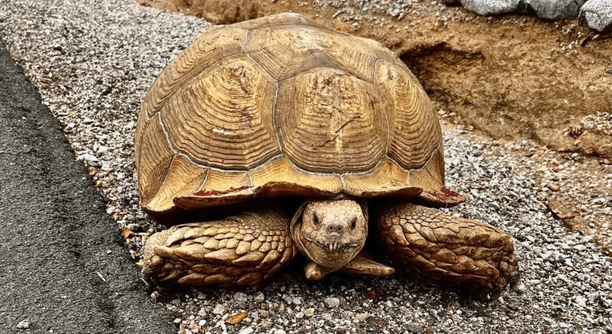
Sulcata tortoises are fascinating creatures, but their nighttime digging behavior can leave many owners puzzled. Understanding why your tortoise engages in this activity can help you address the underlying causes effectively.
The most common reasons for nighttime digging include instinctual behaviors, such as nesting, seeking cooler environments, or exploring their surroundings. Tortoises also dig to find more comfortable spots or create burrows for protection from predators or extreme weather conditions.
Understanding these factors will help you manage your tortoise’s nighttime digging while ensuring their overall well-being and comfort.
Natural Instincts and Nesting Behavior
Sulcata tortoises are known for their natural instinct to dig, especially when it comes to nesting. This behavior is common in the wild as females dig to lay their eggs. Even male tortoises sometimes dig, likely as part of their territorial behavior or to create a comfortable area. In captivity, this instinct can be triggered when your tortoise feels the need to reproduce or find a secure place. While it may seem unusual, this digging is part of their survival instinct, rooted deeply in their biology.
While your sulcata might not be laying eggs, this behavior can still persist. The act of digging serves as a form of self-care, providing them with a space to feel safe and secure. It’s also a way for them to create a microenvironment that suits their needs, including temperature and humidity.
If your sulcata is consistently digging at night, it might be that they’re simply following their natural instincts. Understanding this can help you create an environment that supports their comfort and reduces the nighttime disturbances.
Environmental Factors and Comfort
A significant factor in digging behavior is the need for comfort. Sulcata tortoises are sensitive to their environment and often dig to find cooler, more comfortable ground. During the night, when temperatures drop, they may seek out cooler spots to regulate their body temperature. If your tortoise’s enclosure is too warm, this behavior may intensify as they search for a more favorable area.
Keeping your tortoise’s habitat at the proper temperature, with both cool and warm areas, can help prevent excessive digging. Make sure there is enough space for them to roam and find the temperature gradient they need.
Boredom and Lack of Stimulation
Sulcata tortoises are naturally curious creatures. If they aren’t given enough to explore or do, they might resort to digging as a way to pass the time. In the wild, these tortoises spend much of their day foraging, so a lack of stimulating activities could lead to this repetitive behavior.
Providing enrichment is key to preventing boredom-induced digging. You can introduce new objects for them to interact with, such as rocks, logs, or shallow digging areas. Regularly changing their environment will also give them the mental stimulation they need to keep them engaged and reduce unnecessary digging.
Offering a variety of food or even creating little challenges, like hiding food in different spots of their enclosure, can keep their minds active. This helps break the cycle of digging, as they focus on exploring new things rather than just digging for entertainment.
Stress and Anxiety
Stress is another common cause of nighttime digging. Sulcata tortoises are sensitive to changes in their environment, including temperature shifts, loud noises, or even new animals. These changes can make them feel insecure, leading to behaviors like digging to find a safer, more controlled environment.
To reduce stress, it’s important to provide a consistent environment. Avoid sudden changes in temperature, or overcrowding in their habitat. If they feel threatened by external factors, like other animals or loud sounds, it may cause them to dig to feel safe. Creating a quiet, calm space for your tortoise can help minimize these reactions.
If you suspect stress is the cause, observe your tortoise’s behavior closely. Look for signs such as lethargy, changes in appetite, or aggression. These could all indicate that something in their environment is causing anxiety, and addressing the stressors can help reduce the need for digging.
Health Issues
Health problems can sometimes cause excessive digging in sulcata tortoises. They may dig to try to find a more comfortable spot if they’re feeling unwell. It’s important to monitor their behavior closely, especially if the digging is unusual or persistent.
If your tortoise is digging more frequently, it might be worth a trip to the vet. Digging could be a sign of digestive problems, dehydration, or other underlying health issues. Pay attention to any other symptoms, like loss of appetite or changes in their behavior, as these can help pinpoint the cause.
Hormonal Changes
Hormonal changes, particularly in sexually mature tortoises, can lead to digging. Males may dig to establish territory, while females may do so to prepare for nesting. If your sulcata is in mating season, digging is a common response to hormonal fluctuations.
Monitoring your tortoise during these times and adjusting their environment can help. Reducing stress and providing ample space for them to move around will ensure they’re comfortable during hormonal changes.
FAQ
Why does my sulcata tortoise dig at night?
Sulcata tortoises are nocturnal creatures, and nighttime digging is often part of their natural behavior. It could be due to nesting instincts, searching for cooler spots, or simply the result of boredom. Understanding the underlying cause can help address the behavior. If it’s caused by instinct, providing a comfortable space with proper temperature gradients may help. If boredom is the issue, introducing new objects or challenges can keep your tortoise occupied and reduce excessive digging.
How can I stop my sulcata tortoise from digging?
To prevent your tortoise from digging, try to make their environment as comfortable and stimulating as possible. Ensure they have plenty of space to roam and enough food to forage. Creating a temperature gradient in their habitat can help, as they may dig to find a cooler or warmer area. You can also add enrichment items like rocks, logs, or plants for them to explore. Regularly changing the layout of their habitat can also provide variety and reduce the tendency to dig out of boredom.
Is it normal for my sulcata tortoise to dig excessively?
Excessive digging can be a sign of underlying stress or discomfort. While some digging is normal, especially at night, it’s important to observe if your tortoise is digging more than usual. If it’s linked to environmental factors, such as improper temperature or lack of space, addressing those issues can help reduce the behavior. However, if you notice changes in appetite, behavior, or if the digging seems excessive without clear cause, it’s worth consulting a vet to rule out health problems.
Can stress cause my tortoise to dig more?
Yes, stress can lead to excessive digging in sulcata tortoises. Changes in their environment, such as new pets, loud noises, or fluctuations in temperature, can make them feel anxious. When they are stressed, they might dig in an attempt to find a more secure spot or to deal with their discomfort. To minimize stress, keep their habitat calm, consistent, and free of sudden changes. Ensuring they have a safe space and are not disturbed will help keep stress levels down and reduce digging behavior.
How do I know if my tortoise is digging because of health issues?
If your sulcata tortoise is digging more than usual and showing other signs of discomfort, such as loss of appetite, lethargy, or abnormal behavior, health issues might be the cause. Tortoises may dig if they feel unwell, seeking out a more comfortable spot. If this behavior is accompanied by signs of illness, such as swelling, unusual feces, or changes in their shell, it’s best to take your tortoise to a vet. A health check can help determine whether the digging is related to a medical issue or just a normal behavioral response.
What kind of temperature should I maintain for my sulcata tortoise?
Sulcata tortoises need a temperature gradient in their habitat. The basking area should be around 95-100°F (35-38°C), while the cooler end of their enclosure should be around 75-85°F (24-29°C). At night, the temperature can drop to around 70-75°F (21-24°C). If the environment is too warm or too cold, your tortoise may dig to find a more comfortable spot. Ensure there is enough space for them to move between the warm and cool areas of the enclosure to regulate their body temperature.
Can hormonal changes cause digging?
Yes, hormonal changes can cause sulcata tortoises to dig, especially when they reach sexual maturity. Male tortoises may dig to establish territory, while females may dig in preparation for nesting. During mating season, this digging behavior is particularly common. To manage this, ensure your tortoise has ample space and a comfortable environment. Hormonal digging is typically temporary, and as long as your tortoise is not showing signs of stress or illness, it should subside after the season ends.
How can I provide mental stimulation for my sulcata tortoise?
Providing mental stimulation is important for preventing boredom-related digging. You can enrich your tortoise’s environment by introducing safe objects like rocks, logs, or plants that they can explore. Hiding food in various spots within their enclosure can also encourage natural foraging behavior. Rotating objects and rearranging their habitat can keep things interesting and help reduce the desire to dig. Additionally, allowing your tortoise to roam in a secure outdoor area for supervised exploration can provide a variety of new sights and smells to stimulate their mind.
Is it necessary to take my sulcata tortoise to the vet for digging?
If the digging seems excessive or if you notice other concerning symptoms, it may be time to consult a vet. A veterinarian can rule out health issues that could be causing discomfort. However, if the digging seems normal and is related to instinct, boredom, or hormonal changes, a vet visit may not be necessary. Pay attention to their behavior, eating habits, and overall condition. If any signs of illness or stress arise alongside the digging, a professional evaluation is recommended.
How often should I change my sulcata tortoise’s habitat?
Changing your sulcata tortoise’s habitat layout every few weeks can help prevent boredom and reduce excessive digging. Introduce new objects, such as logs or hiding spots, and consider rearranging their substrate. By keeping their environment fresh, you can encourage your tortoise to explore more and avoid digging out of monotony. Regular cleaning and checking the temperature and humidity levels are also essential for maintaining a healthy, comfortable environment.
Final Thoughts
Sulcata tortoises are fascinating creatures, but their digging behavior can be puzzling at times. It’s important to understand that digging is natural for them, and it often serves a purpose, whether it’s for finding comfort, establishing territory, or even nesting. While it can be a bit overwhelming when they dig excessively, it’s often a sign that they’re responding to environmental factors or their instincts. Understanding these behaviors and what triggers them can help in managing their digging habits effectively.
Taking a closer look at your tortoise’s habitat is a good first step in addressing excessive digging. Ensure the temperature and humidity are ideal, provide enough space for exploration, and create a stimulating environment with objects they can interact with. Regularly cleaning their space and introducing new items will help keep them engaged. By providing a comfortable and enriched environment, you can reduce the likelihood of your tortoise digging out of boredom or stress. It’s also essential to check for health issues, as digging can sometimes be a sign that something’s wrong. A visit to the vet can help if you suspect a medical condition is behind the digging.
Lastly, patience is key. Tortoises, like all pets, have their own quirks and need time to adjust. If your sulcata tortoise is digging due to hormonal changes or seasonal behavior, this is usually temporary. While their digging might seem excessive, it’s often just part of their natural rhythms. By addressing potential environmental factors, keeping them healthy, and allowing for their natural instincts, you can help ensure your sulcata tortoise remains happy and healthy in the long run.

Hello,
If you enjoy the content that we create, please consider saying a "Thank You!" by leaving a tip.
Every little bit helps us continue crafting quality advice that supports the health, happiness, and well-being of pets around the world, for pets of all shapes, sizes, and species.
We really appreciate the kindness and support that you show us!