
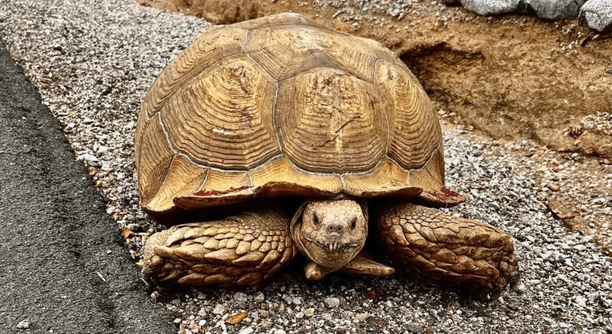
Are you wondering if your Sulcata tortoise can safely eat pumpkin? Providing a proper diet is essential for their health, and introducing new foods requires careful consideration. Understanding whether pumpkin is beneficial or harmful helps ensure your tortoise stays healthy.
Sulcata tortoises can eat pumpkin in moderation, but it should not be a primary food source. While pumpkin provides fiber and hydration, excessive amounts may cause digestive issues. Offering it occasionally as a treat is safe, but a well-balanced diet is essential.
Feeding your tortoise the right foods supports their overall health and longevity. Learning how to incorporate pumpkin properly into their diet ensures they receive the best nutrition.
Nutritional Benefits of Pumpkin for Sulcata Tortoises
Pumpkin contains essential nutrients that can benefit Sulcata tortoises when offered in moderation. It provides fiber, which aids digestion, and hydration due to its high water content. Vitamins A and C support the immune system, while small amounts of calcium contribute to shell health. However, it lacks the necessary nutrients to be a staple food. A diet primarily consisting of grasses and hay is more suitable for Sulcata tortoises. Since pumpkin is lower in fiber than their regular diet, excessive consumption may disrupt their digestive balance. Moderation is key to ensuring they benefit from its nutrients without negative effects.
Feeding pumpkin as an occasional treat ensures variety without compromising nutritional balance. Mixing small portions with their usual diet prevents digestive upset while adding enrichment. Avoid feeding canned or seasoned pumpkin, as additives may be harmful. Stick to fresh, raw, or cooked pumpkin without additional ingredients.
While pumpkin offers some benefits, it should never replace the essential components of a Sulcata tortoise’s diet. Their primary food source should be high-fiber grasses, hay, and leafy greens. Occasional treats like pumpkin can provide variety but should always be offered in limited amounts to prevent digestive issues and ensure a well-balanced diet.
Potential Risks of Feeding Pumpkin
Feeding too much pumpkin to a Sulcata tortoise may cause digestive issues. Its lower fiber content compared to their natural diet can lead to loose stools if consumed in excess. Ensuring portion control helps maintain their digestive health and prevents imbalances.
Sulcata tortoises rely on fiber-rich foods for proper digestion, and pumpkin lacks the necessary roughage. Overfeeding may lead to softer stools and disrupt their gut bacteria. Additionally, its natural sugars can contribute to weight gain if given too frequently. While vitamin A is beneficial, excessive amounts can cause toxicity. This risk is rare but worth considering when incorporating new foods into their diet. To keep your tortoise healthy, offer pumpkin in moderation alongside their usual grasses and leafy greens.
To minimize risks, introduce pumpkin slowly and in small amounts. Monitor your tortoise for any changes in digestion or behavior after feeding. If signs of diarrhea or lethargy appear, reduce or eliminate pumpkin from their diet. Sticking to a balanced diet with occasional treats ensures optimal health and prevents unnecessary digestive concerns.
How to Safely Feed Pumpkin to Sulcata Tortoises
Offer small portions of fresh, raw, or cooked pumpkin without any added ingredients. Start with a small piece and observe your tortoise’s reaction before making it a part of their occasional treats. Avoid feeding pumpkin seeds or skin, as they can be difficult to digest.
Chop the pumpkin into bite-sized pieces to prevent choking hazards. If cooking the pumpkin, keep it plain without oils or seasonings. Mixing small amounts with their usual greens can help them adjust to the new food without disrupting their diet. Since pumpkin has a higher water content, balance it with fibrous foods to maintain digestive health. Feeding once or twice a month is sufficient to add variety without negative effects. Overfeeding can lead to loose stools, so portion control is essential.
Always choose fresh pumpkin over canned varieties, which often contain preservatives or added sugar. If your tortoise shows any signs of digestive discomfort after eating pumpkin, reduce the amount or eliminate it from their diet. Rotating different vegetables instead of offering the same treat frequently helps maintain a balanced diet. Keeping their primary diet consistent while occasionally adding pumpkin ensures they receive the nutrients they need without unnecessary risks.
Alternative Treats for Sulcata Tortoises
Cactus pads, hibiscus leaves, and mulberry leaves are excellent alternatives to pumpkin. These treats offer more fiber while still providing hydration and variety. Sulcata tortoises thrive on nutrient-dense foods, so choosing options closer to their natural diet supports their health better than sugary or watery vegetables.
Opt for dark, leafy greens like collard greens, mustard greens, and dandelion greens, which provide essential vitamins and minerals without disrupting digestion. Certain flowers, like hibiscus and rose petals, are safe and enjoyable options. Fruits should be limited due to their high sugar content, but small amounts of prickly pear can be an occasional treat. Introducing a variety of foods ensures a balanced diet while preventing dependence on one type of treat.
Providing safe, natural treats enhances their diet while keeping them engaged. Always research new foods before introducing them and monitor their digestion for any changes. A diet focused on high-fiber plants with occasional treats ensures your Sulcata tortoise remains healthy and active.
How Often Can Sulcata Tortoises Eat Pumpkin?
Pumpkin should only be offered as an occasional treat, no more than once or twice a month. Feeding it too frequently can disrupt their digestive system and lead to imbalances in their diet. Keeping portions small ensures they benefit from the nutrients without negative effects.
Monitor your tortoise’s response after eating pumpkin. If they experience loose stools or reduced appetite, it may be best to reduce or eliminate it from their diet. Sticking to their natural diet of grasses and high-fiber plants is the best way to maintain their long-term health and digestion.
Signs of Digestive Issues from Pumpkin
Overfeeding pumpkin may lead to diarrhea, bloating, or changes in appetite. Loose stools indicate that their digestive system is struggling to process the food properly. If your tortoise becomes less active or stops eating after consuming pumpkin, it may be a sign of digestive discomfort. Reducing or eliminating pumpkin from their diet can help restore balance. If symptoms persist, consulting a reptile veterinarian is recommended.
Final Thoughts on Feeding Pumpkin
Pumpkin is safe for Sulcata tortoises in moderation, but it should never replace their staple diet. Sticking to a fiber-rich diet while occasionally offering safe treats ensures their overall health remains stable. Monitoring their response and adjusting portions as needed helps prevent unnecessary digestive issues.
FAQ
Can Sulcata tortoises eat pumpkin seeds?
Pumpkin seeds are not ideal for Sulcata tortoises. Although they are not toxic, they are difficult for tortoises to digest. The seeds can cause digestive issues if consumed in large quantities. It’s best to remove the seeds before offering pumpkin to your tortoise.
Is canned pumpkin safe for Sulcata tortoises?
Canned pumpkin is not recommended for Sulcata tortoises. Most canned pumpkin contains additives or preservatives that may be harmful to them. Additionally, some varieties may include added sugar or spices. Always stick to fresh, raw, or cooked pumpkin without any seasoning.
How can I prepare pumpkin for my Sulcata tortoise?
To prepare pumpkin for your Sulcata tortoise, wash the skin thoroughly to remove any dirt or chemicals. Cut the pumpkin into small, manageable pieces to avoid choking hazards. You can offer it raw or lightly cooked, ensuring there are no added oils, salt, or seasonings.
What other vegetables can I feed my Sulcata tortoise?
Sulcata tortoises benefit from a variety of fibrous vegetables. Some safe options include dandelion greens, collard greens, mustard greens, and hibiscus flowers. Stick to dark leafy greens for the most nutrients. These foods should form the core of their diet, with occasional fruits or treats added sparingly.
Can Sulcata tortoises eat pumpkin peel?
While the pumpkin peel is not toxic, it can be tough for Sulcata tortoises to digest. It’s best to remove the peel before feeding pumpkin to your tortoise. The flesh of the pumpkin is easier to digest and provides the nutrients they need without causing digestive issues.
Can Sulcata tortoises eat pumpkin every day?
No, Sulcata tortoises should not eat pumpkin every day. It should be offered only occasionally, as part of a balanced diet. Too much pumpkin can lead to digestive problems due to its high water content and lower fiber compared to their natural foods. Stick to a varied diet for their long-term health.
What fruits are safe for Sulcata tortoises?
Fruits can be offered as occasional treats. Some safe options include strawberries, blueberries, and bananas. These fruits should only make up a small portion of their diet due to their high sugar content. It’s important to avoid feeding fruits that are too acidic or sugary in large amounts.
Can Sulcata tortoises eat squash instead of pumpkin?
Yes, Sulcata tortoises can eat squash as a substitute for pumpkin. Like pumpkin, squash is rich in water and fiber, making it a suitable occasional treat. However, like pumpkin, it should be offered in moderation to avoid digestive issues. Always ensure it’s prepared without any added seasonings or ingredients.
What should I do if my Sulcata tortoise has diarrhea after eating pumpkin?
If your tortoise develops diarrhea after eating pumpkin, reduce or eliminate pumpkin from their diet. Diarrhea can be a sign of an upset stomach or digestive discomfort caused by overfeeding pumpkin. Ensure they have access to plenty of water and monitor their digestion. If symptoms persist, consult a vet.
How much pumpkin should I feed my Sulcata tortoise?
Feed your Sulcata tortoise only small portions of pumpkin, once or twice a month. A piece about the size of their palm is sufficient. Offering too much pumpkin can lead to digestive issues. Always balance pumpkin with their regular diet of high-fiber greens and grasses.
Can Sulcata tortoises eat cooked pumpkin?
Yes, Sulcata tortoises can eat cooked pumpkin, but it should be plain, with no added oils, butter, or spices. Cooking softens the pumpkin, making it easier for your tortoise to eat. Be sure to allow it to cool before offering it to prevent burns or discomfort.
Can Sulcata tortoises eat pumpkin as a main food source?
No, pumpkin should never be a main food source for Sulcata tortoises. While it’s nutritious in moderation, their primary diet should consist of high-fiber grasses, hay, and leafy greens. Pumpkin is an occasional treat, not a staple in their diet, to ensure they get all the essential nutrients they need.
Is it safe to feed Sulcata tortoises pumpkin leaves?
Pumpkin leaves are not toxic to Sulcata tortoises, but they should still be offered in moderation. The leaves can be a bit tougher than other leafy greens, which might make them harder for your tortoise to digest. If you do feed them, ensure they are washed thoroughly and cut into smaller pieces.
What happens if my Sulcata tortoise eats too much pumpkin?
If a Sulcata tortoise eats too much pumpkin, it can lead to digestive issues such as diarrhea, bloating, or an upset stomach. Overconsumption may also cause a nutrient imbalance. Limit the amount of pumpkin to small, infrequent portions to avoid these problems and maintain their digestive health.
Are pumpkin flowers safe for Sulcata tortoises?
Yes, pumpkin flowers are safe for Sulcata tortoises. They are a good source of nutrients and can be a nice addition to their diet. Like other edible flowers, pumpkin flowers should be offered in moderation and as part of a varied diet to ensure your tortoise receives balanced nutrition.
What is the best way to introduce pumpkin into my Sulcata tortoise’s diet?
Introduce pumpkin gradually by offering small amounts alongside their usual food. Monitor their reaction and adjust the portion size if needed. If they enjoy it and show no signs of digestive issues, you can offer it as an occasional treat. Avoid introducing too much at once to prevent upsetting their stomach.
Final Thoughts
Feeding your Sulcata tortoise pumpkin can be a healthy, occasional treat, but it is important to remember that it should not be a regular part of their diet. These tortoises thrive on a high-fiber diet made primarily of grasses, weeds, and some leafy greens. While pumpkin offers certain nutritional benefits, such as vitamins A and C, it should only supplement their usual food. Offering pumpkin too frequently may disrupt their digestive system and lead to issues like diarrhea or bloating. It’s essential to keep the portion size small and occasional to maintain a balanced diet and avoid any unwanted health problems.
Additionally, while pumpkin is safe in moderation, other parts of the pumpkin, such as the seeds and skin, are not ideal for Sulcata tortoises. Pumpkin seeds can be tough to digest and may cause discomfort, so they should be removed before feeding. The skin, though not toxic, can be harder to digest, which may lead to digestive discomfort for your tortoise. By focusing on the fleshy interior of the pumpkin and preparing it properly, you can offer a safe and enjoyable treat. Always avoid any canned pumpkin that contains added preservatives, sugar, or spices, as they can be harmful to your tortoise.
Lastly, when adding any new food to your Sulcata tortoise’s diet, it’s important to monitor their response. Watch for any signs of digestive upset, such as diarrhea or reduced appetite. If you notice any issues, remove pumpkin from their diet and revert to their regular food. Consulting with a veterinarian is always a good idea if you have concerns about your tortoise’s health. Remember that a well-balanced diet, rich in fiber and appropriate nutrients, is the key to keeping your Sulcata tortoise happy and healthy. Keep their main diet consistent and use pumpkin as a treat in moderation for the best results.

Hello,
If you enjoy the content that we create, please consider saying a "Thank You!" by leaving a tip.
Every little bit helps us continue crafting quality advice that supports the health, happiness, and well-being of pets around the world, for pets of all shapes, sizes, and species.
We really appreciate the kindness and support that you show us!