
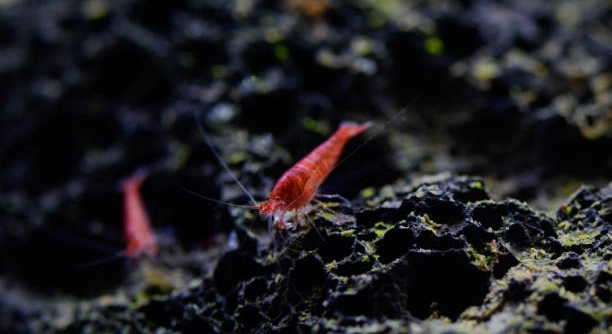
Is your shrimp spending more time on the filter than exploring the tank? Many shrimp owners notice this behavior and feel unsure about what it means for their pets. It can seem unusual but often has simple explanations.
Shrimp often sit on filters due to stress, poor water quality, or a lack of proper hiding spaces. The filter provides a gentle current and oxygen-rich water, making it a safe, comfortable spot for shrimp to rest and regulate their environment.
Observing this behavior can help you adjust tank conditions and improve your shrimp’s well-being. Small changes often make a big difference in keeping them healthy and active.
Common Reasons Shrimp Sit on the Filter
Shrimp often cling to the filter because it provides a steady current and access to cleaner, oxygen-rich water. This behavior can indicate that something in the tank isn’t ideal for them. Poor water quality, high levels of ammonia or nitrites, or sudden changes in temperature can all stress shrimp. Filters also create small areas of low flow and surfaces to hold onto, making them feel safe when the rest of the tank seems too open or threatening. Lack of hiding spots can make shrimp seek security near the filter, where they can rest without being exposed. Even healthy shrimp may occasionally sit on the filter to graze on biofilm or leftover food stuck in the filter sponge. Observing when and how often your shrimp gather on the filter can give you useful insight into their comfort levels and the tank environment.
Monitoring this behavior closely can prevent long-term stress.
Shrimp sitting on the filter is often a sign of environmental adjustment. By checking water parameters, adding more plants or hiding places, and ensuring a stable temperature, you can create a safer, more comfortable habitat. They will explore more once the tank feels secure and balanced, reducing their reliance on the filter as a resting spot. Small changes can have noticeable effects on shrimp behavior and health over time.
Tank Conditions That Affect Shrimp Behavior
Water quality is critical for shrimp health.
Even minor fluctuations in temperature, pH, or ammonia levels can cause shrimp to seek safer areas, often near the filter. They are highly sensitive to changes, so stability is key. Clean, well-cycled water encourages normal activity and reduces stress, helping shrimp feel comfortable exploring the tank.
Shrimp are sensitive to their surroundings, and the condition of the tank can significantly affect their behavior. Poor water quality, overcrowding, or insufficient hiding spots can push them toward the filter as a secure refuge. Regular water testing for ammonia, nitrites, nitrates, and pH can prevent stress-related behaviors. Plants, moss, and decorations provide cover and reduce the need to cling to the filter. Proper feeding routines and avoiding overfeeding also help maintain water quality, which directly impacts shrimp activity. By adjusting these factors, shrimp will spend less time hiding and more time moving freely, interacting with their environment, and exhibiting natural behaviors like grazing and molting. A well-maintained tank supports their health and overall vitality, minimizing risks associated with stress or poor water conditions.
Stress and Its Effect on Shrimp
Shrimp often hide or sit on the filter when stressed. Stress can come from sudden changes in water temperature, overcrowding, or aggressive tank mates. Keeping conditions stable helps them feel safer and reduces time spent near the filter.
Stress affects shrimp behavior more than most owners realize. Even small fluctuations in water temperature or pH can make them cling to the filter for comfort. Overcrowding or the presence of larger fish can increase anxiety, causing shrimp to hide or remain stationary. Providing plenty of plants, moss, and decorations helps them feel secure and gives them alternative areas to explore. A calm environment encourages normal feeding, grazing, and molting behaviors. Watching how shrimp interact with the tank can indicate their comfort level and overall health.
Stress can also impact shrimp growth and reproduction. Chronic stress may lead to molting problems or weakened immune responses. Ensuring stable water parameters, reducing disturbances, and maintaining a clean tank improves their health and encourages more natural behavior. Observation and small adjustments often have noticeable results, helping shrimp spend less time on the filter and more time moving freely.
Improving Tank Conditions for Comfort
Adding plants and hiding spots encourages shrimp to explore the tank rather than stay on the filter.
Plants, moss, and decorations give shrimp places to retreat and feel safe. Dense vegetation allows them to graze naturally while avoiding stress, reducing their reliance on the filter.
Stable water parameters are essential for shrimp comfort. Regular monitoring of ammonia, nitrites, nitrates, and pH helps maintain a safe environment. Overfeeding and leftover food can deteriorate water quality, so removing excess food is important. Temperature fluctuations can also cause stress, so keeping the tank consistent is critical. Proper filtration, combined with adequate plants and hiding places, creates a balanced habitat that supports shrimp activity. Healthy shrimp will spend more time exploring, grazing, and interacting with the environment, minimizing the need to sit on the filter. Adjustments to the tank’s layout and conditions can significantly improve their overall well-being.
Filter Placement and Flow
The filter’s position can influence shrimp behavior. Strong currents may push them toward calmer areas, often on the filter itself. Adjusting the flow can make the tank more comfortable.
Filters with uneven water flow create resting spots for shrimp. Redirecting the current or using sponge covers can reduce stress and encourage movement throughout the tank.
Feeding and Nutrition
Shrimp often gather near the filter when searching for leftover food particles. Uneven feeding schedules or insufficient nutrition can make them linger in high-activity areas. Providing small, consistent feedings helps them distribute naturally and reduces dependence on the filter for food.
Observing Shrimp Behavior
Regular observation is key. Tracking how often shrimp sit on the filter helps identify underlying issues early, whether environmental stress, water quality, or social interactions. Noting these patterns allows timely adjustments to their habitat.
Tank Size and Shrimp Activity
Larger tanks give shrimp more space to explore and hide. Small tanks can increase stress and force shrimp to remain near the filter. Ensuring adequate space supports healthier, more active behavior.
FAQ
Why is my shrimp always sitting on the filter?
Shrimp often sit on the filter because it provides stable water flow, higher oxygen levels, and a secure spot to rest. They may also be avoiding stressors elsewhere in the tank, such as poor water quality, overcrowding, or aggressive tank mates. Filters create small areas of calm current, giving shrimp a place to feel safe while still accessing clean water and biofilm to graze on. Observing the tank environment and adjusting plants, hiding spots, or filter flow can reduce this behavior over time.
Is sitting on the filter harmful to my shrimp?
In most cases, sitting on the filter is not directly harmful, but it can indicate underlying problems. Prolonged stress from poor water quality or unsafe tank conditions can affect shrimp health, molting, and reproduction. If the shrimp spends excessive time on the filter, it may not be feeding or grazing normally, which can lead to weakness or slower growth. Monitoring water parameters, providing hiding spots, and ensuring a stable tank environment will minimize stress and help shrimp stay active.
How can I make my shrimp explore more of the tank?
Providing plants, moss, and decorations gives shrimp alternative spaces to hide and graze. Adjusting the filter flow or using a sponge cover can create safer currents, encouraging movement. Small, frequent feedings distributed throughout the tank also help shrimp spread out instead of clustering near the filter. Consistency in water parameters, temperature, and pH ensures shrimp feel secure enough to explore freely.
Could water quality be causing this behavior?
Yes. High ammonia, nitrites, nitrates, or sudden pH and temperature changes can stress shrimp, making them seek safer areas like the filter. Testing water regularly and performing partial water changes keeps conditions stable, allowing shrimp to feel more comfortable and active in all areas of the tank.
Does tank size affect filter-clinging behavior?
Smaller tanks leave fewer hiding spots and can increase stress, making shrimp stay near the filter for safety. Larger tanks with plenty of plants and decorations provide more options for resting and grazing, reducing reliance on the filter. Proper stocking levels and space per shrimp are important for natural behavior.
Can stress from tank mates cause this?
Yes, aggressive or fast-moving fish can stress shrimp, forcing them to cling to the filter. Peaceful tank mates and adequate cover reduce stress, allowing shrimp to move freely. Observing interactions and rearranging decorations can help shrimp feel safer.
Should I change the filter if shrimp cling to it too much?
Changing the filter is usually unnecessary. Adjusting flow, covering strong currents, and providing alternative hiding places is more effective. Filters are important for water quality, and small modifications often prevent shrimp from relying on them as a resting spot.
How often should I check on shrimp behavior?
Daily observation is ideal. Noting patterns of filter use, feeding, and activity helps catch environmental or health issues early. Regular monitoring allows timely adjustments to water quality, tank setup, and feeding practices, supporting shrimp well-being and reducing stress.
Will adding more food help them leave the filter?
Providing adequate food can reduce filter-seeking behavior, but overfeeding worsens water quality. Small, frequent feedings ensure shrimp have enough nutrition while keeping water stable. Observing feeding patterns helps adjust the amount and placement of food for optimal distribution throughout the tank.
Are there signs that filter-clinging is a health problem?
Yes. Shrimp that are lethargic, refuse food, have discolored shells, or show abnormal molting may be stressed or sick. While sitting on the filter can be normal, combining this behavior with other warning signs indicates a need to check water quality, diet, and tank conditions immediately.
What are quick fixes to encourage shrimp to move?
Adding plants, moss, or hiding spots gives shrimp alternatives. Adjusting filter flow, maintaining stable water parameters, and spreading small feedings around the tank encourages exploration. Gentle observation and incremental changes often improve activity without causing stress or disruption.
Can shrimp be too comfortable on the filter?
Yes, if they rely on it excessively, they may not forage properly or interact with the tank naturally. Ensuring balanced conditions and adequate cover elsewhere in the tank encourages more natural behaviors and overall health.
How long does it take for shrimp to stop staying on the filter?
Time varies depending on the cause. After stabilizing water parameters, adding hiding spots, and adjusting flow, shrimp may explore within days to weeks. Continuous monitoring helps ensure improvements are effective and that shrimp remain healthy throughout the adjustment period.
Does temperature affect filter behavior?
Yes. Shrimp are sensitive to temperature changes. If the tank is too cold or experiences fluctuations, shrimp may cling to the filter where currents feel safer. Keeping temperature consistent within the species’ preferred range supports comfort and activity levels.
Can molting problems make shrimp stay on the filter?
Shrimp often hide during molting for safety, and a filter may provide a secure spot. If molting is difficult or delayed due to poor water quality or nutrition, they may spend even more time in these areas. Ensuring clean water, proper minerals, and a stress-free environment supports healthy molting cycles.
Final Thoughts
Shrimp spending time on the filter is often a normal part of their behavior, but it can also signal environmental or health concerns that need attention. Filters provide stable water flow, higher oxygen levels, and a sense of security, which is why shrimp are naturally drawn to them. Many shrimp will use the filter to rest, graze on biofilm, or avoid areas of the tank that feel unsafe or crowded. Observing how often and when your shrimp sit on the filter can give you important insight into the tank’s conditions and the shrimp’s overall comfort. It’s not unusual to see shrimp occasionally resting on the filter, but prolonged or constant use may indicate that adjustments are needed to make the tank more suitable for their needs.
Water quality is one of the most critical factors affecting shrimp behavior. Even small fluctuations in ammonia, nitrite, nitrate, pH, or temperature can stress shrimp and push them to cling to the filter. Regular water testing and maintenance are essential to keep parameters stable. Partial water changes, careful feeding, and avoiding overcrowding are simple steps that greatly improve their environment. Adding plenty of plants, moss, and hiding places gives shrimp alternative areas to rest and graze, reducing their dependence on the filter. Filters are important for maintaining water quality, but with the right tank setup, shrimp will spend more time exploring, grazing, and interacting naturally with their habitat rather than staying in one place.
Paying attention to tank setup, stress factors, and feeding habits can help your shrimp feel safer and more comfortable. Adjusting the filter flow, providing extra cover, and ensuring proper nutrition all contribute to a healthier, more active tank. Shrimp are highly sensitive creatures, and small changes can have noticeable effects on their behavior and well-being. Observing them regularly and responding to signs of stress will allow them to thrive while reducing their need to remain on the filter. Over time, a stable, enriched environment encourages shrimp to explore, interact, and display natural behaviors, which is a clear indicator that they are healthy and comfortable in their home.

Hello,
If you enjoy the content that we create, please consider saying a "Thank You!" by leaving a tip.
Every little bit helps us continue crafting quality advice that supports the health, happiness, and well-being of pets around the world, for pets of all shapes, sizes, and species.
We really appreciate the kindness and support that you show us!