
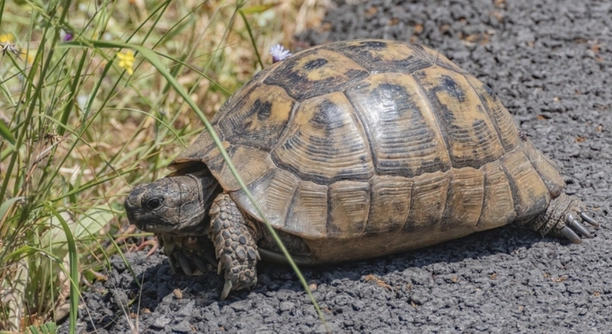
Russian tortoises are beloved pets, but sometimes they struggle to shed their skin properly. When this happens, it can cause discomfort for them. Understanding how to help your tortoise shed smoothly can make a big difference in its well-being.
The most common reason a Russian tortoise may struggle to shed is due to improper humidity levels or lack of proper shedding surfaces. A dry environment or inadequate access to rough surfaces can cause shedding issues, leading to discomfort and potential skin damage.
Knowing how to manage humidity and providing your tortoise with the right surfaces can prevent these issues. Understanding these simple steps will ensure your pet’s health and comfort during the shedding process.
Why Shedding Is Important for Russian Tortoises
Shedding is a natural process that helps Russian tortoises maintain healthy skin. If they don’t shed properly, old skin can get stuck, causing discomfort or even infections. The process of shedding helps them get rid of dead skin cells and grow fresh, healthy ones. It’s essential for their overall health and mobility. When the skin doesn’t shed correctly, it can lead to painful conditions like retained shed, which can restrict movement. This is especially a concern for their limbs, neck, and tail, where skin may become tight and impede their movement.
To avoid this, you should monitor your tortoise regularly, looking for signs of improper shedding like wrinkles or tight patches of skin. Regularly check areas where they shed most, such as around their legs and head. If the skin is stuck, it’s important to help them gently remove it before any complications occur.
Creating the right environment and providing proper care during the shedding process will ensure your tortoise stays healthy. Keeping them in a warm and humid area is key to ensuring successful shedding.
Setting Up the Right Environment
Proper humidity plays a key role in helping your tortoise shed easily.
Russian tortoises come from dry regions, but they still need moisture in the air to shed their skin smoothly. Without enough humidity, their skin can become too dry and hard to shed. Ensure their enclosure is kept at a humidity level of 40-60%. This can be achieved through a water dish, misting, or using a humidifier.
In addition to humidity, the right temperature is crucial. Maintain a basking spot with temperatures around 95°F and a cooler area between 75°F and 80°F. These temperature gradients help mimic their natural habitat, encouraging healthy skin and proper shedding.
Providing the Right Surfaces for Shedding
Russian tortoises need rough surfaces to help them shed properly. Without them, the skin may get stuck. They often use natural surfaces like rocks, logs, and rough sand to help remove dead skin. Adding these to their enclosure allows them to rub their skin against them, which helps speed up the shedding process.
Ensure that the surfaces are clean and smooth to avoid injury. You can also add a shallow dish of sand or dirt where they can dig and rub. These materials mimic the natural environments where tortoises usually shed. Additionally, providing a log or rock to climb over can help encourage movement and aid in skin shedding.
Keep the surfaces in your tortoise’s enclosure well-maintained and free from mold. Regular cleaning will prevent any build-up that could lead to skin irritation or discomfort. By creating a comfortable space with plenty of rough surfaces, you’re helping your tortoise shed effectively and stay healthy.
Bathing Your Tortoise to Help with Shedding
Soaking your tortoise can help hydrate their skin, making it easier for them to shed.
Fill a shallow container with warm water, deep enough for your tortoise to soak in without submerging its head. Bathing helps soften any tough patches of skin, especially around the neck and legs. This makes it easier for the tortoise to remove the dead skin. You should bathe your tortoise a couple of times a week if shedding problems arise.
After the soak, gently rub the skin with a soft cloth or your hands to help the loose skin come off. Be very gentle to avoid hurting your pet. If you notice any stubborn spots, you can also use a damp washcloth to gently wipe them off.
The warm water will also encourage the tortoise to drink, which can help improve hydration. This hydration is important for proper skin health and shedding.
Avoid Overhandling During Shedding
Overhandling can make shedding harder for your tortoise. While some interaction is fine, too much can stress them out. Stress weakens their immune system and may hinder their ability to shed properly. Allow them to go through the process at their own pace without forcing any contact.
When a tortoise is shedding, it’s best to let them be. Excessive handling might cause the skin to tear or get stuck. It can also make them feel unsafe, which can delay the natural process of shedding. Let your tortoise move at its own pace for better results.
Keep an Eye Out for Infection
Infections can occur if skin is left stuck or damaged. Watch for signs like redness, swelling, or sores on the skin.
If these symptoms appear, it’s crucial to take action immediately. Infected areas can be painful for the tortoise and prevent proper shedding. You may need to consult a vet for advice on treating the infection.
FAQ
What should I do if my tortoise is having trouble shedding?
If your tortoise is struggling to shed, the first step is to assess its environment. Ensure the humidity and temperature are at the right levels. Increase the humidity to 40-60%, and make sure the basking area is warm enough (around 95°F). You can also soak your tortoise in warm water to help soften the skin, making it easier to shed. Make sure to offer rough surfaces for them to rub against, like rocks or logs. If these steps don’t help, it may be time to consult a veterinarian.
How often should I bathe my Russian tortoise?
Bathing your tortoise once or twice a week should be enough if they’re having trouble shedding. This helps hydrate their skin and can speed up the shedding process. However, bathing too often can cause stress or skin irritation. Monitor your tortoise and adjust the bathing frequency depending on how they’re doing with shedding. If the problem persists, it’s best to seek professional advice from a vet.
Can I help my tortoise shed by pulling off the skin?
It’s not recommended to pull off the skin manually. Pulling on the skin could lead to injury or infection. Instead, try soaking your tortoise in warm water and offering rough surfaces to help the skin come off naturally. If the skin remains stuck, gently rubbing with a soft cloth can help. Only attempt this after proper soaking and when the skin is soft. If the issue persists, visit a vet for assistance.
How can I tell if my tortoise is stressed during shedding?
Signs of stress in a tortoise can include hiding more than usual, refusing to eat, or displaying defensive behavior like biting. If your tortoise shows any of these signs, it’s a good idea to reduce handling and make sure its environment is calm and comfortable. Too much stress can hinder the shedding process, so providing a quiet, safe space for your tortoise to shed naturally is important.
Is it normal for a tortoise to have difficulty shedding?
It’s not uncommon for tortoises to struggle with shedding, especially if their environment is too dry or if they don’t have the right surfaces to rub against. However, if your tortoise consistently has problems shedding, it could be a sign of an underlying health issue, such as a vitamin deficiency or infection. If you’re unsure, consult a vet to rule out any health problems.
Can I use lotion or oil to help my tortoise shed?
Avoid using lotion or oils on your tortoise, as they can irritate the skin and cause more harm than good. Instead, focus on maintaining the right humidity and providing suitable surfaces for them to rub against. Soaking your tortoise in warm water is the most effective way to help them shed.
How long does it take for a tortoise to shed?
Shedding in tortoises can take anywhere from a few days to a week, depending on the individual and environmental conditions. If your tortoise is properly hydrated, has the right humidity, and has access to rough surfaces, the process may be quicker. However, it’s important to be patient and avoid forcing the skin off.
What should I do if my tortoise has retained shed?
If your tortoise has retained shed, you should try soaking them in warm water to loosen the skin. Gently rub the affected areas with a soft cloth. If the skin remains stuck after soaking and rubbing, it’s important to contact a vet for guidance. Retained shed can lead to infections or discomfort if left untreated.
Can temperature affect shedding in tortoises?
Yes, temperature plays a crucial role in the shedding process. If the temperature in your tortoise’s enclosure is too low, it can cause their skin to become dry and difficult to shed. A basking area should be around 95°F, with a cooler area between 75°F and 80°F. Maintaining these temperature gradients helps encourage the shedding process and keeps your tortoise comfortable.
How do I prevent shedding issues in the future?
To prevent future shedding issues, keep your tortoise’s environment at the right humidity and temperature levels. Regularly provide rough surfaces like rocks and logs to help them shed naturally. Make sure they have a healthy diet, as vitamin and mineral deficiencies can also affect shedding. Regular soaking can also help ensure their skin remains hydrated.
Final Thoughts
Taking care of a Russian tortoise’s shedding process requires attention to its environment, hydration, and overall well-being. By ensuring that the humidity levels in the enclosure are between 40-60% and the basking area is warm enough, you can help your tortoise shed more easily. Additionally, providing rough surfaces for them to rub against, such as rocks or logs, encourages the natural shedding process. These simple steps can prevent most shedding issues and keep your tortoise comfortable during this time.
If you notice that your tortoise is having difficulty shedding despite maintaining the right environment, it’s essential to take action. Soaking your tortoise in warm water can help loosen stubborn skin, and gently rubbing the skin with a soft cloth may assist in removing it. However, it’s important to be patient and avoid pulling off the skin, as this could cause injury. In some cases, the shedding process may take longer, but persistence is key, and the right environment will help it happen naturally. If the skin remains stuck or shows signs of infection, seeking veterinary advice is important.
Overall, the health of your tortoise depends on a balanced environment, proper hydration, and regular care. Understanding the shedding process and making adjustments as needed will ensure that your tortoise’s skin stays healthy and that they can shed properly. With a little patience and attention to their needs, you can help your Russian tortoise thrive and avoid discomfort during the shedding process.

Hello,
If you enjoy the content that we create, please consider saying a "Thank You!" by leaving a tip.
Every little bit helps us continue crafting quality advice that supports the health, happiness, and well-being of pets around the world, for pets of all shapes, sizes, and species.
We really appreciate the kindness and support that you show us!