
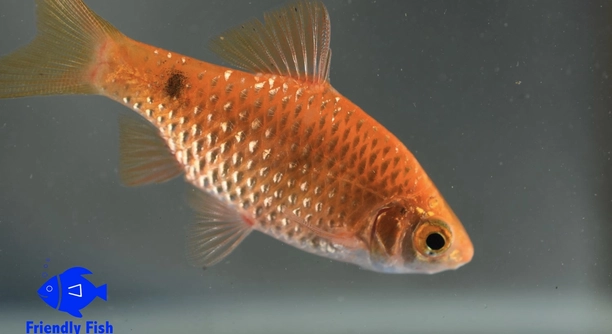
Is your rosy barb suddenly staying still and not moving much in the tank? Many fish owners notice this frozen-like behavior and wonder if something is wrong with their pet. Understanding why this happens can help keep your fish healthy and happy.
Rosy barbs often appear frozen due to stress, poor water conditions, or illness. Low temperatures, lack of oxygen, or disease can cause them to become lethargic and unresponsive. Addressing these factors quickly is crucial to prevent further health decline.
Knowing the reasons behind this behavior can help you take better care of your rosy barb and avoid future problems. The following information will guide you through common causes and solutions to keep your fish active and healthy.
Common Causes of Frozen Behavior in Rosy Barbs
Rosy barbs can freeze in place for several reasons, often linked to their environment or health. One major factor is water temperature. These fish prefer a stable, moderate temperature, usually between 65°F and 75°F. If the water becomes too cold, their metabolism slows down, making them less active. Another common issue is poor water quality. High levels of ammonia, nitrites, or nitrates stress the fish and can cause them to become lethargic or freeze. Stress from overcrowding or aggressive tank mates also affects their behavior. Illnesses such as infections or parasites might make the fish appear frozen as they conserve energy. Watching for changes in water conditions and fish behavior regularly helps catch problems early. Keeping the tank clean and maintaining proper temperature will prevent most of these issues and keep your rosy barb lively.
Regular water testing and tank cleaning are important to avoid frozen behavior caused by poor water quality.
Adjusting the tank environment and observing your fish closely can prevent stress and illness, helping your rosy barb stay active and healthy.
How to Improve Your Rosy Barb’s Environment
A healthy environment is key to preventing frozen behavior. Start by maintaining the correct water temperature, using a reliable heater and thermometer. Ensure the tank is cycled, with proper filtration to keep ammonia and nitrite levels at zero. Regular partial water changes help reduce harmful substances and keep nitrate levels low. Avoid overcrowding your tank; rosy barbs prefer to swim freely and feel less stressed in groups of five or more. Provide hiding spots with plants or decorations to make them feel secure. Monitor tank mates closely to prevent aggression. Feeding a balanced diet with quality flakes or pellets designed for barbs will boost their health. Keeping these conditions consistent will encourage natural activity and reduce the chance of frozen behavior in your fish. A well-maintained tank supports both their physical and mental well-being, making your rosy barb more vibrant.
Signs of Illness in Rosy Barbs
Lethargy and freezing can signal illness in rosy barbs. Look for other signs like faded color, clamped fins, or labored breathing. These symptoms often indicate infections or parasites needing attention.
Common illnesses include bacterial infections, fungal growths, and parasites such as ich. Infected fish may isolate themselves, stop eating, or show white spots. Early detection is vital to prevent spreading and worsening. Treating the tank promptly with appropriate medications can improve recovery chances. Quarantining sick fish helps protect healthy tank mates. Observing behavior and physical changes daily will help you catch these signs early and act quickly to save your fish.
Some illnesses come from stress or poor water quality, so improving tank conditions supports treatment and recovery. Maintaining cleanliness and proper diet strengthens your fish’s immune system, reducing illness risk.
Adjusting Feeding Habits
Overfeeding can make rosy barbs sluggish and prone to freezing. Feeding small amounts once or twice daily prevents uneaten food buildup, which harms water quality.
Choose high-quality food suited for barbs to provide balanced nutrition. Vary their diet with occasional treats like live or frozen brine shrimp or bloodworms to keep them active. Avoid overfeeding, which can cause obesity and digestive problems, weakening the fish. Monitor how much your fish eat and adjust portions accordingly to maintain their health. Consistent feeding schedules help regulate their metabolism, encouraging natural activity levels and reducing frozen behavior caused by discomfort or stress.
Water Temperature and Its Effects
Rosy barbs need stable water temperatures between 65°F and 75°F. Sudden drops or fluctuations can cause them to freeze or become sluggish.
Using a reliable heater and thermometer helps keep the temperature steady, avoiding stress or shock to your fish.
Tank Size and Space Requirements
Rosy barbs are active swimmers that need enough space to move comfortably. A tank smaller than 20 gallons can cause stress and frozen behavior. Providing at least 20 gallons for a small group helps maintain their activity and health.
Common Stress Factors
Stress can come from aggressive tank mates, overcrowding, or loud noises near the tank. Minimizing these factors reduces freezing behavior and keeps rosy barbs more relaxed and active.
Importance of Regular Monitoring
Consistent observation of your fish’s behavior and tank conditions allows early detection of problems. Regular checks help maintain a healthy environment and prevent frozen behavior in rosy barbs.
FAQ
Why is my rosy barb staying still at the bottom of the tank?
When rosy barbs stay still at the bottom, it often means they are stressed, sick, or uncomfortable with water conditions. Low water temperature or poor quality can cause lethargy. Illness or injury might also make them hide or rest near the bottom to conserve energy.
How can I tell if my rosy barb is sick or just resting?
A resting rosy barb usually looks calm but alert, swimming slowly or hovering. A sick fish shows other signs like faded color, clamped fins, loss of appetite, or labored breathing. If your fish stays frozen for long periods and shows physical changes, it likely needs attention.
Can water temperature changes cause my rosy barb to freeze?
Yes, sudden drops or fluctuations in temperature slow their metabolism and cause them to freeze or become inactive. Keeping the water stable between 65°F and 75°F helps avoid this problem.
What water parameters should I maintain for rosy barbs?
Rosy barbs thrive in water with a pH of 6.5 to 7.5, temperature between 65°F and 75°F, and low ammonia, nitrite, and nitrate levels. Regular water testing and changes maintain these conditions and reduce stress.
How often should I feed my rosy barb?
Feed your rosy barb once or twice daily with small portions they can eat in a few minutes. Overfeeding can pollute the tank and cause health issues, leading to freezing or lethargy.
Are certain tank mates better for rosy barbs?
Rosy barbs do well with other peaceful, active fish of similar size. Avoid aggressive or very slow-moving fish, as these can stress rosy barbs and trigger frozen behavior.
Is it normal for rosy barbs to freeze sometimes?
Brief pauses or still moments are normal, especially when resting or adjusting to a new environment. However, prolonged freezing usually indicates a problem like stress, illness, or poor water conditions.
How can I reduce stress in my rosy barb’s tank?
Provide enough space, keep stable water conditions, avoid overcrowding, and choose peaceful tank mates. Adding plants or decorations offers hiding spots that help fish feel secure.
What should I do if my rosy barb looks frozen and won’t move?
Check water quality and temperature immediately. Perform a partial water change if needed, and observe for signs of illness. Quarantine sick fish and consider treatment if symptoms persist.
Can poor diet cause my rosy barb to become inactive?
Yes, an unbalanced or poor-quality diet weakens their immune system and energy levels, causing lethargy and frozen behavior. Feed a varied, high-quality diet to support health and activity.
How long does it take for a sick rosy barb to recover?
Recovery time depends on the illness and treatment. Mild issues may improve in a few days, but serious infections can take weeks. Early detection and proper care speed up healing.
Is it necessary to quarantine new fish before adding them to my tank?
Yes, quarantining new fish for at least two weeks helps prevent introducing diseases that can stress or infect your rosy barbs.
Can lighting affect my rosy barb’s behavior?
Too bright or inconsistent lighting can stress fish, causing hiding or freezing. Use a light cycle that mimics natural day and night, about 8-12 hours of light daily.
Why does my rosy barb sometimes freeze near the surface?
Freezing near the surface can indicate oxygen deficiency or stress. Check aeration and water quality to ensure your fish have enough oxygen.
Is tank size really important for preventing frozen behavior?
Yes, rosy barbs need room to swim freely. Small tanks cause stress and boredom, leading to frozen or sluggish behavior. A tank of 20 gallons or more is recommended for a small group.
Rosy barbs are lively fish that add color and movement to any aquarium. When they start acting frozen or unusually still, it can be worrying. This behavior often points to something in their environment or health that needs attention. Understanding the common reasons behind this frozen behavior helps prevent serious problems. Whether it is water temperature, water quality, stress, or illness, addressing these issues quickly supports your fish’s well-being. Taking time to observe your fish daily and maintaining a stable environment can keep your rosy barbs active and happy.
Water conditions play a huge role in how your rosy barb behaves. Keeping the temperature steady between 65°F and 75°F is important because fluctuations can cause stress or slow their metabolism. Clean water with balanced pH and low toxins like ammonia is essential for their health. Regular water testing and partial water changes help maintain these conditions. Overcrowding and aggressive tank mates add stress and may cause your fish to freeze or hide. Making sure your tank is large enough and filled with peaceful companions encourages natural swimming and social behavior. Providing hiding places with plants or decorations can also make them feel safe and less likely to freeze in place.
Feeding habits and monitoring your fish closely are just as important. Overfeeding can pollute the tank and lead to health issues, while a poor diet weakens their immune system. Feeding high-quality food in small amounts helps maintain their energy and activity levels. Watching for signs of illness, such as changes in color, appetite, or movement, allows early treatment. Some illnesses can cause frozen behavior and need quick action to prevent worsening. In short, consistent care and attention make a big difference in preventing frozen behavior and ensuring your rosy barb stays lively and healthy for years to come.

Hello,
If you enjoy the content that we create, please consider saying a "Thank You!" by leaving a tip.
Every little bit helps us continue crafting quality advice that supports the health, happiness, and well-being of pets around the world, for pets of all shapes, sizes, and species.
We really appreciate the kindness and support that you show us!