
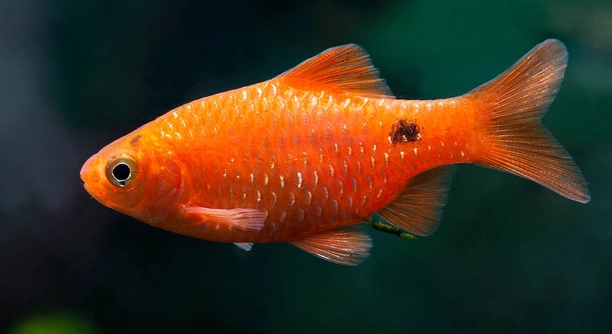
Are your rosy barbs acting sluggish or refusing to eat after feeding them something new? Certain foods can irritate their stomachs, even if they seem harmless at first glance. Knowing which to avoid can make a difference.
Certain foods, such as high-fat meats, white bread, citrus fruits, and starchy vegetables, can upset the digestive systems of rosy barbs. These foods may cause bloating, constipation, or other issues that impact their overall health and energy.
Understanding these potential food triggers will help you make safer, healthier feeding choices for your rosy barbs moving forward.
Foods That May Harm Rosy Barb Digestion
Feeding rosy barbs a healthy diet helps them stay active and vibrant. However, some common foods can cause digestive problems. Fatty meats like bacon or sausage are too rich for their systems and may cause bloating or sluggishness. White bread is another issue. It breaks down into simple sugars that are difficult for rosy barbs to process. Starchy vegetables such as potatoes and corn also put stress on their digestion. These foods don’t belong in their feeding routine, even in small amounts. Instead, focus on foods like blanched spinach, zucchini, or bloodworms. These options are easier to digest and support their health. It’s also important to avoid sudden diet changes, which can lead to digestive upset. Slowly introducing new foods and keeping meals consistent helps them adjust more easily. Stick to ingredients that closely match what they would eat in the wild for the best results.
Fat-heavy and starchy foods may seem harmless, but they often lead to problems like bloating, constipation, and reduced energy in rosy barbs.
Overfeeding is another risk. Rosy barbs are active and curious, so they may keep eating even when full. Feeding them too often or in large portions increases the chance of uneaten food sitting at the bottom of the tank. This leftover food spoils quickly and affects water quality, leading to even more health problems. Uneaten bits may also attract harmful bacteria that disrupt your fish’s digestion. To avoid this, offer small portions and watch how much they eat within two minutes. Remove any leftovers right after feeding. Feeding them once or twice a day in small, measured amounts is enough. You can also set a feeding schedule and stick to it. Rosy barbs thrive on routine, and their bodies respond better to consistency. This approach prevents overeating and gives their stomachs time to rest between meals.
Ingredients to Watch Out For
Feeding processed human foods to rosy barbs is never a good idea. These items usually contain oils, spices, or preservatives that upset their digestion.
Some ingredients are especially harmful. Garlic and onions are toxic to many fish, including rosy barbs. Even in powdered form, they can cause damage to internal organs over time. Citrus fruits like oranges and lemons are too acidic and can irritate their stomach lining. Foods containing dairy, such as cheese or yogurt, should be avoided completely. Fish cannot digest lactose, and dairy products cause bloating or even bacterial imbalances in the gut. Many store-bought fish treats also contain artificial colors or fillers that have no nutritional value. Always read labels before buying fish food. Look for whole ingredients and avoid anything you wouldn’t feed to a freshwater fish in nature. Simpler is safer. Frozen or freeze-dried options like daphnia and mosquito larvae offer variety without causing harm. Thoughtful choices make a difference.
Feeding Too Many Plant-Based Treats
Too many plant-based treats like peas, lettuce, or cucumber can slow digestion in rosy barbs. While these foods seem healthy, overfeeding them leads to bloating and gas. Balance is important when offering plant-based items.
Plant-based treats should only be given in small amounts a few times per week. Even soft vegetables like blanched zucchini or spinach can cause problems if offered too often. These fish need a mix of animal-based protein and limited plant matter to stay healthy. Avoid feeding raw vegetables as they’re harder to digest and may lead to constipation. If you notice your fish swimming awkwardly or showing signs of discomfort, cut back on vegetables and focus on easier-to-digest protein sources like brine shrimp. Peel and chop vegetables into small bits and always remove uneaten pieces right after feeding. This helps reduce waste and avoids upsetting the tank’s water quality.
Too much fiber slows digestion and affects energy levels. If rosy barbs eat plant matter too often, they may appear sluggish or spend more time hiding. Feeding plant-based treats in moderation is key. You can also alternate between vegetables and protein-based foods to give their digestive system a break. Stick to feeding vegetables just once or twice a week, and watch for any signs of discomfort afterward. If they’re bloated or not swimming well, pause the veggies for several days. Always rinse vegetables thoroughly, and never use any with added seasonings or sauces. Keeping their diet simple and balanced prevents long-term digestive issues. Keep an eye on behavior after introducing any new food.
Dried Foods and Their Risks
Dried foods like flakes and pellets may seem convenient, but they often expand in the stomach, causing digestive stress in rosy barbs. This is especially true if the food isn’t soaked beforehand or if overfeeding occurs.
Many dried foods absorb water quickly once inside the fish’s body, leading to bloating and discomfort. To avoid this, pre-soak flakes or pellets in a small cup of tank water for a few minutes before feeding. This allows them to soften and prevents them from swelling up in the stomach. Some low-quality dried products also contain fillers that have little nutritional value, which further disrupts digestion. Feeding these too often can weaken their immune system and lower activity levels. Instead, mix in freeze-dried or frozen alternatives like bloodworms, which offer better nutrition. Offering variety reduces the chance of digestive problems and keeps your rosy barbs active and alert.
Spoiled or Expired Food
Feeding rosy barbs spoiled or expired food can upset their stomachs quickly. Old food loses nutrients and may grow bacteria or mold, which causes bloating, gas, or even internal infections after only one feeding.
Check food containers regularly for changes in color, smell, or texture. If in doubt, throw it out.
Feeding During Stress or Illness
When rosy barbs are stressed or sick, their digestion slows down. Feeding them during these times can make things worse. It’s best to reduce portions or skip feeding for a day. Watch their behavior closely, and wait until they show signs of recovery before offering regular meals again.
Human Snacks and Leftovers
Human snacks and leftovers often contain salt, oils, or additives that irritate fish digestion. Even small bites can harm rosy barbs. Avoid feeding them anything not specifically made for fish. Stick to natural, fish-safe foods only.
FAQ
Can rosy barbs eat fruits like apples or bananas?
Rosy barbs can eat tiny amounts of soft fruits like apples or bananas, but only as an occasional treat. These fruits contain natural sugars that can upset their digestion if given too often. Always peel the fruit, remove any seeds, and chop it into tiny pieces. Offer only one small piece at a time, once every few weeks. Avoid citrus fruits completely, as they are too acidic and can irritate the digestive system. Feeding fruit should never replace their regular diet of fish-safe protein and greens.
How often should I feed my rosy barbs to avoid stomach issues?
Feed your rosy barbs once or twice a day in small amounts they can finish in two minutes. Overfeeding is one of the most common causes of stomach problems. Uneaten food sits in the tank, spoils the water, and adds unnecessary stress to their digestive system. A routine feeding schedule with measured portions keeps them healthy. Skip feeding once a week to give their digestion a break, especially if you’ve noticed signs of bloating or sluggishness.
What are some signs that my rosy barb is having stomach problems?
If your rosy barb is swimming oddly, staying near the bottom, showing a swollen belly, or refusing to eat, it may be having digestive trouble. You might also notice stringy or irregular waste. These signs usually appear within a few hours to a day after eating something that doesn’t agree with them. Stop feeding temporarily and keep the tank water clean. If symptoms don’t improve within a few days, consider consulting a fish vet.
Is it safe to feed rosy barbs live food?
Yes, live food like brine shrimp or daphnia can be safe and healthy for rosy barbs when sourced carefully. Live food provides nutrients and encourages natural hunting behavior, which helps with digestion. However, avoid collecting live food from outdoor sources like ponds, as these may carry parasites or bacteria. Always rinse live food thoroughly before feeding. Offer it once or twice a week alongside other food options for variety without overwhelming their system.
Why is my rosy barb ignoring food that it used to enjoy?
If your rosy barb suddenly avoids food it used to like, it could be due to stress, changes in water conditions, or early signs of illness. Temperature shifts, tank overcrowding, or poor water quality all impact appetite. Check your tank setup and test water parameters. It’s also possible they’re simply bored with the same food every day. Try offering a small portion of a different protein or a blanched veggie to see if interest returns.
Should I fast my rosy barbs if they’re bloated?
Yes, fasting is a good way to help a bloated rosy barb recover. Stop feeding for 24 to 48 hours, and make sure the tank water stays clean and well-oxygenated. During this time, the digestive system has a chance to process whatever is causing the problem. If bloating continues, try feeding a tiny bit of blanched, skinned pea. This can act as a mild natural laxative, but it should only be done once and with caution.
Can poor water quality cause digestive problems in rosy barbs?
Yes, poor water quality directly affects digestion and overall health. High ammonia, nitrite, or nitrate levels stress the fish and slow their metabolism. This makes it harder for them to digest food properly, increasing the risk of bloating and other issues. Perform regular water changes and use a test kit to monitor levels. A clean tank supports not just digestion but also immune function and behavior. Combine good water habits with proper feeding for the best results.
Final Thoughts
Feeding rosy barbs the right way is one of the most important parts of keeping them healthy. These fish have delicate digestive systems, so even small feeding mistakes can lead to stomach problems. While it might be tempting to share bits of human food or try new treats often, it’s better to stick with a balanced, simple diet. Foods high in fat, sugar, starch, or additives should be avoided. These ingredients don’t belong in a rosy barb’s diet and can cause bloating, discomfort, or long-term health issues. Always watch how your fish react to different foods and adjust feeding routines if needed.
Routine matters just as much as food choice. Feeding too often or offering large portions increases the risk of leftovers sitting in the tank, which lowers water quality and leads to digestive stress. A consistent feeding schedule with small, manageable portions is the safest choice. It also helps you monitor their behavior and spot any signs of discomfort early. If your rosy barbs ever seem sluggish, bloated, or uninterested in food, consider skipping a feeding and reviewing recent food changes. Sometimes, just giving their digestive system a short break can make a big difference. Clean water, good food, and regular care all work together to keep your fish active and strong.
Simple foods like high-quality flakes, freeze-dried bloodworms, or blanched vegetables are usually safe when offered in moderation. Avoid anything spicy, oily, processed, or seasoned. Even plant-based treats and fruits should be given only in small amounts. Watch for signs like changes in swimming, appetite, or body shape. These clues help you respond early before a small issue becomes something more serious. Rosy barbs are active, hardy fish, but they depend on their caretakers for proper feeding and tank conditions. Being careful with what you feed them isn’t just about avoiding problems—it’s about supporting their long-term health. Making thoughtful choices today means your rosy barbs can thrive for years to come.

Hello,
If you enjoy the content that we create, please consider saying a "Thank You!" by leaving a tip.
Every little bit helps us continue crafting quality advice that supports the health, happiness, and well-being of pets around the world, for pets of all shapes, sizes, and species.
We really appreciate the kindness and support that you show us!