
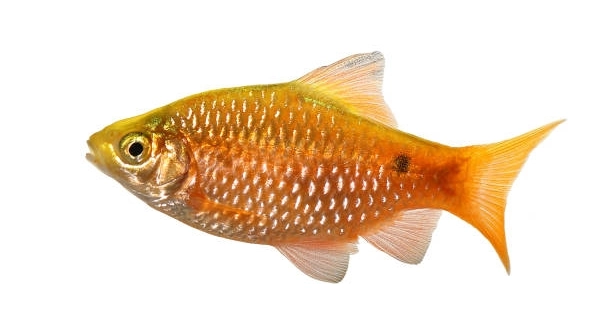
Rosy barbs are lively fish that usually enjoy swimming openly in their tanks. After a tank change, it’s common to notice them hiding more than usual. Understanding why this happens can help you create a comfortable environment for your fish.
Rosy barbs tend to hide after a tank change due to stress caused by sudden environmental shifts. Changes in water chemistry, unfamiliar surroundings, and altered tank layouts can overwhelm their senses, prompting them to seek shelter until they acclimate.
Knowing these reasons will help you manage your tank setup better. It also ensures your rosy barb feels safe and settles in quickly after changes.
Stress Factors After a Tank Change
Rosy barbs can become stressed after a tank change because their environment suddenly feels unfamiliar. Changes in water temperature, pH, and hardness can all contribute to this stress. Even small differences, like new decorations or rearranged plants, can make them feel insecure. Stress often causes them to hide more and eat less. This behavior is natural as they try to protect themselves from potential threats. Keeping the tank stable helps reduce this reaction. Gradual adjustments during the tank change can make a big difference. For example, acclimating the fish slowly to the new water conditions can ease the transition. It is also important to avoid sudden loud noises or sudden light changes near the tank during this time. These steps support your rosy barb’s comfort and help them regain their usual activity levels sooner.
Stress in fish is mainly a response to sudden environmental shifts, including water quality and physical surroundings changes.
Adjusting the tank slowly and monitoring water parameters closely can help reduce stress. Using familiar decorations and plants helps them feel safer. Keeping lighting consistent and avoiding sudden movements around the tank also calms them. Observing your fish’s behavior daily allows you to notice signs of stress early. If hiding continues for too long, check water conditions to ensure they meet the species’ needs. Providing plenty of hiding spots and a quiet area around the tank supports their recovery. Your goal is to recreate a stable environment where your rosy barb can feel secure and return to its normal behavior.
Tank Acclimation Techniques
Acclimating your rosy barb carefully when introducing a new tank reduces stress.
One effective way to acclimate is the drip method, which slowly mixes the new tank water with the water your fish came in. This helps the fish adjust to differences in temperature, pH, and other water chemistry factors. Pour a small amount of tank water into the transport bag every few minutes until the water inside matches the tank water. Avoid adding all water at once to prevent shock. After acclimation, gently release your fish into the tank. Also, make sure the tank is fully cycled before adding your fish, as unstable water conditions can cause stress and health problems. Monitoring parameters such as ammonia, nitrites, and nitrates ensures a safe environment. Keeping a consistent feeding schedule and stable lighting helps your rosy barb settle in quicker. These techniques support their well-being and reduce the chances of hiding behavior after a tank change.
Creating a Safe Environment
Providing plenty of hiding spots helps rosy barbs feel secure after a tank change. Plants, caves, and decorations give them places to retreat.
Hiding spots reduce stress by offering shelter from perceived threats and bright light. Live plants are especially helpful because they create natural cover and improve water quality. Decorations like small caves or tunnels can simulate their natural habitat, encouraging them to explore when ready. Avoid overcrowding the tank with too many items, as it can limit swimming space and increase aggression. A balanced setup helps your rosy barb adjust faster, making them more comfortable and less likely to stay hidden for long periods.
Light levels should be gentle to avoid startling your fish. Using a dimmer light or a floating plant canopy helps diffuse bright light. A quiet area around the tank also reduces sudden noises that might scare them. Keeping the tank in a low-traffic room can make a big difference. These simple changes contribute to a calmer environment where your rosy barb feels safe and can thrive.
Monitoring Water Quality
Regularly testing your tank water is essential for your rosy barb’s health. Parameters like ammonia, nitrite, nitrate, pH, and temperature must stay within safe ranges.
Ammonia and nitrites should be at zero because they are toxic to fish. Nitrate levels should be kept low through regular water changes, ideally below 20 ppm. Rosy barbs prefer a pH between 6.5 and 7.5 and stable temperatures between 72 and 78°F (22 to 26°C). Fluctuations in these factors after a tank change can cause stress and hiding behavior. Using a reliable test kit and keeping a log of results helps catch problems early. Maintaining good water quality supports your fish’s immune system and overall well-being.
Keeping the tank clean by performing partial water changes every week helps maintain stable water parameters. Avoid overfeeding as leftover food can degrade water quality. Proper filtration is also important to remove waste and toxins. A well-maintained environment helps your rosy barb settle more quickly after a tank change and reduces the chance of illness related to stress.
Adjusting Lighting Gradually
Sudden changes in lighting can stress rosy barbs after a tank change. Gradually increasing or decreasing light helps them adjust more comfortably.
Using a timer to control light duration creates a consistent day-night cycle. This stability encourages normal behavior and reduces hiding tendencies.
Feeding Tips During Adjustment
Offer smaller, more frequent meals while your rosy barb adapts. This prevents uneaten food from polluting the water and supports steady energy levels during stress.
Recognizing Normal Hiding Behavior
It’s normal for rosy barbs to hide occasionally, especially after changes. Short periods of hiding help them feel safe and reduce stress.
Avoid Overcrowding
Overcrowded tanks cause competition and stress, making rosy barbs more likely to hide. Keep stocking levels appropriate for your tank size.
FAQ
Why is my rosy barb hiding all the time?
Rosy barbs often hide when they feel stressed or unsafe. Stress can come from water quality issues, sudden changes in tank environment, or aggressive tank mates. If hiding continues for more than a week, check water parameters and tank conditions. Providing plenty of hiding spots helps them feel secure while they adjust.
How long does it take for a rosy barb to stop hiding after a tank change?
Typically, rosy barbs start exploring again within a few days to a week after a tank change. This depends on how gradual the change was and how stable the new environment is. Consistent water quality, proper lighting, and a calm atmosphere speed up their return to normal activity.
Can poor water quality cause hiding?
Yes, poor water quality is a common cause of stress in rosy barbs. High ammonia, nitrites, or sudden pH changes irritate fish and make them seek shelter. Regular testing and water changes are essential to keep water safe and encourage normal behavior.
Should I change water immediately after seeing hiding behavior?
Not necessarily. If water tests show poor conditions, a partial water change can help. However, frequent or large water changes can increase stress. It’s better to monitor water regularly and keep parameters stable to prevent hiding caused by poor water.
Is hiding a sign of illness in rosy barbs?
Hiding alone doesn’t always mean illness, but prolonged hiding combined with other signs like loss of appetite, faded color, or unusual swimming could indicate health issues. In that case, check water quality and consider consulting a vet or fish expert.
How can I reduce stress after a tank change?
Reduce stress by acclimating fish slowly, providing hiding spots, keeping lighting gentle, and minimizing loud noises near the tank. Regular feeding with quality food and keeping a stable environment help them feel safe and healthy.
Will aggressive tank mates cause rosy barbs to hide?
Yes, aggression from other fish can cause shy or smaller rosy barbs to hide more. Ensure compatible tank mates and enough space for all fish. Adding more plants and hiding spots can also reduce conflicts.
Can adjusting the tank layout help my rosy barb feel more comfortable?
Sometimes rearranging decorations and adding plants provides new hiding spots and breaks lines of sight, reducing stress from other fish. Avoid drastic changes all at once—make adjustments gradually to prevent added stress.
Is it okay to turn off the tank lights to encourage hiding fish to come out?
Turning off the lights can make fish feel less exposed, but prolonged darkness isn’t good for their health or plants. Instead, use dim lighting or floating plants to create shaded areas while maintaining a normal light cycle.
How often should I feed my rosy barb during adjustment periods?
Feed smaller amounts two to three times a day while your fish adjusts. Overfeeding can pollute the water and cause more stress. Watch if they eat normally, and reduce feeding if they lose interest.
What is the best water temperature for rosy barbs?
Rosy barbs thrive between 72°F and 78°F (22°C to 26°C). Keeping a stable temperature in this range helps reduce stress and encourages healthy activity and feeding habits.
Do rosy barbs prefer planted tanks?
Yes, rosy barbs appreciate planted tanks because plants offer natural hiding spots and improve water quality. Live plants help simulate their natural environment, making them feel more secure and less likely to hide excessively.
Can adding a tank mate help reduce hiding?
Adding more rosy barbs or compatible schooling fish may encourage social behavior and reduce hiding. Rosy barbs are schooling fish and feel safer in groups. Avoid mixing aggressive species that might increase stress instead.
How often should I test my tank water?
During and after tank changes, test water parameters at least twice a week until the fish show normal behavior. Once stable, weekly testing is usually sufficient to maintain a healthy environment.
What should I do if hiding continues despite good water quality?
If hiding persists but water parameters are fine, review tank setup. Check for overcrowding, aggressive tank mates, or poor lighting. Increasing hiding places and reducing noise around the tank often helps. If no improvement occurs, seek advice from an aquarium professional.
Final Thoughts
Changing a tank can be a stressful experience for rosy barbs. They are sensitive to sudden changes in their environment, which can cause them to hide more than usual. This hiding is a natural response as they try to feel safe while they adjust to new surroundings. Understanding this behavior helps in managing your tank to reduce stress and support their well-being. Small changes to water conditions, lighting, and decorations can make a big difference in how quickly your fish settle in after a tank change.
Maintaining stable water quality is one of the most important steps to keep your rosy barb healthy and less likely to hide. Testing water regularly and making partial water changes when needed keeps toxins low and the environment comfortable. Along with this, providing plenty of hiding spots like plants and decorations allows the fish to feel secure. A calm and quiet area around the tank also helps prevent additional stress. Taking these measures ensures your rosy barb will be more active and confident in its tank.
Patience is key when dealing with shy behavior after a tank change. It may take several days or even a week for your rosy barb to fully adjust and start exploring again. Gradually acclimating your fish to new water and avoiding sudden disturbances can help shorten this period. Feeding smaller meals more often during this time supports their energy without causing water quality problems. By creating a safe, stable environment and giving your fish time, you can expect your rosy barb to return to its lively, social behavior.

Hello,
If you enjoy the content that we create, please consider saying a "Thank You!" by leaving a tip.
Every little bit helps us continue crafting quality advice that supports the health, happiness, and well-being of pets around the world, for pets of all shapes, sizes, and species.
We really appreciate the kindness and support that you show us!