
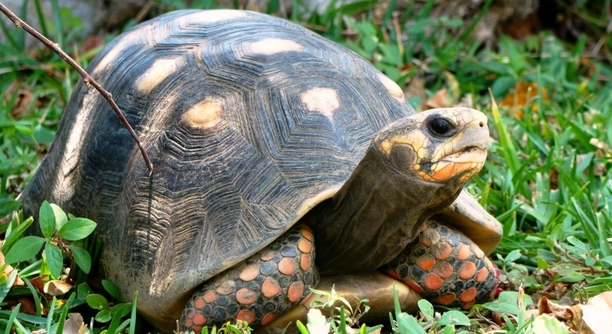
Red-footed tortoises are known for their unique behavior, especially when it comes to water. It’s common for them to avoid water at times. Understanding why this happens can help ensure their health and well-being.
There are several reasons a red-footed tortoise might refuse to go in the water. It could be due to environmental factors, such as water temperature or humidity. Stress, illness, or a lack of proper habitat conditions might also cause this behavior.
Addressing the root cause will help improve their quality of life and encourage a more natural, comfortable behavior.
Understanding Your Tortoise’s Natural Instincts
Red-footed tortoises are generally land-dwelling creatures, but they do require access to water for hydration and soaking. Their behavior can vary depending on several factors, such as their environment, health, or instinctual preferences. It’s important to provide a balanced habitat with enough space for your tortoise to feel secure. Sometimes, if the water isn’t in the right place, or the environment feels unsafe, they may refuse to enter it. The key is ensuring their living space closely mimics their natural surroundings, where water access is not forced but rather a comfortable part of their daily routine.
It’s essential to observe your tortoise’s body language and environmental conditions carefully. Stress from other animals or a sudden change in temperature can lead to avoidance behaviors. Understanding these patterns is crucial for creating a better living space for your pet.
Additionally, ensuring that your tortoise has proper basking areas and a clean, fresh water source can make a noticeable difference in their behavior. This combination of comfort and safety encourages them to use water when needed.
Health Issues That Could Be Affecting Your Tortoise
If your tortoise is refusing water, it could be due to underlying health problems. Conditions such as dehydration, shell rot, or even parasites can affect their behavior. When tortoises are unwell, they may avoid water as a response to discomfort or stress. It’s important to rule out medical issues by checking for signs of illness, such as lethargy, abnormal shedding, or difficulty moving.
A visit to the vet is recommended if health issues are suspected. The vet can examine your tortoise for possible infections, dehydration, or other conditions that could be impacting their natural behaviors. Preventing dehydration is especially important, as red-footed tortoises are more susceptible to it than some other species.
A healthy tortoise, in a comfortable and stress-free environment, is more likely to engage with water regularly. So, addressing any potential health problems early can make a significant difference in their behavior.
Water Temperature and Its Impact
Water that is too cold or too warm can deter your red-footed tortoise from entering it. Ideal water temperature for them is between 75°F and 80°F. If the water feels uncomfortable, they will likely avoid it. Always use a thermometer to monitor water temperature to ensure it stays within the right range.
A water source that is too cold can shock their system, leading them to retreat and avoid it altogether. Likewise, water that is too warm may not feel natural, especially for a species that thrives in more moderate conditions. It’s essential to find the sweet spot for the water temperature to maintain your tortoise’s health and comfort.
By consistently providing water that is within their preferred temperature range, your tortoise is more likely to drink and soak when necessary. This simple adjustment can reduce any reluctance to interact with water and promote better hydration.
Environmental Stress Factors
Changes in environment can cause stress for a red-footed tortoise, which might lead to them refusing water. If there are new objects, loud noises, or other animals around, your tortoise may feel insecure and withdraw. This stress can make them avoid water as a form of coping.
It’s crucial to keep their environment stable and quiet. Avoid introducing new elements too quickly, and give your tortoise time to adjust to any changes. Stress management is key, and a consistent, calm environment helps maintain their well-being.
Creating a predictable routine for feeding, handling, and general care can reduce stress. The more comfortable and secure your tortoise feels in their space, the more likely they are to engage with water and exhibit natural behaviors.
Lack of Proper Water Depth
If the water is too deep, your tortoise may feel unsafe or unable to comfortably enter. Red-footed tortoises prefer shallow water where they can wade or soak without the risk of drowning. Shallow water encourages them to engage with it more often.
Make sure the water level is appropriate for your tortoise’s size. It’s best to have a shallow, wide water dish that allows easy access. Avoid deep water that could intimidate them or cause stress. Providing this type of water setup will encourage your tortoise to use it more frequently.
Habitat Size and Layout
The layout and size of your tortoise’s habitat can also affect how comfortable they feel in the water. If their enclosure is cramped, they may not feel secure enough to approach the water. A spacious habitat with proper hiding spots encourages natural behavior.
Ensure the enclosure allows your tortoise to move freely and access water without obstacles. A larger space can reduce stress and provide more opportunities for your tortoise to interact with water when they choose to. This will help maintain their physical and mental well-being.
Water Source Cleanliness
Keeping your tortoise’s water clean is crucial. Dirty or stagnant water can discourage your tortoise from entering, as it may associate the water with an unpleasant environment. It’s important to change the water regularly to keep it fresh and free from contaminants.
A dirty water dish can lead to bacterial growth, which may cause health issues or discomfort for your tortoise. By ensuring clean water, you make the water more inviting for them. Regular cleaning of the water dish is an easy and effective way to encourage better water use.
FAQ
Why isn’t my red-footed tortoise drinking water?
There could be several reasons your red-footed tortoise isn’t drinking water. One common reason is the temperature of the water being too cold or too hot. Tortoises are sensitive to water temperature, and if it’s uncomfortable, they’ll avoid it. Another possibility is stress from their environment, such as new changes, loud noises, or the presence of other animals. Additionally, health problems like dehydration, shell rot, or parasites can affect their behavior. Ensuring a clean, comfortable, and safe environment can help encourage hydration.
How can I encourage my tortoise to enter water?
To encourage your red-footed tortoise to enter the water, make sure the water temperature is within the ideal range (75°F to 80°F). The water should be shallow and easily accessible, not too deep or intimidating. A calm and quiet environment also helps them feel secure. You might want to add some plants or hiding spots around the water to make it more inviting and give your tortoise a sense of security. Consistently providing clean water also helps.
How often should I change my tortoise’s water?
It’s recommended to change your tortoise’s water at least once a day, especially if it’s used for drinking and soaking. If you notice debris or dirt, change the water immediately. Regular water changes are essential to prevent bacteria buildup and maintain a healthy environment. A clean water source encourages your tortoise to drink and soak more often.
Can a tortoise drink water from a shallow dish?
Yes, a red-footed tortoise can drink from a shallow dish. In fact, many prefer it as it allows easy access to water. Make sure the dish is shallow enough for your tortoise to drink from without difficulty. The key is to ensure the water is fresh, clean, and at an ideal temperature.
Is it okay to soak my tortoise in water?
Yes, soaking your tortoise in warm water can help with hydration and promote healthy digestion. Red-footed tortoises naturally soak in water in the wild, so providing this opportunity in captivity is beneficial. Ensure the water is not too deep, and only soak them for a short period of time, around 10 to 15 minutes. Be sure to supervise them during the soak to ensure they don’t become stressed.
What if my tortoise refuses to soak?
If your red-footed tortoise refuses to soak, it might be due to stress, health issues, or an uncomfortable environment. Check the water temperature to ensure it’s within the ideal range. If the environment is too noisy or there are new changes, your tortoise may avoid the water out of stress. Ensure that their habitat is calm, clean, and safe. If they continue to refuse soaking, consider consulting a veterinarian to rule out any health concerns.
How do I know if my tortoise is dehydrated?
Signs of dehydration in red-footed tortoises can include dry, cracked skin, sunken eyes, lethargy, and a lack of appetite. If you suspect dehydration, make sure they have access to clean water at all times. You can also gently soak them in lukewarm water to help hydrate them. If dehydration persists, it’s important to consult a vet for further treatment.
Can I give my tortoise a water fountain instead of a dish?
A water fountain can be a good option as it helps keep the water circulating and fresh. However, make sure the fountain is not too deep and that the water flow isn’t too strong. Your tortoise should be able to drink and soak comfortably from the fountain. It’s important to clean the fountain regularly to ensure it doesn’t become a source of bacteria or dirt.
Why does my tortoise avoid water even though it’s clean?
If your tortoise avoids water even when it’s clean, there could be other factors at play. They may be stressed due to their environment or changes in their habitat. Sometimes, they may also avoid water if they associate it with unpleasant experiences, such as being forced into it. Try to make the environment more comfortable by adjusting the water temperature and ensuring there’s a quiet, calm space for your tortoise.
Should I use tap water for my tortoise?
Tap water is generally safe for your red-footed tortoise, but it’s important to check for any chemicals or chlorine in the water. In some areas, tap water contains chemicals that could be harmful. If this is a concern, you can use filtered or dechlorinated water. Always ensure the water is clean and free of contaminants before offering it to your tortoise.
Final Thoughts
Understanding why your red-footed tortoise refuses to go into the water is key to ensuring its comfort and health. It’s essential to create an environment where your tortoise feels safe and comfortable. Stress, improper water conditions, and habitat issues are some of the most common reasons why tortoises may avoid water. Ensuring the water is the right temperature, shallow enough for easy access, and free of any contaminants will make it more inviting for them. A calm and quiet habitat with plenty of space will also encourage your tortoise to interact more with the water.
If your tortoise continues to avoid water despite making adjustments, you should consider their overall health. Dehydration, stress, or discomfort can lead to this behavior. Regularly checking your tortoise’s health and making sure they are not showing signs of illness is crucial. If dehydration is suspected, soaking them in warm water for a short period can help. If the problem persists, it’s wise to seek advice from a veterinarian who specializes in reptiles to ensure there are no underlying health issues.
Creating a proper habitat and maintaining good water hygiene are the two most important steps in encouraging your red-footed tortoise to engage with water. Always provide fresh, clean water and avoid overcomplicating the setup. Simple changes, like ensuring the water is the right depth and temperature, can make a big difference. With a little patience and observation, your tortoise will likely start to enjoy the water more, leading to a healthier, happier life.

Hello,
If you enjoy the content that we create, please consider saying a "Thank You!" by leaving a tip.
Every little bit helps us continue crafting quality advice that supports the health, happiness, and well-being of pets around the world, for pets of all shapes, sizes, and species.
We really appreciate the kindness and support that you show us!