
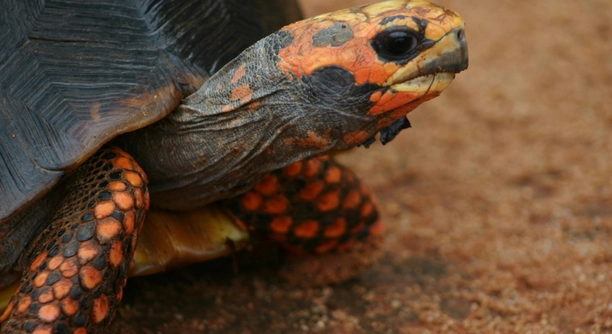
Is your red-footed tortoise constantly pacing, climbing, or trying to escape its enclosure? Restlessness in these reptiles can be concerning, especially if it becomes a frequent behavior. Understanding the causes behind their agitation can help create a more comfortable environment.
The most common reasons for a red-footed tortoise’s restlessness include improper habitat conditions, lack of enrichment, or dietary imbalances. Temperature fluctuations, limited space, and stress from handling can also contribute to increased activity levels and signs of discomfort.
Creating a stable and stimulating habitat will help your tortoise feel secure. Addressing these factors can make a noticeable difference in its overall behavior and well-being.
Incorrect Habitat Conditions
A red-footed tortoise needs a properly sized enclosure with the right temperature, humidity, and lighting. If the space is too small, it may feel confined and restless. Inadequate humidity can cause discomfort, while incorrect temperatures can lead to excessive movement as the tortoise tries to find a suitable spot. Lack of proper UVB lighting may also contribute to stress, affecting overall behavior. Ensuring a well-maintained environment with a temperature gradient, humidity between 70-80%, and a spacious enclosure helps reduce restlessness. Adding hiding spots and natural elements can make the space more comfortable and engaging.
If the habitat setup is not meeting its needs, the tortoise may display signs of stress. This includes frequent pacing, climbing, or attempts to escape. Checking temperature, humidity, and lighting regularly ensures a balanced environment.
Proper habitat adjustments will help your tortoise feel secure. Making small changes, like increasing space or improving humidity, can have a noticeable impact.
Lack of Enrichment
Red-footed tortoises need mental and physical stimulation to stay content. Without enrichment, they may become restless, constantly moving in search of something to do. Adding variety to their environment can help reduce this behavior.
Providing natural elements such as logs, rocks, and live plants can keep your tortoise engaged. Hiding food around the enclosure encourages natural foraging behavior, keeping it mentally stimulated. Rotating decorations and offering different textures prevents boredom. Interactive feeding methods, like placing food inside a hollow log, promote problem-solving. Safe chewable materials also give them something to explore.
Daily activity is essential for a tortoise’s well-being. Without enough movement, it may feel confined and develop stress-related behaviors. A larger outdoor space or supervised time outside the enclosure can help. Even simple changes, like rearranging the habitat, can make a difference. Observing what engages your tortoise most will help create a space that keeps it happy and active.
Improper Diet
A red-footed tortoise requires a balanced diet with the right mix of greens, fruits, and protein. If the diet lacks essential nutrients or is too repetitive, it may cause restlessness as the tortoise searches for something more satisfying or tries to meet its dietary needs.
A varied diet keeps a tortoise healthy and engaged. Leafy greens like collard greens and dandelion leaves should make up most of its meals. Fruits such as papaya and mango can be offered occasionally, while a small amount of animal protein, like cooked eggs or earthworms, supports growth. Feeding at consistent times also helps establish a routine, reducing unnecessary movement caused by food-seeking behavior. Sudden dietary changes or an excess of sugary fruits can lead to digestive discomfort, making the tortoise more active in an attempt to relieve discomfort.
Food placement matters as well. Scattering food throughout the enclosure encourages natural foraging behavior, keeping the tortoise busy. Mixing different textures and colors in meals makes feeding time more engaging. If the tortoise refuses food or constantly searches for more, adjusting the diet by incorporating a wider variety of nutrient-rich foods can help. Monitoring weight and observing behavior after meals ensures its diet is meeting all nutritional requirements.
Temperature Fluctuations
Red-footed tortoises rely on external heat sources to regulate their body temperature. If the enclosure temperature is inconsistent, the tortoise may move excessively, trying to find a comfortable spot. Too much heat can cause overheating, while cold temperatures can lead to constant activity in search of warmth.
The ideal temperature range is 80-90°F during the day, with a basking area around 95°F. At night, temperatures should not drop below 70°F. A reliable heat source, such as a ceramic heat emitter or heat lamp, ensures stability. A temperature gradient allows the tortoise to move between warmer and cooler areas as needed. Without this balance, it may become restless, pacing or digging in an attempt to regulate its body heat.
Using multiple thermometers in different areas of the enclosure helps maintain proper conditions. Seasonal changes can affect temperature levels, so adjustments may be needed. If the tortoise remains active at odd hours or constantly shifts locations, checking temperature consistency can reveal whether fluctuations are contributing to its behavior. Keeping the habitat stable helps prevent unnecessary stress and discomfort.
Stress from Handling
Frequent handling can cause stress, making a tortoise restless. Unlike some pets, red-footed tortoises do not enjoy being picked up often. If handled too much or too roughly, they may become anxious and display excessive movement as they try to retreat to a safe space.
Creating a calm environment helps reduce stress-related restlessness. Letting the tortoise explore on its own terms, rather than forcing interaction, promotes trust. If handling is necessary, keeping sessions short and gentle minimizes discomfort. A consistent routine and a quiet habitat also help the tortoise feel more secure.
Inadequate Space
A small enclosure limits movement, causing frustration and increased activity. Red-footed tortoises need space to roam, dig, and explore. Without enough room, they may constantly pace or attempt to climb the walls in search of more space, leading to potential injuries.
Disruptions in Routine
Changes in feeding schedules, lighting, or habitat setup can make a tortoise uneasy. Even minor adjustments can cause temporary restlessness. Keeping a consistent daily routine helps maintain stability, reducing unnecessary movement.
FAQ
Why is my red-footed tortoise constantly pacing?
Pacing is a sign that something in the tortoise’s environment isn’t right. This could be due to improper habitat conditions, such as temperature fluctuations, humidity issues, or a lack of space. It could also be a sign of stress from handling or lack of enrichment. Addressing these factors can help reduce this behavior.
How can I tell if my tortoise is stressed?
Signs of stress include excessive pacing, digging, or trying to escape the enclosure. If your tortoise becomes more active during the night, or seems unusually restless during the day, it may be reacting to an uncomfortable environment or stress. A stressed tortoise might also refuse food or appear withdrawn.
Can a red-footed tortoise live in a small enclosure?
A small enclosure can lead to restlessness. Red-footed tortoises need space to move, forage, and explore. A cramped environment can make them feel confined, leading to increased activity levels. A larger enclosure allows the tortoise to express natural behaviors and reduces stress-related restlessness.
What should the temperature be for my red-footed tortoise?
The ideal temperature range for a red-footed tortoise is between 80-90°F during the day, with a basking spot around 95°F. At night, the temperature should not drop below 70°F. Maintaining a temperature gradient helps your tortoise regulate its body heat and stay comfortable.
Why is my tortoise not eating?
A lack of appetite can be caused by several factors, such as stress, an improper diet, temperature issues, or illness. If your tortoise refuses food, first check the enclosure’s conditions. If the environment is correct, consider the diet and see if it needs more variety. If the problem persists, a vet visit might be necessary.
How can I stop my tortoise from trying to escape?
If your tortoise is constantly trying to escape, check the enclosure for any potential weak spots or areas where it could climb or squeeze through. It may also be seeking more space or attempting to find a better temperature. Ensuring a comfortable, secure, and spacious environment can reduce escape attempts.
Can red-footed tortoises be kept in pairs?
Red-footed tortoises can sometimes be kept together, but only if they have enough space. Males can become territorial, especially during mating season, and may show aggression toward other tortoises. To prevent conflict, it’s essential to monitor their behavior and ensure there’s enough room to avoid stress or fighting.
How do I keep my tortoise entertained?
Enrichment is important for keeping your red-footed tortoise engaged. Add logs, rocks, or plants to the enclosure. Providing items for foraging, such as hiding food in different areas, encourages natural behavior. Changing the layout of the enclosure occasionally will also keep things interesting for your tortoise.
Is it normal for my tortoise to sleep a lot?
Yes, red-footed tortoises can sleep for long periods, especially during cooler weather or when they feel secure in their environment. As long as the tortoise is eating well, has access to proper light, and isn’t displaying signs of stress, sleeping is a natural behavior.
How often should I feed my red-footed tortoise?
You should feed your red-footed tortoise daily, providing a mix of leafy greens, fruits, and small amounts of protein. Ensure the food is varied to meet their nutritional needs. A healthy, balanced diet supports their activity levels and overall well-being, reducing restlessness.
How can I tell if my tortoise is sick?
If your tortoise is lethargic, has trouble eating, or displays abnormal behaviors such as excessive hiding or pacing, it may be unwell. Discharge from the eyes, mouth, or nose is also a red flag. If you notice any of these symptoms, consult a vet immediately.
Can I handle my tortoise every day?
While it’s okay to handle your red-footed tortoise occasionally, daily handling can lead to stress. Tortoises generally prefer to stay in their environment. If you do handle them, keep sessions short and gentle. Overhandling can cause anxiety and lead to increased restlessness.
What is the best humidity for a red-footed tortoise?
Red-footed tortoises need humidity levels between 70-80%. Too little humidity can cause dehydration, while too much can lead to respiratory problems. Make sure your tortoise’s enclosure has a humid hide and that you mist it regularly to maintain proper levels.
Should I give my tortoise supplements?
Calcium and vitamin D3 supplements are important for red-footed tortoises, especially if they are not getting enough from their food. These supplements support healthy shell growth and prevent metabolic bone disease. However, over-supplementing can cause issues, so follow your vet’s advice regarding dosage.
How can I stop my tortoise from being so active at night?
If your tortoise is active at night, it may be due to temperature or lighting issues. Ensure that the habitat’s nighttime temperature stays within the recommended range, and provide a dark, quiet area for rest. If necessary, reduce handling to allow your tortoise to sleep undisturbed.
Can red-footed tortoises live outside?
Yes, red-footed tortoises can live outside in a secure, controlled environment. However, they need a warm climate and a predator-free area. A fenced outdoor enclosure with areas to hide and bask in the sun can provide natural enrichment. Be mindful of the temperature and shelter in colder weather.
Why is my tortoise always digging?
Digging is a natural behavior for red-footed tortoises, especially if they are trying to create a secure, comfortable spot. If the tortoise is digging excessively, it could be a sign of stress or an attempt to regulate temperature. Providing more space and hiding areas can help reduce this behavior.
Final Thoughts
Red-footed tortoises are unique creatures that require specific care to thrive. If your tortoise is consistently restless, it’s essential to first assess its environment. Factors such as temperature, humidity, and enclosure space all play a crucial role in ensuring your tortoise is comfortable. When any of these aspects are not ideal, restlessness can become a frequent issue. This can lead to excessive pacing, digging, and even attempts to escape. Proper care means setting up a habitat that mimics the natural environment as closely as possible, with space for movement, appropriate temperatures, and humidity levels.
Diet and enrichment are also important. Red-footed tortoises benefit from a variety of food, including leafy greens, fruits, and occasional protein. In addition to food, providing stimulation through objects like logs, plants, or food-hidden areas can help prevent boredom. Without proper mental stimulation, tortoises may become stressed, leading to increased restlessness. Changing the layout of their enclosure every now and then can provide a fresh environment that encourages exploration. Keeping your tortoise engaged can help reduce anxiety and excessive activity, contributing to a calmer, healthier animal.
Lastly, regular check-ups with a vet are important for maintaining your tortoise’s health. If restlessness persists despite addressing environmental factors and enrichment, a health problem may be at play. Signs of illness can include changes in appetite, behavior, or shell condition. A vet will be able to provide advice on diet, habitat, and potential treatments if needed. By carefully managing their environment and health, your red-footed tortoise can enjoy a peaceful, fulfilling life.

Hello,
If you enjoy the content that we create, please consider saying a "Thank You!" by leaving a tip.
Every little bit helps us continue crafting quality advice that supports the health, happiness, and well-being of pets around the world, for pets of all shapes, sizes, and species.
We really appreciate the kindness and support that you show us!