
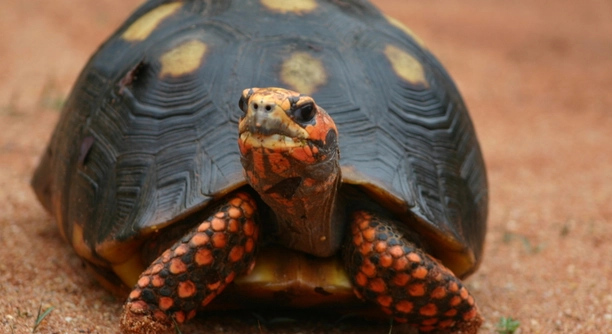
Adopting a Red-Footed Tortoise can be a rewarding experience, but it comes with responsibilities. New environments can cause stress for these reptiles, affecting their health. Understanding how to manage this stress is key to a happy, healthy tortoise.
Reducing stress in a newly adopted Red-Footed Tortoise involves creating a stable environment, providing proper lighting, temperature control, hiding spots, and a balanced diet. Consistent care routines and minimizing sudden changes also help the tortoise adapt more easily to its new home.
By following these tips, you can help your tortoise settle in comfortably and ensure a smooth transition.
Creating a Comfortable Habitat
When setting up your Red-Footed Tortoise’s habitat, it’s essential to provide a space that feels secure and stable. A well-designed enclosure should include a heat source, a UVB light for proper calcium absorption, and a humidity level of 60-80%. These elements mimic the natural environment of the tortoise, reducing stress. The enclosure should be spacious enough for the tortoise to roam comfortably. Overcrowding or a lack of hiding spots can make your tortoise feel exposed and vulnerable, increasing stress.
Keeping the habitat clean and free from mold or bacteria is just as important. Regularly disinfecting water dishes and food areas helps avoid health risks. Make sure to place a shallow water dish in the enclosure, allowing the tortoise to soak. This encourages hydration and relaxation, promoting overall well-being.
Providing a stable, comfortable environment with the proper elements will make a noticeable difference in your tortoise’s stress levels.
Proper Lighting and Temperature
Lighting is one of the most crucial factors in your tortoise’s well-being. Red-Footed Tortoises require UVB lighting to thrive, which helps them metabolize calcium and maintain healthy bones. The temperature in the enclosure should range from 75°F to 85°F, with a basking area reaching up to 95°F.
Consistency is key to their comfort. Sudden temperature changes or improper lighting can disrupt their daily cycles, increasing anxiety. Invest in high-quality bulbs and make sure they are positioned at the correct height for effective UVB exposure. Adding a heat source such as a ceramic heater will ensure warmth during cooler months.
A well-maintained lighting and temperature setup plays a major role in ensuring your tortoise adapts smoothly to its new environment and stays healthy.
A Balanced Diet for a Healthy Tortoise
Offering a variety of fresh vegetables, fruits, and some protein is crucial for your tortoise’s health. A mix of leafy greens like dandelion, collard greens, and mustard greens is recommended, along with occasional fruits such as papaya or strawberries. Avoid high-oxalate vegetables like spinach, as they can affect calcium absorption.
Red-Footed Tortoises also benefit from occasional protein in the form of insects or snails. However, feeding them a protein-heavy diet can lead to health problems, so moderation is important. Providing a calcium supplement twice a week will help support their shell growth and prevent metabolic bone disease.
Maintaining this balance will ensure your tortoise gets the nutrients needed to thrive while reducing stress.
Routine and Stability
Sticking to a consistent routine is essential for your tortoise. Tortoises are creatures of habit, and a sudden change in their environment or care routine can lead to stress. It’s important to feed them at the same time every day and maintain a regular cleaning schedule for their habitat.
A stable routine helps your tortoise adjust more easily to their new home. When your tortoise knows what to expect, they can feel more secure. While the same level of care should be provided daily, be mindful of any changes. Keep track of the temperature and humidity levels to ensure they remain within the recommended range. Over time, a stable environment will lead to a more comfortable and stress-free tortoise.
Hiding Spots for Safety
Tortoises need safe spaces where they can retreat when they feel threatened or stressed. Adding hiding spots in their enclosure, like a small cave or a pile of leaves, can provide a sense of security. These areas allow them to escape from potential disturbances and feel less exposed.
Make sure the hiding spots are large enough for the tortoise to comfortably move inside but small enough to provide a sense of enclosure. Placing these spots in corners or near areas of natural cover will help your tortoise feel protected. Avoid overcrowding their space, as too many items in the habitat may limit access to hiding areas, increasing stress.
Offering these secure spots will give your tortoise a place to relax and retreat, helping it adapt to its new environment.
Regular Interaction and Handling
Though tortoises can be independent creatures, they still benefit from gentle, regular interaction. Handling your tortoise with care helps build trust, but be sure to avoid overstimulation. Spend time in its presence without forcing contact, allowing it to explore at its own pace.
Start by sitting near the enclosure and letting your tortoise come to you, eventually building trust through this passive interaction. If you do handle your tortoise, be gentle and avoid grabbing or rushing them. Handling them too often can create unnecessary stress, so balance is key. Gradually, your tortoise will grow more comfortable with human interaction, and trust will develop over time.
Ensure that your interactions are calm and predictable to reduce stress levels in your tortoise.
Proper Hydration and Soaking
A tortoise’s hydration needs should not be overlooked. Provide a shallow dish of fresh water that’s easy for your tortoise to access. They will often drink and soak in the water, which helps them stay hydrated and relaxed. Hydration is essential for overall health and can reduce stress, especially during the initial adjustment period.
Soaking your tortoise is also beneficial, as it aids in digestion and helps maintain proper hydration levels. During the soaking process, the tortoise can also absorb humidity, which is important for their skin and shell.
Make sure the water is shallow enough for your tortoise to climb in and out easily. Regular access to clean, fresh water and soaking opportunities is crucial in helping your tortoise feel comfortable and safe in its new environment.
Avoiding Loud Noises and Disturbances
Loud noises and sudden movements can startle a tortoise, increasing its stress levels. Keep the enclosure in a quiet area of your home, away from high-traffic zones or loud appliances. This ensures your tortoise feels safe and less likely to react out of fear.
Avoid placing the enclosure near televisions, loud music, or areas where people often shout. Reducing these disruptions helps your tortoise adapt and feel more secure in its new surroundings. A calm, quiet environment promotes relaxation, encouraging a healthy transition into its new home.
Gradual Introduction to New Environments
When introducing your tortoise to its new enclosure, do so gradually. Allow it time to explore and become familiar with its new space at its own pace. A sudden move can overwhelm it, causing stress.
Start by placing your tortoise inside and letting it roam freely within a controlled space. Avoid any abrupt changes in the environment during the first few weeks. By giving it time to adjust, your tortoise will adapt without the added pressure of immediate change. Gradual transitions are key to minimizing stress.
Consistent Diet and Feeding Schedule
A consistent feeding schedule helps your tortoise feel secure. Provide meals at the same time each day and ensure the food is fresh. Stability in this area helps reduce stress, as your tortoise will come to recognize the routine.
Offer a variety of vegetables and fruits to ensure it gets the necessary nutrients. Ensure that the food is cut into manageable pieces to make eating easier. Regular feeding will not only benefit its health but will help establish a comfortable routine for your tortoise.
FAQ
How can I tell if my Red-Footed Tortoise is stressed?
A stressed tortoise might show signs like pacing, excessive hiding, or a lack of appetite. If your tortoise isn’t eating its usual amount or is trying to escape its enclosure, these could be signs of stress. You may also notice that it becomes more withdrawn or avoids interaction. In severe cases, stress can affect its overall health, leading to weight loss or a weakened immune system. Always observe your tortoise’s behavior closely for any changes. If the stress seems prolonged, consult a veterinarian for advice.
What’s the best way to handle my Red-Footed Tortoise?
Handling should be gentle and limited, especially in the beginning. Red-Footed Tortoises are not like pets that enjoy constant interaction. To handle them properly, pick them up slowly from under the body, supporting both the legs and the shell. Avoid grabbing their limbs, as this can cause stress and discomfort. Limit the amount of time you handle your tortoise to prevent overwhelming it. Over time, your tortoise may get used to being handled, but always approach it calmly and with patience.
Can Red-Footed Tortoises be kept together?
While Red-Footed Tortoises can live with others of the same species, it is important to watch their behavior. Sometimes, they can be territorial and may display aggression, especially when it comes to food. If you choose to keep more than one tortoise in the same enclosure, ensure it is large enough to provide plenty of space and hiding spots. Monitor their interactions closely, as stress and fighting can lead to injury or health issues. It’s usually better to house them separately if there’s any sign of aggression.
What temperature is ideal for a Red-Footed Tortoise’s enclosure?
The ideal temperature range for your Red-Footed Tortoise should be between 75°F and 85°F during the day. It’s important to have a basking area that reaches about 95°F. Nighttime temperatures can drop slightly, but make sure they don’t fall below 70°F. A heat source such as a ceramic heat emitter or heat lamp will help maintain these temperatures. Be sure to use a thermostat to keep the temperature steady. Fluctuations in temperature can cause stress and impact your tortoise’s health.
How often should I feed my Red-Footed Tortoise?
You should feed your Red-Footed Tortoise once a day or every other day, depending on its age and health. Younger tortoises may need more frequent meals to support their growth. Offer a variety of leafy greens, vegetables, and occasional fruits. Always remove uneaten food after a few hours to prevent spoilage and mold. Make sure that the food is fresh, and avoid feeding them high-oxalate vegetables like spinach that could interfere with calcium absorption. A consistent feeding schedule will also help reduce stress.
How do I maintain the humidity in the enclosure?
Maintaining proper humidity is crucial for your tortoise’s skin and shell health. The ideal humidity level for a Red-Footed Tortoise enclosure is between 60% and 80%. To increase humidity, you can mist the enclosure with water once or twice a day, especially if the air is dry. You can also add a water dish large enough for your tortoise to soak in, which will help maintain humidity levels. If necessary, you can use a humidifier to keep the air moist. Always monitor humidity levels with a hygrometer to avoid making the habitat too damp, which could cause mold or fungal growth.
Can I let my Red-Footed Tortoise roam outside?
Yes, but only if the weather is warm and safe. Red-Footed Tortoises naturally live in tropical and subtropical environments, so it’s important that the outdoor temperature doesn’t drop below 70°F. Always supervise your tortoise when it’s outside to ensure it doesn’t wander off or come into contact with dangerous plants or predators. Also, make sure the area is secure and free from pesticides. Never leave them outside for extended periods, as this can expose them to stress or danger. A safe outdoor space with proper supervision can be a good addition to their routine.
How can I prevent my Red-Footed Tortoise from getting sick?
A healthy diet, proper hydration, and a stable habitat are key to preventing illness. Ensure your tortoise has access to clean water at all times, and provide it with a well-balanced diet that includes a variety of leafy greens and fruits. Regularly clean the enclosure to prevent bacterial or fungal growth, and maintain proper temperature and humidity levels. If you notice any signs of illness, such as lethargy, difficulty eating, or abnormal shell growth, consult a veterinarian immediately. Keeping a consistent routine and a clean environment will help maintain your tortoise’s health.
Why is my Red-Footed Tortoise not eating?
If your tortoise suddenly stops eating, it could be due to stress, improper temperature, or illness. First, check the habitat’s temperature and humidity levels to ensure they are within the correct range. Stress from changes in the environment or handling can also cause loss of appetite. If the conditions are correct and your tortoise still isn’t eating, it could be a sign of a health issue. If the behavior persists for more than a few days, consult with a veterinarian to rule out any underlying health concerns.
How can I tell if my tortoise’s shell is healthy?
A healthy Red-Footed Tortoise shell should be hard and smooth, without any cracks, soft spots, or deformities. You may notice slight scarring or growth rings, which are normal as the shell grows. However, if the shell appears soft, has visible damage, or develops abnormal growth, this could be a sign of a nutritional deficiency or illness. Regular soaking, a balanced diet, and proper UVB lighting help maintain shell health. If you notice any irregularities, seek professional advice.
Final Thoughts
Taking care of a Red-Footed Tortoise requires a thoughtful approach to their environment, diet, and overall well-being. These tortoises are not high-maintenance pets, but they do need consistent care to thrive. The key is to focus on maintaining proper habitat conditions, such as temperature, humidity, and space. Providing a secure, clean environment will help reduce stress and support their natural behaviors. A healthy tortoise will be more active, have a better appetite, and grow at a steady pace.
Feeding your tortoise the right variety of food is just as important as creating the proper habitat. A balanced diet of leafy greens, vegetables, and occasional fruits will meet their nutritional needs. It’s essential to avoid overfeeding and ensure their meals are always fresh and safe. Offering water for hydration is also necessary, and it’s important to keep their drinking water clean. An appropriate feeding schedule is vital, as consistency helps your tortoise feel secure and less stressed.
While Red-Footed Tortoises are generally hardy, they are still susceptible to stress if their needs are not met. Whether it’s from changes in the environment or improper care, stress can affect their health in the long run. Always keep a watchful eye on their behavior and health. If any changes occur, such as a loss of appetite or increased hiding, it may be time to reassess their care routine. When in doubt, consulting a vet who specializes in reptiles can help keep your tortoise in optimal condition.

Hello,
If you enjoy the content that we create, please consider saying a "Thank You!" by leaving a tip.
Every little bit helps us continue crafting quality advice that supports the health, happiness, and well-being of pets around the world, for pets of all shapes, sizes, and species.
We really appreciate the kindness and support that you show us!