
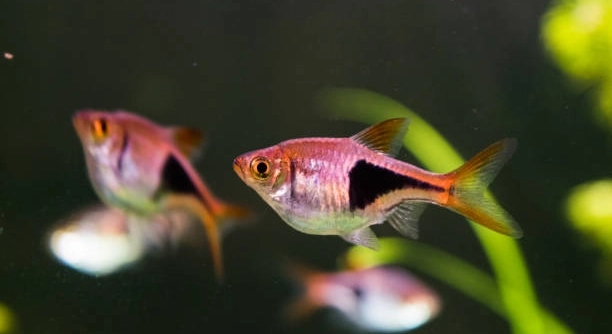
Is your rasbora spending more time at the top of the tank than swimming around? This unusual behavior can be worrying for fish owners who care deeply about their pets’ health and comfort in the aquarium environment.
Floating at the top is often a result of swim bladder issues, poor water quality, or overfeeding. Identifying the underlying cause is essential to restore proper buoyancy and ensure the fish maintains normal swimming patterns and overall health.
Understanding the reasons behind this behavior will help you take appropriate steps for your rasbora’s well-being. Small changes in care can make a noticeable difference in its comfort.
Common Causes of Floating at the Top
Rasboras may float at the top due to swim bladder problems, which affect their ability to control buoyancy. Overfeeding can lead to constipation, putting pressure on the swim bladder and causing the fish to rise. Poor water quality is another factor. High ammonia, nitrite, or nitrate levels can stress the fish, reducing their ability to swim normally. Sudden changes in temperature or pH can also affect buoyancy. Observing your rasbora’s behavior closely can provide clues. Sometimes, the fish may gasp at the surface due to low oxygen levels. Using a reliable water test kit can help maintain a stable environment. Regular water changes and monitoring feeding habits can prevent these issues. Paying attention to tank decorations and ensuring there is enough swimming space can also reduce stress. These small adjustments make a significant difference in restoring normal behavior for your rasbora.
Monitoring water conditions, feeding, and tank environment is essential to prevent recurring floating issues in rasboras.
Floatation problems can be managed by controlling feeding amounts, adjusting water parameters, and providing a stress-free habitat. Ensuring the fish receives a balanced diet with occasional fasting days can relieve swim bladder pressure. Aeration and gentle filtration improve oxygen circulation, helping the fish remain comfortable. Avoid sudden temperature swings and maintain a consistent routine for maintenance. Observing your rasbora daily allows early detection of changes in behavior. If issues persist, consulting a veterinarian experienced with fish can provide guidance.
Treatment and Prevention Strategies
Treating floating involves adjusting feeding and water quality, as these are the main triggers.
A practical approach begins with reducing food intake for a day or two to relieve swim bladder pressure. Feeding smaller, more frequent portions prevents constipation. Incorporating high-fiber foods, such as shelled peas, can aid digestion and buoyancy. Testing water parameters ensures ammonia, nitrite, and nitrate levels remain within safe ranges, as poor water quality exacerbates floating problems. Aeration should be checked to maintain adequate oxygen levels. Maintaining a stable temperature and avoiding sudden changes helps reduce stress. Tank decorations should allow free swimming and resting areas. Regular partial water changes improve overall health and comfort. Observing fish daily allows you to detect early signs of swim bladder issues or illness. If problems continue despite these measures, seeking advice from a qualified aquatic veterinarian can prevent long-term complications. Proper care and attention will help your rasbora regain normal swimming patterns and thrive in its environment.
Observing Behavior for Early Signs
Noticing subtle changes in your rasbora’s swimming can prevent serious issues. Reduced activity, floating at the surface, or struggling to stay upright are key indicators of potential swim bladder problems or stress. Prompt action is important for recovery.
Daily observation helps identify patterns in swimming and feeding behavior. If a fish floats unusually, check water quality, tank temperature, and feeding amounts immediately. Consistency in maintenance, such as regular water changes and controlled feeding schedules, reduces stress. Tracking any sudden changes, including lethargy or gasping at the surface, allows timely intervention. Monitoring social interactions with other fish can also reveal underlying health concerns. Documenting observations ensures you can address issues before they worsen.
Early detection is critical because minor issues can escalate if left unchecked. By maintaining a stable environment and watching for behavioral changes, you can respond quickly. Adjusting diet, water parameters, and tank setup often resolves problems. If floating continues despite changes, a veterinarian can provide guidance. Regular checks and preventive care make a noticeable difference in your rasbora’s long-term health and stability.
Adjusting Feeding Habits
Overfeeding is a primary reason rasboras float at the top. Controlling portion size and feeding frequency prevents digestive strain and swim bladder pressure.
Feeding smaller amounts multiple times a day rather than one large portion reduces constipation risk. High-protein foods should be balanced with vegetables or fiber-rich items to support digestion. Avoiding excess floating flakes or pellets keeps water clean and prevents overeating. Observing the fish during feeding helps ensure it consumes all food without leftover waste. Occasionally fasting the fish for a day can help regulate its digestive system. Adjusting feeding habits also contributes to overall health, buoyancy, and energy levels.
Maintaining consistent feeding routines reduces the likelihood of buoyancy problems. Providing a varied diet with occasional fibrous foods improves digestion and prevents swim bladder complications. Monitoring portion sizes and avoiding sudden dietary changes keeps the fish comfortable. Overfeeding can create long-term issues if ignored, while careful feeding practices support proper growth and activity. Regular attention to diet, alongside water maintenance, ensures your rasbora stays healthy, active, and less prone to floating at the surface.
Water Quality Maintenance
Regular water testing is essential to keep rasboras healthy. Ammonia, nitrite, and nitrate levels must stay within safe ranges to prevent stress and buoyancy problems.
Partial water changes of 20-30% weekly help maintain stable conditions. Removing debris and uneaten food reduces toxins and keeps oxygen levels adequate.
Temperature and Environment
Rasboras are sensitive to sudden temperature changes. Keeping the water consistent within their preferred range prevents stress and floating issues. Stable environmental conditions support normal swimming and overall health.
Using Fiber-Rich Foods
Adding fiber-rich foods like shelled peas can aid digestion. These foods help reduce constipation and pressure on the swim bladder, improving buoyancy and normal swimming patterns for your rasbora.
Monitoring Tank Mates
Aggressive or overly active fish can stress rasboras, causing floating or unusual behavior. Observing interactions ensures a peaceful environment and reduces health risks.
FAQ
Why is my rasbora floating at the top even after water changes?
Floating at the top may persist if swim bladder issues or digestive problems are involved. Water changes alone will not fix overfeeding, constipation, or a bacterial infection. Regular observation and controlled feeding are key to addressing the root cause.
Can overfeeding cause swim bladder problems in rasboras?
Yes, feeding too much can lead to constipation, which puts pressure on the swim bladder. Small, controlled portions and occasional fasting days help maintain proper buoyancy and prevent the fish from floating abnormally.
Is poor water quality the main reason for floating?
Poor water quality contributes to stress, which can worsen buoyancy problems. High ammonia, nitrite, or nitrate levels may affect swimming. Regular water testing, partial water changes, and proper filtration are necessary to prevent floating due to environmental stress.
Can temperature changes affect buoyancy?
Sudden or extreme temperature changes can shock a rasbora, causing stress and irregular swimming. Maintaining a consistent temperature within the species’ preferred range is essential to keep buoyancy and activity levels normal.
How does diet affect swimming behavior?
A diet lacking fiber or containing too many high-protein foods can lead to constipation and swim bladder pressure. Feeding small amounts of a varied diet, including occasional fiber-rich foods like shelled peas, supports proper digestion and buoyancy.
When should I be concerned about floating?
Floating occasionally may not be serious, but persistent floating, struggling to swim, or gasping at the surface indicates a health issue. Immediate attention to feeding, water quality, and tank conditions is necessary to prevent further complications.
Can stress from tank mates cause floating?
Yes, aggressive or overly active tank mates can stress rasboras, affecting their swimming and buoyancy. Ensuring compatible fish species and providing adequate space reduces stress-related floating.
Are there medications to treat swim bladder issues?
Medications are sometimes used if bacterial infections are causing swim bladder problems. However, adjusting feeding, water quality, and environmental conditions usually resolves buoyancy issues without medication. Consult a veterinarian for persistent problems.
Is fasting effective for buoyancy problems?
Fasting for one or two days helps relieve pressure on the swim bladder caused by overfeeding. This practice, combined with high-fiber foods, promotes normal digestion and swimming behavior.
How can I prevent floating in the future?
Consistent feeding schedules, balanced diet, stable water parameters, and stress-free tank conditions prevent buoyancy problems. Regular observation and maintenance ensure your rasbora remains healthy, active, and swims normally without frequent floating issues.
Can water aeration improve buoyancy?
Proper aeration maintains oxygen levels, which reduces stress and supports normal swimming behavior. A well-oxygenated tank helps rasboras stay active and prevents surface gasping that may resemble floating problems.
Does tank size impact swimming behavior?
A cramped tank can cause stress, limiting movement and leading to abnormal buoyancy. Providing enough space for swimming and hiding spots encourages natural behavior and reduces floating caused by environmental stress.
Is constipation the most common cause of floating?
Yes, constipation is often a primary cause of swim bladder issues in rasboras. Monitoring feeding, providing fiber-rich foods, and maintaining water quality are the most effective ways to prevent buoyancy problems.
Can stress alone cause floating?
Stress from sudden changes, poor water quality, or aggressive tank mates can affect buoyancy. Reducing stress through a stable environment, proper tank setup, and careful feeding helps rasboras maintain normal swimming patterns.
Are there signs to detect swim bladder problems early?
Early signs include floating at the surface, tilting while swimming, or struggling to stay upright. Observing these behaviors promptly allows adjustments to diet, water quality, or tank conditions before issues worsen.
How long does it take for a rasbora to recover?
Recovery depends on the cause and severity. Minor overfeeding or constipation may resolve in a few days, while infections or severe swim bladder issues could take weeks with proper care and monitoring.
Can environmental enrichment help reduce floating?
Providing hiding spots, plants, and gentle water flow reduces stress, encourages natural swimming, and supports buoyancy. A well-arranged tank allows rasboras to move comfortably without floating unnecessarily.
Is it normal for young rasboras to float occasionally?
Occasional floating in juveniles can occur as their swim bladder develops. Persistent or severe floating should still be monitored to rule out feeding or water-related problems.
Does the type of food affect buoyancy?
Yes, floating flakes or high-protein pellets can contribute to constipation if overfed. Including fiber-rich foods and soaking dry foods before feeding can improve digestion and prevent floating.
When should I seek professional help?
If floating continues despite proper care, or if the fish shows signs of illness such as lethargy, discoloration, or rapid breathing, consulting a veterinarian experienced with fish is necessary to prevent long-term health issues.
Final Thoughts
Observing a rasbora floating at the top of the tank can be concerning, but it is often a signal that small adjustments in care are needed. Swim bladder issues, overfeeding, and poor water quality are common reasons for this behavior. Addressing these factors early can prevent the problem from worsening. Regular observation of your fish’s swimming patterns, eating habits, and interactions with other tank mates is essential. Keeping track of any unusual behaviors helps identify potential issues before they become serious. Paying attention to daily maintenance, feeding schedules, and tank conditions provides the most straightforward way to support a rasbora’s health. Small changes, such as adjusting food portions, improving water quality, or adding fiber-rich foods, can make a significant difference in restoring normal swimming patterns and buoyancy.
Consistent tank maintenance is equally important. Testing water parameters regularly ensures that ammonia, nitrite, and nitrate levels remain safe. Partial water changes help maintain a stable and clean environment, reducing stress and preventing floating due to poor water conditions. Maintaining a stable temperature within the species’ preferred range also supports overall health and minimizes the risk of sudden stress. Proper aeration and gentle filtration encourage normal swimming and activity, preventing fish from gathering at the surface due to low oxygen. Creating a peaceful tank environment by choosing compatible tank mates further reduces stress, which can impact buoyancy. Simple habits like these help your rasbora stay active, comfortable, and less prone to floating unnecessarily.
Diet management is another crucial factor for long-term health. Overfeeding can cause constipation, which puts pressure on the swim bladder and leads to abnormal floating. Feeding small, controlled portions and including fiber-rich foods, like shelled peas, can help regulate digestion and support proper buoyancy. Occasional fasting days also allow the fish’s digestive system to reset. Observing the fish during feeding ensures that it consumes food efficiently without leaving excess that could degrade water quality. Consistency in diet, along with attentive tank maintenance and stress reduction, provides a complete approach to preventing floating problems. With careful observation, controlled feeding, and a stable environment, your rasbora can regain normal swimming behavior, enjoy a comfortable habitat, and maintain good health over time.

Hello,
If you enjoy the content that we create, please consider saying a "Thank You!" by leaving a tip.
Every little bit helps us continue crafting quality advice that supports the health, happiness, and well-being of pets around the world, for pets of all shapes, sizes, and species.
We really appreciate the kindness and support that you show us!