
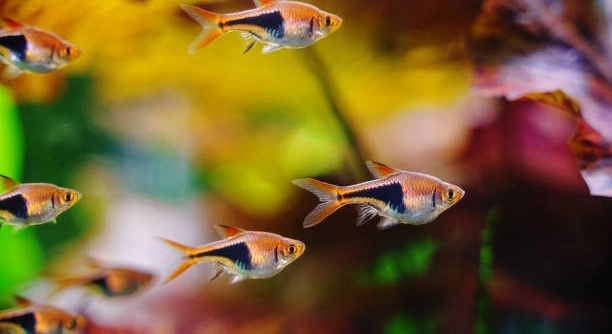
Keeping a calm environment is important for maintaining healthy and happy rasboras in your aquarium. Unexpected or loud noises can cause stress, affecting their behavior and overall well-being. Understanding these stressors helps prevent harm.
Rasboras are sensitive to specific tank sounds, including filter vibrations, pump noises, clinking decorations, tapping on glass, sudden lid movements, air pump bubbles, and external household noises. These sounds disrupt their comfort and can lead to stress responses.
Learning about these common stress-inducing sounds will help you create a more peaceful environment and support your rasboras’ natural behavior.
Filter and Pump Vibrations
Many aquariums rely on filters and pumps to maintain water quality, but the constant hum and vibration can be stressful for rasboras. These fish are small and sensitive, and continuous vibrations from poorly positioned equipment can cause them to hide or swim erratically. Placing filters and pumps too close to the tank walls can amplify the noise and make the water feel unstable. Even minor adjustments, such as adding a sponge or rubber padding under the device, can reduce vibrations significantly. Over time, constant exposure to these noises can affect feeding habits and overall health. Some tanks with strong circulation may create additional water turbulence, which rasboras find unsettling. Choosing quieter equipment and monitoring how your fish respond can help maintain a calm tank environment. Positioning these devices properly ensures that the tank remains clean without compromising the peace your fish need to thrive. Regular observation allows you to detect any signs of stress early.
Filter and pump vibrations are a frequent source of tension for rasboras. Reducing these noises improves their comfort and encourages natural behavior.
Understanding how equipment vibrations affect your fish is essential for long-term tank health. Small changes, like adjusting placement or using vibration-dampening materials, can make a noticeable difference. Quieter pumps help rasboras explore and feed without fear. Over time, consistent noise reduction supports their growth, activity levels, and overall well-being. Monitoring their reactions to different devices ensures the tank environment remains balanced. By observing subtle behavioral changes, you can identify stress triggers and take action early. In addition, combining quieter equipment with proper water flow and circulation creates a stable habitat. Rasboras feel more secure when noise and vibration are minimized, which encourages schooling behavior and reduces hiding. Regular maintenance of pumps and filters prevents sudden loud noises from breakdowns, maintaining a steady, calm environment. Overall, investing in quality equipment and thoughtful placement enhances your fish’s daily experience and keeps the tank peaceful.
Clinking Decorations and Glass Taps
Clinking sounds from decorations or tapping on the glass can startle rasboras. Even small noises from rearranged ornaments may stress them.
Decorations and glass taps produce sharp noises that ripple through the water. Rasboras perceive these as threats, triggering sudden swimming bursts or hiding. Avoid frequent rearrangement and tap lightly if necessary. Smooth surfaces and padded décor can reduce noise transfer, allowing fish to feel secure. Over time, minimizing these disturbances supports natural schooling and reduces stress-related behaviors. Choosing materials that dampen sound, like silicone or resin, instead of ceramic or glass, lowers the impact of minor knocks. Placement of decorations should avoid contact with the tank walls to prevent amplified sounds. Additionally, educating household members about gentle handling around the aquarium can prevent accidental tapping. Observing fish reactions helps determine which areas are noisier, allowing strategic adjustments. With consistent effort, rasboras can remain relaxed even in visually stimulating tanks, promoting health, activity, and peaceful interaction within their group.
Sudden Lid Movements
Sudden lifting or slamming of the tank lid can shock rasboras. Quick movements create vibrations and shadows that make them dart or hide.
Rasboras are sensitive to visual and physical changes in their environment. Opening the lid quickly or dropping it in place produces a sudden noise and disturbance. These small fish may interpret the motion as a threat. Consistently handling the lid roughly can lead to chronic stress, causing reduced feeding and less activity. Slowly lifting the lid and ensuring it fits securely prevents unnecessary shocks. Some lids may rattle or shift unexpectedly, so adjusting them to fit tightly minimizes noise. Observing fish during maintenance helps recognize when movements are too abrupt. Gentle handling maintains tank stability and reassures the fish. Over time, calmer lid use encourages normal swimming and reduces hiding behavior, helping rasboras feel safe.
Repeated lid disturbances can alter schooling patterns and make rasboras less confident. Consistent gentle handling is key to preventing long-term stress.
Proper lid handling improves fish comfort. Even small adjustments, like lifting slowly or adding cushioning, significantly reduce stress. Avoid slamming lids, maintain a secure fit, and monitor behavior for signs of fear. Over time, these practices create a stable and secure environment, letting rasboras swim freely, feed regularly, and interact naturally with their group.
Air Pump Noise
Air pumps often generate a constant bubbling that can unsettle rasboras. The repetitive sound travels through the water, creating an unnatural rhythm that fish notice immediately.
The bubbles produced by air pumps produce both noise and water movement. Rasboras are not strong swimmers, and the persistent motion can make them feel unsafe. Large streams of bubbles may cause fish to expend extra energy to stay in place or trigger hiding behavior. Some air pumps vibrate against the tank walls, amplifying the noise further. Placing pumps on a soft surface or using tubing silencers can reduce intensity. Adjusting bubble flow to a gentle rate minimizes disruption while still providing adequate oxygenation. Observing how rasboras react to bubble patterns allows fine-tuning for comfort. Over time, reducing strong currents and loud bubbling helps maintain natural schooling behavior and lowers stress levels in the tank.
Managing air pump noise is essential for peaceful rasboras. Gentle flow and proper placement preserve their health, comfort, and activity levels, ensuring a calm environment for daily life.
External Household Noises
Loud household activities, like vacuuming or music, can easily stress rasboras. These fish are sensitive to sudden and unfamiliar sounds that travel through walls and floors.
Consistent exposure to household noise can disrupt feeding and schooling patterns. Rasboras may retreat to hiding spots or freeze in response to repeated disturbances. Keeping the aquarium away from high-traffic areas and using sound-absorbing materials nearby can reduce stress and maintain a calmer environment for the fish.
Tap Water Flow
Strong water flow from the tap can startle rasboras during tank maintenance or water changes. Gentle, slow filling prevents unnecessary stress.
Pouring water too quickly creates turbulence and splashes, which small, delicate fish perceive as threats. Using a cup or hose with controlled flow keeps them safe. Gradual acclimation to water changes helps rasboras remain calm and reduces sudden hiding or frantic swimming.
Clinking Feeding Tools
Metal or hard feeding tools often produce sharp sounds when dropped or tapped. Rasboras respond by darting or hiding, increasing stress levels.
Sudden Lighting Changes
Rapid changes in lighting can cause confusion and fear in rasboras. Dim the lights gradually to maintain a calm environment.
FAQ
How can I tell if my rasboras are stressed by tank sounds?
Stressed rasboras often show signs like hiding, erratic swimming, or staying near the bottom. They may also refuse food or appear lethargic. Observing them during noisy events, such as filter operation or water changes, can help identify triggers. Over time, repeated reactions indicate which sounds are most stressful, allowing you to make targeted adjustments.
Which equipment noises are the most stressful for rasboras?
Rasboras react strongly to vibrations from filters, pumps, and air stones. Sudden clanking from decorations or tapping the glass also startles them. Even gentle but constant humming or water flow can cause long-term stress. Using quieter devices and stabilizing equipment reduces these negative effects.
Can I reduce pump and filter vibrations effectively?
Yes. Placing rubber pads or foam under pumps and filters absorbs vibrations. Ensuring equipment does not touch the tank walls also limits noise transfer. Regular maintenance prevents sudden loud operation caused by debris or worn parts. Positioning equipment strategically and checking for rattling helps maintain a stable environment.
How should I handle the tank lid to avoid stress?
Open and close the lid slowly. Avoid slamming or lifting it abruptly, which creates vibrations and shadows that scare fish. Some lids may rattle; securing them tightly or adding cushioning helps. Gentle handling during maintenance keeps rasboras calm and prevents hiding or erratic movement.
Is air pump noise harmful long-term?
Persistent bubbling can stress rasboras if not managed. Adjusting bubble flow to a gentle rate reduces turbulence. Placing the pump on a soft surface and using tubing silencers can further minimize noise. Gradually acclimating fish to mild water movement keeps them comfortable while still ensuring proper oxygenation.
Do household noises affect tank life?
Yes. Loud music, vacuuming, or high-traffic activity can startle fish. Placing the tank in a quieter area and using sound-absorbing mats or furniture reduces impact. Rasboras feel more secure in consistent, calm environments, which promotes feeding, swimming, and natural schooling behavior.
Can feeding routines cause stress through sound?
Metal or hard feeding tools that clink against the tank can trigger sudden hiding. Dropping food too loudly or stirring water abruptly may startle them. Using soft scoops or gently placing food on the surface helps maintain calm feeding sessions. Regular, predictable feeding times also reduce anxiety.
How do lighting changes impact stress levels?
Sudden bright or flickering lights startle rasboras. Gradually adjusting lighting during tank maintenance or daily cycles helps them adapt. Using dimmers or slowly turning lights on and off creates a predictable environment, reducing panic responses. Proper lighting schedules support normal swimming and feeding patterns.
Are decorations a source of stress?
Yes, decorations that clink against glass or each other create sharp noises. Moving decorations too often can scare fish. Choosing padded or soft materials, avoiding contact with tank walls, and limiting rearrangement keeps the tank peaceful. Stable decorations encourage exploration and natural behavior.
What is the overall strategy to reduce tank-related stress?
Identify noisy or sudden disturbances, observe fish behavior, and make adjustments gradually. Use quieter equipment, dampen vibrations, control water flow, and minimize sudden visual or sound changes. Stable lighting, careful maintenance, and predictable feeding routines help rasboras feel secure, allowing them to thrive in a calm environment.
How long does it take for rasboras to recover from noise stress?
Recovery time varies depending on the fish and intensity of stress. Minor disturbances may resolve within hours, while repeated loud noises can take days. Continuous calm, consistent conditions, and reduced vibration or noise exposure allow rasboras to regain normal behavior more quickly. Monitoring activity and feeding provides feedback on their recovery progress.
Can multiple small adjustments make a big difference?
Yes. Even minor improvements, like adjusting pump placement, softening clinking tools, or dimming lights slowly, collectively reduce stress significantly. Over time, these small changes create a peaceful tank environment where rasboras feel secure, feed regularly, and interact naturally with each other.
Is it important to observe fish regularly?
Regular observation is essential. Watching how rasboras respond to equipment, maintenance, or environmental changes helps identify stress triggers early. Prompt adjustments prevent chronic stress, maintaining health and supporting natural behavior. Consistent monitoring ensures that small issues don’t escalate into larger problems that affect overall well-being.
How can I balance necessary equipment with fish comfort?
Choose quiet filters and pumps, position them strategically, and use vibration-dampening materials. Adjust air flow and lighting gradually. Ensure decorations are stable and feeding is gentle. Balancing functionality with minimal disturbance maintains clean water and oxygenation while keeping rasboras calm and healthy.
What signs indicate long-term stress from noise?
Chronic hiding, loss of appetite, erratic swimming, or faded coloration may indicate prolonged stress. Repeated reactions to common tank sounds without recovery suggest ongoing discomfort. Early intervention through noise reduction, equipment adjustment, and gradual environmental changes prevents lasting effects and promotes long-term health.
Final Thoughts
Maintaining a calm and stable environment is essential for the health and well-being of rasboras. These small fish are highly sensitive to noise and vibrations in their tanks, and even seemingly minor disturbances can cause stress. Over time, consistent exposure to loud or sudden sounds may affect their behavior, feeding, and overall activity. By understanding which common tank sounds stress rasboras, you can take practical steps to reduce these disturbances. Paying attention to equipment like filters, pumps, and air stones, as well as external household noises, allows you to create a more peaceful space for your fish. Small adjustments in placement, padding, and flow rates can have a significant impact on reducing stress levels.
Observation is a key part of managing tank stress. Watching your rasboras closely during maintenance, feeding, or when new equipment is added can help you recognize early signs of discomfort. Hiding, erratic swimming, or refusal to eat are clear indicators that something in the environment may be causing stress. Once you identify the source, you can make targeted changes, such as adjusting filter vibration, controlling air pump bubbles, or minimizing clinking decorations. Even gradual improvements, like slowly dimming lights or opening the tank lid carefully, can make a noticeable difference. Regular observation ensures that problems are addressed quickly before they develop into long-term issues. Maintaining a consistent routine also helps rasboras feel secure and encourages natural behavior.
Creating a comfortable and quiet environment for rasboras requires attention to both the aquarium setup and daily interactions. Choosing quieter equipment, softening noises, and limiting sudden changes in lighting or movement can greatly enhance their quality of life. Predictable feeding routines and careful handling reduce unnecessary stress, while stable decorations and water flow allow the fish to explore and school naturally. Every small adjustment contributes to a calmer tank, supporting healthier and more active rasboras. By being mindful of the sounds and vibrations in the tank, you can help ensure that your fish remain happy, stress-free, and able to thrive in their aquatic home for years to come.

Hello,
If you enjoy the content that we create, please consider saying a "Thank You!" by leaving a tip.
Every little bit helps us continue crafting quality advice that supports the health, happiness, and well-being of pets around the world, for pets of all shapes, sizes, and species.
We really appreciate the kindness and support that you show us!