
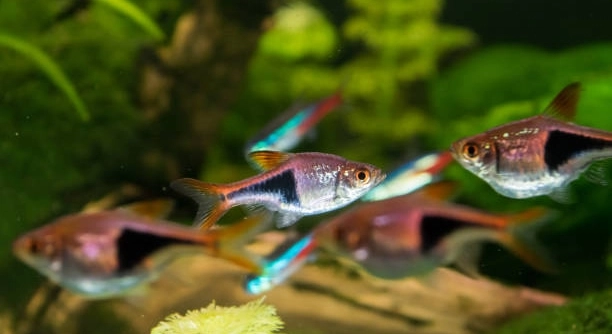
Many aquarium owners enjoy watching their rasboras swim gracefully through the water. Yet, when the lights turn on, these small fish often scatter quickly, surprising many who expected calm, peaceful movement from their tank.
Rasboras scatter when lights turn on due to their natural instinct to avoid sudden disturbances. Bright light triggers a stress response, causing them to swim rapidly in different directions as a protective mechanism against potential threats.
Observing this behavior can help you create a calmer environment and better understand your fish’s daily habits and reactions.
How Light Affects Rasbora Behavior
Rasboras are sensitive to changes in light, and their reactions are rooted in survival instincts. Sudden illumination can startle them, making them dart to corners or hide among plants. In nature, bright flashes might indicate a predator nearby, so these fish have evolved to respond quickly. Even gradual changes in lighting can influence their swimming patterns. Observing your tank, you might notice that rasboras prefer shaded areas during the day or near floating plants that diffuse light. This behavior is normal and not a sign of illness. Providing a consistent light schedule and softening harsh light can help reduce panic movements. Watching how they adjust can be fascinating and helps you better cater to their needs. Over time, the fish may seem calmer as they grow accustomed to your aquarium’s environment. Their reactions remain instinctive but less frantic with proper lighting.
Light sensitivity varies by species, but all rasboras benefit from gradual illumination adjustments.
A well-lit tank is visually appealing but can stress sensitive fish. Using dimmers or partial covers allows them to adapt naturally, creating a more peaceful environment. Observing these behaviors helps maintain a healthy aquarium and ensures your fish feel secure while you enjoy their movements without constant chaos.
Tips to Reduce Scattering
Keeping the light gradual instead of sudden can help.
Using a timer for your aquarium light is an effective way to prevent sudden disturbances. Turning lights on and off gradually mimics natural sunrise and sunset patterns, reducing stress for the fish. Adding floating plants or decorations that diffuse light can create shaded areas, allowing rasboras to adjust slowly. Avoid tapping the glass or making abrupt movements near the tank during lighting changes, as this can intensify scattering. Monitoring their behavior over days or weeks helps you see what adjustments work best, and small environmental tweaks can make a significant difference. Maintaining a consistent schedule and gentle lighting not only keeps rasboras calmer but also promotes healthier swimming patterns. Over time, you’ll notice that the fish spend more time in the open, moving naturally rather than darting frantically. These adjustments create a more enjoyable viewing experience while respecting the fish’s natural instincts.
Feeding Time Reactions
Rasboras often scatter when food is introduced, even if the tank light is steady. Their quick movements are driven by both excitement and caution, balancing hunger with the instinct to avoid potential danger. Observing their feeding habits reveals these natural behaviors clearly.
During feeding, rasboras can dart in different directions, sometimes creating a chaotic scene in the tank. This behavior is normal and shows their alertness as small prey fish. They swim fast to grab food while remaining ready to hide if anything feels threatening. Over time, patterns emerge, showing which areas of the tank they prefer and how quickly they adapt to feeding routines. Noticing these patterns can make feeding more enjoyable and predictable, reducing stress for both the fish and the caretaker. Feeding small amounts gradually can encourage calmer, more coordinated movements and prevent overcrowding in certain tank areas.
Scattering during feeding also reflects their natural schooling instincts. Rasboras often move together, then quickly change direction to mimic predator evasion. Understanding this behavior helps in planning feeding schedules and tank layout. Providing multiple feeding spots or floating food allows the fish to distribute themselves and reduces sudden bursts of movement. Watching their interactions can be rewarding and gives insight into their social dynamics. Over time, a consistent routine creates a calmer environment, and the fish can feed with less frantic movement, showing a balance between instinct and adaptation.
Tank Setup and Hiding Spots
Adding plants and decorations can significantly reduce scattering. Rasboras feel safer with places to retreat, and even simple structures can lower stress levels in the aquarium.
Plants and decor create shaded areas and break up open water, giving rasboras a sense of security. When the tank has hiding spots, sudden light changes or movement outside the tank are less likely to trigger panic. Floating plants, tall stems, and small caves mimic natural environments, helping the fish feel comfortable. Observing their preferences for certain areas can guide adjustments, ensuring that all fish have accessible refuges. Over time, a well-structured tank reduces frantic swimming and allows the school to maintain cohesion.
Spacing out hiding spots evenly improves fish distribution, preventing overcrowding and competition for shelter. Strategically placing plants near open areas encourages natural swimming patterns while still offering quick retreats. Regularly updating tank layout with new plants or rearranged decorations can maintain interest and reduce stress. Hiding spots also serve as resting areas, letting rasboras feel safe during periods of inactivity. Watching how they interact with these spots reveals their personalities and social hierarchy. Consistent tank setup with ample shelter leads to calmer schooling behavior, minimizing sudden scattering while maintaining a healthy, active environment.
Schooling Behavior
Rasboras naturally swim in schools, which makes them highly reactive to sudden changes. When lights shift or movements occur nearby, the whole group often scatters together as a protective measure, staying alert to potential threats.
Schooling also helps them navigate the tank efficiently. By sticking close together, rasboras can react quickly to environmental changes. This collective movement reduces the chance of a single fish being singled out, reflecting instincts carried from their natural habitats. Watching the school respond as one unit can be fascinating and offers insight into their social dynamics.
Water Conditions
Stable water parameters are crucial for calm behavior. Sudden changes in temperature, pH, or chemical levels can trigger stress responses, including scattering. Maintaining consistent water quality reduces unnecessary panic and supports healthy schooling behavior.
Gradual Light Changes
Introducing light gradually in the tank can prevent sudden scattering. Using timers or dimmable lights allows rasboras to adjust slowly, minimizing stress and promoting natural swimming patterns.
Observation and Adjustment
Regularly observing rasboras helps identify triggers for scattering. Adjusting lighting, feeding, and tank layout based on their behavior ensures a calmer and healthier environment for the fish.
FAQ
Why do rasboras scatter when I turn on the aquarium light?
Rasboras scatter because sudden light is perceived as a potential threat. Their instinct is to avoid danger, so they dart to corners or hide behind plants. This reaction is natural and shows they are alert and aware of their surroundings. Gradual light changes can help them feel calmer.
Is it normal for rasboras to panic during feeding?
Yes, this is normal. Rasboras balance hunger with caution, which can make them dart quickly while trying to grab food. Providing small amounts at different spots reduces chaos and lets them feed without overwhelming stress. Consistent feeding routines also help them adjust to predictable patterns.
Can tank decorations reduce scattering?
Absolutely. Plants, caves, and floating items create shaded areas and hiding spots. These features make rasboras feel secure, lowering stress during sudden light changes or nearby movement. Observing which areas they prefer can guide placement and improve overall comfort in the tank.
How do schooling behaviors affect scattering?
Rasboras swim together for safety. When one fish reacts to a sudden stimulus, others often follow, causing the entire school to scatter. This coordinated response protects individuals from predators. Understanding this helps explain why even a small disturbance can trigger fast, group-wide movements.
Do water conditions impact their reactions?
Yes, unstable water conditions can heighten stress. Rapid temperature shifts, improper pH, or chemical changes make rasboras more reactive, increasing scattering. Maintaining stable water parameters keeps the fish comfortable and reduces unnecessary panic, helping them swim naturally and stay healthy.
Will gradual light changes make a big difference?
Gradual light transitions are very effective. Using dimmable lights or timers mimics natural sunrise and sunset, allowing fish to adapt slowly. This reduces the likelihood of sudden panic and supports calmer swimming behavior. Over time, the school learns the pattern and reacts less frantically.
Are some rasbora species more sensitive than others?
Yes, sensitivity varies by species. Some prefer dimmer environments and more hiding spaces, while others tolerate brighter tanks better. Researching your specific type helps tailor lighting and tank setup to their needs, ensuring a less stressful environment and minimizing scattering incidents.
Can sudden outside movements affect their behavior?
Definitely. Rasboras are alert to activity outside the tank, such as shadows, hand movements, or tapping on glass. These can trigger instant scattering. Minimizing abrupt disturbances near the tank helps the fish feel secure and allows for calmer swimming throughout the day.
How long does it take for rasboras to adapt to new lighting?
Adaptation varies but usually takes several days to a couple of weeks. Gradual exposure, consistent schedules, and sufficient hiding spots help them adjust. Watching their reactions during this period helps identify whether adjustments are effective or if further changes are needed.
Can I train rasboras to be less skittish?
While you can’t completely remove instinctive reactions, consistent routines, gentle lighting, and minimal sudden disturbances reduce panic over time. Observing their patterns and providing a safe, predictable environment encourages calmer behavior without compromising their natural instincts.
Do rasboras scatter more at certain times of the day?
Yes, early morning or late evening transitions can trigger more movement if light changes are abrupt. Mimicking natural day-night cycles with timers and gradual light shifts reduces scattering, creating a more predictable routine and supporting their natural circadian rhythm.
Will overcrowding increase scattering?
Overcrowding adds stress and competition, making rasboras more reactive. Providing adequate space, hiding spots, and careful monitoring of tank population helps minimize frantic movements and keeps the school calmer and healthier.
Is scattering a sign of illness?
Not usually. Scattering is primarily a response to stimuli, light, or environmental changes. However, constant erratic swimming combined with other signs like clamped fins, discoloration, or lethargy may indicate health issues. Monitoring behavior alongside physical signs ensures timely attention if needed.
How can I make my tank more comfortable for rasboras?
Use gradual lighting, stable water conditions, ample hiding spots, and consistent feeding schedules. Observing their behavior helps refine these adjustments. A calm environment encourages natural schooling, reduces scattering, and keeps the fish healthy and active throughout the day.
Do rasboras prefer certain tank areas during light changes?
Yes, they often seek shaded or covered areas when lights turn on. Floating plants, tall stems, and decorations provide shelter. Recognizing preferred zones allows better tank setup and reduces frantic swimming during sudden illumination.
Can tank mates affect scattering behavior?
Yes, the behavior of other fish influences rasboras. Aggressive or fast-moving species can trigger panic. Selecting compatible, calm tank mates ensures a stable environment, preventing unnecessary stress and maintaining natural schooling patterns.
What’s the best way to introduce new fish without causing chaos?
Introduce new fish gradually, allowing acclimation in a separate container before release. Ensure hiding spots are available. This prevents sudden reactions from existing rasboras and reduces scattering while maintaining harmony in the school.
How often should I monitor their reactions to light and environment?
Daily observation is ideal. Noting behavior patterns helps identify stress triggers and informs adjustments to lighting, feeding, or tank setup. Regular monitoring ensures a calm, healthy environment and supports the long-term well-being of your rasboras.
Do seasonal changes affect scattering?
Seasonal temperature or daylight shifts can influence behavior. Mimicking natural day-night cycles and maintaining stable water conditions helps mitigate sudden scattering, keeping fish comfortable despite external changes.
Is scattering completely avoidable?
No, scattering is a natural instinct. You can reduce frequency and intensity with gradual lighting, secure tank setup, and consistent care, but some quick movements will always occur. Accepting this behavior as normal helps you provide a supportive environment.
Rasboras are small, lively fish with instincts that have developed over thousands of years. Their reactions to sudden light, movements, or environmental changes are natural and should not be seen as abnormal. When the lights turn on, scattering is simply their way of protecting themselves. This instinctive behavior shows that they are alert and aware of their surroundings, which is an important part of their survival. By understanding that these reactions are a normal part of their behavior, it becomes easier to create a tank environment that meets their needs and reduces unnecessary stress. Watching them react to light or other changes can also give valuable insight into their personalities and social interactions within the school. Over time, observing these behaviors can help you better plan tank setup, feeding routines, and lighting schedules to keep them comfortable.
Providing hiding spots and shaded areas in the tank is one of the most effective ways to reduce scattering. Plants, decorations, and floating items give rasboras a sense of security and allow them to retreat when they feel threatened. Even simple arrangements can make a noticeable difference in their behavior. Schools of rasboras often scatter together, so the whole group benefits from having safe zones to hide in. Careful tank design can make daily routines, like turning on the light or feeding, less stressful for them. Gradual light changes using timers or dimmable lighting, consistent feeding schedules, and stable water conditions all work together to reduce sudden panic. Observing which areas the fish prefer for hiding also helps refine the tank layout, ensuring that all members of the school have access to safe spaces. A well-thought-out environment supports calmer swimming patterns and improves overall health.
Even with all precautions, scattering will never be completely eliminated, and it does not need to be a cause for concern. It is a natural expression of their instincts, and some bursts of movement will always occur when they feel startled. The goal is to minimize stress by creating a predictable, secure environment. By maintaining stable water parameters, using gradual lighting, and providing plenty of hiding spaces, you can create a tank where rasboras feel safe and behave more calmly. Paying attention to their reactions allows for small adjustments that make a big difference over time. Ultimately, understanding their behavior and adapting the environment accordingly ensures that your rasboras can thrive, swim freely, and display their natural schooling instincts without unnecessary panic. This approach not only benefits the fish but also makes keeping them a more enjoyable and satisfying experience.

Hello,
If you enjoy the content that we create, please consider saying a "Thank You!" by leaving a tip.
Every little bit helps us continue crafting quality advice that supports the health, happiness, and well-being of pets around the world, for pets of all shapes, sizes, and species.
We really appreciate the kindness and support that you show us!