
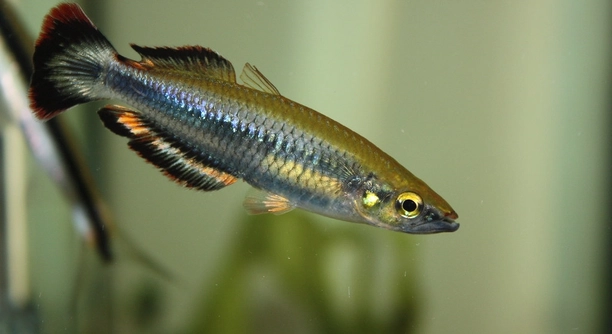
Is your rainbowfish not reaching the size you expected despite proper care? Many aquarists face this issue, observing their fish remain small and inactive even after months of attentive feeding and maintenance in a home aquarium.
The primary reasons rainbowfish fail to grow include inadequate nutrition, insufficient tank space, poor water quality, and stress caused by overcrowding or incompatible tank mates. Addressing these factors is essential to promote healthy growth and overall well-being.
Correcting these conditions can help your rainbowfish thrive and reach its full potential, ensuring a vibrant and healthy addition to your aquarium.
Common Causes of Stunted Growth
When I first noticed my rainbowfish staying small, I reviewed everything about their environment. One major factor is diet. Rainbowfish require a varied diet rich in proteins and nutrients. Feeding only flakes or a single type of food can slow growth. Another important factor is tank size. Small tanks limit swimming space, which directly affects development. Water quality also plays a huge role. High ammonia or nitrate levels stress fish and inhibit growth. Stress from overcrowding or aggressive tank mates can cause a fish to hide and eat less, further slowing growth. Even lighting and temperature fluctuations impact metabolism. Maintaining consistent, optimal conditions helps your fish use energy for growth rather than survival. Observing behavior and checking water parameters regularly allows you to make timely adjustments. Over time, correcting these issues leads to noticeable improvements in size and vitality.
Proper nutrition and a stable environment directly support healthy growth in rainbowfish. Consistency is key.
Adjusting diet, tank size, and water quality often produces visible growth improvements. Careful monitoring ensures your rainbowfish thrives.
Importance of Water Quality
Maintaining clean, stable water is critical for rainbowfish health. Regular water changes prevent toxic buildup.
Water quality directly influences growth, immune function, and activity levels. Poor conditions can stunt development and shorten lifespan. Regular testing and filtration help maintain safe levels of ammonia, nitrite, and nitrate.
Monitoring water conditions daily may feel tedious, but it has a significant effect on your fish’s size and overall well-being. Temperature should remain stable, usually between 24–28°C, and pH should be within 6.5–7.5. Hard water or sudden chemical changes can shock your fish, slowing growth. Consistent filtration and partial water changes reduce harmful substances, creating a safer environment. Avoid overfeeding, as leftover food decomposes and worsens water quality. Even seemingly minor fluctuations can stress rainbowfish, making them more prone to illness and stunted growth. By prioritizing water quality, you give your fish the best chance to develop fully, showing brighter colors and more energetic behavior over time. Regular attention and care yield long-term rewards.
Tank Size and Space
A small tank limits swimming, which directly affects a rainbowfish’s growth. Crowded conditions reduce activity and increase stress, slowing development.
Rainbowfish need space to swim freely. Inadequate tank size confines movement, limiting muscle growth and overall size. Overcrowding also increases waste, raising ammonia and nitrate levels, which further stress the fish. Providing at least 30 gallons for a small group allows them to exercise, display natural behaviors, and eat comfortably. Larger tanks support proper social structure, reduce aggression, and encourage activity, all of which contribute to healthy growth. Regular observation helps ensure the tank remains spacious enough as the fish grow.
Open, well-structured tanks allow rainbowfish to swim without restriction. Ample space reduces stress and promotes energy use for growth rather than survival.
Nutrition and Feeding
Rainbowfish require a balanced diet to grow properly. Feeding only one type of food can stunt development.
A varied diet rich in protein, vitamins, and minerals supports healthy growth. Flakes, pellets, frozen or live foods such as brine shrimp, daphnia, and bloodworms provide essential nutrients. Rotating food types prevents deficiencies and encourages appetite. Overfeeding should be avoided, as uneaten food pollutes the water and creates toxic conditions. Feeding small amounts multiple times a day ensures the fish receive proper nutrition without overwhelming the tank. Observing feeding behavior helps identify if some fish are not eating enough. Proper nutrition paired with a clean environment significantly improves growth rates.
Consistent feeding and nutrient variety allow rainbowfish to reach their full size potential. Adjust portions to avoid leftover food and maintain water quality.
Stress and Tank Mates
Aggressive or overly active tank mates can stress rainbowfish, slowing growth. Peaceful companions encourage healthy behavior and eating habits.
Stress affects metabolism and appetite. Rainbowfish that hide or are constantly chased may eat less, resulting in smaller size. Choosing compatible species reduces tension and supports proper development.
Temperature and Environment
Rainbowfish thrive in stable temperatures between 24–28°C. Sudden fluctuations can stunt growth and cause illness. Maintaining consistent lighting and gentle water flow replicates natural conditions, supporting metabolism and activity levels. A stable environment allows energy to be used for growth rather than coping with stress, improving overall health.
Monitoring and Adjustments
Regularly checking water quality, diet, and behavior ensures rainbowfish remain healthy. Timely adjustments prevent stunted growth and promote vitality.
FAQ
Why is my rainbowfish still small even with proper feeding?
Even with proper feeding, growth can be limited by stress, tank size, or water quality. Rainbowfish need a stable environment, consistent water parameters, and enough space to swim. Overcrowding or aggressive tank mates can prevent them from eating enough or moving freely, slowing growth despite adequate nutrition.
Can water changes improve growth?
Yes, regular water changes remove toxins and maintain a stable environment. Rainbowfish are sensitive to ammonia and nitrate buildup, which stress them and reduce metabolism. Partial water changes of 20–30% weekly help keep water safe and promote healthy growth. Filtration and careful monitoring complement this process.
How important is tank size for growth?
Tank size directly affects swimming space and stress levels. Small tanks restrict movement, limit muscle development, and increase competition for food. A minimum of 30 gallons is recommended for a small group, with more space needed as the fish grow. Open space encourages activity and healthy growth.
What types of food help rainbowfish grow faster?
A varied diet is essential. High-protein foods such as brine shrimp, bloodworms, and daphnia support muscle development. Flakes and pellets fortified with vitamins and minerals complement live or frozen foods. Rotating food types prevents nutrient deficiencies and maintains appetite. Overfeeding should be avoided to prevent water pollution.
Does temperature affect growth?
Yes, stable temperatures between 24–28°C support metabolism and activity. Sudden fluctuations stress the fish and slow growth. Consistent lighting, gentle water flow, and avoiding extreme temperature changes help rainbowfish use energy for growth rather than coping with stress.
How do I know if my rainbowfish is stressed?
Signs of stress include hiding, erratic swimming, loss of appetite, and dull coloration. Aggressive tank mates, poor water quality, or sudden changes in environment can cause stress. Observing behavior regularly allows you to identify and correct issues early, supporting growth and health.
Can overcrowding stunt growth?
Yes, overcrowding increases competition for food and raises stress levels. Stress reduces appetite and energy for growth. Overcrowded tanks also accumulate waste faster, harming water quality. Ensuring enough space and compatible tank mates is essential for healthy development.
How often should I test water parameters?
Testing water weekly is ideal. Monitoring ammonia, nitrite, nitrate, pH, and temperature ensures conditions remain within safe ranges. Early detection of issues prevents stunted growth and supports a stable environment for your rainbowfish to thrive.
Will adding decorations affect growth?
Decorations provide hiding spots and reduce stress but should not overcrowd the tank. A balance between open swimming areas and shelters allows activity while giving fish a safe place, supporting healthy development and natural behavior.
How long does it take for a rainbowfish to reach full size?
Growth depends on species, diet, and environment. Most rainbowfish reach adult size in 6–12 months with proper care. Maintaining optimal tank conditions, a balanced diet, and low stress accelerates healthy development, while neglecting any factor can slow growth significantly.
Are there supplements that help growth?
Some vitamin and mineral supplements can support health, but overuse can harm water quality. Focus on a balanced diet first, using supplements only as needed. Natural food sources with protein and nutrients are more effective for sustainable growth.
Can stress from handling affect growth?
Frequent handling or netting causes stress, which reduces appetite and energy for growth. Minimizing disturbance and handling only when necessary supports consistent growth and well-being. Gentle, infrequent maintenance is best for rainbowfish.
Do tank mates influence growth rate?
Yes, aggressive or fast-eating tank mates can prevent rainbowfish from accessing food, increasing stress. Choosing compatible, peaceful species ensures equal feeding opportunities and lowers stress, promoting healthy growth. Observation helps identify any issues with tank mate behavior.
Is filtration important for growth?
Proper filtration keeps water clean and stable, removing toxins that slow growth. A strong but gentle filter maintains oxygen levels and reduces stress. Combining filtration with regular water changes creates a safe environment for rainbowfish to grow efficiently.
How can I encourage growth in a mature rainbowfish?
Even adult fish benefit from a nutritious diet, stable water, and reduced stress. Avoid overcrowding, maintain temperature, and provide high-quality foods. While growth slows naturally with age, healthy care ensures your rainbowfish reaches its maximum potential size and remains vibrant.
Final Thoughts
Watching your rainbowfish grow can be both exciting and challenging. It is normal to feel concerned when your fish does not reach the size you expected. Growth is influenced by multiple factors, including diet, water quality, tank size, temperature, and stress levels. Each factor plays a role, and small adjustments can lead to noticeable improvements. Maintaining a stable environment and providing proper nutrition allows your rainbowfish to develop naturally. Observing behavior and physical changes over time helps you identify issues early and take corrective action. Patience is essential, as changes in size and activity often occur gradually. By focusing on consistent care and monitoring, you support both the physical and mental well-being of your fish, ensuring they remain healthy and active within the aquarium.
Proper nutrition remains one of the most important aspects of promoting growth. Rainbowfish thrive on a varied diet that includes high-protein foods, such as live or frozen brine shrimp, bloodworms, and daphnia, along with flakes or pellets fortified with essential vitamins and minerals. Feeding smaller portions multiple times per day prevents overfeeding and reduces waste accumulation in the tank. It also ensures all fish have equal access to food, especially in community tanks where some individuals may be less aggressive feeders. Diet alone, however, is not enough. Balanced nutrition must be paired with clean water, stable temperature, and enough swimming space. Even minor environmental stressors can reduce appetite and slow metabolism, undermining dietary efforts. Paying attention to both food quality and environmental conditions gives your rainbowfish the best chance to reach their full size potential and maintain bright, healthy coloration.
Tank size, water quality, and stress management are equally critical to healthy growth. A small or overcrowded tank limits movement and increases aggression, leading to stress and stunted development. Consistent water changes, proper filtration, and monitoring of ammonia, nitrite, nitrate, and pH levels create a safe and stable environment. Stress can also result from incompatible tank mates, excessive handling, or sudden changes in temperature. By carefully selecting companions and maintaining a calm and stable environment, you allow rainbowfish to use their energy for growth rather than coping with stress. Combining all these elements—nutrition, water quality, tank space, and stress reduction—ensures your rainbowfish not only grow properly but remain lively and vibrant for years. Attention to detail and consistent care are the keys to long-term success in supporting healthy, thriving rainbowfish in your aquarium.

Hello,
If you enjoy the content that we create, please consider saying a "Thank You!" by leaving a tip.
Every little bit helps us continue crafting quality advice that supports the health, happiness, and well-being of pets around the world, for pets of all shapes, sizes, and species.
We really appreciate the kindness and support that you show us!