
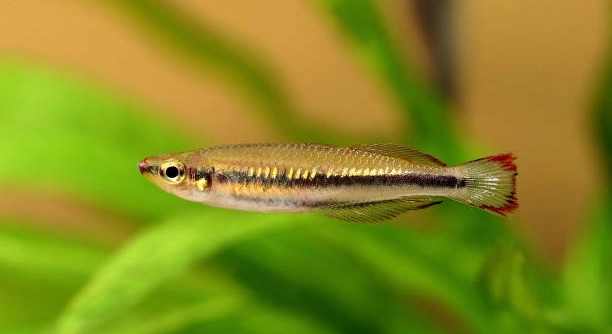
Rainbowfish are beautiful and lively additions to any aquarium. They bring color and movement, but sometimes subtle signs indicate they are not feeling at ease in their environment. Recognizing these signs is important for their well-being.
Rainbowfish discomfort can manifest through changes in swimming patterns, appetite loss, hiding behaviors, color fading, fin clamping, erratic movements, or aggression. Identifying these behaviors early helps maintain a healthy environment and prevents long-term stress or illness in the fish.
Observing these cues can help you create a more comfortable and stable habitat for your rainbowfish, ensuring they thrive in your care.
Changes in Swimming Patterns
When your rainbowfish is uncomfortable, one of the first signs is a noticeable change in swimming behavior. They may stay near the bottom of the tank, hover in one spot for long periods, or swim erratically. Normally active and social, rainbowfish prefer to move in groups and explore their environment freely. If you notice them isolating themselves or avoiding areas they once frequented, it can indicate stress or discomfort. Environmental factors such as water temperature, pH levels, or tank size can affect their swimming. Overcrowding and sudden changes in lighting or decorations may also trigger unusual movement. Observing your fish daily helps you spot these early changes and take action to adjust the tank conditions. A stable environment promotes healthy swimming behavior and reduces stress. Consistent water testing and gentle handling can make a significant difference in maintaining a comfortable habitat for your rainbowfish.
Erratic swimming often signals stress, discomfort, or poor water conditions that need immediate attention to prevent health issues.
Tracking changes in swimming patterns is essential for your rainbowfish’s health. Noting when and where these behaviors occur helps pinpoint environmental issues. Adjusting water quality, checking for compatible tankmates, and providing hiding spots can encourage natural movement. Small improvements in tank setup and care routines often restore normal behavior. Over time, careful observation allows you to maintain a stable environment, keeping your rainbowfish active and relaxed. Ensuring proper filtration, lighting, and temperature balance reduces stressors that can lead to persistent erratic swimming. Additionally, monitoring feeding habits alongside swimming behavior provides insight into overall well-being. With consistent care and attention, your rainbowfish can regain confidence, swim naturally, and display the vibrant colors that make them a striking addition to your aquarium.
Loss of Appetite
A rainbowfish that stops eating or shows reduced interest in food is likely experiencing discomfort or stress. Even healthy fish may refuse food when water quality or tank conditions are not ideal.
Loss of appetite can quickly impact health, leading to weight loss, weaker immune systems, and vulnerability to disease. Addressing water quality issues, ensuring a balanced diet, and providing a calm environment are crucial. Sometimes, introducing live or frozen foods can stimulate feeding. Monitoring temperature and avoiding sudden changes in the tank can also help.
Persistent appetite loss requires careful observation and prompt adjustments. Check water parameters, including ammonia, nitrite, and nitrate levels, and maintain regular cleaning schedules. Evaluate tankmates for aggression that may intimidate your rainbowfish. Adjust feeding times and offer a variety of foods to encourage eating. Providing hiding spots and gentle lighting can make the fish feel more secure, improving appetite. Consistency in tank care and reducing environmental stressors supports better feeding habits. If problems continue, consulting with a specialist or aquatic veterinarian may be necessary. Healthy eating is critical for growth, immune function, and overall vitality, ensuring your rainbowfish remain active and colorful in their environment.
Hiding Behaviors
Rainbowfish that hide constantly are likely stressed or uncomfortable in their environment. They may stay behind decorations, in plants, or at the bottom of the tank, avoiding areas they previously explored or social interactions with other fish.
Hiding is a common response to changes in the tank. Overcrowding, aggressive tankmates, or sudden changes in lighting can make rainbowfish feel threatened. Even small disturbances like tapping on the glass or moving decorations can trigger this behavior. Providing ample hiding spots and maintaining a calm, stable environment helps reduce stress. Observing when and where your fish hides can reveal patterns and potential causes. Gradually adjusting the tank setup and ensuring compatible companions can encourage rainbowfish to explore more confidently. A peaceful, predictable environment reduces hiding and promotes natural behavior.
Consistent monitoring of your fish’s behavior helps detect discomfort early. Hiding should not be ignored, as prolonged stress can impact health and appetite. Adjusting water quality, tank mates, and decorations often restores confidence. Patience and careful observation are key, as rainbowfish gradually regain comfort and begin interacting normally again.
Fading Colors
A rainbowfish losing its vibrant colors is a clear sign of stress or poor health. Dull or faded colors indicate discomfort that may require immediate attention.
Color fading often results from environmental stress, illness, or inadequate diet. Poor water quality, fluctuating temperatures, or insufficient nutrition can cause rainbowfish to lose their natural brilliance. Maintaining clean water, stable conditions, and a varied diet rich in nutrients is essential for restoring color. Observing your fish daily allows you to notice gradual changes in pigmentation. Stress from aggressive tankmates or lack of hiding spaces can also contribute. Ensuring a calm, balanced habitat encourages recovery.
Improving water conditions and feeding nutrient-rich foods helps rainbowfish regain vibrancy. Adding plants and gentle lighting can reduce stress and enhance coloration. Monitoring their behavior alongside color changes provides insight into overall health. Sometimes minor adjustments, like rearranging decorations or reducing tank disturbances, make a noticeable difference. Persistent fading may indicate underlying disease, so careful observation and prompt action are necessary to maintain their bright appearance and overall well-being.
Clamped Fins
Clamped fins are a clear indicator that a rainbowfish is feeling stressed or unwell. The fins stay close to the body rather than spreading out naturally, signaling discomfort or potential illness.
This behavior often accompanies poor water conditions, sudden temperature changes, or the presence of aggressive tankmates. Monitoring water quality and maintaining a stable environment can help restore normal fin posture.
Erratic Movements
Erratic swimming, such as darting suddenly or spinning in circles, is a sign of stress or irritation. It can result from water quality issues, parasites, or overcrowding in the tank. Addressing the root cause promptly is essential to prevent injury and long-term health problems.
Aggression Towards Tankmates
Aggressive behavior towards other fish can indicate that a rainbowfish is uncomfortable in its environment. Increased territoriality or chasing signals stress, lack of space, or dominance struggles. Ensuring enough room and compatible tankmates can help reduce tension and maintain a peaceful aquarium.
What should I do if my rainbowfish hides constantly?
If your rainbowfish is hiding often, the first step is to check the tank environment. Ensure there are no aggressive tankmates, and that the aquarium is not overcrowded. Providing plenty of plants, decorations, or caves gives them secure spots to retreat. Stable water temperature, clean water, and gentle lighting help reduce stress. Avoid tapping on the glass or sudden movements around the tank, as these can intensify hiding behaviors. Observe your fish daily to notice patterns, such as specific times or areas they prefer to hide. Gradually, with a calm and stable environment, rainbowfish typically become more confident and start exploring the tank again. Consistent monitoring and small adjustments in tank setup can make a significant difference in reducing hiding behavior and encouraging natural activity.
Why is my rainbowfish losing color?
Color fading in rainbowfish is a common sign of stress, poor nutrition, or illness. First, check the water quality, including ammonia, nitrite, nitrate levels, and pH balance. Unstable conditions or sudden changes in temperature can make colors dull. A lack of proper nutrition can also affect pigmentation, so offer a varied diet rich in vitamins and carotenoids, including high-quality flakes, pellets, or occasional live and frozen foods. Stress from aggressive tankmates or inadequate hiding spaces can contribute to fading. Introducing plants, gentle lighting, and calm surroundings can encourage recovery. Monitor your fish closely, and if color loss persists despite proper care, it may indicate disease. Addressing these factors promptly ensures your rainbowfish regain their vibrancy and overall health.
How can I tell if my rainbowfish is stressed?
Stress in rainbowfish shows in multiple ways, including clamped fins, erratic swimming, hiding, color fading, and loss of appetite. Observe how your fish behaves in relation to other tankmates and the environment. Stress often arises from overcrowding, aggressive companions, sudden water changes, or improper temperature. Poor water quality or inconsistent feeding schedules can also contribute. Monitoring daily activity, appetite, and coloration helps detect early stress signs. Taking action quickly, such as adjusting water parameters, adding hiding spots, or ensuring compatible tankmates, can prevent prolonged stress. A calm and stable environment encourages natural behavior, improved appetite, and healthier coloration. Stress management is key to long-term rainbowfish well-being.
What diet supports healthy rainbowfish colors and behavior?
Rainbowfish require a varied diet for optimal health and vibrant coloration. High-quality flake or pellet foods provide essential nutrients, while occasional live or frozen foods like brine shrimp, daphnia, or bloodworms add protein and natural pigments. Supplementing with vegetables such as blanched spinach or zucchini supports digestion. Feed small amounts multiple times a day to avoid overfeeding and water pollution. Nutrient-rich diets improve immune function, coloration, and overall activity. Observing your rainbowfish during feeding helps identify individual preferences or appetite changes. Balanced nutrition combined with stable tank conditions ensures they remain active, colorful, and comfortable in their environment.
Can poor water quality affect rainbowfish comfort?
Yes, water quality directly impacts rainbowfish health and comfort. High ammonia, nitrite, or nitrate levels cause stress, illness, and behavior changes like hiding or clamped fins. Inconsistent temperatures, low oxygen, or improper pH also create discomfort. Regular testing, partial water changes, and effective filtration maintain a stable, healthy habitat. Clean water reduces disease risks, encourages normal swimming, and supports vibrant colors. Monitoring water quality alongside fish behavior provides insights into environmental issues. Simple adjustments, such as adding aeration, maintaining consistent temperature, and removing debris, significantly enhance comfort. Healthy water conditions are essential for active, stress-free rainbowfish.
How do I reduce aggression in my rainbowfish tank?
Aggression often indicates stress, overcrowding, or incompatible tankmates. Ensure the tank is spacious enough for all fish and provide hiding spots for shy individuals. Avoid pairing rainbowfish with highly territorial species. Gradual introductions and rearranging decorations can disrupt established territories and reduce tension. Monitor interactions daily to intervene if aggression escalates. Maintaining consistent water quality and feeding schedules also reduces stress-related aggression. Peaceful companions and a well-structured environment encourage natural social behavior, allowing rainbowfish to coexist comfortably. Adjustments in tank setup, careful selection of tankmates, and observation can significantly minimize aggressive behaviors.
What is the best way to encourage natural swimming behavior?
To promote natural swimming, maintain proper tank size, water quality, and temperature. Avoid overcrowding and provide open spaces alongside plants or decorations. Stable lighting and minimal disturbances create a calm environment. Regular feeding at consistent times encourages normal activity. Observing their movement patterns allows adjustments if stress is present. Ensuring compatible tankmates and maintaining clean water supports healthy swimming. Gradual improvements in the habitat help rainbowfish regain confidence, explore freely, and display vibrant colors while reducing hiding and erratic movement. Consistency in care is key to sustaining natural behavior over time.
When should I consult a specialist for my rainbowfish?
Consult a specialist if symptoms persist despite proper care. Continuous hiding, appetite loss, color fading, clamped fins, or unusual swimming patterns may indicate disease or chronic stress. Early intervention by an aquatic veterinarian can prevent further complications. Specialist advice ensures accurate diagnosis and targeted treatment. Regular observation combined with professional guidance safeguards long-term health.
Rainbowfish are vibrant and active fish that bring life to any aquarium, but their comfort and well-being require attention to detail. Observing subtle changes in behavior, color, and swimming patterns can help identify discomfort before it develops into more serious problems. Signs like hiding, clamped fins, fading colors, or erratic movements are indicators that something in their environment may need adjustment. These behaviors are not just random; they are the fish’s way of communicating stress or dissatisfaction with their surroundings. By understanding these signals, you can make informed decisions to improve their habitat and daily care routines. Small, consistent efforts, such as monitoring water quality, maintaining stable temperatures, and ensuring a peaceful tank environment, can make a significant difference in their overall comfort and health.
Creating a suitable environment for rainbowfish involves more than just filling a tank with water and decorations. Space, compatible tankmates, and natural hiding spots all contribute to their sense of security. Overcrowding or aggressive fish can trigger stress, leading to reduced activity or appetite. Nutrition also plays a crucial role in their well-being. A varied diet that includes high-quality flakes or pellets, supplemented with occasional live or frozen foods, helps maintain their coloration and energy levels. Regular feeding routines and attention to their preferences encourage natural behaviors, while proper filtration and routine water changes help maintain a clean and stable environment. Observing your rainbowfish daily allows you to notice patterns and respond to minor issues before they become major problems.
Maintaining rainbowfish comfort requires patience and consistency. Adjustments should be gradual and deliberate to avoid adding stress to their environment. Whether it is rearranging tank decorations, addressing water quality, or introducing compatible companions, small changes over time can restore balance. Keeping track of behavior, appetite, and coloration provides insight into their overall health and satisfaction. Stress can weaken their immune system and make them more susceptible to disease, so proactive care is essential. By providing a stable, calm, and enriched environment, your rainbowfish can thrive, showing their full range of colors and natural activity. Consistent attention and careful observation allow them to live comfortably and remain a vibrant, lively presence in the aquarium.

Hello,
If you enjoy the content that we create, please consider saying a "Thank You!" by leaving a tip.
Every little bit helps us continue crafting quality advice that supports the health, happiness, and well-being of pets around the world, for pets of all shapes, sizes, and species.
We really appreciate the kindness and support that you show us!