
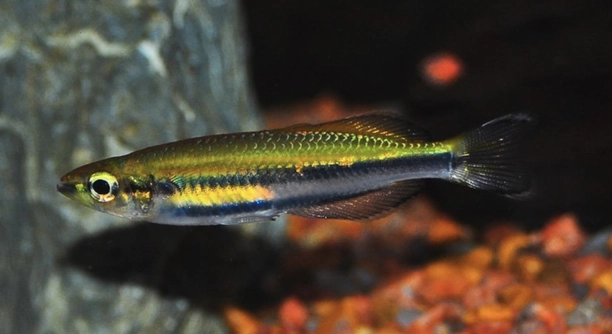
Have you ever noticed your rainbowfish swimming upside down and wondered why they act this way? Observing these small, colorful fish can be fascinating, yet their unusual swimming patterns sometimes leave aquarists puzzled.
Rainbowfish sometimes swim upside down due to swim bladder issues, stress, or water quality imbalances. The swim bladder regulates buoyancy, and any disruption can cause abnormal swimming, which is a common physiological response in affected individuals.
Understanding the causes behind this behavior can help ensure your rainbowfish remain healthy and active in their aquarium environment. Proper care and observation are key to supporting their wellbeing.
Understanding Swim Bladder Issues
Swim bladder problems are a common reason rainbowfish swim upside down. The swim bladder is a small organ that helps fish maintain their balance and buoyancy. If it becomes inflamed or compressed, the fish may struggle to stay upright. Diet plays an important role in preventing these issues. Overfeeding or providing foods that are difficult to digest can create gas or blockages, affecting the swim bladder. Environmental factors also contribute. Sudden temperature changes, poor water quality, or low oxygen levels can stress rainbowfish, leading to swim bladder dysfunction. Observing your fish daily allows you to notice any changes in posture or movement early. Treating minor swim bladder issues can involve fasting the fish for a day or two, adjusting feeding routines, and ensuring water parameters remain stable. In severe cases, veterinary care or medications may be necessary to restore proper function. Preventative measures are always the best approach for healthy, balanced swimming.
Maintaining consistent water temperature and providing a balanced diet significantly reduces swim bladder problems in rainbowfish. Early detection is key.
Keeping aquariums clean and avoiding abrupt changes helps maintain swim bladder health. Monitoring fish closely allows for timely interventions. Small adjustments, like soaking dry foods or including easily digestible options, can prevent bloating. Proper tank setup with hiding spots and gentle water flow supports fish comfort. Observing how rainbowfish interact with their environment also helps identify stress triggers. Even minor water chemistry fluctuations can impact buoyancy, so regular testing is beneficial. Careful attention to these details minimizes risks. Healthy swimming patterns improve overall fish activity and wellbeing. Recognizing early warning signs, like floating sideways or struggling at the surface, allows you to respond quickly. Over time, maintaining consistent routines fosters a stable environment, reducing behavioral problems and swim bladder disturbances.
Stress and Environmental Factors
Stress and poor environmental conditions can cause upside-down swimming. Overcrowding, sudden light changes, or aggressive tank mates often induce stress responses in rainbowfish.
Rainbowfish are sensitive to their surroundings, and small disturbances can affect behavior. Consistent tank conditions, proper filtration, and adequate space are essential. Avoiding frequent water changes that alter temperature or chemistry drastically reduces stress. Hiding places and plants help fish feel secure. Gentle water flow prevents fatigue and promotes natural movement. Noise or vibrations near the tank may also impact them, so keeping a calm environment is helpful. Even seasonal changes in room temperature can affect buoyancy, making observation important. Stress can weaken immunity, making fish more prone to illness, which in turn can worsen swimming problems. Maintaining a balanced diet supports resilience, and reducing sudden handling or rearrangement of decorations keeps stress levels low. Simple measures like these improve overall activity, health, and normal swimming patterns. Observing fish daily allows early intervention and ensures they remain lively and upright.
Water Quality and Tank Maintenance
Poor water quality directly impacts rainbowfish behavior. High ammonia, nitrite, or nitrate levels can stress fish and affect their buoyancy. Maintaining clean water and performing regular partial water changes ensures a stable environment and reduces the risk of upside-down swimming caused by physiological stress.
Regular water testing is essential to keep parameters within safe ranges. Filtration must be adequate for tank size, and substrate cleaning helps remove waste buildup. Uneaten food should be promptly removed to prevent decomposition that harms water quality. Temperature stability is crucial, as sudden changes can shock fish and worsen swim bladder issues. Providing aeration ensures sufficient oxygen, reducing stress and supporting normal swimming patterns. Consistency in maintenance routines helps fish adapt and thrive in their environment, minimizing behavioral abnormalities.
Even minor neglect in cleaning or testing can lead to long-term problems. A proactive approach to water quality helps rainbowfish remain healthy and swim normally. Monitoring closely and making small adjustments prevents major issues, creating a balanced and stress-free tank.
Diet and Feeding Habits
Providing a balanced diet prevents digestive problems that affect swim bladder function. Overfeeding or feeding low-quality foods often leads to bloating or gas, which can make rainbowfish swim upside down. Feeding small portions several times a day supports proper digestion.
Incorporating a mix of high-quality flakes, pellets, and occasional live or frozen foods ensures nutritional variety. Soaking dry foods can reduce air intake, minimizing the risk of swim bladder disruption. Observing how fish eat allows adjustments if one appears to struggle with certain foods. Avoid sudden changes in diet, as this can stress the digestive system. Treats should be limited to prevent excess fat and gas buildup. Maintaining proper feeding routines and monitoring individual fish ensures a healthy appetite and normal swimming behavior.
Feeding habits influence overall health and activity levels. Balanced nutrition combined with careful observation of fish behavior prevents digestive issues, keeps swim bladder function intact, and promotes vibrant, active rainbowfish in the tank. Regularly assessing diet quality and portion sizes helps maintain consistency, reducing the likelihood of abnormal swimming patterns and supporting long-term wellbeing.
Tank Size and Space
Inadequate tank size can stress rainbowfish, leading to abnormal swimming. Overcrowding limits movement, increases aggression, and reduces oxygen levels. Providing enough space allows natural swimming patterns and lowers the risk of upside-down swimming caused by environmental stress.
A spacious tank supports healthier social interactions. Fish can establish territories, swim freely, and expend energy naturally. Proper stocking density is crucial for both physical health and behavioral stability.
Observing Behavioral Changes
Noticing subtle changes in swimming or posture can indicate underlying health or environmental issues. Early observation allows prompt intervention. Monitoring daily helps identify problems before they become severe, ensuring rainbowfish remain healthy.
Temperature Stability
Sudden fluctuations in water temperature can disrupt buoyancy and cause stress. Maintaining a consistent temperature range suitable for rainbowfish supports normal behavior and reduces the likelihood of upside-down swimming.
Preventive Care
Regular maintenance, proper diet, and careful observation prevent swim bladder issues and stress-related behaviors. Consistent care helps rainbowfish stay active, upright, and healthy, supporting long-term wellbeing.
FAQ
Why is my rainbowfish swimming upside down all of a sudden?
Sudden upside-down swimming is often caused by swim bladder issues, stress, or changes in water quality. Rapid shifts in temperature, overfeeding, or aggressive tank mates can trigger this behavior. Observing the fish closely and checking water parameters helps identify the cause. Adjusting feeding routines and maintaining stable water conditions often resolves minor issues.
Can diet really affect swimming behavior?
Yes, diet plays a significant role. Overfeeding, feeding low-quality foods, or foods that expand in the stomach can create bloating or gas, affecting the swim bladder. Providing small portions of high-quality flakes, pellets, and occasional live or frozen food supports proper digestion and prevents buoyancy problems. Soaking dry foods can reduce air intake, further helping fish maintain normal swimming patterns.
How often should I check water quality?
Regular testing is crucial. Checking ammonia, nitrite, nitrate, pH, and temperature at least once a week helps prevent stress and swim bladder issues. Sudden changes in water chemistry can lead to abnormal swimming. Consistent partial water changes and proper filtration maintain a stable environment, ensuring rainbowfish remain healthy and active.
Can stress really make fish swim upside down?
Yes, stress significantly impacts swimming behavior. Overcrowding, aggressive tank mates, sudden lighting changes, or loud vibrations can cause stress. Providing hiding places, stable water flow, and minimal disturbances reduces stress levels. Stress also weakens immunity, making fish more susceptible to illness and swim bladder problems, so maintaining a calm environment is essential.
What tank size is appropriate for rainbowfish?
A spacious tank allows free swimming and reduces stress. Overcrowded tanks limit movement, increase aggression, and lower oxygen levels, all of which can contribute to upside-down swimming. Providing adequate space for each fish ensures natural behavior, supports social interactions, and minimizes environmental stress. Monitoring stocking density is key to maintaining a healthy tank.
How can I treat swim bladder issues at home?
Mild swim bladder problems can often be managed by fasting the fish for one or two days and adjusting the diet to smaller, more easily digestible portions. Ensuring water quality is optimal and temperature is stable also helps. In severe cases, consulting a veterinarian experienced with fish is recommended for proper treatment.
Do environmental factors like temperature really matter?
Absolutely. Rainbowfish are sensitive to fluctuations in temperature. Sudden drops or increases can shock their system, disrupt buoyancy, and trigger upside-down swimming. Keeping the temperature consistent within the ideal range for the species reduces stress, supports digestion, and maintains proper swim bladder function.
When should I be concerned about upside-down swimming?
Occasional slight tilting may not be alarming, but persistent upside-down swimming indicates an underlying issue. If it is accompanied by lethargy, loss of appetite, or rapid breathing, it could be a sign of illness or severe stress. Early intervention with water adjustments, diet changes, or veterinary care improves the chances of recovery.
Can I prevent these issues from happening?
Preventive care is the most effective strategy. Maintaining stable water quality, a balanced diet, adequate tank space, and a calm environment prevents swim bladder problems and reduces stress. Regular observation allows you to detect early signs of trouble, ensuring rainbowfish remain active, upright, and healthy over the long term.
How long does it take for a rainbowfish to recover from swim bladder issues?
Recovery depends on the cause and severity. Minor dietary or environmental adjustments can show improvement within a few days. More severe cases related to infection or chronic stress may take several weeks with careful care. Consistency in feeding, water quality, and minimal stress accelerates recovery and restores normal swimming behavior.
Are certain foods better for preventing swim bladder problems?
Yes, high-quality flakes, pellets, and occasional live or frozen foods are best. Avoid feeding foods that swell excessively or are difficult to digest. Soaking dry food and providing smaller, frequent meals helps reduce the risk of bloating, gas, and swim bladder disturbances. Monitoring individual fish ensures they adapt well to the diet.
Is it normal for rainbowfish to tilt occasionally?
Slight tilting or brief rolling is sometimes normal, especially during active swimming or feeding. Persistent or extreme upside-down swimming is abnormal and usually signals a problem with the swim bladder, stress, or environmental conditions. Regular observation helps distinguish between normal behavior and an issue requiring intervention.
Can water flow affect swimming patterns?
Yes, strong or turbulent water flow can tire rainbowfish or force them into unusual positions. Gentle, consistent flow supports natural swimming patterns and reduces stress. Tank placement, filtration, and the use of plants or decorations can help moderate flow, giving rainbowfish a comfortable and stable environment.
How do I know if my fish is stressed?
Signs of stress include rapid breathing, clamped fins, hiding, erratic swimming, or upside-down swimming. Stress often results from overcrowding, poor water quality, or aggressive tank mates. Monitoring behavior daily and addressing environmental issues promptly helps rainbowfish recover quickly and maintain healthy swimming patterns.
Final Thoughts
Rainbowfish are vibrant and active fish, and seeing them swim upside down can be worrying. This behavior is often a signal that something in their environment or health needs attention. Swim bladder issues are a common cause, and they can result from overfeeding, digestive problems, or poor water conditions. Maintaining a balanced diet is essential, as foods that are difficult to digest or swell in the stomach can disrupt buoyancy. Offering small portions of high-quality flakes, pellets, and occasional live or frozen food helps prevent these problems. Soaking dry food before feeding can further reduce the risk of trapped air causing bloating. Observing fish during feeding also gives clues about their overall health and digestion.
Environmental factors play a significant role in keeping rainbowfish upright and active. Tank size, water flow, temperature stability, and water quality all contribute to their comfort and wellbeing. Overcrowded tanks or strong currents can stress fish, affecting their swimming patterns. Regular partial water changes and consistent water testing help maintain optimal water conditions. Keeping ammonia, nitrite, and nitrate levels low while ensuring proper oxygenation supports both health and normal behavior. Stress reduction is equally important; providing hiding spots, stable lighting, and a calm environment minimizes disturbances. Aggressive tank mates or frequent handling can also trigger stress responses, so careful observation and preventive measures are essential.
Preventive care and early intervention are the most effective ways to address upside-down swimming in rainbowfish. Monitoring behavior daily allows owners to notice subtle changes before they develop into serious problems. Minor adjustments, such as modifying feeding routines, stabilizing water parameters, or addressing temperature fluctuations, often resolve issues quickly. In more severe cases, veterinary guidance may be necessary to ensure proper treatment and recovery. Overall, consistent care, attention to diet, and a well-maintained aquarium create a healthy environment where rainbowfish can thrive. By taking these steps, owners can help their fish maintain normal swimming patterns, stay active, and enjoy long-term health, ensuring that these small, colorful creatures remain lively and vibrant in their aquatic home.

Hello,
If you enjoy the content that we create, please consider saying a "Thank You!" by leaving a tip.
Every little bit helps us continue crafting quality advice that supports the health, happiness, and well-being of pets around the world, for pets of all shapes, sizes, and species.
We really appreciate the kindness and support that you show us!