
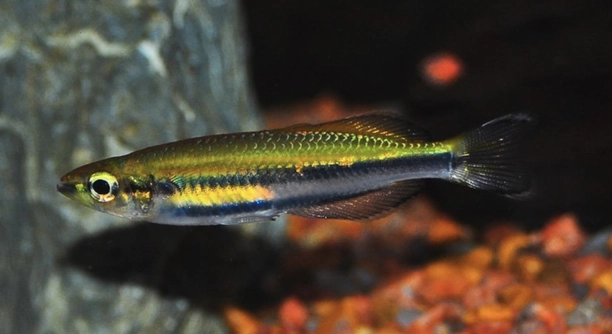
Have you ever noticed your rainbowfish hiding when it’s feeding time? It can be worrying to see them avoid food, especially if they usually swim actively around the tank. This behavior can feel confusing to many owners.
Rainbowfish often hide during feeding due to stress, poor water quality, or competition from other fish. Ensuring proper tank conditions, adequate space, and a balanced environment helps reduce fear and encourages normal feeding behavior.
Observing subtle cues in your aquarium can reveal underlying issues affecting your rainbowfish’s comfort and eating habits.
Common Reasons Rainbowfish Hide During Feeding
Rainbowfish may hide for several reasons that are often linked to their environment. Sudden changes in water temperature, pH levels, or cleanliness can stress them. Overcrowding in the tank can also make them feel unsafe, causing them to retreat to corners or behind decorations. Aggressive tankmates may intimidate rainbowfish, especially smaller or more timid individuals. Even the way food is offered can influence their behavior; some rainbowfish prefer food delivered gradually rather than all at once. Lighting can also play a role—bright or harsh lights may make them uncomfortable during feeding times. Observing the tank carefully can help identify specific stressors affecting their behavior. Adjusting feeding routines, monitoring water parameters, and providing hiding spaces often encourage rainbowfish to return to normal eating patterns. Small changes in the tank can significantly improve their comfort and reduce hiding behavior during feeding.
Environmental stressors are usually the main reason rainbowfish avoid feeding.
Creating a stable, well-maintained tank encourages rainbowfish to feel safe. Hiding behavior often decreases when water conditions are balanced, tankmates are compatible, and food is introduced calmly. Decorations such as plants and rocks can offer shelter, making fish more willing to swim out and feed. Observing their behavior and making careful adjustments improves feeding habits and overall health.
Adjusting Feeding Habits to Encourage Visibility
Changing feeding methods can have a significant effect on rainbowfish behavior.
Offering smaller, more frequent meals can reduce competition and stress. Floating or sinking food in different locations encourages shy fish to explore the tank. Watching their reactions allows you to adjust amounts and timing, making feeding times less stressful and more predictable.
Rainbowfish can be sensitive to how and when food is offered. Large amounts of food at once may intimidate timid fish, especially if more dominant fish rush in. Breaking the daily portion into smaller, controlled servings reduces anxiety. Using tongs or a feeder to place food near hiding spots can gradually coax them out. Over time, this builds confidence, and rainbowfish learn that feeding times are safe. Maintaining a consistent schedule and providing gentle light levels during feeding also supports this adjustment. By observing their behavior closely, you can fine-tune feeding practices and create a calmer, more inviting environment for all fish in the tank.
Tank Environment Adjustments
Keeping the tank clean and well-maintained helps rainbowfish feel secure. Regular water changes, proper filtration, and checking temperature and pH levels reduce stress. Hiding spots like plants and rocks make them more willing to come out during feeding times.
Stress in rainbowfish often results from unstable tank conditions. Sudden changes in water temperature or pH can make them retreat and avoid food. Overcrowding adds tension, especially if tankmates compete for space or food. Providing a well-structured environment with sufficient hiding areas reduces anxiety. Even minor adjustments like rearranging decorations or ensuring gentle water flow can encourage rainbowfish to swim confidently and feed regularly. Consistent maintenance helps maintain their overall health and feeding habits.
Lighting and tank placement can also affect behavior. Bright lights or strong reflections may cause rainbowfish to hide. Dimmed lighting, natural light cycles, and positioning the tank in a calm area without frequent vibrations or disturbances create a sense of safety. Fish that feel secure are more likely to explore the tank during feeding.
Health Considerations
Poor health can make rainbowfish hide during feeding. Illness, parasites, or internal issues often reduce appetite and activity. Monitoring physical signs and behavior is important for early detection.
Rainbowfish showing unusual hiding may be suffering from health problems like fin rot, swim bladder issues, or infections. Signs include faded colors, lethargy, or clamped fins. Quarantining new or sick fish prevents spreading disease. Providing a nutrient-rich diet and maintaining clean water support recovery and overall immune health. Observing subtle changes in behavior and acting promptly improves their well-being and encourages normal feeding patterns.
Feeding Schedule Adjustments
Consistent feeding times help rainbowfish feel secure and reduce hiding. Feeding at the same time each day establishes a routine, making fish more likely to come out and eat confidently without fear or stress.
Smaller, more frequent meals prevent competition and encourage timid fish to participate. Breaking food into manageable portions allows shy rainbowfish to access it without being chased or intimidated by more aggressive tankmates. This method also helps maintain water quality by reducing leftover food that can decay and affect tank conditions. Over time, consistent routines make feeding a calm and predictable part of their day.
Observing Behavior Patterns
Watching how rainbowfish interact with their environment and tankmates provides valuable insights. Noting which areas they prefer and how they respond to feeding helps identify stress points or health issues.
Choosing Compatible Tankmates
Rainbowfish do best with peaceful species. Aggressive or overly active fish can cause hiding and reduce feeding participation. Selecting calm, compatible tankmates ensures a harmonious environment where rainbowfish feel safe and can maintain regular eating habits.
FAQ
Why is my rainbowfish hiding only during feeding?
Rainbowfish often hide during feeding due to stress, fear of competition, or environmental discomfort. Large groups of active fish can intimidate shy individuals. Inconsistent water parameters, sudden changes in temperature or pH, and bright lighting can also make them retreat. Providing hiding spots and offering food in calmer, safer areas can encourage them to feed.
Can diet affect my rainbowfish’s willingness to eat?
Yes. Rainbowfish may avoid feeding if they dislike the type of food offered or if it is too large. Offering small flakes, pellets, or live food in manageable amounts encourages them to eat. Varying the diet ensures they get essential nutrients and reduces selective feeding.
How does tank size influence hiding behavior?
Small or overcrowded tanks increase stress and competition, causing rainbowfish to hide. Providing adequate space allows each fish to claim its own area, reducing anxiety. A larger tank with plants, rocks, and decorations gives them refuge spots, promoting confident feeding behavior.
Could water quality make rainbowfish hide during feeding?
Absolutely. Poor water quality can be stressful and affect appetite. High ammonia, nitrite, or nitrate levels, as well as improper pH or temperature, can make rainbowfish retreat. Regular water testing and maintenance are essential. Keeping water clean encourages normal activity and reduces hiding behavior.
Is it normal for rainbowfish to be shy at first?
Yes. Rainbowfish are naturally cautious and may hide initially when introduced to a new tank. They need time to explore, adapt, and recognize safe areas. Gradual acclimation and providing a secure environment help them feel comfortable and participate in feeding.
How can I reduce competition during feeding?
Feed smaller portions multiple times a day rather than a single large amount. Spread food across different areas of the tank. This allows timid fish to access food without being chased or dominated by more aggressive tankmates. Using feeding tongs or placing food near hiding spots can also help.
What role does lighting play in hiding behavior?
Bright or harsh lighting can make rainbowfish feel exposed, causing them to retreat. Dimming lights during feeding or using natural light cycles can make fish feel safer. Adjusting the tank’s light schedule can improve comfort and encourage more consistent eating behavior.
Can illness cause hiding during feeding?
Yes. Health problems such as fin rot, swim bladder issues, parasites, or infections can reduce appetite and cause fish to hide. Faded colors, lethargy, or clamped fins often indicate illness. Quarantining sick fish and providing proper treatment improves recovery and encourages feeding.
Are there specific decorations that help shy rainbowfish?
Plants, rocks, and other hiding spots give rainbowfish places to retreat and feel secure. Dense plantings, caves, and overhangs mimic natural habitats, reducing stress. A well-decorated tank allows timid fish to emerge gradually during feeding, improving their confidence and eating habits.
How long does it take for rainbowfish to feel comfortable feeding?
Adjustment periods vary by individual. Some fish adapt within days, while others take weeks. Patience, consistent routines, proper tank conditions, and gentle feeding techniques all help rainbowfish feel secure and gradually come out to feed regularly.
Can tankmates affect hiding behavior?
Yes. Aggressive or overly active fish may intimidate rainbowfish, causing them to hide during feeding. Choosing peaceful, compatible tankmates reduces stress. Observing interactions and separating incompatible fish ensures a calmer environment and encourages normal feeding behavior.
What should I do if my rainbowfish refuses to eat despite all adjustments?
If hiding continues despite optimal tank conditions, feeding adjustments, and compatible tankmates, consult a veterinarian or aquatics specialist. Health issues, parasites, or hidden environmental factors may be affecting behavior. Early intervention prevents malnutrition and supports long-term health.
Does feeding frequency impact hiding?
Feeding multiple smaller meals rather than a single large one reduces competition and encourages timid fish to participate. Regular, predictable feeding schedules create routine, helping rainbowfish feel safe and gradually increasing their confidence during feeding times.
Are live foods better for shy rainbowfish?
Live foods can encourage shy rainbowfish to come out because they stimulate natural hunting behavior. Small live worms, brine shrimp, or daphnia can be offered in moderation. Observing their response helps determine whether live or prepared foods are more effective for your fish.
Can stress from tank changes cause hiding?
Yes. Rearranging decorations, adding new fish, or moving the tank can temporarily stress rainbowfish. Providing familiar hiding spots and allowing time for adjustment helps them feel secure again. Gradual changes minimize stress and support consistent feeding behavior.
Does water temperature affect feeding behavior?
Rainbowfish are sensitive to temperature fluctuations. Water that is too cold or too warm can reduce activity and appetite. Maintaining a stable temperature suited to their species encourages regular swimming, exploration, and feeding. Sudden changes can trigger hiding and avoidance of food.
Are some rainbowfish naturally more timid?
Individual temperament varies. Some rainbowfish are naturally cautious and may hide more often, especially in group settings with active or dominant fish. Recognizing personality differences helps in designing the tank environment, feeding strategies, and choosing compatible tankmates to reduce hiding behavior.
How can I tell if my rainbowfish is stressed or sick?
Signs include hiding during feeding, lethargy, faded colors, clamped fins, rapid breathing, or loss of appetite. Stress from environmental issues or illness reduces confidence to feed. Monitoring behavior and acting promptly improves welfare, feeding habits, and long-term health of rainbowfish.
What is the best approach to encourage feeding gradually?
Offer food near hiding spots, reduce competition, and maintain a calm environment. Small, frequent meals, dim lighting, and consistent schedules make rainbowfish more likely to come out. Observation and patience help fish adjust at their own pace. Gradual encouragement builds confidence for regular feeding.
Can overfeeding cause hiding behavior?
Yes. Large amounts of food at once can overwhelm timid fish or cause dominant fish to chase others away. Overfeeding also deteriorates water quality, increasing stress. Offering smaller portions and monitoring intake prevents hiding and maintains healthy tank conditions.
Does tank noise or vibration influence hiding?
Frequent disturbances, tapping, or vibrations can startle rainbowfish and cause them to hide during feeding. Positioning the tank in a quiet area and minimizing sudden movements encourages calm behavior. A stable environment improves feeding confidence and reduces stress.
Are there long-term effects if rainbowfish consistently hide during feeding?
Persistent hiding can lead to malnutrition, stress-related illnesses, and reduced growth. It can also impact social dynamics in the tank. Identifying and addressing the underlying causes ensures proper nutrition, improves confidence, and supports overall health and longevity of rainbowfish.
Is acclimation important when introducing rainbowfish to a new tank?
Yes. Gradual acclimation to new water conditions and tankmates helps reduce stress and hiding behavior. Slow introduction, stable water parameters, and familiar hiding spots increase comfort and encourage regular feeding in their new environment.
Can supplements help encourage feeding?
Vitamins or fortified foods can stimulate appetite in rainbowfish showing reluctance to eat. Only use high-quality, species-appropriate supplements. Balanced nutrition and careful observation of behavior help shy fish regain confidence in feeding.
Do water flow and filtration affect hiding?
Strong currents or improper filtration placement can make rainbowfish feel exposed and insecure. Gentle, evenly distributed water flow encourages natural swimming patterns and reduces hiding behavior. Adjusting flow helps timid fish feel safe while feeding.
How important is observation for correcting hiding behavior?
Careful observation is essential. Watching rainbowfish interact with tankmates, explore the environment, and respond to feeding reveals stress points, health concerns, or environmental issues. Acting on these observations allows tailored adjustments, improving feeding behavior and overall welfare.
Are there behavioral cues indicating hunger despite hiding?
Yes. Fish may peek from behind decorations, show slight movement, or follow food in the tank without fully emerging. Recognizing these cues allows you to adjust feeding practices, gradually encouraging participation and reducing hiding during meals.
Can seasonal changes affect feeding behavior?
Seasonal temperature shifts or changes in natural light can influence activity and appetite. Maintaining stable tank conditions and consistent lighting schedules minimizes seasonal stress, helping rainbowfish remain confident and feed regularly despite external changes.
How can I build trust with shy rainbowfish?
Consistency, patience, and creating a secure environment help build trust. Gentle feeding near hiding spots, stable routines, and minimal disturbances gradually encourage rainbowfish to explore and feed without fear. Over time, trust improves participation and overall well-being.
What if hiding behavior suddenly increases?
A sudden increase may indicate stress, illness, or environmental changes. Check water parameters, observe tankmates, and look for signs of disease. Prompt action prevents worsening health, supports feeding, and restores normal behavior.
Are there differences between species of rainbowfish regarding hiding?
Yes. Some species are naturally more active and social, while others are more timid. Knowing species-specific behaviors helps in designing tank setups, feeding strategies, and tankmate selection to minimize hiding during feeding.
Can quarantine tanks help reduce hiding behavior?
Quarantining new or sick fish prevents disease spread and reduces stress for established rainbowfish. A calm, controlled environment during quarantine allows observation, gentle feeding, and gradual introduction to the main tank, improving confidence and feeding habits.
Is temperature fluctuation during feeding significant?
Even minor temperature changes during feeding can startle timid rainbowfish. Maintaining consistent temperature supports regular activity and appetite. Sudden shifts may trigger hiding, so careful monitoring during feeding times is important.
Does water hardness influence feeding behavior?
Rainbowfish prefer specific hardness ranges depending on the species. Water outside their preferred range can stress them, reduce appetite, and cause hiding. Testing and adjusting hardness helps create optimal conditions, promoting regular feeding and confident behavior.
Are there social behaviors affecting hiding?
Dominant or aggressive individuals can intimidate others, causing them to hide. Observing hierarchy, rearranging tankmates, or providing ample space and hiding spots reduces stress and encourages equal access to food.
How long should I observe before making changes?
Observation over several days to a week allows recognition of patterns in hiding and feeding. Gradual adjustments based on consistent behavior help address issues effectively without causing additional stress.
Is it normal for rainbowfish to hide intermittently?
Yes. Even healthy, confident fish may hide occasionally due to minor stressors or preference for shelter. Intermittent hiding is normal as long as appetite, activity, and overall health remain stable.
Can tank cleaning affect feeding behavior?
Disturbing the tank during cleaning can temporarily stress rainbowfish, causing hiding. Performing maintenance calmly and gradually helps fish readjust, ensuring feeding resumes normally after activity.
Do rainbowfish have preferred feeding spots?
Many rainbowfish choose areas near plants, decorations, or tank corners. Offering food near these locations reduces stress and encourages participation, especially for timid individuals.
How does water pH stability affect behavior?
Stable pH prevents stress and encourages regular feeding. Sudden pH swings can trigger hiding, reduce appetite, and compromise health. Regular testing and slow adjustments maintain a secure environment for rainbowfish.
Can overcrowding alone cause hiding?
Yes. Overcrowding increases competition for food and space, making timid fish retreat. Adequate tank size, controlled population, and proper hiding spaces help reduce stress and encourage feeding participation.
Are there visual cues indicating comfort levels?
Rainbowfish displaying bright colors, active swimming, and relaxed fins are comfortable and likely to feed. Dull colors, clamped fins, or constant hiding suggest stress or discomfort, requiring adjustments in environment or care.
Can gradual exposure to feeding areas help?
Yes. Placing food near hiding spots and slowly increasing exposure encourages timid fish to explore. Patience and consistency help rainbowfish gain confidence and feed regularly without stress.
Does water circulation affect hiding behavior?
Strong or uneven water currents can make timid fish feel unsafe. Adjusting flow to gentle, consistent movement supports natural swimming and feeding behavior.
Can rearranging tank decorations reduce hiding?
Strategic placement of plants, rocks, and shelters can improve comfort and reduce hiding. Rearranging gradually while maintaining familiar refuge areas helps rainbowfish feel secure and encourages participation in feeding.
Is it normal for rainbowfish to take time before eating in a new tank?
Yes. Acclimation periods vary. Shy fish may hide initially and gradually emerge as they adapt. Patience, routine feeding, and secure environments help them adjust and maintain healthy eating habits.
Are temperature and light cycles connected to feeding confidence?
Consistent temperature and light cycles create predictable environments. Rainbowfish feel safer and are more likely to feed when conditions remain stable. Sudden changes in either can cause hiding and reduce appetite.
Can stress from other animals outside the tank affect feeding?
Yes. Frequent vibrations, noise, or activity near the tank can startle rainbowfish. Minimizing disturbances creates a calm environment, encouraging them to feed without fear.
Does tank location influence hiding during feeding?
Placement in a high-traffic area can increase stress. Tanks in quieter, stable areas reduce disturbances, making rainbowfish more willing to feed openly and regularly.
Are there behavioral signs of hunger even if fish hide?
Subtle movements, peeking from shelters, or following food indicate hunger. Recognizing these signs allows gentle encouragement to feed without forcing exposure.
Can gradual feeding training improve confidence?
Yes. Introducing food slowly near hiding spots and rewarding participation gradually builds trust and feeding confidence over time. Patience is key for shy rainbowfish to overcome fear.
Does water temperature uniformity affect timid fish?
Stable water temperature prevents sudden stress that can trigger hiding. Rainbowfish feel secure in consistent conditions, supporting regular activity and feeding behavior.
Can adding new tankmates increase hiding?
Introducing new fish can temporarily increase stress and hiding. Careful observation, proper acclimation, and ensuring ample space and hiding spots reduce this effect and help maintain feeding routines.
Are live plants beneficial for feeding behavior?
Live plants provide natural cover and shelter, reducing stress and encouraging timid rainbowfish to explore during feeding. Dense plantings allow safe spaces for gradual exposure to food.
How do I know if hiding is environmental or health-related?
Observe water parameters, tankmate behavior, and fish appearance. Healthy fish hiding mainly indicates stress or fear, while signs like faded colors, clamped fins, or lethargy point to health issues. Addressing the root cause ensures proper feeding behavior.
Is gradual introduction of new foods helpful?
Yes. Introducing new foods slowly allows rainbowfish to accept them without stress. Mixing familiar and new foods encourages feeding and reduces hiding caused by unfamiliar meals.
Can tank noise during feeding be reduced?
Placing the tank away from loud appliances, music, or human activity minimizes stress. Calm surroundings help rainbowfish feel secure, promoting regular feeding behavior.
Do rainbowfish remember safe feeding spots?
Yes. Consistent placement of food in preferred areas helps shy fish associate those spots with safety. Over time, they become more confident and feed reliably.
How long should I wait for fish to adapt to new feeding routines?
Adaptation varies. Some fish adjust in a few days, while others take weeks. Patience, consistency, and careful observation ensure gradual improvement in feeding confidence.
Can adding slow-moving tankmates improve feeding participation?
Yes. Peaceful, slow-moving fish reduce intimidation and competition, allowing timid rainbowfish to feed without fear. Proper selection improves tank harmony and encourages confident feeding behavior.
Is hiding behavior common during breeding season?
Some rainbowfish may hide more when preparing to breed or caring for fry. Providing additional shelters supports their natural behavior without impacting feeding routines.
Can subtle water vibrations cause hiding?
Yes. Pumps, filters, or nearby movement may produce vibrations that stress timid fish. Gentle equipment placement and vibration reduction create a calmer environment, improving feeding behavior.
Are there seasonal adjustments needed for feeding?
Minor changes in temperature, light, or activity levels may require slight adjustments in feeding frequency or portions. Maintaining consistency helps rainbowfish remain confident and reduces hiding tendencies.
Does tank decoration density influence feeding behavior?
A well-balanced number of hiding spots supports timid fish. Too few shelters increase stress, while excessive cover may prevent fish from exploring. Optimal decoration encourages gradual emergence during feeding.
Can I use feeding sticks or tools to reach hiding fish?
Yes. Feeding sticks or tongs allow placing food near hiding spots without forcing exposure. This encourages shy rainbowfish to eat safely and gain confidence over time.
Do rainbowfish hide more during certain times of the day?
Yes. Activity patterns vary; some may be more timid during bright daylight or peak human activity. Adjusting feeding to calmer periods encourages participation and reduces stress-induced hiding.
Can gradual exposure to humans reduce hiding?
Yes. Regular, calm observation and minimal disturbances help rainbowfish associate human presence with safety. Over time, they may feed more openly in the tank.
How do I distinguish fear from illness in hiding behavior?
Fear-driven hiding is often accompanied by normal coloration and occasional activity. Illness usually presents with faded colors, clamped fins, lethargy, or irregular swimming. Observing both behavior and physical signs ensures proper identification and action.
Are slow feeders more prone to hiding?
Yes. Timid or slow-feeding rainbowfish often retreat to safe spots. Adjusting feeding methods, providing hiding-friendly food locations, and reducing competition support their confidence and regular eating.
Can filtered water flow placement reduce hiding?
Yes. Gentle, evenly distributed flow minimizes stress. Strong currents near hiding spots may deter fish from emerging, so adjusting filter output encourages confident feeding.
Is it normal for rainbowfish to hide after tank rearrangement?
Yes. Changes in decorations or layout can temporarily stress them. Providing familiar refuge areas and maintaining routines helps fish readjust and resume feeding.
Does group size affect hiding?
Larger groups may increase competition and stress, causing timid individuals to hide. Maintaining moderate group sizes and providing ample space reduces stress and improves feeding participation.
Can feeding near plants encourage timid rainbowfish?
Yes. Placing food near plant cover offers security while feeding. Gradual exposure encourages timid fish to explore and eat without fear, improving overall feeding behavior.
Are some rainbowfish more adaptable than others?
Yes. Individual personality and species traits affect adaptability. Observing responses to environment, feeding, and tankmates helps tailor care to reduce hiding and improve feeding confidence.
Do rainbowfish respond to hand-feeding?
Some may respond positively over time. Slow, gentle feeding near hiding spots builds trust and encourages timid fish to gradually feed in presence of humans.
Is hiding during feeding always a problem?
Not always. Occasional hiding can be normal, especially in new tanks or with minor stressors. Persistent hiding combined with poor appetite or health concerns indicates a need for intervention.
Can I encourage feeding by reducing tank stressors?
Yes. Minimizing noise, vibrations, overcrowding, and strong currents while providing hiding spots creates a calm environment. Timid rainbowfish feel safer, increasing participation and confidence during feeding.
Final Thoughts
Rainbowfish hiding during feeding is a common behavior that many owners notice at some point. It often reflects stress, fear, or discomfort rather than a serious problem. Factors like water quality, tank size, lighting, and the presence of more aggressive fish can all influence how comfortable rainbowfish feel. Timid or slow-moving individuals are more likely to retreat, especially if they feel threatened or exposed. Observing their behavior carefully can help determine the exact cause. Small adjustments to the tank environment, such as adding plants, rocks, or other hiding spots, can make a significant difference in reducing stress and encouraging rainbowfish to participate in feeding more consistently. Maintaining a clean, stable environment is equally important, as even minor changes in temperature, pH, or water quality can trigger hiding.
Feeding practices also play a key role in reducing hiding behavior. Offering smaller, more frequent meals can minimize competition and make food more accessible for timid rainbowfish. Providing food near shelters or at quieter times of the day encourages them to come out at their own pace. Some rainbowfish respond well to live or moving foods, which can stimulate natural feeding instincts and gradually build confidence. Consistency in feeding schedules helps them anticipate food and feel secure, while sudden changes or overfeeding may increase stress and hiding. Monitoring how each fish responds to different feeding methods allows owners to tailor their approach, ensuring that all rainbowfish in the tank receive proper nutrition without unnecessary stress.
It is also important to consider health and social dynamics. Illness, parasites, or internal problems can reduce appetite and make rainbowfish hide more often. Signs like faded colors, clamped fins, or lethargy may indicate the need for medical attention or quarantine. Tankmates can have a strong influence on behavior as well, and peaceful, compatible fish generally create a more secure environment. Observing interactions and adjusting the tank setup or population as needed can prevent bullying or competition that discourages feeding. Overall, patience and careful observation are essential. By providing a stable, safe environment, consistent feeding routines, and attention to both health and social interactions, rainbowfish can gradually overcome hiding behavior and develop regular, healthy feeding habits, ensuring their long-term well-being and comfort in the aquarium.

Hello,
If you enjoy the content that we create, please consider saying a "Thank You!" by leaving a tip.
Every little bit helps us continue crafting quality advice that supports the health, happiness, and well-being of pets around the world, for pets of all shapes, sizes, and species.
We really appreciate the kindness and support that you show us!