
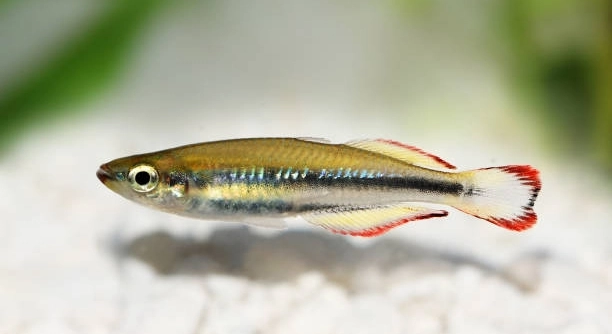
Rainbowfish are vibrant and lively additions to any home aquarium. Their colors and behaviors make them enjoyable to watch, but breeding them successfully requires understanding specific triggers that influence their reproductive habits and overall health.
Successful rainbowfish breeding depends on several environmental and biological factors. Key triggers include water quality, temperature stability, proper diet, appropriate tank setup, compatible mates, light cycles, and reduced stress levels, all of which collectively support spawning and fry survival.
Knowing these breeding triggers will help ensure healthy offspring and a thriving rainbowfish population in your tank, making the process more predictable and rewarding.
Water Quality and Stability
Maintaining stable water quality is essential for rainbowfish breeding. Clear, clean water with balanced pH and minimal toxins encourages spawning behavior. Frequent water changes, proper filtration, and monitoring ammonia, nitrite, and nitrate levels can prevent stress, which often inhibits breeding. Rainbowfish thrive in slightly hard to moderately hard water, so keeping these parameters consistent supports reproductive health.
Even small fluctuations in water conditions can stress rainbowfish, reducing their willingness to breed. Consistency is more important than perfection.
Providing a stable environment also means avoiding sudden temperature swings or chemical changes. Using a reliable heater and water conditioner helps keep parameters steady. Some species may prefer slightly warmer water to trigger breeding behavior, but abrupt changes can cause illness or aggressive behavior. Plants and hiding spaces offer comfort and security, which further encourages mating. Regular observation ensures that water quality stays within safe limits, supporting both adult fish and developing fry. The combination of proper chemistry, temperature, and environment sets the foundation for successful breeding and healthy growth.
Temperature and Light Cycles
Rainbowfish respond strongly to consistent temperature and light. Sudden shifts can delay spawning.
Maintaining a steady day-night cycle of light, typically around 10–12 hours, mimics natural conditions and stimulates reproductive behavior. Temperature should be slightly higher during breeding periods, usually between 24–28°C, to encourage activity and courtship. Gradual increases rather than sudden changes prevent stress. Heating devices and timers can help maintain these conditions reliably. Proper lighting also enhances coloration, which plays a role in mate selection.
In addition to breeding triggers, temperature and light affect overall health. Stress from inconsistent conditions can reduce immunity and make fish more susceptible to disease. Combining optimal light cycles with stable temperatures improves both physical and behavioral readiness for reproduction. Observing rainbowfish interactions under these conditions helps identify the most active pairs. This approach supports natural spawning rhythms, ensuring that both adults and fry thrive. Adjustments should be subtle and gradual, reflecting seasonal changes rather than abrupt interventions. Proper temperature and lighting create an environment where rainbowfish feel secure, active, and ready to reproduce consistently.
Diet and Nutrition
Providing a varied diet is crucial for rainbowfish breeding. High-quality flakes, live foods, and frozen options give them the nutrients needed for energy and reproductive readiness.
Protein-rich foods like brine shrimp, daphnia, and bloodworms stimulate spawning. Including plant matter ensures balanced nutrition, supporting egg development and fry health. Feeding multiple small portions throughout the day encourages natural foraging behavior and reduces competition. Overfeeding should be avoided, as leftover food can degrade water quality and stress the fish. Seasonal adjustments to diet, such as increasing protein slightly during breeding periods, can further enhance reproductive success. Healthy, well-nourished rainbowfish are more active, display brighter colors, and are more likely to engage in courtship behaviors, making diet a key breeding trigger.
A consistent feeding schedule combined with nutrient variety ensures both adults and developing fry receive adequate support. Observing how the fish respond to different foods helps identify preferences and maintain optimal health.
Tank Setup and Space
Rainbowfish need space and a suitable tank layout to breed successfully. Overcrowding reduces courtship and can increase aggression. Plants, rocks, and hiding spots give comfort and encourage natural behaviors.
A tank around 20–30 gallons is suitable for a small group, with enough swimming room for active males. Open areas allow displays, while dense planting provides protection for females and eggs. Fine-leaved plants or spawning mops give secure sites for laying eggs, preventing predation. Proper water flow and aeration keep eggs oxygenated without washing them away. Using gentle filtration and avoiding strong currents reduces stress. Observing interactions in this environment helps pair selection naturally, improving spawning chances. Thoughtful tank arrangement also simplifies fry care, allowing separation when necessary and promoting higher survival rates.
Compatible Mates
Choosing compatible mates improves breeding success. Avoid pairing overly aggressive or incompatible species, as this can prevent spawning and stress the fish.
Observe behavior before introducing pairs. Healthy, similarly sized rainbowfish with active and calm temperaments are most likely to engage in successful courtship and egg-laying without conflict.
Stress Reduction
Minimizing stress is essential for rainbowfish reproduction. Avoid sudden changes in water, temperature, or tank arrangements that can trigger fear or aggression.
Stress directly impacts spawning behavior, reduces immunity, and can cause illness. Quiet surroundings, gentle handling, and stable routines help rainbowfish feel secure. Consistent maintenance and avoiding overcrowding also reduce tension, allowing natural reproductive behavior to occur.
Spawning Triggers
Specific environmental cues trigger rainbowfish spawning. Subtle changes in water temperature, slight adjustments in light cycles, and introducing new hiding spots can signal readiness to breed.
Timing is also important. Gradual shifts mimicking seasonal changes encourage natural spawning instincts. Pair observation helps identify when eggs are laid and ensures protection for both adults and fry during early development.
Observation and Care
Regular observation ensures breeding success. Monitor interactions and note signs of courtship, egg-laying, and fry development.
FAQ
How often should I feed rainbowfish during breeding periods?
During breeding, rainbowfish should be fed smaller portions multiple times a day. High-protein foods like live or frozen brine shrimp, daphnia, and bloodworms are ideal. Supplement with high-quality flakes or pellets to maintain balanced nutrition. Avoid overfeeding, as leftover food can reduce water quality and stress fish.
Can I breed rainbowfish in a community tank?
Breeding in a community tank is possible but not ideal. Other fish may eat eggs or fry, and crowded conditions can stress rainbowfish, reducing spawning success. A dedicated breeding tank with sufficient hiding spots and open swimming areas increases survival rates and allows observation of courtship behaviors.
What water temperature is best for spawning?
Rainbowfish generally breed best at temperatures between 24–28°C. Gradually raising the temperature by a few degrees can trigger spawning. Sudden changes should be avoided to prevent stress. Consistent heating and monitoring ensure both adults and eggs remain healthy during the breeding process.
How do I know when rainbowfish are ready to spawn?
Signs include active males displaying bright colors, increased chasing, and frequent swimming near potential mates. Females may appear slightly fuller due to developing eggs. Observation of these behaviors in a stable environment helps determine readiness without introducing unnecessary stress or disturbances.
Do rainbowfish need plants to breed?
Yes, plants or spawning mops provide secure sites for egg-laying and protect eggs from predation. Fine-leaved plants, dense clumps, or artificial spawning materials work well. These also offer hiding places for fry once hatched, increasing survival chances. A mix of open swimming areas and plant coverage encourages natural behavior.
How long does it take for rainbowfish eggs to hatch?
Rainbowfish eggs typically hatch within 7–12 days, depending on water temperature. Slightly warmer water can speed hatching, while cooler conditions may delay it. Regular monitoring ensures fry are not disturbed, and conditions remain stable to support early development.
Should I separate fry from adults?
Separating fry is recommended to prevent predation by adults. Using a breeder net or a separate nursery tank allows fry to grow safely. Feeding small live foods like infusoria or newly hatched brine shrimp ensures proper nutrition and promotes healthy growth. Gradual acclimation back to the main tank is best once they are large enough.
What role does light play in breeding?
Light cycles influence reproductive behavior. A consistent day-night cycle of 10–12 hours stimulates natural spawning instincts. Gradual adjustments to mimic seasonal changes can further trigger spawning. Avoid sudden changes, as inconsistent lighting can stress fish and disrupt courtship behaviors.
Can I breed multiple pairs in one tank?
Multiple pairs can breed together if the tank is large enough with sufficient hiding spots and swimming space. Overcrowding increases aggression and stress, reducing success. Observing interactions helps identify compatible pairs and allows adjustments to prevent conflicts while maintaining overall health.
How do I maintain water quality during breeding?
Frequent water changes and reliable filtration are key. Monitor ammonia, nitrite, nitrate, and pH levels regularly. Avoid chemical fluctuations, and use water conditioners as needed. Clean, stable water reduces stress, supports egg development, and increases fry survival rates, creating an optimal environment for reproduction.
What should I do if rainbowfish are not spawning?
Check water quality, diet, tank setup, and stress levels. Ensure compatible pairs, proper temperature, and light cycles. Observing interactions may reveal incompatibilities or environmental issues. Adjust conditions gradually, provide hiding spots, and maintain a nutrient-rich diet to encourage natural spawning behaviors without forcing the process.
How can I tell if the eggs are fertilized?
Fertilized eggs are usually clear or slightly golden with visible embryos inside. Unfertilized eggs often appear cloudy or opaque and may develop fungus. Removing unfertilized eggs prevents contamination and protects the healthy ones. Consistent monitoring ensures early intervention for higher hatch rates.
What is the best diet for fry?
Fry require small, frequent feedings of protein-rich foods. Infusoria, micro-worms, and newly hatched brine shrimp provide essential nutrients. Gradually introducing finely crushed flakes or specialized fry foods supports growth. Proper nutrition during early stages is critical for survival, coloration, and long-term health of the young rainbowfish.
How do I encourage courtship behavior?
Courtship is encouraged by maintaining stable water conditions, optimal temperature, and adequate space. Healthy, well-fed fish with open swimming areas and secure hiding spots display more natural behaviors. Observing and allowing pairs to interact without interference promotes successful spawning naturally and safely.
Can stress prevent rainbowfish from breeding?
Yes, stress from poor water quality, overcrowding, sudden changes, or aggressive tankmates can inhibit spawning. Minimizing disturbances, maintaining stable conditions, and providing sufficient hiding spaces help fish feel secure, increasing the likelihood of reproductive behavior and successful fry development.
How often can rainbowfish spawn?
Rainbowfish can spawn multiple times during favorable conditions. Providing consistent water quality, diet, temperature, and low-stress environments allows repeated reproductive cycles. Observing behavior and maintaining optimal conditions ensures that breeding occurs naturally and successfully over time.
Are there signs of fry health to watch for?
Healthy fry are active, swim steadily, and display strong feeding responses. Abnormal swimming, lethargy, or poor growth indicates potential water or dietary issues. Early detection allows adjustments in feeding, tank conditions, or separation to improve survival and development. Consistent care ensures a thriving young population.
Final Thoughts
Breeding rainbowfish requires careful attention to several key factors, including water quality, temperature, diet, and tank setup. Each element plays an important role in ensuring that the fish remain healthy and motivated to spawn. Clean, stable water supports adult fish health and prevents stress, which can directly affect reproductive success. Maintaining appropriate temperature ranges and a consistent light cycle encourages natural spawning behaviors, while providing enough space and hiding spots ensures comfort for both adults and fry. Paying attention to these basics helps create an environment where rainbowfish feel secure, active, and ready to reproduce.
Diet and nutrition are equally important in the breeding process. Providing a variety of high-quality foods, including live, frozen, and prepared options, supports energy levels and egg development. Protein-rich foods such as brine shrimp and bloodworms are essential during breeding periods, while including plant matter ensures balanced nutrition for overall health. Feeding multiple small portions throughout the day encourages natural foraging behavior and reduces competition. Observing how your rainbowfish respond to different foods can help fine-tune the diet to ensure both adults and fry receive the nutrients they need to thrive.
Observation and ongoing care are critical to long-term breeding success. Monitoring fish behavior, courtship, and fry development allows timely adjustments to water conditions, feeding schedules, and tank arrangements. Reducing stress through consistent maintenance, gentle handling, and avoiding overcrowding helps rainbowfish focus on natural behaviors, increasing spawning success. Separating fry when necessary and providing proper nutrition ensures their survival and healthy growth. By maintaining stable conditions and understanding the specific needs of rainbowfish, you can support repeated breeding cycles, producing healthy, vibrant offspring while enjoying the natural beauty and activity of your fish.

Hello,
If you enjoy the content that we create, please consider saying a "Thank You!" by leaving a tip.
Every little bit helps us continue crafting quality advice that supports the health, happiness, and well-being of pets around the world, for pets of all shapes, sizes, and species.
We really appreciate the kindness and support that you show us!