
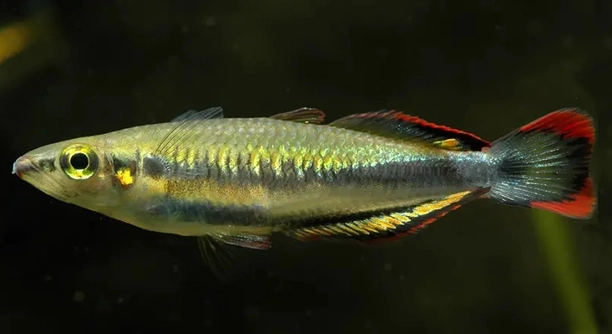
Are your rainbowfish swimming frantically or resting less than usual? Changes in behavior can signal shifts in their environment or health. Observing these patterns early can help you maintain a balanced, stress-free aquarium for your fish.
Rainbowfish often become restless due to environmental stressors, water quality issues, inadequate diet, or health concerns. Addressing tank temperature, pH levels, oxygenation, and proper nutrition are essential for promoting calm behavior and overall well-being.
Understanding the causes of restlessness will help you improve your rainbowfish’s comfort. Each factor has simple adjustments that can make a noticeable difference in their daily activity.
Water Quality Fluctuations
Maintaining stable water conditions is crucial for rainbowfish. Sudden changes in temperature, pH, or hardness can trigger stress, leading to restlessness. Even small shifts in nitrate or ammonia levels can make a noticeable difference. Regular water testing helps identify issues before they escalate. Filtration systems must be cleaned routinely, and partial water changes are necessary to keep the environment healthy. Overfeeding can also affect water quality, as uneaten food decomposes and releases harmful substances. Observing your rainbowfish’s behavior in response to adjustments can indicate whether conditions are suitable. Providing hiding spots or plants can further reduce stress.
Testing water weekly and keeping consistent maintenance routines can significantly reduce rainbowfish anxiety, creating a calmer tank environment.
Monitoring your tank closely is essential. Using a reliable water test kit, adjusting parameters slowly, and maintaining a clean tank will keep your rainbowfish active but relaxed. Proper filtration and consistent feeding schedules also support long-term stability and health.
Inadequate Tank Space
Rainbowfish require ample swimming space to thrive. Small tanks or overcrowding can lead to stress and continuous movement, as fish compete for territory or avoid contact. Overcrowded conditions increase aggression and reduce oxygen availability, both of which contribute to restlessness. Ideally, each rainbowfish should have enough space to swim freely and display natural behaviors. Tank decorations, plants, and hiding spots help create a more comfortable environment, allowing fish to retreat when needed. Observing interactions between fish can highlight whether space limitations are affecting behavior, and adjustments can be made by adding more room or reducing tank inhabitants.
Ensuring enough space and proper habitat design promotes calm, healthy rainbowfish behavior.
Providing a sufficiently large tank requires planning. For example, a 20-gallon tank may hold a small group, but larger species need more room. Grouping rainbowfish appropriately by size reduces competition and stress. Using plants and decorations strategically can break up open spaces, giving fish areas to explore without constant exposure to tankmates. Additionally, water circulation and aeration help distribute oxygen evenly, reducing the tendency for restless swimming. Overcrowding not only affects behavior but also increases disease risk. Regular monitoring of tank population and habitat adjustments ensures rainbowfish remain active in a healthy, low-stress environment. Consistent attention to space and layout will improve their overall comfort.
Improper Diet
A poor diet can make rainbowfish restless. Lack of essential nutrients affects energy levels and overall health. Feeding a varied diet with flakes, pellets, and occasional live or frozen foods helps maintain activity and reduces stress.
Providing balanced nutrition is vital. Rainbowfish require a mix of protein, vitamins, and minerals. Relying solely on one type of food can cause deficiencies, impacting behavior and immune function. Live foods like brine shrimp or daphnia offer stimulation while frozen or high-quality flakes provide consistency. Adjusting portion sizes prevents overeating, which can harm water quality and cause lethargy or erratic swimming. Monitoring fish during feeding helps ensure all individuals receive proper nutrition, reducing competition and restlessness.
Feeding schedules also matter. Consistent timing supports natural rhythms, and offering small, frequent meals prevents spikes in hunger. Including occasional treats can enrich the environment, giving fish mental stimulation while supporting growth. Observing how your rainbowfish respond to different foods helps identify preferences and health issues, allowing timely adjustments. Proper nutrition improves coloration, vitality, and overall calmness.
Water Temperature Issues
Sudden or extreme temperature changes can make rainbowfish anxious. Maintaining a stable, appropriate range is essential for comfort and activity.
Rainbowfish are sensitive to temperature fluctuations. Rapid shifts can increase metabolism and stress, leading to restless swimming or hiding. Ideal water temperatures usually range between 74–82°F, depending on the species. Using a reliable heater and thermometer ensures consistency. Positioning the tank away from drafts or direct sunlight helps prevent sudden changes, and gradual adjustments allow fish to acclimate safely. Monitoring behavior after temperature changes can indicate whether conditions are suitable or need further correction.
Temperature also affects oxygen levels and feeding behavior. Warmer water holds less oxygen, increasing agitation, while cooler water slows metabolism, making fish sluggish. Combining stable temperature with proper aeration maintains a balanced environment. Observing fish daily allows early detection of discomfort or stress. Adjustments should be made gradually, avoiding shocks to the system. Consistency in temperature promotes health, reduces disease risk, and supports normal behavior. A stable environment is key for calm, active rainbowfish that display natural swimming patterns and coloration.
Lack of Hiding Spots
Rainbowfish need areas to retreat and feel safe. Without hiding spots, they may swim constantly, appearing restless and stressed.
Providing plants, rocks, or decorations creates secure spaces. These areas reduce anxiety, encourage natural behavior, and help rainbowfish feel more comfortable in the tank.
Overcrowding
Too many fish in a tank increases stress and competition for resources. Overcrowding can lead to aggression, reduced oxygen, and continuous swimming. Maintaining an appropriate fish-to-tank ratio helps rainbowfish interact peacefully and remain calm, reducing restlessness and promoting a healthy environment.
Poor Oxygen Levels
Insufficient oxygen in the water can cause rainbowfish to move frantically near the surface. Proper aeration and water movement are necessary to maintain oxygen levels and support normal swimming behavior.
Disease or Parasites
Illness or parasite infestations can make rainbowfish restless. Monitoring for unusual spots, swelling, or abnormal behavior helps detect problems early and allows for timely treatment, improving overall health and comfort.
Why is my rainbowfish constantly swimming back and forth?
Constant swimming usually indicates stress or discomfort. Common reasons include poor water quality, overcrowding, sudden temperature changes, or lack of hiding spaces. Observing tank conditions and testing water regularly can help identify the cause. Adjusting these factors often calms restless rainbowfish quickly.
How do I know if my rainbowfish is stressed?
Signs of stress include rapid gill movement, clamped fins, darting around the tank, hiding excessively, or changes in coloration. Stress can weaken the immune system, making fish more susceptible to illness. Monitoring behavior daily helps detect early warning signs. Correcting environmental or dietary issues usually restores calm behavior.
What water parameters are ideal for rainbowfish?
Rainbowfish thrive in water with a pH of 6.8–7.8, temperature between 74–82°F, and moderate hardness. Ammonia and nitrite should always be zero, while nitrates should remain below 40 ppm. Regular testing and partial water changes maintain these parameters and prevent restlessness caused by poor conditions.
How often should I feed my rainbowfish?
Feeding small amounts two to three times daily is ideal. Providing a balanced diet of flakes, pellets, and occasional live or frozen foods ensures proper nutrition. Overfeeding can pollute the water, causing stress and erratic swimming, while underfeeding leads to lethargy and aggression.
Can tank decorations affect my rainbowfish’s behavior?
Yes, insufficient hiding spots or overcrowded decorations can increase stress. Providing plants, rocks, or caves allows fish to feel secure and reduces constant movement. Properly spaced decorations also help create territories, limiting aggressive interactions and promoting calm, natural behavior.
How does tank size impact restlessness?
Small tanks or overcrowded conditions can make rainbowfish restless. Each fish requires enough space to swim freely and establish territories. Overcrowding increases stress, reduces oxygen, and can lead to aggression. Adjusting tank population or upgrading to a larger tank promotes comfort and reduces erratic behavior.
What should I do if my rainbowfish seems sick?
Restlessness can indicate illness or parasites. Look for white spots, frayed fins, swelling, or unusual swimming patterns. Quarantining sick fish and consulting with an aquatic specialist helps prevent spread. Treating water and maintaining cleanliness supports recovery and reduces future stress.
Can temperature fluctuations make rainbowfish anxious?
Yes, sudden changes in water temperature can increase metabolism and stress, causing frantic swimming. Using a reliable heater, thermometer, and gradual adjustments keeps water stable. Consistent temperature combined with proper aeration promotes healthy, calm behavior and reduces the likelihood of stress-induced restlessness.
How can I improve oxygen levels in my tank?
Proper aeration, water movement, and plant placement help maintain oxygen levels. Poor oxygenation makes fish swim near the surface or act restless. Adding air stones, adjusting filter flow, and ensuring a clean, balanced tank can significantly improve oxygen availability and overall comfort.
Are there signs that my rainbowfish diet is inadequate?
Yes, signs include faded coloration, low energy, excessive aggression, or erratic swimming. Providing a varied diet with flakes, pellets, and live or frozen foods ensures essential nutrients. Monitoring how fish respond to feeding helps identify deficiencies and maintain healthy, calm behavior.
How long does it take for rainbowfish to calm down after stress?
Calm behavior usually returns within a few hours to several days, depending on the stress factor. Correcting water parameters, providing hiding spots, and ensuring proper nutrition accelerates recovery. Observing behavior daily helps confirm whether adjustments are effective and fish are returning to normal activity levels.
Can tank mates influence my rainbowfish’s restlessness?
Yes, aggressive or incompatible tank mates can increase stress. Rainbowfish prefer peaceful companions. Observing interactions and adjusting groupings or tank layout helps reduce competition and constant swimming, promoting a more relaxed and harmonious environment.
Is it normal for rainbowfish to be active at night?
Rainbowfish are primarily diurnal, but mild nighttime activity can occur. Excessive nocturnal movement may indicate stress, poor water quality, or insufficient hiding spaces. Ensuring a calm, stable environment with proper lighting and tank conditions reduces nighttime restlessness.
Can overfeeding cause restlessness in rainbowfish?
Yes, uneaten food decomposes, polluting the water and increasing stress. Feeding the right portions and removing leftovers promptly maintains water quality and reduces agitation. Balanced feeding schedules support health, activity, and calm behavior, preventing erratic swimming patterns.
How can I prevent my rainbowfish from becoming restless in the future?
Consistent water maintenance, appropriate tank size, stable temperature, sufficient hiding spaces, a balanced diet, and compatible tank mates are key. Regular monitoring and small adjustments help maintain a stable environment, keeping rainbowfish active but calm, and reducing stress-related behavior.
Rainbowfish are naturally active and curious, but consistent restlessness often points to underlying issues. Observing your fish daily is the first step in identifying the cause of unusual behavior. Changes in swimming patterns, frequent darting, or constant movement can indicate stress from the environment, diet, or health problems. By paying attention to these signs, you can respond early and prevent long-term harm. Simple actions like testing water parameters, monitoring temperature, and checking for overcrowding often resolve minor stressors before they escalate. Maintaining a stable, clean, and well-structured tank is key to promoting calm and healthy behavior in rainbowfish.
Water quality plays a major role in the comfort and well-being of rainbowfish. Parameters such as pH, temperature, hardness, and nitrate levels directly influence their behavior. Sudden fluctuations or poor maintenance can lead to agitation and increased activity. Regular partial water changes, proper filtration, and careful monitoring of water chemistry ensure a stable habitat. Providing hiding spots, plants, and decorations also helps fish feel secure. Nutrition is equally important, as inadequate or unbalanced diets can contribute to restlessness and other health issues. A varied feeding routine that includes flakes, pellets, and occasional live or frozen foods provides essential nutrients while keeping fish engaged.
Addressing tank size, oxygen levels, and potential illness is also crucial. Overcrowding or insufficient swimming space increases stress, while low oxygen levels or water circulation problems make fish more anxious. Observing for signs of disease, such as unusual spots, frayed fins, or erratic swimming, allows for timely intervention and treatment. Correcting these issues, along with consistent care and attention, helps rainbowfish regain natural behavior. By combining proper nutrition, clean water, stable temperatures, adequate space, and regular health checks, you create an environment that supports both activity and calmness. These steps ensure your rainbowfish live a comfortable, healthy life, reducing stress and allowing their natural colors and behavior to shine.

Hello,
If you enjoy the content that we create, please consider saying a "Thank You!" by leaving a tip.
Every little bit helps us continue crafting quality advice that supports the health, happiness, and well-being of pets around the world, for pets of all shapes, sizes, and species.
We really appreciate the kindness and support that you show us!