
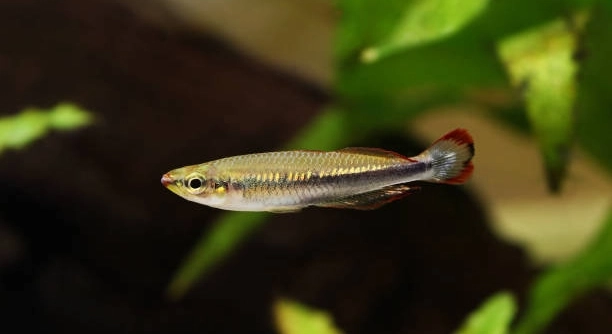
As someone who cares for peaceful aquarium spaces, I know how unsettling it can feel when a rainbowfish suddenly hides behind the heater for long periods, creating a quiet shift in the tank’s usual movement.
This behavior occurs due to stress, temperature imbalance, territorial pressure, or inadequate environmental conditions. The heater provides a stable thermal refuge, prompting the rainbowfish to retreat. Addressing these factors improves comfort, reduces hiding tendencies, and restores regular swimming activity patterns.
Understanding this behavior helps you create a calmer environment that supports healthy activity and keeps your rainbowfish moving with confidence.
Common Reasons Behind This Behavior
I often notice how small changes in an aquarium can influence a rainbowfish’s behavior, especially when hiding becomes frequent. Many factors contribute to this shift, and understanding them helps you respond with clarity. Stress from sudden noises, fast tank mates, or frequent rearranging can push the fish toward the heater for comfort. Temperature differences across the tank may also lead it to settle near the warmest spot. Poor water quality, such as elevated ammonia or fluctuating pH, can make the fish seek a stable area that feels safer. Low lighting, limited hiding spaces, or strong currents add to the discomfort. Even minor adjustments in filtration or equipment placement can create conditions that encourage hiding. Observing these details allows you to pinpoint what changed and how it influences the fish’s behavior. By staying attentive to the environment, you support a calm atmosphere that encourages your rainbowfish to swim freely again today.
These factors create conditions that make your rainbowfish search for warmth and stability near the heater. When the tank environment shifts too quickly or becomes uncomfortable, the fish relies on the most secure spot available, leading to the hiding behavior you are seeing in your aquarium at this current time.
Understanding these influences gives you a clearer view of what your rainbowfish needs to feel secure. Small improvements can make a meaningful impact on daily behavior. Adjusting the tank layout, reducing noise, or improving water quality supports a more comfortable space. Watching how the fish responds to these changes helps you confirm whether the issue is resolving. With steady conditions and gentle adjustments, your rainbowfish gains the confidence to leave the heater and explore the tank again. Creating a stable habitat not only reduces hiding but also promotes healthier movement and a more relaxed atmosphere for your fish overall today.
How to Help Your Rainbowfish Feel Secure
Helping your rainbowfish feel secure starts with steady conditions that reduce stress. Focus on temperature consistency, smooth lighting, and calm surroundings. When the environment remains stable, the fish becomes more comfortable swimming in open areas instead of clinging to the heater for reassurance in your aquarium at any given moment.
Creating a secure environment for your rainbowfish relies on steady care and close observation. Begin by checking the heater placement to ensure warmth spreads evenly through the tank. When temperatures remain uniform, the fish feels less pressure to stay near a single warm spot. Balanced lighting helps maintain a calm atmosphere, especially if the tank was previously too dim or too bright. Smooth water flow also plays an important role, since strong currents can push fish toward quieter corners. Testing water regularly protects your rainbowfish from changes that cause discomfort. Ammonia, nitrite, nitrate, and pH should remain within safe ranges to support comfort and activity. Adding plants or gentle décor provides natural spaces for your fish to explore without fear. These details create a landscape where movement feels safe and predictable. Pay attention to how your rainbowfish behaves after every adjustment. Gradual improvements allow you to track whether the hiding reduces over time. With patience and care, the fish gains confidence to swim openly again. A stable habitat does more than reduce stress; it encourages healthy routines and ongoing comfort that support the fish’s overall well-being in your tank each day while helping it maintain steady energy and regular activity.
Environmental Factors to Consider
Tank conditions influence how comfortable your rainbowfish feels, so keeping everything steady is important. Temperature shifts, harsh lighting, or poor filtration can make the fish hide more often. When these issues appear, addressing them quickly supports a calmer atmosphere and helps reduce your fish’s habit of retreating behind the heater.
Stable environmental conditions play a large role in helping your rainbowfish feel safe enough to swim openly. Begin by checking the heater output to confirm that warmth reaches all areas of the tank. Uneven heating can push the fish toward the warmest point, increasing hiding behavior. Evaluate lighting to ensure it is not overly bright or too dim, since both can create discomfort. Smooth water movement also matters, as strong currents may push your fish into corners. Regular water testing prevents harmful fluctuations that affect comfort. Each adjustment you make strengthens the balance inside the aquarium, supporting healthier daily activity.
Water quality remains one of the most important elements to monitor when your rainbowfish begins hiding. Ammonia, nitrite, and nitrate levels should always stay within safe limits to prevent stress. Sudden changes in these levels can cause discomfort that sends your fish to the heater for stability. Cleaning the filter regularly and performing routine water changes help maintain a cleaner environment. Avoid overfeeding, since leftover food can break down and disturb parameters. When the tank stays balanced, your rainbowfish feels more confident exploring open spaces. Careful maintenance encourages predictable conditions that support steady movement and reduce the need to hide.
Behavioral Signs to Watch
Noticing changes in behavior helps you understand when your rainbowfish feels uneasy. Hiding more often, swimming less, or hovering near the heater are signs that something in the environment is off. These shifts usually appear before more serious problems develop, so paying attention allows you to respond early and protect your fish’s comfort. Subtle shifts in appetite and movement patterns often appear next, giving you valuable clues about rising stress and changing comfort levels today.
Observing behavior closely helps you recognize when conditions in the tank need attention. If your rainbowfish becomes less active or chooses the heater as a regular hiding place, environmental factors are likely influencing comfort. Checking water quality should be the first step, since chemical changes often affect activity. Temperature inconsistencies also create pressure that encourages hiding. Adjusting the heater or improving circulation can help spread warmth more evenly. Lighting should remain soft and steady, preventing glare or shadows that might create uneasy situations. Adding plants or décor gives your fish secure spaces without overcrowding the tank. As these adjustments settle in, watch how your rainbowfish responds. Gradual improvements help you confirm whether the changes support open swimming and reduce the urge to hide behind equipment.
Tank Setup Adjustments
Small adjustments to your tank setup can help your rainbowfish feel more comfortable and reduce hiding. Start by spreading décor evenly so the fish has open areas to swim without obstacles. Ensure the heater sits in a place that allows warmth to circulate freely throughout the entire aquarium each day.
Check the tank’s layout to avoid cramped sections that may cause stress for your rainbowfish. Keeping equipment organized prevents strong currents and uneven temperatures. When the environment stays predictable, your fish feels safer exploring open areas instead of relying on the heater for warmth and reassurance during normal daily activity.
Monitoring Health Indicators
Watching your rainbowfish closely helps you notice changes that suggest stress or discomfort linked to hiding. Look for reduced appetite, slow swimming, color fading, or irregular breathing, as these signs can point to underlying issues in the tank. Consistent monitoring helps you respond early before the behavior worsens. Check for any physical marks or fin damage that might indicate harassment from tank mates. Make sure the fish’s movements feel natural and steady, since hesitation often appears when conditions are off. With steady observation, you can confirm whether adjustments in the environment are helping your rainbowfish regain confidence in its space.
When to Take Action
When hiding continues after environmental improvements, taking direct action becomes necessary. Review water parameters, temperature, and tank dynamics to spot remaining stressors. Small, targeted adjustments often restore confidence and encourage your rainbowfish to explore openly again instead of staying pressed against the heater in the tank during regular daily movement.
FAQ
Why is my rainbowfish suddenly hiding more often?
Sudden hiding usually comes from stress linked to changes in the tank. Shifts in temperature, lighting, or water quality can make your rainbowfish feel unsure and push it toward the heater for comfort. Even small adjustments to décor or equipment can influence behavior. When the environment becomes unpredictable, the fish naturally seeks the warmest and safest spot available. Checking for recent changes helps you determine what might have caused the behavior. Once you identify the source, you can correct it and help the fish return to its regular swimming patterns with more confidence and ease.
Could my tank’s temperature be causing this behavior?
Temperature plays a major role in how comfortable a rainbowfish feels. If the tank has cold spots, the fish may settle near the heater to stay warm. Uneven heating often happens when the heater is too small for the tank or placed poorly, preventing even heat distribution. Using a thermometer in multiple areas helps you find inconsistencies. When temperatures vary too much, rainbowfish respond by seeking the warmest area they can find. Adjusting the heater position or upgrading to a more suitable model solves this issue and encourages your fish to explore other areas again.
Can poor water quality make my rainbowfish hide?
Water quality issues are one of the most common causes of hiding. Ammonia, nitrite, and high nitrate levels can create discomfort and stress, leading your rainbowfish to retreat behind equipment like the heater. Regular testing helps you catch these issues before they worsen. Performing water changes, cleaning the filter, and avoiding overfeeding support a stable environment. When water conditions remain balanced, your rainbowfish feels safer and more willing to swim in open spaces instead of seeking shelter. Consistent maintenance plays a key role in keeping behavior steady and reducing the need to hide.
Could tank mates be causing my rainbowfish to hide?
Aggressive or fast-moving tank mates can make a rainbowfish feel pressured, especially in smaller tanks. If another fish chases, nips, or intimidates your rainbowfish, it may hide behind the heater for safety. Watching interactions during feeding and normal movement helps you see if bullying is happening. Adding plants or decorations can create calmer areas, but sometimes rehoming aggressive species is necessary. Choosing peaceful tank mates supports a more relaxed atmosphere. When social pressure decreases, your rainbowfish is more likely to swim openly instead of retreating to a hidden corner for protection.
Is the tank layout affecting my rainbowfish’s comfort?
A cluttered or poorly arranged tank can create stress that leads to hiding. If décor blocks swimming paths or creates strong currents, the fish may feel pushed into a single safe area. Rearranging items to create open spaces helps your rainbowfish feel more secure. Equipment placement also matters, since some setups cause uneven lighting or shadowed corners. When the tank layout supports smooth movement and predictable conditions, the fish behaves more confidently. Making a few simple adjustments can improve comfort and reduce hiding significantly.
How can I encourage my rainbowfish to stop hiding?
Encouraging your rainbowfish to come out involves improving comfort and stability. Start by testing the water, adjusting the heater, and checking for stress from tank mates. Add plants or décor that provide natural cover without overcrowding the space. Keep lighting soft and consistent to maintain a calmer environment. Observe your fish after each change to see if behavior improves. Small adjustments build a more comfortable habitat that invites movement. When your rainbowfish feels safe, it gradually stops relying on the heater and begins exploring the rest of the tank again.
When should I be concerned about this behavior?
Hiding becomes concerning when it continues even after environmental improvements. If your rainbowfish also shows signs like color fading, loss of appetite, or unusual swimming, it may be experiencing more serious stress. Checking water quality and temperature should be your first step. If everything appears normal, consider observing interactions with tank mates or looking for signs of illness. Taking action early helps prevent the problem from growing. When you respond promptly, you protect your rainbowfish’s comfort and support healthier, more relaxed behavior over time.
How long does it take for hiding behavior to stop?
The time it takes for your rainbowfish to feel confident again depends on the issue that caused the hiding. Some fish respond within a day or two if the change is minor, like fixing a temperature imbalance. More stressful situations, such as poor water quality or bullying, may require several days or even a week for full improvement. Watching your rainbowfish closely helps you understand how it reacts to adjustments. As the environment becomes more stable, the fish begins exploring more freely. Consistency and patience help ensure the behavior fades and does not return.
Final Thoughts
Caring for a rainbowfish that keeps hiding behind the heater can feel confusing at first, especially when the tank seems fine on the surface. This behavior often links back to stress, changes in the environment, or conditions that make your fish feel unsure. When a rainbowfish no longer moves as freely as it once did, the shift usually appears because something in the aquarium has become uncomfortable or unpredictable. Watching your fish closely helps you understand how small adjustments influence its behavior. Even gentle changes in lighting, noise, temperature, or tank layout can affect how secure your rainbowfish feels during the day. By paying attention to these details, you begin to recognize patterns that show when your fish needs a calmer and more balanced space. Once you identify the factors that encourage hiding, you gain the ability to shape the tank into a safer place where your rainbowfish feels encouraged to swim with confidence again.
Improving the tank environment is often the most effective way to reduce hiding and bring your rainbowfish back into open view. Keeping water parameters stable, maintaining steady temperature levels, and organizing equipment so it does not disrupt normal swimming can all make a meaningful difference. Many rainbowfish respond quickly when the tank becomes more predictable, especially if they previously felt overwhelmed by strong currents or uneven heating. Adding plants or décor helps create natural shelter without making the tank feel crowded. These additions offer comfort while still giving your fish the freedom to roam. Observing how your rainbowfish reacts to each improvement helps you understand what truly works for its comfort. When changes are made slowly and thoughtfully, the fish has time to adjust without feeling pressured. Over time, these simple efforts help build a habitat that supports comfort, calm behavior, and steady movement throughout the day.
Seeing your rainbowfish regain confidence is reassuring, and it shows how strongly the environment influences behavior. When hiding decreases, it often reflects the care and attention you have put into supporting a stable aquarium. This process is not about making dramatic changes but about recognizing what your fish needs to feel secure. Steady observation, small corrections, and patience create an atmosphere that promotes healthier habits. As your rainbowfish begins exploring the tank openly again, you can feel comfortable knowing the environment supports its well-being. Continuing to maintain predictable conditions helps prevent old stressors from returning. With consistent care, your rainbowfish will settle into a relaxed routine that brings more activity and comfort to the entire aquarium.

Hello,
If you enjoy the content that we create, please consider saying a "Thank You!" by leaving a tip.
Every little bit helps us continue crafting quality advice that supports the health, happiness, and well-being of pets around the world, for pets of all shapes, sizes, and species.
We really appreciate the kindness and support that you show us!