
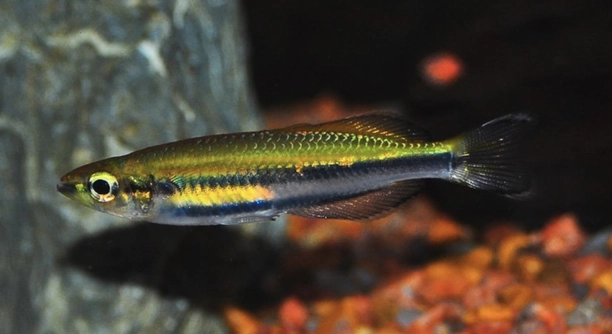
Rainbowfish are known for their vibrant colors and active behavior in aquariums. Observing them can be fascinating, but some individuals display strong territorial tendencies that influence their interactions with others. Understanding these behaviors helps maintain harmony.
Rainbowfish exhibit territorial behavior primarily due to environmental factors, space limitations, and social hierarchy. They often defend specific areas in the tank, protect potential breeding sites, and assert dominance over other fish to reduce competition for resources.
Recognizing these territorial cues allows aquarists to create a balanced environment. Proper tank setup and awareness of social dynamics can prevent conflicts and promote a peaceful aquatic community.
Factors Influencing Territorial Behavior
Rainbowfish become territorial when their environment lacks sufficient hiding spots or open space. They rely on plants, rocks, and decorations to establish boundaries and feel secure. Without these, aggressive behavior can increase, especially among males. Territoriality is also influenced by water conditions. Poor water quality can stress fish, making them more likely to defend a perceived territory. Age and size differences contribute as well; older or larger fish often dominate smaller tank mates. Observing their swimming patterns and interactions helps identify early signs of tension. Adjusting tank layout and ensuring enough space for each fish can reduce conflict. Diet also plays a role—competition over food may heighten aggression. Providing multiple feeding points helps minimize disputes. Understanding these environmental and social triggers allows for proactive management, creating a calmer, more balanced aquarium. Regular monitoring and adjustments to their habitat are key to maintaining harmony and reducing stress among rainbowfish.
Maintaining proper space, hiding spots, and feeding areas can significantly lower territorial conflicts in rainbowfish tanks. Observation is crucial.
Monitoring behavior daily ensures timely intervention when aggression arises. Adjusting tank structures or introducing new plants can prevent escalation. Consistency in water quality and feeding routines further supports a peaceful environment. By taking these steps, each fish can occupy its own space comfortably.
Social Dynamics Among Rainbowfish
Territorial behavior often stems from dominance hierarchies. Males, in particular, display more aggression to establish rank.
Rainbowfish are social creatures, but they form loose hierarchies within the group. Dominant individuals claim prime swimming areas or spawning sites, while others adjust their movements to avoid confrontation. Aggression can spike during breeding periods when males compete for attention. Understanding these interactions helps maintain balance; adding more hiding spots or rearranging the tank can reduce conflicts. Overcrowding should be avoided, as it increases stress and heightens competition. Properly grouping similar-sized fish and maintaining consistent conditions limits unnecessary aggression. Observing subtle behaviors, such as chasing or fin displays, allows caretakers to identify when intervention is necessary. The goal is to provide an environment where each fish can display natural behaviors without constant confrontation, ensuring their well-being and the overall health of the aquarium ecosystem. Regular adjustments based on observation keep social dynamics stable.
Tank Size and Layout
Tank size directly impacts territorial behavior. Smaller tanks increase stress and conflicts, while larger tanks allow fish to establish personal space.
Providing enough swimming room and dividing areas with plants or decorations helps rainbowfish feel secure. Open spaces combined with hiding spots reduce aggression, allowing fish to coexist peacefully. Adjusting the layout periodically prevents fixed territories from becoming sources of constant stress. Even minor changes, like repositioning rocks or adding floating plants, can shift dominant patterns and encourage calmer interactions. Observing fish reactions after these adjustments ensures the environment remains balanced. Maintaining sufficient space per fish is critical for reducing aggression and supporting overall health.
A well-thought-out layout reduces dominance struggles and supports natural behavior. Space management is key to harmony in the tank.
Breeding and Reproduction
Males become more aggressive when preparing to breed. They defend prime spots and display bright colors to attract females.
During breeding periods, territorial behavior intensifies as males compete for access to females and secure spawning sites. Spawning mops, plants, or specific areas of the tank often become focal points of defense. Females may retreat to avoid harassment, and smaller males might challenge only when opportunities arise. Observing interactions during these periods is important to prevent injuries and stress. Providing multiple hiding spots and sufficient territory allows fish to breed without constant fighting. Adjustments in tank setup, such as separating overly aggressive individuals temporarily, can help maintain balance while allowing successful reproduction.
Understanding breeding behavior helps manage aggression and ensures a healthy, productive aquarium. Creating structured spaces reduces conflict during critical periods.
Diet and Feeding Habits
Competition over food can trigger territorial behavior, especially in crowded tanks. Ensuring multiple feeding spots reduces disputes.
Providing a balanced diet at consistent times helps maintain calm interactions. Fish can focus on eating rather than guarding space, lowering aggression significantly.
Tank Mates
Choosing compatible tank mates is essential. Aggressive species can increase stress, while peaceful ones encourage harmony.
Rainbowfish interact best with similar-sized, non-aggressive species. Introducing overly competitive or fin-nipping fish can escalate conflicts. Observing responses to new tank mates allows timely adjustments. Proper selection ensures stable social dynamics, reducing stress and territorial displays.
Environmental Enrichment
Adding plants, rocks, and hiding spaces helps manage territorial instincts. These elements break up open areas, giving fish safe zones.
Providing enrichment not only reduces aggression but also encourages natural behaviors, such as exploring and hiding, which improves overall well-being.
FAQ
Why does my rainbowfish chase others in the tank?
Chasing behavior usually reflects territorial instincts or dominance displays. Males are more likely to chase to protect preferred areas or attract females. It can also occur if the tank is overcrowded or lacks hiding spaces. Adjusting the layout or increasing space can reduce chasing incidents.
How can I tell if territorial behavior is harmful?
Signs of harmful aggression include torn fins, constant chasing, or fish hiding excessively. Stress from repeated conflicts can weaken the immune system. Monitoring interactions closely helps identify when intervention is necessary. Rearranging tank elements or separating overly aggressive fish can restore balance.
Does tank size affect rainbowfish aggression?
Yes. Smaller tanks increase stress and competition, making territorial displays more frequent. Larger tanks provide room to establish personal boundaries, reducing conflicts. Adding plants, rocks, or decorations further helps create distinct territories and minimizes disputes.
How many rainbowfish should I keep together?
Keeping them in groups of six or more helps diffuse aggression, as no single fish is constantly targeted. Avoid overcrowding, which can increase competition and stress. A balanced group allows natural social hierarchies without excessive fighting.
Do males and females show different territorial behavior?
Males are typically more territorial, especially during breeding periods. Females may display mild dominance but rarely defend large areas. Providing enough space for both sexes ensures breeding and social interactions occur without constant conflict.
Can changing the tank layout help reduce aggression?
Yes. Rearranging plants, rocks, and hiding spots can break fixed territories and reduce tension. Small changes encourage exploration and allow fish to establish new boundaries. Consistently adjusting the environment prevents aggression from becoming habitual.
How does breeding influence territorial behavior?
During breeding, males defend prime spots and display bright colors to attract females. Aggression increases to secure spawning sites. Providing multiple breeding areas and adequate hiding spots reduces stress and ensures more peaceful interactions among all fish.
Should I separate aggressive individuals?
Separating fish showing extreme aggression can prevent injuries and stress. Temporary isolation allows them to calm down and prevents constant harassment of other tank mates. Reintroduction should be gradual, with observation to ensure harmony is maintained.
Does diet impact territorial behavior?
Yes. Competition over food can trigger aggression. Offering multiple feeding spots and providing a balanced diet reduces disputes. Regular feeding schedules allow fish to focus on eating rather than guarding space, which lowers tension in the tank.
How do I maintain long-term harmony among rainbowfish?
Monitoring behavior daily, maintaining proper tank size, adding enrichment, selecting compatible tank mates, and ensuring a consistent diet all contribute to a peaceful environment. Small, proactive adjustments help reduce stress and territorial conflicts, promoting healthy, natural behavior over time.
This FAQ provides practical guidance for managing rainbowfish behavior, helping to maintain a calm, balanced, and visually pleasing aquarium environment. Observing patterns and responding quickly to tension ensures the well-being of every fish.
Final Thoughts
Rainbowfish are vibrant, active fish that can bring life and movement to any aquarium. Their bright colors and dynamic behavior make them enjoyable to watch, but they also display natural territorial instincts. Understanding these instincts is essential for maintaining a peaceful tank. Territorial behavior is not necessarily harmful when managed correctly, but it can become a problem if ignored. Factors like tank size, layout, social dynamics, and feeding practices all influence how these fish interact. By observing their behavior carefully, it becomes easier to identify early signs of tension and prevent potential conflicts. Taking steps to create a balanced environment helps every fish feel secure, reducing stress and aggression. Awareness of these behaviors allows caretakers to provide a setting where rainbowfish can thrive both socially and physically, supporting long-term health and well-being.
Creating the right environment for rainbowfish involves more than just selecting the right tank size. Providing adequate space is crucial, as smaller tanks often increase stress and competition. Adding plants, rocks, and decorations gives fish places to hide and explore, allowing them to establish personal boundaries. Adjusting the tank layout periodically prevents fixed territories from becoming sources of constant conflict. Feeding practices also play an important role, as competition for food can increase aggression. Offering multiple feeding spots ensures all fish can eat without stress. Choosing compatible tank mates further reduces conflict, as aggressive or overly competitive species can provoke territorial displays. Observing social dynamics within the tank and making small adjustments based on behavior ensures harmony. Even minor changes, like adding a floating plant or rearranging rocks, can significantly improve interactions among fish.
Managing territorial behavior is an ongoing process that requires attention and care. Rainbowfish are naturally active and social, and understanding their needs helps reduce stress and aggression. Providing a suitable tank, balanced diet, enrichment, and compatible companions creates a stable environment where each fish can display natural behaviors safely. Observing fish regularly allows for early intervention if tensions rise, and temporary separation of aggressive individuals can prevent injuries. By maintaining these practices consistently, it is possible to enjoy a visually appealing, harmonious aquarium. Caring for rainbowfish in this way not only supports their health but also enhances the overall experience of keeping these colorful and lively fish. A well-maintained tank promotes peace, encourages natural behaviors, and ensures a balanced environment that benefits all residents.

Hello,
If you enjoy the content that we create, please consider saying a "Thank You!" by leaving a tip.
Every little bit helps us continue crafting quality advice that supports the health, happiness, and well-being of pets around the world, for pets of all shapes, sizes, and species.
We really appreciate the kindness and support that you show us!