
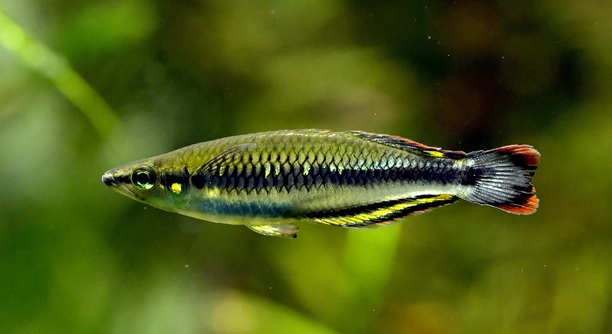
Have you noticed your rainbowfish gently bumping into tank decorations, creating concern about their comfort and safety? This behavior often draws attention in home aquariums and deserves a clear explanation for calm, informed care owners.
Rainbowfish commonly bump into decorations due to visual limitations, stress, and environmental factors. Inadequate lighting, strong water currents, unfamiliar layouts, or rapid growth can disrupt spatial awareness, while social interactions and sudden movements further increase accidental contact within aquarium spaces.
By recognizing these causes, aquarists can adjust tank design and care routines, improving fish confidence, movement, and overall wellbeing levels.
Visual Limits and Tank Layout
Rainbowfish rely heavily on vision to move safely through their tank, yet their eyesight is not perfect. Reflections from glass, bright lighting, and shiny decorations can distort depth perception. When I first adjusted my aquarium lights, I noticed more awkward swimming moments. Sudden layout changes also play a role, as rainbowfish memorize their surroundings over time. Introducing new rocks or plants can disrupt that memory. Fast swimming combined with limited stopping distance increases the chance of contact. Young or newly introduced rainbowfish are especially prone to this behavior. Overcrowded tanks further reduce clear swimming paths. Decorations placed too closely together leave little room for error. Even clear water can magnify shapes in unexpected ways. These factors together explain why bumping happens even in clean, well maintained aquariums. With time, careful observation helps owners notice patterns and understand how small visual challenges affect daily movement during swimming periods.
Consistent lighting and spacing decorations farther apart reduce visual confusion. I learned that simple layouts allow rainbowfish to react quickly, glide smoothly, and avoid unnecessary contact during fast swimming bursts. This approach supports calm behavior and makes daily observation more reassuring for anyone maintaining a home aquarium with consistent results.
Tank size and swimming speed strongly influence how often rainbowfish bump into objects. These fish are active and agile, often darting across open areas without slowing down. In smaller tanks, momentum builds quickly, leaving little space to adjust direction. I found that increasing horizontal swimming room made a visible difference. Open midwater zones help rainbowfish stabilize their movement. Decorations pushed toward tank edges create clearer routes. Balanced current flow also matters, since strong streams can push fish off course. When space, speed, and flow align properly, collisions become far less common. This balance supports healthier swimming habits over time naturally.
Stress and Environmental Changes
Stress plays a quiet role in navigation issues. Sudden noises, frequent tank tapping, or aggressive tank mates can cause rushed movement. I noticed calmer surroundings reduced startle responses and helped rainbowfish swim with better control overall. Stable routines and gentle maintenance habits support consistent behavior day to day inside tanks.
Environmental changes often explain repeated bumping behavior. Rainbowfish respond quickly to shifts in water parameters, lighting schedules, and feeding times. Even minor fluctuations can increase restlessness. After a water change, I observed more rapid swimming until conditions settled. Temperature swings may affect muscle control and reaction speed. Poor water quality can also strain sensory awareness. High nitrate levels and low oxygen reduce focus and coordination. Social dynamics add another layer. Chasing during feeding or breeding displays encourages fast turns near decorations. Rearranging the tank too frequently forces rainbowfish to relearn spacing. This learning period comes with mistakes. Providing stable routines helps fish regain confidence. Gradual changes allow their senses to adapt without stress. When lighting, water quality, and social balance remain steady, movement becomes smoother. Over time, fewer collisions signal a comfortable environment. Small adjustments, applied patiently, often bring noticeable improvement without major intervention. I prefer monitoring behavior for several days before making changes, which helps avoid unnecessary disruption. Consistent observation builds awareness and allows small corrections that respect the fish natural pace and comfort. This steady approach reflects responsible care and supports long term stability within the aquarium environment for both daily maintenance and fish wellbeing over extended periods.
Tank Size and Swimming Space
Limited swimming space increases the chance of rainbowfish hitting decorations. Small tanks restrict turning radius and magnify speed. When I upgraded tank length, movement became smoother. Horizontal space matters more than height, especially for active species that cruise constantly through open water during daily feeding and social displays inside tanks.
Rainbowfish are fast swimmers that rely on momentum, not hovering control. In confined tanks, quick bursts end abruptly. I noticed fewer impacts after reducing clutter and choosing slim plants. Long decorations placed parallel to glass preserve swimming lanes. Rounded rocks lower injury risk during contact. Keeping midwater clear supports natural schooling behavior. Even calm fish accelerate during feeding. Without enough runway, corrections come too late. A longer tank gives time to adjust direction, slow down, and respond to tank mates without panic. This change improved confidence and reduced stress during daily activity for my community aquarium overall and term stability.
Tank shape also affects navigation. Tall tanks look appealing but limit forward motion. I learned that depth creates visual compression near glass. Fish misjudge distance and angle. Wider fronts improve clarity and reaction time. Open centers reduce sharp turns. Decorations pushed to corners create predictable boundaries. Consistent layout helps memory form. After several weeks, rainbowfish adapt and swim confidently. Sudden rearranging resets this process. Stable space encourages smoother movement, fewer collisions, and calmer group dynamics across feeding, resting, and social periods. This stability made daily observation more relaxed and enjoyable for me while maintaining consistent care routines over long periods.
Water Flow and Sensory Awareness
Water flow influences balance and steering. Strong currents push rainbowfish into objects, especially near filters. I adjusted outlet direction and saw immediate improvement. Gentle circulation keeps oxygen high without forcing constant correction. Uneven flow creates surprise pressure changes. Fish accelerate, then drift. Balanced movement supports steady swimming and reduces contact with decorations during active hours. This small adjustment lowered stress and improved coordination across the entire tank for daily swimming patterns observed over time consistently.
Rainbowfish depend on lateral line sensing to detect movement and vibration. Excessive flow overwhelms this system. When signals conflict, direction errors occur. I noticed better control after slowing pump output. Surface agitation remained adequate. Calm midwater zones allowed schooling alignment. Flow should circulate, not dominate. Multiple outlets distribute pressure evenly. Spray bars soften force. Regular maintenance prevents uneven buildup that redirects currents unexpectedly. Clean filters restore predictable patterns. Fish respond quickly to stability. With balanced flow, they glide rather than rush. This reduces sudden turns near decor. Over time, navigation improves and confidence returns. I prefer gradual adjustments because fish adapt faster without erratic behavior. Stable circulation supports long term comfort and predictable movement patterns throughout daily routines in established aquariums with minimal intervention required.
Feeding Behavior and Stocking Levels
I observed more bumping during feeding time when excitement peaked. Rainbowfish dart quickly toward food, ignoring surroundings. Floating flakes scatter movement. Sinking foods slow pace. Spreading feeding areas reduces crowding. Calm feeding routines lower sudden turns and help fish maintain control during daily feeding moments inside home aquariums overall consistently.
Overcrowding increases collisions by limiting response space. Too many rainbowfish compete for the same swimming lanes. I reduced stock slightly and noticed smoother schooling. Adequate spacing allows faster fish to adjust direction. Proper stocking supports natural behavior and lowers stress related contact during daily aquarium care routines overall stability periods.
Lighting Conditions and Visual Clarity
Lighting conditions strongly affect depth perception. Excessively bright lights create glare and reflections along the glass. Dim lighting reduces contrast. I balanced intensity using consistent schedules. Gradual transitions prevent startle responses. Uneven lighting causes shadow confusion near decorations. Using a background reduces mirror effects. Natural colored substrates improve clarity. Timers keep rhythm stable. When lighting remains predictable, rainbowfish swim with confidence, maintain spacing, and react smoothly. Stable illumination supports sensory processing and reduces accidental contact during active hours, feeding periods, and social movement throughout the tank environment consistently across daily routines, reducing stress signals and navigation errors over time overall.
Physical Condition and Coordination
Individual health influences coordination. Injuries, poor nutrition, or age reduce reaction speed. I monitor swimming patterns closely. Balanced diets support muscle control. Healthy fish correct direction faster and recover smoothly after brief contact with decorations during high activity periods inside stable home aquariums with attentive care routines applied consistently daily.
FAQ
Why do my rainbowfish suddenly start bumping into decorations after months of normal behavior?
This often happens after a change that seems small but matters to the fish. New lighting, a filter adjustment, or even replacing decorations can affect spatial memory. Rainbowfish rely on consistency. When something shifts, they need time to reorient. I noticed this after a minor plant trim. For several days, swimming looked less controlled. Once the environment stayed stable again, movement improved without further action.
Is bumping into decorations a sign of illness?
Not always. Occasional contact is common for active fish. However, repeated or severe bumping paired with lethargy, clamped fins, or loss of appetite deserves attention. I pay close attention to patterns rather than single events. Healthy rainbowfish recover quickly after minor contact and continue schooling normally. Persistent coordination issues can point to stress or declining condition.
Can tank decorations themselves cause more problems?
Yes. Sharp edges, reflective surfaces, and dense layouts increase contact risk. I learned that smooth rocks and soft plants work better for fast swimmers. Decorations placed too close together leave no margin for correction. Simple layouts with open midwater zones support safer movement. Less clutter often leads to calmer swimming behavior overall.
Does schooling behavior increase the chance of bumping?
Schooling adds speed and sudden direction changes. During group movement, fish focus on each other more than objects. This is normal. I noticed bumping increases when schools tighten during feeding or mild stress. Providing more horizontal space helps the group adjust together. Strong schooling alone is not a problem when space is adequate.
How long does it take rainbowfish to adapt to a new layout?
Adaptation varies, but most settle within one to two weeks if changes stop. Frequent rearranging resets this process. I prefer making adjustments gradually and then leaving the tank untouched. Over time, fish form reliable spatial memory and swim with confidence again. Patience plays a big role here.
Can lighting alone cause navigation issues?
Yes. Lighting affects depth perception more than many owners expect. Glare, shadows, and reflections confuse visual cues. I reduced brightness slightly and added a background, which helped immediately. Consistent on and off schedules also matter. Sudden light changes can trigger rushed movement and poor control.
Does water quality impact swimming accuracy?
Absolutely. Poor water conditions affect energy, muscle response, and sensory input. Elevated nitrates or low oxygen reduce focus. After improving my maintenance schedule, swimming became steadier. Clean, stable water supports better coordination and reduces erratic movement near decorations during active periods.
Are certain rainbowfish species more prone to bumping?
More active species tend to bump more often simply due to speed. Larger varieties also need more room to turn. I noticed slimmer species adjust faster in tighter spaces. Matching tank size to species activity level makes a noticeable difference in daily behavior.
Should I be worried if a rainbowfish bumps into glass instead of decorations?
Glass contact is common, especially with reflections. Fish may see their own image and react. Backgrounds and controlled lighting reduce this issue. Occasional glass contact is not harmful. Repeated pacing along the glass may indicate stress or boredom rather than navigation trouble.
Does age affect how well rainbowfish navigate?
Yes. Younger fish are still learning boundaries, while older fish may slow slightly. I have seen younger rainbowfish bump more during growth spurts. With time, coordination improves if the environment stays stable. Supporting health through diet helps maintain muscle control at all ages.
Can feeding style reduce bumping incidents?
It can. Scattering food encourages fast chasing. I switched to multiple feeding points and noticed less crowding. Sinking foods slow movement and reduce sudden turns. Calm feeding routines lower excitement levels and help fish stay aware of their surroundings.
Is bumping ever completely avoidable?
Not entirely. Rainbowfish are energetic swimmers. Occasional contact is part of normal behavior. The goal is reducing frequency and intensity. When space, lighting, water flow, and layout work together, bumping becomes rare and mild. I focus on trends rather than perfection.
When should I seek professional advice?
If bumping is constant, severe, and paired with clear distress signs, professional input helps. I trust my observations over time. Sudden changes that do not resolve with environmental adjustments may need expert evaluation to rule out deeper issues.
Final Thoughts
Rainbowfish bumping into decorations is usually a reflection of how active, fast, and responsive these fish are within their environment. Over time, I learned that this behavior rarely points to a single issue. It is most often a combination of space, lighting, water flow, and daily routines working together. Rainbowfish rely on consistency to move with confidence. When their surroundings remain predictable, their swimming becomes smoother and more controlled. Small changes like adjusting decoration placement or softening water movement often bring noticeable improvement. Observation plays a key role. Watching how fish behave at different times of day reveals patterns that are easy to miss otherwise. Feeding time, lighting transitions, and maintenance moments all influence movement. By focusing on stability rather than constant adjustment, aquariums become calmer spaces where rainbowfish can rely on memory and instinct rather than reaction alone.
It also helps to remember that rainbowfish are not delicate drifters. They are energetic swimmers built for motion. Occasional contact with decorations does not automatically signal poor care or discomfort. I found reassurance in learning what normal activity looks like for this species. When fish recover quickly, continue schooling, and maintain appetite, minor bumps are usually harmless. Problems arise when environments demand constant correction from the fish. Overcrowding, strong currents, and cluttered layouts increase effort and stress. Simplifying the tank often produces better results than adding new elements. Clean water, steady lighting, and appropriate tank length support coordination and reduce unnecessary movement errors. These choices do not require perfection, only consistency. Over time, fish respond by swimming with greater ease and fewer abrupt turns.
Caring for rainbowfish becomes more rewarding when expectations remain realistic. The goal is not to eliminate every minor collision but to create conditions that support natural behavior. I found that patience matters just as much as equipment. Allowing fish time to adapt after changes builds confidence and stability. Routine maintenance, thoughtful feeding practices, and gentle observation help maintain balance. Each aquarium develops its own rhythm, shaped by layout, stocking, and daily care habits. When that rhythm remains steady, rainbowfish move with purpose rather than urgency. Their colors appear brighter, schooling looks more coordinated, and overall activity feels calm. Understanding these patterns shifts focus away from worry and toward long term care. This approach supports both the fish well being and the keeper peace of mind, creating an aquarium that feels stable, predictable, and enjoyable to maintain over time.

Hello,
If you enjoy the content that we create, please consider saying a "Thank You!" by leaving a tip.
Every little bit helps us continue crafting quality advice that supports the health, happiness, and well-being of pets around the world, for pets of all shapes, sizes, and species.
We really appreciate the kindness and support that you show us!