
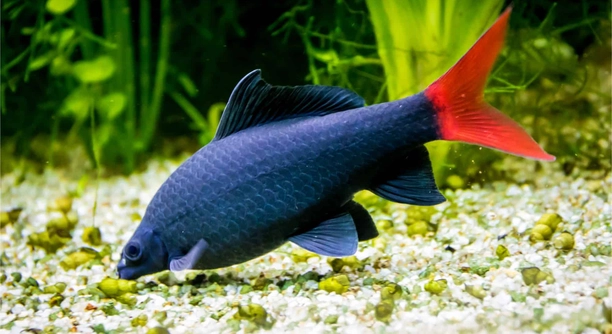
Rainbow sharks are popular aquarium fish known for their striking colors and active behavior. Sometimes, their actions can seem unusual or concerning to owners. Understanding common causes helps ensure these fish stay healthy and comfortable in their environment.
Rainbow sharks may act weird due to factors such as poor water quality, inadequate tank size, stress from tank mates, illness, improper diet, sudden environmental changes, or lack of hiding places. Identifying these causes is crucial for effective care and treatment.
Recognizing these issues early helps maintain your rainbow shark’s well-being and keeps your aquarium balanced and peaceful.
Poor Water Quality
Poor water quality is one of the main reasons a rainbow shark might act strangely. These fish need clean, well-filtered water to thrive. If ammonia, nitrite, or nitrate levels become too high, the fish can become stressed, leading to unusual behavior such as hiding, lethargy, or erratic swimming. Regular water changes and proper filtration are essential to keep the water safe. Testing the water weekly helps catch problems early. Additionally, pH and temperature should remain stable within the species’ preferred range to avoid stress. Neglecting these factors often leads to health issues that affect the fish’s behavior.
Maintaining optimal water conditions prevents many common health problems and keeps your rainbow shark active and healthy. Regular checks and maintenance can save you from bigger issues later.
Water quality directly impacts your rainbow shark’s immune system and overall well-being. Stress caused by poor conditions makes the fish more vulnerable to diseases. If you notice odd behavior, test the water immediately and adjust accordingly to protect your fish. Consistent care creates a stable environment where your rainbow shark can show its natural colors and lively temperament.
Tank Size and Space
Tank size plays a vital role in a rainbow shark’s behavior. These fish need enough room to swim and establish territory. A small or overcrowded tank often causes stress and aggression.
Rainbow sharks require a minimum of 30 gallons to thrive comfortably. A cramped environment limits their movement, increasing irritability and strange actions. Overcrowding with other active fish adds competition for space and resources. Providing ample hiding spots reduces tension and helps your fish feel secure. When possible, choose a larger tank to accommodate growth and territorial needs. Regularly rearranging décor can also help reduce territorial disputes. Proper space and a thoughtfully arranged environment promote calm behavior and healthy activity levels in rainbow sharks.
Stress from Tank Mates
Aggressive or overly active tank mates can cause stress in rainbow sharks. This stress often leads to hiding, reduced eating, or unusual swimming.
Stress from other fish usually results when tank mates invade the rainbow shark’s territory or nip its fins. Choosing peaceful, compatible species and providing enough space helps reduce this problem. Avoid keeping multiple rainbow sharks in the same tank unless it is very large, as they tend to be territorial.
Providing hiding spots and keeping an eye on fish behavior allows quick action if conflicts arise. Reducing stress improves the overall health and mood of your rainbow shark, making it less likely to act strangely.
Illness and Disease
Unusual behavior can be a sign of illness in rainbow sharks. Common diseases include fin rot, parasites, and bacterial infections.
Illness often develops from poor water conditions or stress. Symptoms such as clamped fins, discoloration, or lethargy require prompt attention. Quarantining sick fish and treating with appropriate medication can help. Early detection improves chances of recovery. Maintaining clean water and a balanced diet supports the fish’s immune system and prevents many diseases. Watch for changes in appetite or swimming patterns as early warning signs. Proper care is key to keeping your rainbow shark healthy and active.
Improper Diet
An unbalanced diet can cause your rainbow shark to act weird. Feeding too much or too little, or providing the wrong type of food, affects their energy and health.
Rainbow sharks need a mix of high-quality pellets, vegetables, and occasional protein treats. A varied diet supports their activity and coloration.
Sudden Environmental Changes
Sudden changes in water temperature or tank setup can stress rainbow sharks. Even small shifts in their environment may cause hiding or erratic swimming.
Maintaining a stable environment helps prevent stress. Avoid abrupt changes and introduce any adjustments gradually to keep your fish comfortable and calm.
Lack of Hiding Places
Rainbow sharks need places to retreat when feeling threatened or stressed. Without sufficient hiding spots, they may display unusual or anxious behavior.
Adding plants, caves, or decorations provides shelter and reduces stress. A well-decorated tank helps rainbow sharks feel safe and behave naturally.
FAQ
Why is my rainbow shark hiding all the time?
Rainbow sharks often hide when they feel stressed, scared, or unwell. Common causes include poor water quality, aggressive tank mates, or lack of hiding spots. Hiding is a natural behavior to avoid threats. Improving water conditions and adding caves or plants helps your fish feel safer and reduces constant hiding.
What does it mean if my rainbow shark is swimming erratically?
Erratic swimming usually signals stress, illness, or poor water conditions. Rapid changes in tank temperature, poor water quality, or parasites can cause this behavior. Testing water parameters and observing for signs of disease are important first steps. Treating any issues early will help your fish return to normal swimming patterns.
Can overcrowding affect my rainbow shark’s behavior?
Yes, overcrowding leads to stress and aggression among fish. Rainbow sharks are territorial and need space to establish their own area. Too many fish in a small tank increase competition for resources, causing unusual behavior such as chasing or hiding. Keeping the tank properly stocked prevents these problems.
How often should I feed my rainbow shark?
Feeding once or twice daily is usually enough. Overfeeding can pollute the tank and cause health problems, while underfeeding can reduce energy and dull coloration. Offer a balanced diet with pellets, vegetables, and occasional protein. Remove uneaten food promptly to maintain water quality.
What signs show my rainbow shark is sick?
Look for clamped fins, faded colors, lethargy, loss of appetite, or abnormal swimming. White spots or torn fins can indicate infections or parasites. Early detection helps prevent disease spread. Regular observation and good tank maintenance are key to keeping your fish healthy.
How important is tank size for rainbow sharks?
Tank size is very important. Rainbow sharks require at least 30 gallons to swim comfortably and reduce stress. Larger tanks provide enough space for multiple fish and help maintain stable water conditions. A small tank can cause aggressive behavior and poor health.
Can rainbow sharks live with other fish?
They can live with peaceful, similarly sized fish if the tank is large enough. Avoid keeping multiple rainbow sharks together in small tanks, as they become territorial. Compatible tank mates reduce stress and promote natural behavior.
What should I do if my rainbow shark is not eating?
Check water quality and tank conditions first. Stress or illness often causes loss of appetite. Try offering a variety of foods, such as sinking pellets or blanched vegetables. If the fish continues to refuse food, quarantine and consult with a vet or aquatic specialist.
How often should I test my aquarium water?
Testing water weekly is recommended. Parameters like ammonia, nitrite, nitrate, pH, and temperature affect fish health. Frequent testing helps catch problems early and ensures a stable environment for your rainbow shark.
Why does my rainbow shark chase other fish?
Chasing is a territorial behavior, especially if the tank is too small or overcrowded. It can also happen during feeding or breeding periods. Providing enough space, hiding spots, and compatible tank mates reduces aggressive chasing.
Final thoughts about your rainbow shark’s behavior focus on understanding the many factors that influence how this fish acts. Rainbow sharks are sensitive to their environment, and small changes can affect their mood and health. Paying attention to water quality, tank size, diet, and tank mates is essential. These elements all play a role in keeping your fish calm and active. When a rainbow shark acts weird, it is usually a sign that something in its environment needs adjusting or that the fish may be unwell.
Consistency in tank maintenance is one of the best ways to prevent unusual behavior. Regular water changes and monitoring water parameters keep the aquarium stable and safe. Proper filtration and avoiding overcrowding also help create a balanced habitat. This stability reduces stress and supports the fish’s immune system, lowering the chance of illness. Providing a varied diet and enough space for swimming and hiding will keep your rainbow shark comfortable and healthy. Each of these care steps works together to maintain good behavior.
Sometimes, even with the best care, rainbow sharks may show signs of stress or illness. Recognizing these signs early is important for quick action and treatment. Unusual swimming, hiding, or loss of appetite should not be ignored. Taking the time to observe your fish regularly and address any problems can make a big difference. Keeping the environment stable and meeting your rainbow shark’s needs will help it live a longer, happier life in your aquarium.

Hello,
If you enjoy the content that we create, please consider saying a "Thank You!" by leaving a tip.
Every little bit helps us continue crafting quality advice that supports the health, happiness, and well-being of pets around the world, for pets of all shapes, sizes, and species.
We really appreciate the kindness and support that you show us!