
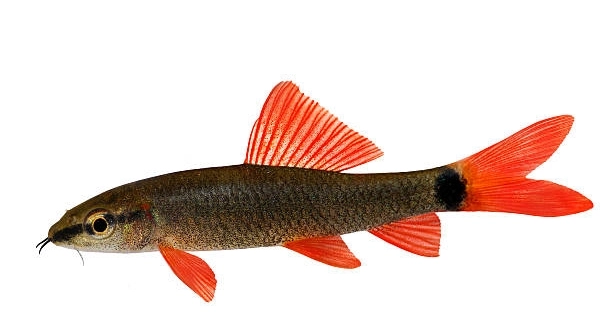
Caring for a rainbow shark means paying attention not only to its needs but also to the well-being of its tankmates. Healthy companions create a balanced environment that benefits all fish in the aquarium. Proper care helps prevent common health problems and stress.
Maintaining the health of your rainbow shark’s tankmates involves several key practices. These include monitoring water quality, providing a varied diet, avoiding overcrowding, and ensuring compatibility among species to promote a stable and healthy aquarium environment.
Knowing how to support all fish in the tank will improve their overall health and happiness. This article shares practical tips to help you create a thriving community for your aquatic pets.
Keep the Water Clean and Stable
Maintaining clean water is the foundation of a healthy aquarium. Rainbow sharks and their tankmates thrive best in water that is clear, well-filtered, and stable in temperature and pH. Regular water changes, about 20-30% weekly, help remove waste and toxins that build up over time. Testing the water for ammonia, nitrite, and nitrate levels ensures the environment remains safe. Sudden changes in water parameters can stress fish, making them more prone to illness. Using a reliable filter and cleaning it regularly supports the biological balance of the tank. Avoid overfeeding, as leftover food decomposes and pollutes the water. Consistency is key—keep the water temperature steady between 74-80°F (23-27°C) and maintain pH around 6.5 to 7.5 for best results. A clean, stable tank reduces stress and supports the immune system of all fish, including your rainbow shark’s companions.
Regular water testing is vital to spot problems early and keep fish healthy.
Understanding how water quality impacts fish health helps prevent common diseases and keeps tankmates thriving in harmony.
Provide a Balanced Diet for All Tankmates
Feeding a variety of foods is essential for the health of your rainbow shark and its tankmates. Different fish species have different dietary needs, so offering a mix of flakes, pellets, frozen, and live foods helps cover all nutritional bases. Rainbow sharks enjoy sinking pellets and occasional protein-rich treats, but other fish might prefer flakes or vegetables. Feeding small amounts twice a day prevents leftover food that pollutes the tank. Watching your fish during feeding time can also reveal if any are not eating well or being bullied. Including vegetable matter like blanched spinach or zucchini is helpful for herbivorous species in the tank. A balanced diet strengthens fish immune systems, supports growth, and enhances their colors. Avoid overfeeding, as it leads to poor water quality and health issues. Making sure all tankmates get the right food helps everyone stay healthy and active.
Avoid Overcrowding
Overcrowding in the tank causes stress and increases waste buildup, leading to poor water quality. Fish need space to swim and hide, so it’s important to keep the population balanced.
Too many fish in a tank reduce oxygen levels and cause aggressive behavior. Rainbow sharks are territorial, and when their space is limited, they may attack tankmates. Providing enough room helps each fish claim its own territory and lowers conflicts. A general rule is one inch of fish per gallon of water, but always consider the species’ needs and activity levels. Overcrowded tanks also make it harder to maintain water quality, increasing the risk of disease outbreaks.
If space is limited, consider a larger tank or fewer fish. Proper tank size improves fish health, reduces stress, and creates a peaceful community. Observing your fish for signs of stress or aggression can guide adjustments in stocking levels for better harmony.
Choose Compatible Tankmates
Compatibility plays a crucial role in maintaining a peaceful tank environment. Mixing aggressive or fast-moving fish with shy species causes stress and harm.
Selecting species with similar temperaments and water needs helps your rainbow shark live alongside others comfortably. Avoid slow-moving or small fish that rainbow sharks might bully. Ideal tankmates include bottom dwellers and medium-sized fish that tolerate similar water conditions. Research each species before adding them to ensure they get along well and have matching care requirements. Compatibility reduces fighting, stress, and injuries, which contributes to healthier tankmates and a stable tank community.
When fish share space without constant competition, they show natural behaviors and thrive better. Paying attention to compatibility helps maintain a balanced, calm aquarium that benefits every fish’s well-being.
Provide Hiding Spots
Hiding spots reduce stress by giving fish a safe place to retreat. Plants, caves, and decorations create these necessary shelters.
Different fish prefer different hiding places, so variety is best. This helps shy or smaller fish feel secure around more active tankmates.
Monitor Fish Behavior
Watching your fish daily helps catch early signs of illness or stress. Look for changes in swimming, appetite, or appearance.
Early detection allows for quick action, preventing problems from spreading and protecting all tankmates’ health.
Avoid Sudden Changes
Sudden changes in water temperature, pH, or lighting can stress fish. Stress weakens their immune system, making illness more likely.
Keep all conditions steady and make changes slowly to support long-term health and stability in the tank.
FAQ
How often should I clean my rainbow shark’s tank?
Regular cleaning is essential for a healthy tank. Partial water changes of 20-30% should be done every week to remove waste and toxins. Cleaning the filter monthly and removing algae build-up helps maintain water quality. Avoid deep cleaning all at once, as it can disrupt beneficial bacteria.
Can rainbow sharks live with other aggressive fish?
Rainbow sharks are territorial but not overly aggressive if given enough space. Mixing them with aggressive fish can lead to constant fighting and stress. It’s better to choose peaceful or semi-aggressive tankmates with similar size and temperament to avoid injury and stress.
What is the ideal tank size for a rainbow shark and its tankmates?
A minimum of 30 gallons is recommended for one rainbow shark. Add 10 gallons per additional fish to prevent overcrowding. Larger tanks provide more swimming space and help maintain stable water conditions, which benefit all tankmates.
How do I know if my tankmates are stressed?
Signs of stress include hiding, loss of appetite, faded colors, and erratic swimming. Stressed fish may also develop diseases more easily. Regular observation helps catch these signs early, so you can adjust tank conditions or check for illness.
What type of diet should I provide for tankmates?
Feed a variety of foods suitable for each species. Offer flakes, pellets, frozen or live foods, and vegetable matter as needed. Avoid overfeeding to prevent water pollution and ensure all fish get their nutritional needs met.
Can overcrowding cause health issues?
Yes, overcrowding leads to poor water quality and increases stress and aggression. This environment weakens fish immune systems, making them prone to infections and parasites. Maintaining proper stocking levels is key to a healthy tank community.
Are live plants necessary in the tank?
Live plants aren’t strictly necessary but greatly benefit tank health. They provide hiding spots, absorb nitrates, and improve water quality. Some fish enjoy nibbling on plants, adding natural variety to their diet and habitat.
How do I introduce new fish to a tank with a rainbow shark?
Introduce new fish slowly and quarantine them first to prevent disease. Add them during feeding time to distract the rainbow shark and reduce aggression. Watch closely for signs of bullying and be ready to separate if needed.
What water parameters should I maintain?
Keep temperature between 74-80°F (23-27°C), pH between 6.5 and 7.5, and ammonia and nitrite levels at zero. Nitrate should be below 20 ppm. Regular testing helps maintain these levels, preventing stress and illness.
What should I do if a fish gets sick?
Isolate the sick fish in a quarantine tank if possible. Test water quality and adjust if needed. Use appropriate medications based on the illness. Early treatment improves chances of recovery and protects other tankmates.
Final Thoughts
Taking care of a rainbow shark and its tankmates requires attention to several important factors. Clean and stable water conditions are essential to keep fish healthy and stress-free. Regular water changes and testing help maintain a safe environment. Avoiding overcrowding and choosing compatible species also prevent conflicts and reduce stress. Providing hiding spots helps shy or smaller fish feel secure. Watching your fish closely lets you notice any early signs of illness or discomfort, so you can act quickly to protect their health.
Feeding a balanced diet tailored to the needs of each species keeps your fish strong and vibrant. Overfeeding should be avoided because it leads to poor water quality and can cause health problems. Keeping the tank environment consistent without sudden changes helps all the fish adapt and thrive. Introducing new fish carefully, while monitoring behavior, prevents stress and aggression in the community. Each of these steps supports a peaceful and healthy aquarium where your rainbow shark and its tankmates can live happily together.
Creating a healthy tank environment takes some effort, but it is rewarding. When your fish are healthy and calm, you can enjoy watching their natural behaviors and colors. By following simple but important care practices, you make sure your aquarium stays balanced and enjoyable for a long time. Remember, a good home for your rainbow shark includes care for every fish sharing the space. This way, your entire aquatic community can thrive and bring you satisfaction as a fish keeper.

Hello,
If you enjoy the content that we create, please consider saying a "Thank You!" by leaving a tip.
Every little bit helps us continue crafting quality advice that supports the health, happiness, and well-being of pets around the world, for pets of all shapes, sizes, and species.
We really appreciate the kindness and support that you show us!