
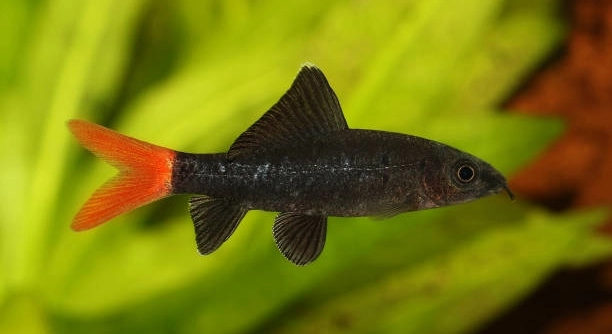
Rainbow sharks are popular aquarium fish known for their vibrant colors and active behavior. However, they can sometimes show aggression, which may disrupt the tank’s harmony and stress other fish. Managing this aggression is important for a peaceful aquatic environment.
Aggression in rainbow shark tanks is commonly influenced by territorial behavior, insufficient space, and environmental stressors. Implementing tank modifications, proper feeding routines, and social adjustments can significantly reduce aggressive tendencies and promote balance within the aquarium.
These practical strategies will help maintain a calmer and healthier tank environment for your rainbow sharks and their tank mates.
Provide Adequate Space and Hiding Spots
Rainbow sharks need enough room to swim freely and establish their own territory. A cramped tank can increase stress and cause them to act aggressively toward other fish. A minimum tank size of 30 gallons is recommended for a single rainbow shark, with larger tanks needed if you keep more. Adding hiding places such as caves, plants, or decorations helps create safe zones where fish can retreat when feeling threatened. These spots reduce conflict by giving them areas to escape and feel secure. Arranging the tank thoughtfully encourages natural behavior and decreases aggression. Regularly rearranging decorations can also prevent one fish from dominating a particular area.
Creating a balanced tank layout with ample swimming space and plenty of cover improves the overall environment and lowers aggressive behaviors in rainbow sharks. This adjustment alone often results in noticeable calmness.
Adequate space combined with multiple hiding spots creates a stable setting. This supports a peaceful tank dynamic, allowing rainbow sharks to coexist more comfortably with other fish and reducing the chance of injury from fights.
Maintain Proper Feeding Practices
Overfeeding or uneven feeding can increase aggression as rainbow sharks compete for food. Feeding small amounts multiple times a day helps prevent hunger-driven fights. Use sinking pellets or wafers to reach bottom dwellers and ensure even access for all fish. Feeding at consistent times creates routine and reduces competition stress. Remove leftover food promptly to avoid water quality issues that might irritate fish further. Also, avoid sudden diet changes, as this can cause stress and increase territorial behavior. Observing how your fish respond during feeding helps adjust portions and frequency.
A well-planned feeding routine supports calmer interactions and reduces aggressive competition over food.
Balanced feeding helps reduce stress and aggression by meeting nutritional needs without overcrowding the tank during mealtimes. This method encourages peaceful coexistence and supports overall health.
Establishing clear feeding habits prevents dominant fish from monopolizing resources. When each rainbow shark receives adequate nutrition, they are less likely to fight, making the tank environment more harmonious and stable over time.
Monitor Water Quality Closely
Poor water quality often increases stress and aggression in rainbow sharks. Regularly test for ammonia, nitrites, and nitrates to keep levels safe. Clean the tank as needed and perform partial water changes weekly to maintain a healthy environment.
Maintaining stable water conditions reduces irritability and supports the fish’s natural behavior. Rainbow sharks thrive in clean water with stable temperature and pH. Neglecting water quality leads to discomfort, making them more prone to aggressive actions. Proper filtration and regular maintenance keep the tank environment optimal, helping reduce tensions among tank mates.
Keeping water parameters consistent ensures that fish remain healthy and less stressed. Stress from poor water quality can trigger increased territorial disputes. When the tank is well-maintained, rainbow sharks are calmer and more likely to coexist peacefully.
Introduce Compatible Tank Mates
Choosing peaceful fish species helps minimize aggression in a rainbow shark tank. Avoid aggressive or fin-nipping fish that might provoke conflict. Good companions include small, non-aggressive species like tetras or danios.
Compatibility reduces stress caused by territorial disputes and constant chasing. Rainbow sharks can be territorial, but calm tank mates do not usually trigger fights. Introducing fish that occupy different tank levels also helps avoid competition. Keeping the number of rainbow sharks low prevents overcrowding and reduces territorial tension. Introducing new fish gradually and monitoring interactions ensures the tank stays balanced and harmonious.
Control Lighting and Tank Environment
Bright lighting can stress rainbow sharks and increase aggression. Use dimmer or adjustable lighting to create a comfortable atmosphere. Providing a natural day-night cycle helps regulate their behavior and reduces stress.
Adding floating plants or shaded areas softens the light. This creates hiding spots and lowers tension among fish. Adjusting light intensity based on the tank’s needs encourages calmer interactions.
Limit the Number of Rainbow Sharks
Overcrowding leads to competition and increased aggression. Keeping only one or two rainbow sharks per tank reduces territorial fights and stress.
When the population is balanced, fish have enough space and resources, which promotes peace in the aquarium.
Regularly Observe Behavior
Frequent monitoring helps identify early signs of aggression or stress. Early intervention can prevent fights from escalating.
Spotting issues quickly allows timely adjustments to improve tank conditions and harmony.
FAQ
Why is my rainbow shark so aggressive?
Aggression in rainbow sharks usually comes from territorial instincts. They naturally defend their space, especially if the tank is too small or overcrowded. Stress from poor water quality, lack of hiding places, or incompatible tank mates can also increase aggressive behavior. Providing enough room and a well-structured environment helps reduce this.
How can I tell if aggression is causing harm to my other fish?
Look for signs like torn fins, constant chasing, or hiding fish that rarely come out. Injuries or stress-related illnesses might appear in more timid tank mates. If aggression persists, it’s important to intervene by adjusting the environment or separating fish temporarily.
Can adding more rainbow sharks reduce aggression?
Adding more rainbow sharks isn’t always helpful. Overcrowding usually makes aggression worse because each fish feels the need to defend its territory. A larger tank with fewer rainbow sharks is better for reducing conflicts and maintaining peace.
What tank size is best to minimize aggression?
A minimum of 30 gallons for one rainbow shark is recommended. For multiple rainbow sharks, a larger tank—50 gallons or more—is needed. This space helps each fish establish its own territory and reduces stress from overcrowding.
Are there specific tank mates that work well with rainbow sharks?
Yes. Peaceful, non-aggressive fish like tetras, danios, and some catfish species are good companions. They tend to occupy different tank levels, which reduces competition and territorial disputes. Avoid aggressive or fin-nipping fish to keep the tank calm.
How often should I clean the tank to reduce aggression?
Weekly partial water changes of about 20-25% help keep water clean and reduce stress. Regular filter maintenance is also important. Clean water supports fish health and decreases irritability, which can lower aggressive behavior.
Does feeding schedule affect aggression?
Yes. Feeding small amounts multiple times a day prevents hunger-driven fights. Using sinking pellets ensures rainbow sharks and other bottom dwellers get their share. Consistent feeding times create routine and reduce competition.
Can rearranging tank decorations reduce aggression?
Yes. Changing the layout disrupts established territories and helps prevent one fish from dominating an area. Adding new hiding spots also encourages more peaceful interactions by offering retreats during conflicts.
What water parameters are ideal for rainbow sharks?
Rainbow sharks prefer water temperatures between 72°F and 79°F (22°C to 26°C). The pH should be around 6.5 to 7.5. Stable water conditions prevent stress and reduce aggressive behavior.
Should I separate aggressive fish?
If aggression causes injury or severe stress, separating the aggressive fish temporarily can help. This allows recovery and reduces tension. After some time, reintroduce fish gradually while monitoring behavior closely.
Does lighting impact aggression?
Bright, constant lighting can increase stress and aggression. Providing dimmer light or shaded areas helps create a calmer environment. Mimicking natural day-night cycles supports healthier fish behavior.
How can I tell if my rainbow shark is stressed?
Signs include hiding often, loss of appetite, rapid breathing, and aggressive outbursts. Stress usually results from poor water quality, overcrowding, or lack of hiding spaces. Addressing these causes quickly can improve the fish’s condition.
Is it normal for rainbow sharks to chase other fish?
Chasing is common because rainbow sharks are territorial. However, constant or violent chasing is a problem. Creating more space and adding hiding places reduces chasing and helps fish coexist peacefully.
What role does diet play in aggression?
A balanced diet supports overall health and reduces irritability. Poor nutrition or sudden diet changes can increase stress and aggression. Feeding a varied diet suitable for rainbow sharks helps maintain calm behavior.
Managing aggression in your rainbow shark tank takes attention and care, but it is possible to create a peaceful environment. Providing enough space and hiding places is one of the most effective ways to reduce conflicts. Rainbow sharks are naturally territorial, so giving them room to claim their own area helps lower stress levels. Adding decorations, plants, and caves gives them places to retreat when they feel threatened. This setup helps balance their need for space with the social nature of aquarium life. Clean water and proper filtration are equally important, as poor water quality can increase irritation and aggressive behavior. Regular water testing and partial changes keep the tank environment healthy for all fish.
Feeding habits also play a key role in reducing aggression. Feeding small portions multiple times a day ensures all fish get enough food without competing fiercely during meals. Using sinking pellets helps rainbow sharks, which are bottom feeders, get their share. Maintaining a consistent feeding schedule creates a routine that reduces stress during feeding times. It is important to avoid overcrowding the tank with too many rainbow sharks or incompatible species. Choosing peaceful tank mates and keeping fish numbers balanced helps prevent territorial fights. Introducing new fish slowly and observing their behavior can catch problems early before they escalate.
Observing your tank regularly is essential for long-term success. Watch how your rainbow sharks and other fish interact. Early signs of aggression or stress can be addressed with small changes before problems worsen. Adjusting tank layout, lighting, or water conditions often leads to calmer behavior. If aggression becomes severe, separating the most aggressive fish temporarily may be necessary. Over time, these efforts create a stable and healthy tank where rainbow sharks can thrive alongside other fish peacefully. Managing aggression takes time and patience, but the results are worth it for a more enjoyable aquarium experience.

Hello,
If you enjoy the content that we create, please consider saying a "Thank You!" by leaving a tip.
Every little bit helps us continue crafting quality advice that supports the health, happiness, and well-being of pets around the world, for pets of all shapes, sizes, and species.
We really appreciate the kindness and support that you show us!