
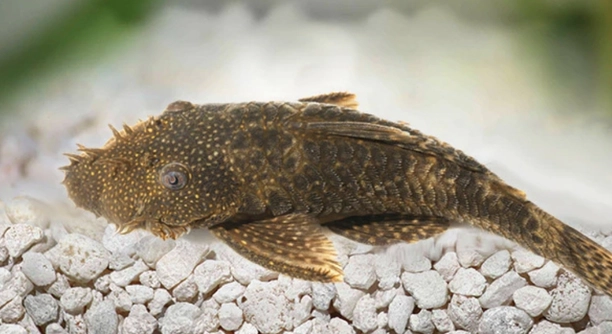
Have you ever noticed your pleco swimming around its tank, seemingly searching for a spot to rest? Many aquarium owners observe these fish seeking quiet spaces, but the type of hiding spot can influence their comfort and behavior.
Plecos generally show a preference for wood hiding spots over rocks due to their natural inclination to graze and scrape surfaces. Wood provides both shelter and a source of nutrition, whereas rocks primarily offer only a place to hide without additional benefits.
Choosing the right hiding spots can improve your pleco’s wellbeing and overall tank harmony, making it important to consider both their natural habits and preferences.
Natural Hiding Preferences
Plecos naturally spend much of their time hiding to feel safe and reduce stress. In the wild, they often choose submerged wood or tree roots over rocky areas. These wooden structures allow them to graze, scrape off biofilm, and explore small crevices, which matches their feeding behavior. Rocks, on the other hand, are usually less inviting because they offer only a flat surface without added benefits. Providing wood in your tank mimics their natural environment, giving them comfort and nutrition simultaneously. Different species of plecos may have slightly varied preferences, but most benefit from a combination of both wood and rock. Wood also encourages natural behaviors like territorial exploration and nocturnal activity. Rocks can still complement the tank for aesthetic purposes and occasional climbing, but they rarely serve as the primary resting spot. Understanding these habits helps maintain healthier, calmer fish over time.
Offering wood as the main hiding spot improves pleco activity and reduces stress within the aquarium.
Selecting proper hiding areas is essential to support both physical and behavioral health. Wood should be chosen carefully to avoid toxicity, and sizes should match the pleco’s species. Rocks can be used sparingly, ensuring edges are smooth to prevent injury. Observing your pleco’s interactions with each hiding option allows you to adjust placement for maximum comfort. With the right setup, plecos will feel secure and display more natural behaviors, which is a sign of good tank management. Regular maintenance of wood is also important to prevent decay and maintain water quality. By creating an environment that balances hiding spots, grazing surfaces, and swimming areas, plecos thrive, showing better growth and coloration over time. This careful selection enhances the tank visually while supporting the species’ natural tendencies, helping you maintain a peaceful and functional aquarium.
Choosing Between Rocks and Wood
Wood is generally more beneficial for plecos than rocks because it allows grazing and hiding.
While rocks can create visual structure, wood offers nutritional value and encourages natural behavior. Selecting durable, aquarium-safe wood ensures the pleco’s health, while placement should allow easy access and movement. Regular cleaning prevents buildup. Observing pleco behavior helps determine the most suitable balance between hiding and grazing areas, promoting both physical and mental wellbeing. Properly placed wood improves activity, reduces aggression, and makes the tank feel natural, supporting long-term comfort for the fish. By combining functional wood with decorative rocks, the tank remains visually appealing without compromising the pleco’s needs, giving a practical and safe environment for them to thrive.
Benefits of Wood Hiding Spots
Wood provides more than just shelter for plecos. It allows them to graze, scrape biofilm, and maintain natural behaviors. Over time, it can even improve their digestion and overall health. Rocks, while safe, cannot offer these benefits.
Using wood in the aquarium creates a more natural environment that supports the pleco’s instincts. It encourages exploration, reduces stress, and can prevent boredom by giving them surfaces to interact with. Different species may prefer different types of wood, but in general, driftwood or smooth, submerged pieces work best. Properly prepared wood also avoids water discoloration or harmful substances, ensuring the tank stays safe. Placement should allow easy access without overcrowding the tank. Over time, plecos will develop routines around their favorite hiding spots, often choosing wood first for resting or feeding. Observing these preferences helps maintain an environment that supports both health and comfort.
Wood also helps maintain water chemistry by slightly lowering pH and softening water, which benefits plecos from natural habitats. This subtle adjustment can reduce stress and mimic their preferred conditions. Regular checks prevent decay, and soaking wood before adding it prevents excessive tannin release. Combining multiple wood pieces allows for varied hiding options, encouraging active movement while maintaining secure resting areas. Rocks can still complement the tank visually, but wood remains essential for promoting grazing and natural behavior. Monitoring the fish ensures their chosen spots meet both comfort and dietary needs.
Rocks as Hiding Spots
Rocks can offer secure places for plecos to rest, but they provide limited benefits beyond shelter.
Smooth, stable rocks help plecos feel safe and can create visual depth in the aquarium. They are durable and easy to clean, making them practical for tank maintenance. However, unlike wood, rocks do not provide surfaces for grazing or nutrition, so their primary role is protection. Placement matters—rocks should not block swimming areas or crowd the tank, and edges must be smooth to prevent injury. Observing pleco behavior helps determine which areas are actually used and which remain ignored. Combining rocks with wood allows a balance of aesthetic appeal and functional hiding spots, supporting both natural instincts and tank safety.
Combining Rocks and Wood
Using both rocks and wood in a tank provides plecos with varied options. Rocks offer stability and shelter, while wood supports grazing and natural behaviors. Together, they create a balanced environment that meets both safety and dietary needs.
Strategically placing wood near rocks can create cozy corners for plecos. They can rest, hide, or explore depending on their mood. This combination reduces stress, encourages activity, and allows observation of their natural preferences. A mix of textures and surfaces keeps the aquarium interesting for the fish while maintaining practicality for tank maintenance.
Observing Pleco Preferences
Watching pleco behavior helps identify favorite hiding spots. Each fish may prefer certain wood types or rock arrangements.
By noting where plecos spend the most time, adjustments can be made to improve comfort. Some may favor horizontal wood branches, others vertical logs. Rocks near caves or under ledges can also be popular. Observing these choices ensures the tank setup aligns with their natural instincts and provides safe resting areas. Adjusting placements over time encourages activity and reduces territorial disputes, giving plecos a more stable and secure environment.
Maintenance Considerations
Wood and rocks need regular cleaning to prevent algae buildup and decay.
Keeping hiding spots clean ensures water quality and prevents bacteria growth. Submerged wood should be checked for softness, while rocks can be scrubbed gently. Regular maintenance protects both the fish and the tank ecosystem.
FAQ
Do plecos need both wood and rocks in their tank?
Plecos do best when provided with both wood and rocks, though wood is generally more important. Wood allows grazing, mimics natural habitats, and gives nutrition through biofilm. Rocks provide safe hiding places and visual variety but do not contribute to diet or digestion. Combining both creates a balanced, comfortable environment.
How do I choose the right wood for plecos?
Choose smooth, aquarium-safe woods such as driftwood, Malaysian driftwood, or Mopani wood. Avoid woods that may leach toxins or decay quickly. Soak wood before adding it to remove excess tannins. The size should fit the pleco species—large pieces for big plecos, smaller branches for smaller species. Wood placement should allow easy access and not crowd swimming areas.
Can plecos damage the wood or rocks?
Plecos naturally scrape and graze on wood, which is normal and beneficial. Over time, soft wood may wear down, but this is expected. Rocks are usually unaffected, though rough edges can cause minor injuries. Using smooth, stable rocks minimizes risk while maintaining safe hiding spots.
How often should I clean wood and rocks in the tank?
Regular cleaning prevents algae buildup and decay. Wood should be gently scrubbed and monitored for softness, which indicates it’s deteriorating. Rocks can be scrubbed with a brush to remove algae or debris. Avoid harsh chemicals—use only water or aquarium-safe tools. Cleaning frequency depends on tank conditions, usually every few weeks.
Do plecos prefer certain types of hiding spots over others?
Most plecos prefer wood because it allows grazing and natural behaviors. Rocks are secondary and mainly provide shelter. Some species have specific preferences; for example, bristlenose plecos often hide under flat wood or branches, while larger plecos may choose caves formed by rock and wood combinations. Observing behavior helps adjust the tank.
Will adding more hiding spots reduce aggression?
Yes. Multiple hiding spots reduce territorial disputes among plecos. Each fish can claim a preferred area, lowering stress and aggression. Mixing wood and rocks creates varied spaces that accommodate different species or sizes. Proper layout and spacing are important to ensure all plecos feel safe and can retreat when needed.
Does wood affect water quality?
Yes, wood can slightly lower pH and soften water, which often benefits plecos from natural habitats. However, excessive tannins can discolor water. Pre-soaking and periodic checks prevent extreme changes. Regular monitoring of water parameters ensures a stable environment while maintaining the benefits of wood for grazing and shelter.
Can rocks provide nutritional benefits for plecos?
Rocks do not offer direct nutrition. Their main benefit is structure and safety, allowing plecos to hide or rest. Wood is the source of biofilm and surfaces for natural scraping behavior. Combining both ensures the tank supports both dietary needs and safe resting areas.
How do I know if my pleco is happy with its hiding spots?
A content pleco will explore, graze, and rest without excessive hiding. It will use wood for grazing and occasionally rocks for shelter. Stress behaviors, like constant hiding or aggression, indicate adjustments are needed. Observing interactions with the tank setup helps determine whether current placements meet their natural preferences.
Can I rearrange hiding spots without stressing plecos?
Yes, but do it gradually. Sudden changes can cause stress or territorial disputes. Move one piece at a time and observe reactions. Over time, plecos adapt and may explore new areas. Gradual rearrangement encourages activity while maintaining comfort and safety in the tank.
Are certain combinations of wood and rock better for specific pleco species?
Yes, size and species matter. Smaller plecos prefer narrow crevices and thin wood branches. Large plecos need bigger wood pieces and wide caves between rocks. Species that graze heavily benefit from more wood, while those seeking security may favor rock caves. Observation and trial-and-error often provide the best setup.
How many hiding spots are enough?
Provide multiple hiding spots, ideally one per pleco plus extra. This prevents competition and stress. Mix wood and rocks to create varied options. The exact number depends on tank size, species, and number of fish. Ensuring enough space for each pleco promotes natural behavior and a peaceful environment.
Is it necessary to replace wood or rocks over time?
Wood may need replacement if it becomes too soft or starts decaying. Rocks rarely need replacement unless damaged or unsafe. Regular monitoring ensures the tank remains safe, functional, and aligned with pleco preferences. Replacement should be gradual to prevent stress and maintain stability.
Can hiding spots affect breeding behavior?
Yes, hiding spots influence comfort and territorial behavior, which impacts breeding. Wood provides secure places for egg-laying in some species, while rocks can create secluded caves. Adequate hiding spots reduce stress and encourage natural mating behaviors, increasing the chances of successful breeding.
Do plecos use hiding spots differently during the day and night?
Plecos are mostly nocturnal, so they may remain hidden during the day and become active at night. Wood and rock arrangements allow flexible movement and security. Observing activity cycles helps determine whether hiding spots are being used effectively and if additional adjustments are needed to accommodate natural behavior.
Can improper placement of wood or rocks harm plecos?
Yes. Sharp edges, unstable structures, or overcrowding can injure or stress plecos. Ensure rocks are stable, wood is securely submerged, and hiding spots do not block swimming areas. Careful placement protects plecos and encourages exploration, grazing, and natural resting behaviors without unnecessary risk.
Do plecos need hiding spots as they age?
Yes, older plecos continue to rely on hiding spots for security and stress reduction. They may spend more time resting under wood or in rock caves. Providing comfortable and safe areas throughout their life promotes wellbeing, longevity, and natural behavior patterns in the tank.
How can I tell if plecos prefer wood over rocks?
Observe where they spend the most time grazing, resting, or hiding. If wood is used frequently for grazing and shelter while rocks are used less, the preference is clear. Recording behavior over several days ensures accurate assessment and informs adjustments for an ideal tank layout.
Are there any risks with too much wood in the tank?
Excess wood can lower pH excessively, discolor water, or reduce swimming space. Balance wood with open areas and rocks to maintain water quality and freedom of movement. Regular monitoring prevents problems while still providing grazing and hiding options that plecos enjoy.
Does tank size affect hiding spot preferences?
Yes, smaller tanks may require careful arrangement to avoid overcrowding, while larger tanks allow more freedom to provide multiple wood and rock options. Sufficient space ensures each pleco can access preferred hiding spots without stress or conflict. Placement should optimize security, activity, and natural behavior.
Can other tank inhabitants impact pleco hiding behavior?
Yes, other fish can influence plecos’ use of hiding spots. Aggressive or territorial species may force plecos into certain areas. Ensuring adequate wood and rock coverage reduces stress and provides escape routes. Observing interactions allows adjustments to maintain peace and comfort for all tank inhabitants.
How often should I observe pleco hiding behavior?
Regular observation, a few times per week, helps track comfort and health. Watching where they hide, rest, and graze identifies preferences and indicates whether tank setup needs adjustment. Consistent monitoring supports wellbeing and ensures hiding spots remain functional and safe.
Does the type of substrate matter for hiding spots?
Yes, soft sand or fine gravel complements wood and rock hiding spots. It allows burrowing or resting without injury and supports natural grazing behavior. Substrate choice can affect comfort, accessibility, and overall tank dynamics, so it should be compatible with the selected hiding spots.
Can hiding spots influence pleco growth?
Providing appropriate hiding spots reduces stress, encourages activity, and allows grazing, all of which contribute to healthy growth. Stress-free fish often display better coloration, appetite, and overall health. Ensuring both wood and rocks are available supports natural behavior and long-term wellbeing, indirectly influencing growth and vitality.
Are there seasonal or environmental factors affecting hiding spot use?
Temperature, lighting, and water flow can change how plecos use hiding spots. During bright daylight or high flow, they may stay hidden more. Adjusting hiding spots or adding shaded areas can accommodate seasonal changes, helping plecos feel secure and encouraging natural activity patterns.
Do plecos ever ignore hiding spots entirely?
Some plecos may temporarily avoid hiding spots if the tank is new or they are stressed. Over time, they usually explore and claim preferred areas. Observation and gradual acclimation help ensure hiding spots are used effectively, supporting comfort, grazing, and normal behavior.
Can rearranging wood and rocks encourage activity?
Yes, carefully changing placements can stimulate exploration and grazing. Avoid sudden, drastic moves that stress fish. Gradual rearrangement keeps the environment interesting while maintaining safety. Combining wood and rocks strategically can refresh their routines and promote more natural behavior.
Are there signs of stress related to hiding spots?
Constant hiding, avoiding certain areas, or aggression toward other plecos can indicate stress. Improper placement, overcrowding, or unsafe structures often cause these behaviors. Adjusting wood and rock arrangements can alleviate stress and improve overall wellbeing.
Is it okay to have artificial decorations instead of natural wood and rocks?
Artificial items can provide hiding spots but rarely offer the same grazing benefits as wood. Smooth, safe decorations can supplement natural wood and rocks but should not replace them entirely. Observing pleco behavior will reveal whether they engage with artificial elements or prefer natural options.
How does tank lighting affect hiding spot use?
Bright lighting encourages plecos to stay hidden during the day. Providing shaded areas with wood and rocks allows them to feel secure. Adjusting light intensity or placement can influence where plecos choose to rest and graze, maintaining comfort and promoting natural activity cycles.
Do plecos rearrange hiding spots themselves?
Most plecos cannot move large rocks or heavy wood. They may shift smaller items or rearrange substrate slightly. Observing such behavior can indicate preferences or areas that require adjustments to meet their needs safely.
Can adding plants complement hiding spots?
Yes, live or artificial plants provide additional cover and reduce stress. Plants near wood and rocks create layered hiding spaces, offering both security and grazing surfaces. Combining plants, wood, and rocks enhances the natural feel of the tank while supporting pleco behavior.
Are there risks in overcrowding hiding spots?
Yes, too many wood and rock structures can limit swimming space and cause territorial disputes. Proper spacing is crucial to ensure each pleco can access preferred hiding areas without stress. A balance between open water, grazing surfaces, and shelter ensures safety and activity.
Do juvenile plecos have different hiding preferences than adults?
Juveniles often require smaller crevices and thinner wood pieces to feel secure. Adults may prefer larger wood logs or wider rock caves. Providing appropriately sized hiding spots for different life stages supports growth, reduces stress, and encourages natural behavior at all ages.
How important is hiding spot diversity?
High diversity allows plecos to choose based on mood, activity level, and comfort. Mixing wood shapes, sizes, and rock types supports grazing, resting, and exploration. Diversity reduces stress, encourages natural behavior, and accommodates multiple species or sizes within the same tank, promoting long-term wellbeing.
Can hiding spots affect feeding behavior?
Yes, plecos often graze while resting on wood or near rocks. Accessible hiding spots allow safe feeding without competition. Proper placement ensures plecos can reach food sources and surfaces for scraping, supporting nutrition and reducing stress during feeding periods.
Are there signs a hiding spot is not suitable?
Soft or decaying wood, sharp rocks, or overcrowded areas may cause injury or avoidance. Plecos may ignore these spots or show stress. Monitoring behavior and adjusting placements ensures all hiding areas are safe, functional, and comfortable for the fish.
Do water flow and filtration impact hiding spot use?
Strong currents may push plecos away from certain areas. Placing wood and rocks in calmer zones allows safe resting and grazing. Filtration systems should not interfere with preferred hiding spots, ensuring plecos can retreat without being disturbed by excessive water movement.
Can hiding spots help with tank aggression?
Yes, additional hiding spots give territorial fish space to retreat, reducing conflict. Adequate wood and rock placements prevent bullying, support social harmony, and allow plecos to establish their own preferred areas safely, promoting a balanced and peaceful tank environment.
Is it necessary to adjust hiding spots as the tank matures?
Yes, as plants grow, substrate settles, or fish grow, hiding spots may need repositioning. Gradual adjustments maintain safety, comfort, and grazing opportunities, ensuring plecos continue to benefit from wood and rock structures throughout the tank’s life.
Can multiple plecos share the same hiding spot?
Some plecos tolerate shared hiding spaces, but overcrowding can lead to stress and aggression. Providing enough wood and rock structures for each fish ensures comfort and reduces disputes. Observation helps determine whether sharing occurs peacefully or adjustments are needed.
Does tank decoration style influence hiding spot use?
Yes, natural-looking setups with wood, rocks, and plants encourage more use. Overly artificial or cluttered decorations may be ignored or avoided. A mix of functional and aesthetic elements balances visual appeal with pleco comfort and natural behavior, supporting both their physical and psychological wellbeing.
How do I know when it’s time to add more hiding spots?
Signs include frequent territorial disputes, constant hiding, or avoidance of certain areas. Observing pleco behavior over time indicates whether additional wood or rock structures are needed to reduce stress and provide adequate shelter and grazing opportunities.
Can hiding spots affect pleco lifespan?
Proper hiding spots reduce stress, promote natural behavior, and support feeding, all of which contribute to health and longevity. Wood and rock arrangements that meet behavioral and dietary needs help plecos thrive, indirectly supporting a longer and healthier life.
Are there species that don’t use wood at all?
Most plecos benefit from wood, but some species, like certain algae-eaters, may prefer rocks or open surfaces. Observing their behavior is key to providing appropriate hiding options. Even in such cases, wood can serve as a supplementary grazing surface.
Can hiding spots influence color and appearance?
Yes, stress reduction from secure hiding spots improves coloration, growth, and overall condition. Plecos that feel safe are more likely to display vibrant patterns and healthy skin, while poorly arranged hiding areas may lead to dull or stressed appearance.
Do plecos interact with hiding spots socially?
Some species show social interactions around wood or rocks, such as sharing spaces or displaying territorial behavior. Observing these interactions helps fine-tune placement to prevent conflict and ensure all fish have access to preferred areas for grazing and resting.
How important is lighting near hiding spots?
Shaded areas near wood and rocks allow plecos to feel secure. Adjusting lighting intensity and placement enhances comfort while encouraging natural nocturnal activity. Bright spots may deter resting, so balance is necessary for optimal hiding and activity cycles.
Can hiding spots reduce disease risk?
Providing safe, stable hiding areas reduces stress, which strengthens immunity. Plecos under less stress are less prone to disease. Clean wood and rocks also minimize algae and bacterial buildup, supporting overall health and a stable aquarium environment.
Are there alternatives to traditional wood and rocks for hiding spots?
Caves, PVC tubes, or ceramic decorations can supplement hiding spots. However, they rarely offer grazing surfaces like wood. Combining natural wood with these alternatives ensures plecos have functional hiding areas while maintaining visual variety.
Do plecos rearrange their tank environment?
Most cannot move large wood or rocks but may shift small debris or substrate around hiding spots. This indicates preferences and helps identify areas that may need adjustment to support comfort and activity.
Can hiding spots impact social hierarchy?
Yes, dominant plecos may claim prime hiding spots. Providing multiple options prevents bullying, ensures subordinate fish access, and maintains a balanced social structure. Observing interactions guides placement and ensures fairness in shared spaces.
How do I introduce new hiding spots safely?
Add one piece at a time, pre-soaked and cleaned. Observe pleco behavior to ensure they accept it without stress. Gradual introduction prevents territorial disputes and helps fish adjust to changes while maintaining safety and comfort.
Do plecos prefer horizontal or vertical hiding spots?
Preference varies by species. Some like horizontal logs or branches for resting and grazing, while others prefer vertical or upright wood for hiding. Observation helps determine the most suitable orientation to meet their natural behavior and comfort needs.
Can hiding spots affect feeding hierarchy?
Yes, plecos may graze near preferred wood or rock spots. Dominant fish may control these areas, affecting access for others. Providing multiple grazing and hiding options ensures fair distribution, reduces competition, and supports healthy feeding habits for all individuals.
Are hiding spots more important for nocturnal behavior?
Yes, nocturnal plecos rely on secure areas to rest during the day and graze at night. Proper hiding spots reduce stress and encourage natural cycles, making the tank safer and more suitable for their lifestyle.
How do I know if wood is safe for plecos?
Only use driftwood or aquarium-safe species. Avoid softwoods, treated wood, or wood with toxins. Pre-soak and inspect for mold or decay. Safe wood ensures grazing surfaces remain healthy and water quality is maintained, preventing harm to plecos.
Do hiding spots influence breeding sites?
Yes, secure wood or rock areas often serve as egg-laying sites. Providing suitable hiding spots increases the likelihood of successful breeding by reducing stress and offering privacy, supporting reproductive behavior in plecos.
How long do hiding spots last in a tank?
Rocks can last indefinitely if stable and safe. Wood gradually wears down due to grazing and water exposure. Regular checks help determine when replacement is necessary to maintain safety, comfort, and natural behavior opportunities.
Can hiding spots prevent injury?
Yes, stable, smooth wood and rocks protect plecos from bumps, sharp edges, or falls. Proper placement and maintenance minimize the risk of cuts, scrapes, and stress, promoting a safer environment overall.
Do hiding spots need to match tank size?
Absolutely. Small tanks require fewer, compact hiding spots to avoid overcrowding. Large tanks allow more pieces for grazing, resting, and exploration. Proportional hiding spots ensure plecos feel secure and can move freely while reducing conflict and stress.
Are natural hiding spots better than artificial ones?
Generally, yes. Wood provides grazing and mimics natural habitats. Rocks offer stability and shelter. Artificial items can supplement, but natural options encourage natural behaviors, improve health, and enhance comfort, making them more beneficial for plecos’ overall wellbeing.
How often should I monitor hiding spot use?
Weekly observations help track preferences, activity, and stress. Adjust placements gradually if spots are unused or causing conflict. Consistent monitoring ensures the tank continues to meet plecos’ behavioral and dietary needs effectively.
Can hiding spots influence territorial behavior long-term?
Yes, well-placed hiding spots reduce disputes and allow natural territory formation. Plecos establish areas for resting, feeding, and shelter, supporting a balanced social structure and reducing aggression over time
Final Thoughts
Plecos are fascinating fish that bring both character and balance to an aquarium. Their behavior, shaped by instinct and environment, shows how important it is to provide the right hiding spots. Whether you keep a single pleco or several, understanding their natural habits helps them thrive. Wood and rocks both play vital roles, but they do so in different ways. Wood gives plecos a place to graze, hide, and feel secure, while rocks offer stability and structure. Together, they create a comfortable and natural environment that mirrors what these fish would find in the wild. The key is to keep things balanced, ensuring enough space for swimming, resting, and feeding without overcrowding the tank.
Every pleco species has slightly different preferences, and observation is the best way to learn what suits yours. Some may favor soft driftwood for constant grazing, while others might prefer hiding under rocks or inside caves. Watching their routines over time provides insight into what makes them feel safe and active. The placement of hiding spots matters just as much as the materials themselves. Areas with calm water flow, shade, and enough open space for movement help maintain comfort and reduce stress. Regular maintenance is also essential. Clean wood and rocks prevent algae buildup, decay, and potential water issues, keeping the tank stable and healthy. A well-kept environment not only supports physical health but also encourages natural behaviors like exploring and grazing.
Creating a balanced setup is not just about appearance—it’s about providing the best conditions for your pleco’s wellbeing. When they feel secure, plecos are more active, display better coloration, and interact naturally with their surroundings. Adding plants near wood and rocks can make the aquarium feel more natural while providing extra cover. Avoid sharp edges, unstable structures, or overcrowded areas that might cause stress or injury. Over time, your pleco will choose its favorite hiding spots and routines, showing you what works best. By paying attention to these details, you help build a peaceful and enriching space where your pleco can live comfortably for years. A thoughtful combination of wood, rocks, and careful maintenance turns an ordinary tank into a thriving habitat that reflects both the beauty of nature and the care you put into your aquarium.

Hello,
If you enjoy the content that we create, please consider saying a "Thank You!" by leaving a tip.
Every little bit helps us continue crafting quality advice that supports the health, happiness, and well-being of pets around the world, for pets of all shapes, sizes, and species.
We really appreciate the kindness and support that you show us!