
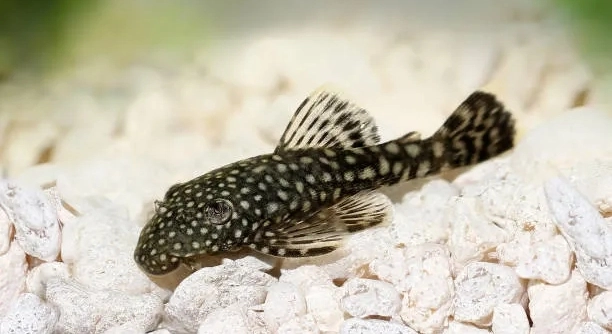
Keeping a pleco tank healthy requires attention to every detail, from water quality to diet. Adding the wrong items can harm your fish and disrupt the ecosystem you’ve carefully created over time. Small mistakes can lead to big problems.
Certain items should never be added to a pleco tank, including copper-based medications, untreated tap water, sharp decorations, toxic plants, high-fat foods, excessive gravel, and unwashed vegetables. These can cause poisoning, stress, injury, or long-term health issues.
Knowing what to avoid ensures your pleco thrives in a safe and balanced environment. Following these guidelines will protect both the fish and the tank’s delicate ecosystem.
Copper-Based Medications
Copper-based medications are highly toxic to plecos. Even small amounts in the water can damage their gills, liver, and overall health. These medications are sometimes used to treat parasites in other fish, but plecos cannot tolerate copper. Many aquarium owners accidentally introduce copper through treatments meant for community tanks without realizing the impact. Plecos often live longer than other fish and are more sensitive to chemical changes. Always check labels and confirm compatibility before adding any medication. Salt baths, antibiotics formulated for catfish, or other pleco-safe treatments are safer alternatives. It’s easy to assume that what works for one species will work for all, but plecos require specific care. Paying attention to their needs prevents long-term health problems. Avoiding copper entirely is the most effective way to maintain a healthy tank and keep your pleco thriving without risking accidental poisoning.
Using copper in any form can be fatal for plecos and must be avoided completely.
Even trace amounts of copper accumulate in pleco tissue over time, leading to chronic toxicity. Chronic exposure can weaken the immune system, slow growth, and reduce lifespan. Symptoms may include lethargy, loss of appetite, and abnormal swimming. Since copper is colorless in water and dissolves quickly, it can be hard to detect without testing kits. Regularly testing water and using only pleco-safe treatments helps prevent these issues. Prevention is far easier than treatment because once damage occurs, recovery is limited. Maintaining awareness of all chemicals in your aquarium, including fertilizers or new water sources, further reduces risk. Prioritizing chemical-free care ensures your pleco remains healthy, active, and stress-free, creating a balanced tank environment for all inhabitants.
Sharp Decorations
Sharp decorations can injure plecos, whose delicate fins and bodies are easily torn. Pieces of broken glass, jagged rocks, or metal ornaments can cause cuts and stress. Even small scratches can lead to infections in plecos. Always inspect decorations before adding them, and remove anything with rough edges. Smooth, rounded objects like driftwood or polished stones are much safer for hiding and grazing. Plecos like to explore tight spaces, so providing safe nooks is better than forcing them into risky areas. Proper tank setup reduces injuries and promotes natural behavior, helping plecos feel secure and comfortable in their environment.
Avoiding sharp objects is essential to keep plecos safe and injury-free.
Sharp decorations in a tank may seem decorative, but they can create constant hazards. Plecos rubbing against edges may tear their fins, develop bacterial infections, or experience stress, which impacts appetite and immunity. Injuries heal slowly in these fish, making prevention more important than treatment. Choosing smooth, rounded, or natural décor allows plecos to hide, graze, and swim without risk. Even rocks should be polished, and any broken ornaments discarded. Providing soft substrates, driftwood, and safe caves ensures plecos can explore freely. This approach supports both their physical health and natural behaviors. Tank safety also reduces the chance of disease outbreaks caused by open wounds, maintaining a balanced environment for all aquatic life. Regular observation helps identify potential hazards before they cause harm.
Untreated Tap Water
Using untreated tap water can expose plecos to chlorine, chloramine, and heavy metals. These chemicals irritate their gills and stress their immune system. Always treat water with a pleco-safe conditioner before adding it to the tank to ensure a safe and healthy environment.
Even small amounts of chlorine or chloramine can harm plecos over time. Symptoms of exposure include lethargy, rapid breathing, and decreased appetite. Tap water may also contain metals like copper and lead, which are toxic to sensitive fish. Using a reliable water conditioner neutralizes these chemicals, making the water safe. Filtration alone does not remove all harmful elements. Regular testing of water parameters ensures that chlorine levels remain zero and other chemicals are within safe ranges. Treating water before each change reduces stress and prevents long-term health problems.
Water treatment protects plecos from chemical burns and chronic exposure. Without it, gill damage and weakened immunity are common. Conditioners also stabilize pH, remove harmful metals, and make minerals safer. Some conditioners even support slime coat development, which is essential for plecos’ natural defense. Regular water changes with treated water maintain consistent quality, preventing sudden fluctuations that stress the fish. Plecos are hardy but sensitive to toxins, so taking precautions keeps them active and thriving. Investing in proper water treatment ensures a balanced, safe environment for all tank inhabitants, avoiding preventable illnesses and injuries.
High-Fat Foods
High-fat foods can cause obesity, liver damage, and poor water quality in plecos. Foods like meat scraps, fatty pellets, and rich frozen items should be limited or avoided to maintain health and prevent tank contamination.
Feeding high-fat items can quickly accumulate waste and uneaten particles in the tank. Plecos are primarily herbivorous, relying on algae, vegetables, and plant matter for nutrition. Excess fat strains their liver and digestive system, leading to bloating and organ damage over time. Fatty foods also degrade water quality, raising ammonia and nitrate levels, which adds stress and increases the risk of disease. Consistent feeding of appropriate plant-based foods supports digestion, natural behavior, and overall vitality. Removing leftover high-fat foods promptly prevents contamination and keeps the tank cleaner for longer periods.
A diet focused on algae, blanched vegetables, and occasional low-fat pellets ensures plecos remain healthy and active. Avoiding fatty treats protects liver function, reduces obesity risk, and maintains water quality. Balanced feeding also supports natural grazing habits, helping plecos exercise and consume fiber-rich foods that promote digestion. Monitoring portions and food types prevents overfeeding and accumulation of organic matter. Offering a variety of safe vegetables and algae wafers encourages proper nutrition while minimizing fat intake. This careful approach allows plecos to thrive, live longer, and remain visually vibrant without unnecessary health risks.
Toxic Plants
Some common aquarium plants are toxic to plecos. Plants like lilies, philodendrons, and certain dieffenbachias release chemicals that can harm their digestive system or cause stress. Always research plant species before adding them to ensure they are safe for plecos.
Even plants labeled as decorative may produce substances that irritate plecos. Toxicity can lead to reduced appetite, lethargy, or long-term organ damage. Choosing safe plants like java fern, anubias, and water wisteria provides hiding spots and grazing surfaces without risk.
Excessive Gravel
Too much gravel can trap uneaten food and waste, creating poor water conditions. Fine gravel may also be ingested accidentally, causing digestive issues or blockages in plecos.
Proper substrate is important for maintaining a clean, healthy environment. Sand or smooth river rocks are safer options, reducing the risk of ingestion and promoting natural behavior.
Unwashed Vegetables
Feeding plecos unwashed vegetables introduces pesticides, dirt, and harmful bacteria into the tank. Always rinse and blanch vegetables like zucchini, cucumber, or spinach before offering them. This reduces the risk of disease and keeps water quality stable.
What foods are safe for plecos to eat?
Plecos are primarily herbivores, so their diet should focus on algae, vegetables, and plant-based foods. Safe options include zucchini, cucumber, spinach, peas, and blanched lettuce. Algae wafers or spirulina-based pellets are also excellent choices for providing essential nutrients. Avoid fatty or processed foods, as these can harm their liver and digestive system over time. Offering a variety of vegetables helps keep plecos healthy, supports their natural grazing behavior, and prevents boredom. Rotating foods ensures they receive a balanced diet, promoting long-term vitality and growth.
Can plecos live with other fish?
Yes, plecos can live with other community fish, but it’s important to select tank mates carefully. Avoid aggressive species that may harass plecos or compete for food. Peaceful fish like tetras, rasboras, and guppies are generally compatible. Plecos need hiding spots and territories to feel secure, so adding driftwood, rocks, or caves helps reduce stress. Male plecos can become territorial, especially in breeding conditions, so observing interactions is important. Maintaining good water quality and providing enough food prevents competition and ensures all tank inhabitants thrive.
How often should I change pleco tank water?
Regular water changes are essential for pleco health. Generally, changing 20–30% of the water weekly maintains stable water parameters. Plecos produce significant waste, so removing excess ammonia and nitrates prevents stress and illness. Treat tap water with a pleco-safe conditioner before adding it to the tank to neutralize chlorine, chloramine, and heavy metals. Monitor water parameters using testing kits to ensure pH, ammonia, nitrite, and nitrate levels remain safe. Water changes also help remove uneaten food and debris, keeping the tank clean and reducing the risk of bacterial growth or algae overgrowth.
What decorations are safe for pleco tanks?
Plecos require smooth and natural decorations to avoid injuries. Driftwood is ideal, providing hiding spots, grazing surfaces, and nutrients from the wood itself. Polished rocks or rounded stones are also safe. Avoid sharp or jagged decorations, broken glass, and metal ornaments that could cut fins or cause stress. Substrate should be smooth sand or rounded gravel to prevent accidental ingestion or injury. Regularly inspect decorations for sharp edges, algae buildup, or decay, and remove anything that could harm your pleco. Safe décor supports natural behavior and reduces the risk of infections or chronic stress.
Can plecos tolerate salt in the tank?
Plecos are freshwater fish, and most species are sensitive to salt. Adding salt can stress their kidneys and gills, especially in higher concentrations. Some brackish species tolerate minimal salt, but freshwater plecos should remain in untreated freshwater. Even small doses of aquarium salt for disease treatment must be used cautiously and only for short durations. Always research your pleco species before introducing any salt and monitor their behavior closely. Avoid prolonged exposure to prevent dehydration, respiratory stress, or long-term organ damage. Using salt sparingly is essential for keeping plecos healthy.
Why do plecos need hiding spots?
Hiding spots reduce stress and allow plecos to feel secure. These fish are nocturnal and naturally shy, preferring caves, driftwood, or dense plant areas to rest during the day. Without proper hiding places, plecos may become stressed, hide less, and show signs of aggression or illness. Hiding spots also support natural behaviors, including grazing, territorial claims, and occasional breeding. Providing multiple shelters ensures all plecos have access, especially in community tanks. Observing their behavior can indicate whether additional hiding spots are needed. Safe shelters improve health, encourage activity, and prevent conflict with tank mates.
How do I prevent algae overgrowth in a pleco tank?
Algae growth is natural, but excessive algae can affect water quality and tank aesthetics. Plecos help control algae, but relying solely on them isn’t enough. Regular water changes, proper lighting schedules, and avoiding overfeeding help reduce algae blooms. Controlling nutrients, especially from uneaten food or decaying plants, prevents rapid algae growth. Adding live plants can compete with algae for nutrients, reducing its spread. Manually removing excess algae from glass, decorations, and substrate also maintains a clean environment. Balanced care, combined with pleco grazing, keeps algae under control without harming the fish or tank ecosystem.
What signs indicate a pleco is unhealthy?
Common signs of poor health include lethargy, loss of appetite, frayed fins, unusual swimming patterns, and faded coloration. Stress, disease, or poor water conditions often cause these symptoms. Early detection is crucial, as treatment is more effective before severe damage occurs. Monitoring water parameters, maintaining proper diet, and providing a safe environment reduce risks. Observation during feeding or routine tank maintenance helps identify subtle changes in behavior or appearance. Prompt action, including water adjustments, medication, or dietary changes, can prevent further deterioration and improve the pleco’s overall well-being.
How do I clean a pleco tank safely?
Regular cleaning is essential but must be done carefully to avoid stressing the fish. Remove uneaten food, debris, and algae using a siphon or soft brush. Avoid strong chemicals or soaps that can harm plecos. Partial water changes help maintain water quality without causing shock. Decorations and substrate should be rinsed with conditioned water if needed. Clean filters according to manufacturer instructions to preserve beneficial bacteria. Observing the pleco during cleaning ensures it remains safe. Gentle, routine maintenance keeps the tank healthy, supports pleco well-being, and prevents disease outbreaks while maintaining a balanced environment.
Can plecos breed in home aquariums?
Breeding plecos in home tanks is possible but requires specific conditions. Provide caves or hiding spots for spawning and maintain stable water parameters. Males guard eggs, so sufficient space and proper tank mates are essential to prevent stress or predation. Temperature, diet, and water quality influence breeding success. Observing behavior, such as males defending a cave or cleaning surfaces, signals readiness. Raising fry requires careful attention to water quality, nutrition, and tank safety. Some species are easier to breed than others, and patience is required. Proper planning ensures successful reproduction without compromising adult health.
What is the ideal tank size for a pleco?
Tank size depends on the pleco species. Smaller species, like bristlenose plecos, need at least 30 gallons, while larger species, such as common plecos, require 75 gallons or more. Providing adequate space prevents stress, territorial aggression, and stunted growth. Larger tanks also support stable water parameters and accommodate hiding spots, decorations, and proper filtration. Overcrowding leads to competition for food, increased waste, and heightened disease risk. Observing pleco behavior in the tank helps determine whether more space or additional shelters are needed. Adequate space ensures a healthier, more active, and longer-living pleco population.
How can I tell if a pleco is stressed?
Signs of stress include hiding constantly, rapid breathing, erratic swimming, fin clamping, or loss of appetite. Stress often results from poor water quality, aggressive tank mates, insufficient hiding spots, or sudden environmental changes. Chronic stress weakens immunity and increases susceptibility to disease. Regular monitoring, proper diet, and a stable environment help reduce stress. Ensuring appropriate tank conditions, hiding places, and compatible companions allows plecos to remain calm and healthy. Early recognition of stress enables corrective actions, preventing long-term health issues and maintaining a balanced, thriving aquarium.
What water parameters are best for plecos?
Plecos thrive in temperatures between 72–82°F, pH levels of 6.5–7.5, and low ammonia or nitrite concentrations. Stable water conditions reduce stress and prevent disease. Regular testing and partial water changes maintain these parameters. Avoid sudden fluctuations, as plecos are sensitive to rapid changes. Adequate filtration, conditioned water, and monitoring of nitrate levels ensure a healthy tank. Maintaining these parameters supports growth, digestion, and natural behavior. Observing pleco activity and coloration provides clues about water suitability. Consistency in temperature, pH, and cleanliness is key to keeping plecos vibrant and long-lived in a home aquarium.
How often should plecos be fed?
Plecos should be fed once daily or every other day, depending on species and tank conditions. Overfeeding leads to obesity and water contamination. Vegetables, algae wafers, and plant matter provide sufficient nutrition. Remove uneaten food promptly to maintain water quality. Adjust feeding based on observation of consumption and health. A varied diet ensures proper growth and prevents boredom. Feeding smaller portions more frequently mimics natural grazing behavior, reduces waste buildup, and maintains energy levels. Monitoring pleco appetite and body condition allows fine-tuning of feeding schedules to support long-term health, vitality, and a clean tank environment.
Caring for a pleco requires attention to detail, patience, and a commitment to creating a safe, healthy environment. Plecos are sensitive fish, and even small mistakes can affect their well-being. Avoiding harmful items such as copper-based medications, unwashed vegetables, toxic plants, sharp decorations, high-fat foods, excessive gravel, and untreated tap water is essential. Each of these elements can impact water quality, stress levels, or physical health. Consistently maintaining proper care routines helps prevent problems before they arise. Ensuring clean, conditioned water, a balanced diet, and safe décor supports natural behavior and reduces the risk of disease. A well-maintained tank also allows plecos to thrive and display their natural activity, which is rewarding for anyone keeping these fish. Paying attention to their needs and monitoring the tank environment regularly helps identify potential issues early, allowing for corrective measures before serious harm occurs.
Providing the right environment for a pleco goes beyond simply filling a tank with water and decorations. Safe hiding spots, smooth substrates, and gentle filtration all contribute to a comfortable and secure habitat. Plecos are nocturnal and enjoy resting in caves or under driftwood during the day, so creating spaces where they can retreat is important. Their dietary needs focus on plant-based foods, algae, and vegetables, with careful monitoring to avoid overfeeding or introducing harmful items. Avoiding fatty or processed foods prevents liver problems and maintains water quality. Regular water changes, along with careful observation of behavior, coloration, and appetite, are key indicators of a healthy pleco. Simple actions such as rinsing vegetables, polishing rocks, and checking new decorations before placing them in the tank make a significant difference in long-term health. Over time, these habits form the foundation of responsible pleco care and ensure a stable and balanced aquarium.
Maintaining a pleco tank requires a consistent and proactive approach, but the rewards are worth the effort. A healthy pleco is active, grows steadily, and contributes to a balanced tank environment. By avoiding common mistakes and prioritizing the right care practices, you protect your fish from unnecessary stress, injury, and illness. Observation and patience are critical, as plecos may hide or remain quiet during the day, but subtle changes in behavior or appearance can indicate potential problems. Following proper feeding routines, providing safe tank décor, and ensuring water quality creates a habitat where plecos can thrive naturally. These practices not only support their health but also make tank maintenance easier and more predictable. With thoughtful planning and ongoing attention, plecos can live long, healthy lives, offering enjoyment and satisfaction for anyone committed to caring for them properly.

Hello,
If you enjoy the content that we create, please consider saying a "Thank You!" by leaving a tip.
Every little bit helps us continue crafting quality advice that supports the health, happiness, and well-being of pets around the world, for pets of all shapes, sizes, and species.
We really appreciate the kindness and support that you show us!