
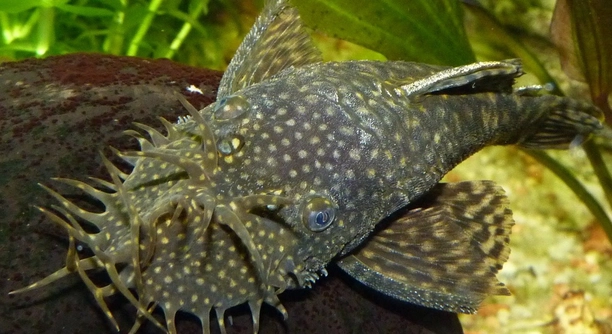
Have you ever noticed your pleco rushing up and down the aquarium glass, almost like it’s on a mission? This behavior can seem strange and might make you wonder what’s really going on with your fish.
The main reason your pleco is chasing the glass is due to stress or environmental discomfort. Factors like poor water quality, reflection, lack of hiding spots, or territorial behavior can cause this repetitive swimming, signaling an imbalance in its environment.
Learning what triggers this activity can help you create a calmer, healthier habitat where your pleco feels more secure and content.
Understanding Your Pleco’s Behavior
Plecos are fascinating fish with unique habits that can sometimes puzzle their owners. When they start chasing the glass, it’s often their way of reacting to stress, reflection, or poor environmental conditions. In the wild, plecos are nocturnal and territorial bottom dwellers. In a tank, constant glass-chasing usually signals that something feels off. It might be water chemistry, strong lighting, or the lack of hiding spots. Sometimes, a male pleco might even mistake his reflection for another rival and react aggressively. Observing the timing and frequency of this behavior can give you clues about its cause, helping you respond before it leads to health issues or constant stress.
When a pleco feels uncomfortable, its natural instincts push it to escape, leading to frantic swimming. Recognizing this as a sign of distress allows you to take quick steps to fix the underlying issue.
Creating a calm tank environment is the first step toward reducing this behavior. Plecos thrive in dim lighting, steady water conditions, and spaces that allow them to hide and rest. Try adding driftwood, rocks, or caves, as they help your pleco feel secure. Maintaining proper filtration and regular water changes will keep the environment stable. If reflections are triggering the behavior, adjust the lighting or background of the tank to minimize glare. Feeding them at night, when they are naturally more active, can also help balance their routine. With a little observation and adjustment, you’ll likely notice your pleco becoming calmer and spending more time resting near the bottom.
Fixing Common Tank Problems
Stress in plecos often comes from the tank setup or maintenance routines that don’t suit their needs. Small mistakes can lead to repetitive behaviors like glass-chasing, which can worsen over time if ignored.
The first thing to check is water quality. Plecos are sensitive to ammonia, nitrate, and pH changes, so regular testing is essential. Keep the water temperature between 74°F and 80°F, and ensure the tank is large enough for your pleco’s size. Overcrowding can cause competition and aggression. Lighting should be moderate, as bright conditions can increase stress. Include driftwood, which helps with digestion and provides comfort. If you recently added new tankmates, monitor interactions closely. Some fish may invade the pleco’s territory or disturb its resting spots. When everything feels balanced—clean water, stable temperature, enough hiding places—your pleco will feel more secure, reducing glass-chasing and promoting natural, peaceful behavior.
Adjusting Feeding Habits
Feeding your pleco properly plays a big role in preventing restless behavior. When they don’t get enough nutrition or variety, they may become more active than usual, especially if they’re searching for food around the glass.
Plecos need a balanced diet of algae wafers, vegetables, and occasional protein. Many owners assume leftover fish food is enough, but plecos often miss out during community feedings. Try giving them sinking pellets at night when other fish are less active. Fresh vegetables like zucchini or cucumber can also help satisfy their natural grazing instincts. Make sure to remove uneaten food within 24 hours to avoid water contamination. Keeping a regular feeding schedule prevents anxiety and ensures your pleco stays healthy and less restless.
A hungry pleco will often appear more aggressive or display repetitive swimming. By feeding consistently and offering the right variety, you can reduce both stress and unwanted behaviors.
Managing Reflections and Lighting
Strong lighting can cause your pleco to see its reflection, leading to constant glass-chasing. Too much brightness or an uncovered tank can confuse your fish, making it believe another pleco has entered its space. Adjusting lighting intensity often brings noticeable improvements within days.
Try keeping the aquarium lights dimmer or using floating plants to diffuse brightness. You can also add a solid background to one or more sides of the tank to minimize reflections. Avoid placing the tank near windows or strong light sources. It’s helpful to mimic their natural habitat with a day and night cycle, allowing darkness during their active hours. Making these small adjustments not only reduces glass-chasing but also promotes a calmer, more natural environment for your pleco to thrive in comfortably.
Checking Tank Mates
Some fish can cause stress by invading your pleco’s space or picking at its fins. Aggressive or overly active species can make your pleco defensive, leading to glass-chasing and hiding. Keeping peaceful tank mates helps maintain a balanced and calm aquarium environment.
Choose companions that stay in different areas of the tank, like tetras or corydoras. Avoid fish that compete for bottom space. Giving your pleco room to claim a territory helps it feel secure and reduces unwanted behavior caused by tension or overcrowding.
Maintaining Water Quality
Clean water is essential for keeping your pleco calm and healthy. Poor water conditions can cause irritation, leading to restless movement and glass-chasing. Perform regular water changes and monitor ammonia, nitrate, and pH levels closely. Consistency in water parameters keeps stress levels low and supports proper behavior.
Adding Hiding Spots
Plecos need dark, quiet places to rest. Without hiding areas, they can feel exposed and unsafe, which increases stress and constant swimming. Adding caves, driftwood, or rocks provides security and helps them stay relaxed, especially during daylight hours when they prefer to rest.
FAQ
Why does my pleco keep swimming up and down the glass at night?
Plecos are nocturnal fish, meaning they’re most active after dark. If your pleco keeps swimming up and down the glass at night, it might be due to overstimulation or a lack of resting spaces. When lights go off, reflections can appear stronger, making your pleco think another fish is nearby. It can also be a sign of territorial behavior, especially in males. To calm this activity, provide caves or shaded areas for resting. Adjusting lighting and ensuring the tank isn’t near bright sources can also help your pleco feel more secure and less reactive during nighttime hours.
Is it normal for my pleco to act restless after cleaning the tank?
Yes, plecos can become unsettled after a water change or cleaning session. Sudden shifts in water chemistry, temperature, or flow can cause short-term stress. Even small fluctuations can make them dart around the tank or cling to the glass. This reaction is usually temporary and should settle once the water stabilizes. To minimize stress, perform partial water changes instead of complete ones, and make sure new water matches the tank’s existing temperature and pH. Consistency in cleaning routines helps your pleco adjust without becoming overly anxious or hyperactive afterward.
Can too much current in the tank cause my pleco to chase the glass?
Strong water flow can make plecos feel uncomfortable, especially if it disrupts their resting zones. While they enjoy gentle movement that mimics natural rivers, too much current can make them struggle to stay still. This often results in them clinging to the glass or swimming repeatedly against the flow. Try adjusting the filter output or adding decorations to break up the current. Providing calmer areas within the tank gives your pleco a chance to rest without constantly fighting against water pressure, which reduces glass-chasing behavior significantly.
Why does my pleco hide all day and move frantically at night?
This is typical behavior for plecos. They rest during the day and become active after sunset. However, frantic movement could suggest hunger, stress, or environmental imbalance. Check that your pleco is getting enough food during nighttime feedings and that the lighting isn’t too harsh during the day. Providing more shaded areas helps them rest properly, while a stable feeding schedule reduces nighttime restlessness. Remember, active movement at night is normal, but constant, frantic motion means something in the environment might need adjusting.
Can reflections really make my pleco think there’s another fish?
Yes, reflections can easily confuse plecos. They may interpret their reflection as another pleco invading their space, especially in clear or brightly lit tanks. This triggers defensive or territorial reactions, causing them to chase the glass or become more alert. Minimizing reflections can be as simple as dimming the lights, adding a dark background, or adjusting the tank’s placement. Reducing glare helps your pleco feel secure and less likely to mistake its reflection for a threat.
What size tank does a pleco need to stay calm and healthy?
The size of the tank plays a major role in your pleco’s comfort. Many species, especially common plecos, grow much larger than expected. A small tank can make them feel trapped and anxious. Ideally, a common pleco needs at least a 75-gallon tank, while smaller species like bristlenose plecos can do well in a 30-gallon setup. The more space they have, the less likely they are to chase the glass or act stressed. A spacious environment allows for natural movement and proper territory establishment.
Should I be worried if my pleco sometimes chases the glass after eating?
Not necessarily. Plecos may become temporarily active after feeding as they explore or clean surfaces for leftover food. However, if the behavior continues for long periods or appears frantic, it could indicate overfeeding or poor water conditions. Uneaten food can quickly degrade and affect water quality, causing irritation or stress. Monitor how much your pleco eats and clean any leftovers promptly. Keeping feeding consistent and moderate will prevent both overeating and post-meal restlessness.
Can water temperature cause my pleco to act strangely?
Yes, temperature changes can directly affect your pleco’s energy and behavior. If the water is too cold, your pleco may slow down and cling to the glass for warmth. If it’s too warm, they might become overly active or agitated. Keep the temperature between 74°F and 80°F to maintain balance. Sudden shifts can cause shock or confusion, leading to unusual swimming patterns. Using a reliable heater and thermometer helps maintain stability, which keeps your pleco calm and consistent in its behavior.
How can I tell if my pleco is stressed or just active?
Stress in plecos often comes with other signs like color fading, hiding excessively, or refusing food. Normal activity looks more controlled and purposeful, while stress-related behavior seems repetitive and frantic. If your pleco repeatedly swims against the glass or stays near the surface, it’s likely reacting to discomfort. Check the water parameters, lighting, and tank setup for issues. Once conditions improve, a stressed pleco usually calms down within a few days, returning to its normal routine of slow movement and quiet bottom-dwelling.
Can plecos get bored in their tanks?
Yes, plecos can become bored if their environment lacks stimulation or hiding options. These fish enjoy exploring textures, grazing on surfaces, and resting under structures. A bare or overly simple tank can make them restless. Try rearranging decor, adding driftwood, or changing the layout occasionally. This mimics their natural environment and keeps them mentally engaged. Simple enrichment like varied surfaces or new hiding spots can make a big difference in reducing boredom-driven glass-chasing and encouraging natural, relaxed behavior.
Final Thoughts
Caring for a pleco goes beyond just feeding and cleaning its tank. These fish have strong instincts and clear reactions to their environment. When a pleco starts chasing the glass, it is not simply acting out of habit or boredom—it’s showing signs that something in its surroundings needs attention. This behavior is often linked to stress, poor water conditions, reflections, or a lack of space and hiding spots. Taking the time to observe your pleco’s daily patterns can help you identify changes early on. The way your pleco swims, eats, and rests tells you a lot about its comfort level. Small details like lighting intensity, tank placement, or even noise around the aquarium can make a difference in how secure your pleco feels in its habitat.
Understanding this behavior is not about overcomplicating things but about recognizing how environment and care connect. A pleco that constantly swims along the glass is trying to tell you something. Maybe the tank is too bright, the current is too strong, or it doesn’t feel like it has enough territory. Each of these issues can be fixed with simple adjustments. Adding hiding spaces, using dimmer lighting, keeping the water stable, and choosing compatible tank mates can all reduce stress. Regular testing of the water for ammonia, nitrate, and pH helps maintain balance, preventing many of the conditions that make plecos uneasy. While it might take some time to see improvement, consistent care always leads to a calmer and healthier fish.
A calm pleco is a sign of a healthy aquarium. When it spends more time resting on driftwood, exploring calmly, or cleaning surfaces, it shows that the environment feels safe and balanced. The key to keeping your pleco happy lies in patience and steady maintenance rather than quick fixes. Remember that each tank is unique, and what works for one setup might need adjusting in another. Observing your pleco’s reactions after small changes will guide you toward what makes it most comfortable. Over time, these efforts not only stop the glass-chasing but also create a peaceful environment where your pleco can thrive. Providing the right care helps your pleco live a long, healthy life, and watching it move gracefully in a well-balanced tank becomes a rewarding part of fishkeeping.

Hello,
If you enjoy the content that we create, please consider saying a "Thank You!" by leaving a tip.
Every little bit helps us continue crafting quality advice that supports the health, happiness, and well-being of pets around the world, for pets of all shapes, sizes, and species.
We really appreciate the kindness and support that you show us!