
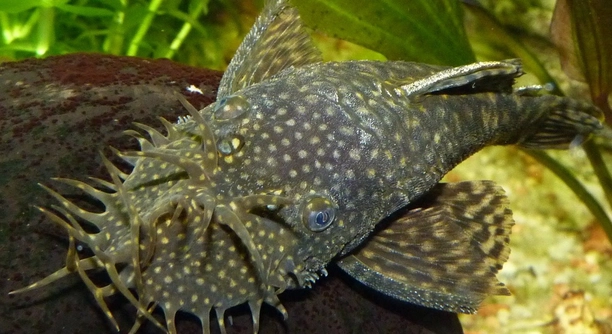
Are your bristlenose plecos constantly searching for snacks in their tank, leaving you wondering what treats are safe for them to enjoy? Feeding them appropriate foods is essential for their health and long-term well-being.
Offering safe treats to bristlenose plecos involves providing vegetables, algae wafers, and occasional fruits. Spinach, zucchini, cucumber, and peas supply essential nutrients, while sinking wafers or blanched vegetables support digestive health and prevent malnutrition in these freshwater fish.
Choosing the right foods ensures your plecos stay healthy, active, and satisfied while maintaining a balanced diet in their aquarium environment.
Fresh Vegetables for Bristlenose Plecos
Zucchini, cucumber, and spinach are excellent fresh vegetables to include in your pleco’s diet. Blanching vegetables before feeding makes them softer and easier to digest. Slice them thinly so the fish can easily nibble on them. Spinach provides essential iron and vitamins, while zucchini and cucumber offer fiber and hydration. Feeding vegetables two to three times a week helps maintain their health and prevents boredom. Rotating different vegetables ensures that plecos receive a variety of nutrients. Remove any uneaten portions after a few hours to avoid water contamination. Fresh vegetables are not only safe but also promote natural foraging behavior, keeping plecos active and engaged. Over time, you may notice your pleco showing excitement for certain vegetables, which helps in understanding their preferences. Providing vegetables alongside regular algae wafers ensures a balanced diet that meets both their nutritional and behavioral needs.
Regular vegetable feedings improve overall health and activity levels, supporting a stronger immune system and digestive function.
Introducing vegetables gradually allows plecos to adjust while preventing digestive upset, ensuring consistent feeding and optimal nutrition in the tank environment.
Algae Wafers and Protein Options
Algae wafers are a staple for bristlenose plecos because they mimic natural grazing habits and provide essential nutrients.
In addition to algae wafers, occasional protein sources like bloodworms or shrimp can supplement their diet. These treats should be given sparingly to avoid digestive issues and maintain a balanced nutrition profile. Bloodworms are rich in protein, supporting growth and vitality, while shrimp can be an occasional treat that plecos find appealing. Overfeeding protein-rich foods can lead to health problems, so moderation is key. Combining wafers with fresh vegetables ensures plecos receive both fiber and protein, promoting digestive health and long-term wellbeing. Observe your pleco’s response to different foods, as some may prefer certain types of algae wafers or protein treats over others. The goal is to create a diet that is both safe and varied, keeping the fish active without compromising water quality or overall health. Consistency in feeding routines reinforces healthy eating habits and helps maintain a clean tank environment. Properly balancing protein and vegetable intake encourages strong growth, vibrant coloration, and consistent behavior. By prioritizing nutrient-rich, safe foods, you support the pleco’s natural instincts and maintain a thriving aquarium ecosystem.
Blanched Peas and Green Beans
Blanched peas and green beans are easy for plecos to digest and provide important fiber. Removing the skins from peas helps prevent digestive problems. Feed them in small amounts a few times a week to support healthy digestion and regular bowel movements.
Peas and green beans are rich in nutrients and help prevent constipation, which is common in plecos. Blanching softens the vegetables, making it easier for plecos to nibble. You can lightly steam green beans to preserve vitamins while ensuring they are soft enough for consumption. Rotating these vegetables with zucchini and spinach provides variety, preventing boredom. Always remove leftovers after a few hours to maintain water quality and avoid bacterial growth. Observing how your pleco interacts with these vegetables helps you understand their preferences and eating habits, ensuring they receive optimal nutrition.
Incorporating peas and green beans supports digestive health and encourages natural foraging behavior. They complement regular algae wafers and occasional protein treats, creating a balanced diet. Plecos tend to show interest in fresh vegetables, often returning to nibble throughout the day. Preparing vegetables in manageable portions ensures consistent intake and avoids waste. This approach maintains both the fish’s health and a clean aquarium environment, making feeding time simple and effective.
Occasional Fruits for Variety
Small portions of fruits like melon or apple can be offered occasionally to plecos, adding variety without overwhelming their digestive system.
Fruits are not a staple but provide vitamins and minerals that support overall health. Cut fruit into tiny, manageable pieces and remove seeds or pits to prevent choking or toxicity. Offer fruits sparingly, as too much sugar can affect water quality and digestive balance. Observing your pleco’s interest in fruit helps determine the right frequency. Combining fruits with regular vegetables and algae wafers ensures a balanced, nutrient-rich diet. Rotating fruit options keeps feeding engaging and adds color and texture variety to the tank. Fruits such as melon or apple slices are ideal for occasional treats.
Including fruits occasionally provides enrichment and nutritional diversity for plecos. These treats encourage foraging behavior, stimulate appetite, and add visual interest to the aquarium. Managing portion size and frequency prevents digestive upset while maintaining water quality. Plecos generally enjoy the novelty of fruits, which complements their regular diet of vegetables and algae wafers. Using fruits strategically allows you to enhance their diet without compromising health, creating a varied and satisfying feeding routine. Monitoring their reaction to different fruits helps refine choices and ensures a balanced approach. Regular observation and small adjustments keep the feeding process effective, enjoyable, and safe.
Sinking Cucumber Discs
Cucumber discs are easy for plecos to eat and sink naturally to the bottom of the tank. Cutting them into small, thin pieces ensures they are accessible. Offering cucumber occasionally provides hydration and fiber, supporting digestive health.
These discs also encourage natural grazing behavior. Plecos often nibble throughout the day, and cucumber is soft enough to prevent stress while feeding. Rotating with other vegetables maintains variety and interest in their diet.
Frozen or Freeze-Dried Bloodworms
Bloodworms can be offered as an occasional protein treat, supporting growth and vitality. They should be fed sparingly to prevent digestive issues or overfeeding.
Including frozen or freeze-dried bloodworms adds a nutrient-rich supplement to a pleco’s diet. These protein sources are ideal for maintaining strong muscles and healthy development. Offering small amounts once or twice a week balances their diet with vegetables and algae wafers. Bloodworms also stimulate natural hunting instincts, keeping plecos active and engaged. Observing how your fish responds helps determine the correct portion size. Moderation ensures they benefit from the extra protein without compromising digestive health or water quality. Rotating bloodworms with other protein options like shrimp maintains variety while supporting overall nutrition.
Carrot Slices
Thin carrot slices are soft after blanching and provide essential vitamins. They are a safe and nutritious treat for plecos.
FAQ
How often should I feed my bristlenose pleco treats?
Treats should be given sparingly, ideally two to three times a week, alongside a regular diet of algae wafers and vegetables. Overfeeding can lead to digestive problems and affect water quality. Small portions ensure your pleco enjoys variety without compromising health.
Which vegetables are safest for plecos?
Blanched zucchini, cucumber, spinach, peas, and green beans are ideal. They provide essential vitamins and fiber while being easy to digest. Always blanch or lightly steam to soften them. Remove uneaten portions to prevent water contamination and bacterial growth. Rotating vegetables maintains nutrient variety.
Can plecos eat fruits?
Fruits such as apple or melon can be offered occasionally. Cut into small, manageable pieces and remove seeds or pits. Fruits are high in sugar, so moderation is key. Incorporate them only once or twice a week alongside vegetables and wafers to maintain a balanced diet.
Are protein treats necessary for plecos?
Occasional protein treats like bloodworms or shrimp are helpful for growth and vitality but should not replace vegetables or wafers. Feed sparingly, once or twice a week. Observing their response helps determine the right amount, avoiding digestive upset or overfeeding.
Is it safe to feed raw vegetables?
Raw vegetables can be harder to digest. Blanching softens the fibers, making them safer and easier for plecos to eat. It also helps preserve nutrients while preventing choking or digestive stress. Regular rotation with other safe vegetables ensures proper nutrition.
How should I prepare vegetables for my pleco?
Wash thoroughly, peel if necessary, and blanch lightly. Slice into thin pieces or discs to make them easy to eat. Small portions prevent waste and keep water clean. Observing your pleco’s feeding behavior can guide portion sizes and vegetable choices.
Can plecos eat frozen or freeze-dried treats?
Yes, frozen or freeze-dried bloodworms are excellent protein supplements. Rinse before feeding if needed, and feed in small amounts. Moderation prevents digestive issues and maintains a balanced diet. Combining these treats with vegetables and wafers supports long-term health.
How do I know if my pleco enjoys a particular treat?
Plecos often nibble repeatedly on favored foods. They may explore new vegetables or fruits cautiously at first. Observing which treats they return to can help determine preferences, allowing you to offer foods they enjoy while maintaining balance.
Should uneaten treats be removed from the tank?
Yes, removing leftover vegetables or fruits prevents water contamination, bacterial growth, and algae spikes. Clean the tank promptly after feeding sessions to maintain water quality and protect your pleco’s health.
Can I mix different treats in one feeding?
Yes, combining small portions of vegetables and occasional protein treats works well. Avoid overloading with multiple items, as it can lead to digestive upset. Introduce variety gradually, observing how your pleco responds to each combination.
Are there any treats I should avoid entirely?
Avoid citrus fruits, onions, garlic, and processed human foods. These can harm digestion, affect water quality, or be toxic. Stick to safe vegetables, occasional fruits, and controlled protein sources to ensure your pleco thrives.
How does treating affect water quality?
Overfeeding or leaving uneaten food in the tank can cause ammonia spikes, algae growth, and poor water quality. Careful portioning and prompt removal of leftovers are essential to maintain a healthy aquarium environment for your pleco.
Can I create a feeding schedule for treats?
Yes, setting a routine of two to three treat feedings per week ensures variety without overfeeding. Rotating vegetables, fruits, and protein treats maintains interest and balanced nutrition while keeping the tank clean.
How do treats fit into a balanced diet?
Treats complement a staple diet of algae wafers and blanched vegetables. They provide variety, extra nutrients, and enrichment but should never replace staple foods. Observing your pleco’s health and activity levels helps ensure treats support overall well-being.
What are signs of overfeeding?
Bloating, lethargy, or leftover uneaten food in the tank are indicators. Overfeeding can lead to digestive issues, poor water quality, and decreased activity. Reducing portion size and frequency helps restore balance and maintain a healthy diet.
How can I encourage picky plecos to try new treats?
Introduce new foods gradually alongside familiar staples. Blanch vegetables or cut fruits into manageable pieces. Observing and rotating foods helps plecos adjust while maintaining nutritional balance. Patience and small portions are key.
Can I feed commercial pleco treats?
Yes, commercially prepared pleco treats are designed to be safe and nutritious. Choose those made from natural ingredients without additives. They can supplement vegetables and wafers, but portion control is essential to avoid overfeeding.
Do all plecos have the same preferences?
Individual preferences vary. Some may favor zucchini over spinach or bloodworms over shrimp. Observing feeding habits allows you to tailor treat offerings while maintaining a balanced diet. Rotate foods to ensure variety and overall nutrition.
How can I combine treats to prevent boredom?
Rotate vegetables, occasional fruits, and protein treats in different feedings. Small portions of mixed items encourage foraging and keep plecos engaged. Variety supports nutritional balance while stimulating natural feeding behavior.
What is the best way to monitor treat impact on health?
Observe activity levels, color, and digestion. Healthy plecos remain active and nibble consistently. Any signs of bloating, lethargy, or changes in appetite indicate adjustments may be needed in portion size, frequency, or type of treats offered.
Final Thoughts
Feeding bristlenose plecos safe treats is an important part of maintaining their overall health and happiness in an aquarium. These fish benefit from a diet that combines staple foods like algae wafers with fresh vegetables and occasional protein or fruit treats. Providing a variety of foods ensures they receive essential nutrients while encouraging natural grazing and foraging behaviors. Vegetables such as zucchini, cucumber, spinach, green beans, and peas are excellent choices because they supply fiber, vitamins, and hydration. Blanching or lightly steaming these vegetables makes them easier to digest and prevents stress on their digestive systems. Removing uneaten portions promptly is also important to maintain clean water and prevent bacterial growth. By offering a consistent variety of vegetables, you help your pleco stay active and healthy while creating a feeding routine that is both safe and sustainable.
Occasional protein sources like bloodworms or small pieces of shrimp can supplement a pleco’s diet and support growth and vitality. These treats should be given sparingly, ideally once or twice a week, alongside the staple diet of wafers and vegetables. Fruits, including small slices of melon or apple, can also be offered occasionally. Moderation is key because excessive sugar can cause digestive problems or affect water quality. Observing your pleco’s preferences can help you understand which treats they enjoy most, making feeding time both effective and engaging. Mixing vegetables, protein treats, and occasional fruits in different feedings provides variety and ensures balanced nutrition. By paying attention to portion size and frequency, you can prevent overfeeding while maintaining the health and longevity of your pleco. Rotating different treats over time keeps feeding interesting and encourages natural behaviors without compromising diet quality.
Consistency and observation are essential when offering treats to bristlenose plecos. Creating a structured feeding routine allows you to monitor health indicators such as activity, color, and digestion. Signs of overfeeding or digestive issues, such as bloating or lethargy, can be addressed by adjusting portion sizes or the type of treats offered. Safe treats not only support physical health but also enrich the aquarium environment by promoting active foraging and exploration. By combining vegetables, occasional protein, and fruits in appropriate amounts, you can provide a balanced, nutritious diet that meets the needs of your pleco while maintaining clean water. Paying close attention to their reactions and preferences allows you to fine-tune feeding routines and ensure long-term wellbeing. Prioritizing safety, variety, and moderation helps create a thriving aquarium where plecos can grow, remain active, and enjoy a diet that is both nutritious and engaging.

Hello,
If you enjoy the content that we create, please consider saying a "Thank You!" by leaving a tip.
Every little bit helps us continue crafting quality advice that supports the health, happiness, and well-being of pets around the world, for pets of all shapes, sizes, and species.
We really appreciate the kindness and support that you show us!