
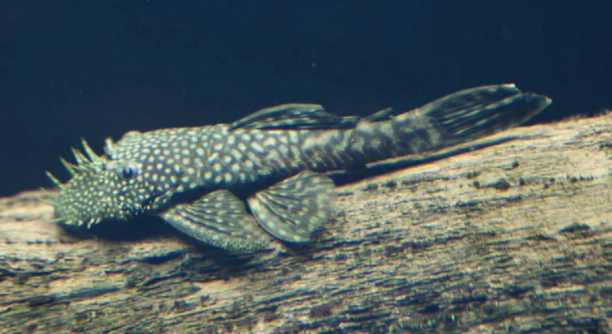
Do you ever find yourself arranging your aquarium and wondering if your plecos are truly getting enough from their environment? These popular algae eaters are known for nibbling on driftwood, but how far can it sustain them alone?
Plecos cannot live solely on driftwood, as it lacks essential proteins, fats, and vitamins required for their overall health. A balanced diet including vegetables, algae, and occasional protein sources is necessary to maintain growth and vitality.
Understanding the role of driftwood and supplemental feeding will help ensure your plecos thrive in a healthy and balanced aquarium environment.
Why Driftwood Matters for Plecos
Driftwood is more than just decoration in a pleco tank. It provides fiber that aids in digestion and helps maintain a healthy gut. Many pleco species, especially those in the genus Panaque, naturally scrape and chew wood in their habitats. This chewing behavior helps wear down their constantly growing teeth and prevents dental problems. Beyond nutrition, driftwood releases tannins, which can slightly lower water pH and create softer, more natural conditions similar to rivers and streams in South America. These changes can reduce stress for plecos, promoting healthier behavior and stronger immunity. Including driftwood in an aquarium also gives plecos surfaces to explore, hide, and establish territories. While driftwood alone cannot meet all their dietary needs, it supports essential natural behaviors that contribute to overall well-being, making it a crucial part of any pleco tank setup. Its presence can also subtly enhance the appearance and feel of the tank, creating a more naturalistic and engaging environment.
Driftwood alone is not a complete food source. Plecos still need vegetables and protein to stay healthy.
Even with proper driftwood in the tank, a balanced feeding routine is essential. Supplementing with vegetables like zucchini, cucumber, and leafy greens provides necessary vitamins. Occasional protein sources, such as bloodworms or shrimp pellets, support growth and energy. By combining driftwood with these foods, plecos maintain both digestive health and proper nutrition, which prevents long-term deficiencies and disease. Observing your pleco’s behavior while feeding helps ensure they are eating enough and that driftwood is serving its intended purpose in their diet.
Signs Your Pleco Needs More Than Driftwood
If your pleco starts losing weight or becomes lethargic, driftwood alone is insufficient.
A lack of proper nutrition can manifest in dull coloration, slow growth, and decreased activity. Plecos may overgraze on algae, scrape excessively on tank surfaces, or develop health issues when their diet is too limited. Regularly offering a variety of vegetables and occasional protein ensures they receive the essential nutrients missing from wood. Monitoring water quality and tank conditions also supports overall health, as poor conditions can amplify nutritional stress. Consistent observation and a well-planned feeding schedule are key to preventing problems before they become serious. Over time, incorporating a range of foods alongside driftwood will help your plecos thrive, maintaining strong immune systems and natural behaviors. Ensuring they have both proper nutrition and environmental enrichment supports longevity and keeps them active and vibrant.
Choosing the Right Driftwood
Not all driftwood is safe for plecos. Mopani, Malaysian, and cholla wood are popular choices because they are hard, sink easily, and release beneficial tannins. Avoid soft or rotting wood, as it can decay quickly and pollute the tank. Properly cleaning wood before adding it to the tank is essential. Boiling or soaking for several days removes debris, insects, and excess tannins. Selecting the right type ensures both safety and nutrition for your plecos while maintaining stable water conditions.
Driftwood affects water chemistry and pleco health differently depending on type and size. Hardwoods like mopani are durable and provide a stable surface for scraping and chewing. They sink naturally and slowly release tannins, which create slightly acidic conditions plecos prefer. Softer woods may break down too quickly, producing debris and cloudy water. Cholla wood has a porous structure, offering additional hiding spots. Choosing driftwood that balances durability, aesthetics, and biological benefits supports a healthy tank environment and promotes natural behaviors.
Proper placement of driftwood matters. Large pieces should provide hiding spots without overcrowding the tank. Smaller branches can be arranged to encourage exploration and grazing. Driftwood also helps anchor plants and creates natural separations, mimicking river habitats. Watching how plecos interact with wood can guide adjustments. Avoid placing wood near filters or heaters to prevent blockage or overheating. Maintaining a clean and well-positioned setup ensures plecos use the wood effectively, supporting their digestion, activity levels, and overall well-being while keeping the tank visually organized and functional.
Supplemental Foods for Plecos
Vegetables are an essential part of a pleco’s diet. Zucchini, cucumber, and spinach provide vitamins and fiber.
Protein sources like bloodworms, shrimp pellets, or algae wafers are necessary for growth and energy. Feeding too little protein can stunt development, while overfeeding may harm water quality. Fresh vegetables should be blanched to soften them, making it easier for plecos to chew and digest. Rotating different foods keeps meals balanced and interesting, preventing deficiencies and boredom. Observing which foods plecos prefer can help tailor their diet while maintaining nutritional variety. A combination of plant and protein-based foods ensures healthy weight, proper digestion, and vibrant coloration over time.
Monitoring Pleco Health
Regular observation is essential to ensure plecos remain healthy. Watch for changes in behavior, appetite, and coloration, as these can indicate dietary or environmental issues.
Check for excessive scraping on tank surfaces or wood, which may suggest teeth overgrowth or insufficient fiber. Adjust their diet as needed.
Water Quality Considerations
Maintaining clean water is crucial when plecos feed on driftwood and other foods. Tannins from wood can slightly lower pH, but excessive decay or leftover food can raise ammonia levels. Frequent water testing and partial changes prevent harmful buildup, ensuring plecos stay healthy and active.
Balancing Diet and Environment
Even with driftwood in the tank, plecos require a mix of vegetables and protein to thrive. Providing variety supports digestion, growth, and natural behaviors, while proper tank setup mimics their natural habitat and encourages exploration. Balanced nutrition and environment work together for overall well-being.
Observing Natural Behavior
Plecos will often graze, hide, and explore their surroundings daily. These behaviors indicate comfort and proper health, reflecting both dietary and environmental adequacy.
FAQ
Can plecos survive on driftwood alone?
No, plecos cannot survive on driftwood alone. While driftwood provides fiber that aids digestion, it lacks essential nutrients such as protein, fats, and vitamins. A proper diet must include vegetables like zucchini, cucumber, and leafy greens, as well as occasional protein sources like bloodworms or shrimp pellets. Without these, plecos can experience stunted growth, weakened immunity, and dull coloration.
How often should I feed my pleco?
Feeding frequency depends on the pleco’s size and species. Adult plecos typically eat once daily, while juveniles may need small portions twice a day. Vegetables should be offered every day or every other day, and protein can be included a few times per week. Observing your pleco’s appetite and behavior ensures proper intake. Remove uneaten food promptly to prevent water quality issues.
Is all driftwood safe for plecos?
No, only certain types of driftwood are safe. Hardwoods like mopani, Malaysian, and cholla wood are ideal because they are durable, sink easily, and release beneficial tannins. Soft or rotting wood can decompose quickly, polluting the water and posing a risk to pleco health. Always clean driftwood thoroughly by soaking or boiling before adding it to the tank.
Do plecos need protein in their diet?
Yes, protein is crucial for growth, energy, and overall health. Bloodworms, shrimp pellets, and specialized algae wafers can provide necessary protein. While plecos nibble on driftwood and graze on algae, these sources alone cannot supply adequate nutrition. Balanced feeding ensures proper weight, strong immune systems, and vibrant coloration.
Can plecos eat algae alone?
Algae alone is not sufficient. While plecos enjoy grazing on algae, it lacks many nutrients necessary for their development. Supplementing with vegetables and protein ensures a well-rounded diet. Providing varied food prevents deficiencies and promotes natural behaviors like chewing, grazing, and exploration, which are important for their health.
How does driftwood help plecos?
Driftwood supports digestive health by providing fiber and helps wear down constantly growing teeth. It also releases tannins that slightly lower pH, creating softer, more natural water conditions. Driftwood offers surfaces for grazing and hiding, reducing stress and encouraging natural behaviors. Its presence is essential for behavioral and environmental enrichment.
How can I tell if my pleco is not getting enough nutrition?
Signs of nutritional deficiency include lethargy, weight loss, dull coloration, and excessive scraping on surfaces or driftwood. Slow growth in juveniles or unusual behavior may also indicate dietary insufficiency. Adjusting their diet with vegetables, protein, and occasional supplements can prevent long-term health issues.
Should I remove driftwood if my pleco doesn’t eat it?
Driftwood should remain in the tank even if your pleco doesn’t nibble on it constantly. It provides fiber, surfaces to explore, hiding spots, and helps maintain slightly acidic water conditions. Its benefits go beyond food and contribute to overall health and stress reduction.
Can driftwood affect water quality?
Yes, driftwood releases tannins that slightly lower pH, which is usually beneficial. However, decaying or improperly cleaned wood can release debris and increase ammonia, nitrite, or nitrate levels. Regular water testing and maintenance help ensure water quality remains safe for plecos.
How do I balance diet and environment for plecos?
Provide a mix of vegetables, protein, and driftwood in the tank. Arrange driftwood for hiding and grazing while maintaining open swimming areas. Observe plecos’ eating habits and interactions with the environment. Balancing diet and habitat ensures proper nutrition, reduces stress, and encourages natural behaviors, keeping plecos healthy and active.
Can plecos eat fruits?
Fruits can be offered occasionally in small amounts. Options like peas or melon provide extra vitamins but should not replace vegetables or protein. Overfeeding fruits can lead to water quality problems due to rapid decay, so moderation is key.
How long does driftwood last in a pleco tank?
Hardwoods like mopani or Malaysian driftwood can last years if properly maintained. Softwood or cholla may degrade faster. Regular cleaning and monitoring prevent excessive decay and maintain water quality. Even when old, driftwood continues to provide hiding spots and grazing surfaces.
Is it okay to have multiple plecos with the same driftwood?
Yes, multiple plecos can share the same driftwood, but ensure there is enough space and additional hiding spots to reduce competition. Observing interactions helps prevent stress and aggression. A well-planned arrangement of driftwood and décor supports multiple plecos without compromising health or behavior.
How often should I replace driftwood?
Replacement is only necessary if the wood begins to rot, significantly decays, or negatively affects water quality. Otherwise, driftwood can remain indefinitely, providing consistent benefits for digestion, hiding, and tank aesthetics. Monitoring its condition and cleaning as needed is sufficient for long-term use.
Can driftwood prevent plecos from overgrazing on plants?
Providing driftwood helps redirect grazing behavior by offering alternative surfaces for chewing. While it won’t completely prevent plecos from nibbling on plants, it reduces excessive damage. Pairing driftwood with hardy plants and supplemental feeding ensures a balanced tank ecosystem.
What is the best combination of foods for plecos?
A balanced pleco diet includes daily vegetables, occasional protein, and constant access to driftwood. Vegetables like zucchini, cucumber, and leafy greens provide fiber and vitamins. Protein sources like bloodworms, shrimp pellets, or algae wafers support growth. This combination ensures proper nutrition, digestive health, and natural behavior expression.
Can plecos overeat driftwood?
Plecos naturally chew on driftwood, but excessive scraping is usually a sign of inadequate diet or teeth maintenance. Ensure they receive sufficient vegetables and protein to prevent over-reliance on wood. Observing their behavior helps adjust feeding and environmental conditions.
Is driftwood necessary for all pleco species?
Driftwood is essential for species like Panaque and highly beneficial for most plecos. It supports natural chewing behavior, digestive health, and tank enrichment. While some species may nibble less, having driftwood enhances overall well-being and provides safe hiding spaces.
Can I use synthetic wood instead of real driftwood?
Synthetic wood lacks fiber and tannins, so it cannot replace the nutritional and behavioral benefits of real driftwood. It can provide hiding spots but should be paired with proper diet to maintain pleco health. Real driftwood remains the best option for feeding and environmental enrichment.
How do I know my pleco is happy with its driftwood and diet?
Active swimming, regular grazing on wood and vegetables, vibrant coloration, and consistent weight indicate plecos are thriving. Hiding and exploring behaviors show comfort and engagement with their environment. Regular observation ensures diet and driftwood continue to meet their needs.
Can driftwood stain the aquarium water?
Yes, driftwood releases tannins that may slightly brown the water. This is natural and usually harmless. It can be reduced by soaking wood before adding it to the tank or using activated carbon in the filter. Stained water does not harm plecos and can even mimic their natural habitat.
How long should vegetables stay in the tank?
Vegetables should remain long enough for plecos to eat, typically a few hours to a day. Remove uneaten portions to prevent decay and water quality issues. Blanching vegetables softens them, making it easier for plecos to consume while preserving nutrition.
Are there any foods plecos should never eat?
Plecos should avoid processed human foods, citrus, and high-fat or sugary items. These can harm digestion, alter water chemistry, and cause long-term health issues. Stick to vegetables, protein sources, and driftwood for a safe and balanced diet.
Can plecos survive without vegetables if they have algae?
Algae alone is not sufficient. While it provides some nutrients, vegetables offer vitamins and fiber essential for digestion. A lack of vegetables can lead to deficiencies, slower growth, and health issues. Combining algae, vegetables, and protein ensures a complete diet.
Is it necessary to change driftwood regularly?
Routine replacement is not required if driftwood is intact and not decaying. Cleaning and monitoring are usually sufficient. Replacement is only needed if it begins to rot or negatively impacts water quality. Proper care extends its use indefinitely.
Can plecos digest driftwood completely?
Plecos cannot fully digest driftwood. It serves as a fiber source to aid digestion, not as a primary nutrient source. Supplemental foods like vegetables and protein are required for complete nutrition. Driftwood promotes gut health while supporting natural behaviors.
Does driftwood affect tank lighting or algae growth?
Driftwood can provide shade and reduce light intensity in certain areas, limiting algae growth locally. It also creates natural hiding spots, indirectly influencing grazing patterns. Proper placement balances light, aesthetics, and pleco activity.
What is the ideal driftwood size for plecos?
Driftwood should be large enough to allow grazing and hiding but not overcrowd the tank. Pieces that span multiple inches with varying shapes encourage exploration and natural behavior. Adjust size based on pleco species and tank dimensions.
Can plecos share driftwood with other fish?
Yes, but ensure there is enough space and hiding spots for all tank inhabitants. Proper placement prevents territorial disputes and stress. Driftwood benefits multiple species by offering surfaces, shelter, and enrichment without interfering with water quality when maintained properly.
How do I clean driftwood without harming plecos?
Remove driftwood periodically and scrub off algae or debris with a soft brush. Boiling or soaking before initial use removes impurities. Avoid harsh chemicals, as residues can harm plecos. Gentle cleaning preserves wood integrity and ensures safe use over time.
Do plecos need more driftwood as they grow?
Larger plecos require bigger or additional driftwood pieces to maintain proper grazing and hiding areas. Observing their interactions with current wood helps determine if more or larger pieces are necessary. Adequate driftwood supports behavior, digestion, and comfort in the tank.
Can driftwood change the tank’s pH too much?
Driftwood slightly lowers pH due to tannins, which is generally safe and beneficial. Excessive decay or very large amounts can lower pH more than desired. Monitoring water parameters ensures a stable environment for plecos.
Is it okay to have driftwood in a planted tank with plecos?
Yes, driftwood complements planted tanks by offering hiding spots and grazing surfaces. Proper placement prevents shading plants excessively while still providing plecos with enrichment. Blending driftwood with plants creates a natural, balanced environment.
How long should I soak driftwood before adding it to the tank?
Soaking driftwood for several days to a week removes debris, tannins, and potential contaminants. This prevents excessive water discoloration and stabilizes the wood before introducing plecos. Extended soaking is particularly important for dense or resinous woods.
Can driftwood help reduce stress in plecos?
Yes, driftwood provides hiding spots and natural surfaces for grazing, which reduces stress. It allows plecos to feel secure and express normal behaviors, contributing to better health and activity levels in the tank.
What is the best way to combine driftwood with other tank decorations?
Arrange driftwood with rocks, plants, and caves to create varied hiding spots and exploration areas. Ensure adequate swimming space and avoid overcrowding. Proper layout supports natural behavior, digestion, and reduces stress while enhancing tank aesthetics.
Are there any signs driftwood is affecting water quality negatively?
Cloudy water, strong odors, excessive algae growth, or elevated ammonia/nitrite levels indicate driftwood may be decaying or decomposing. Regular water testing, cleaning, and partial replacement prevent these issues while maintaining a healthy environment for plecos.
Can plecos chew too much driftwood?
Excessive chewing usually indicates a dietary deficiency or overgrown teeth. Ensure they receive sufficient vegetables and protein. Monitoring behavior helps maintain balanced grazing and prevents over-reliance on driftwood for nutrition.
Does driftwood provide any minerals to plecos?
Driftwood offers minimal minerals but mainly serves as a fiber source. Essential nutrients must come from vegetables and protein. Its primary benefit lies in supporting digestion, natural behavior, and environmental enrichment rather than direct nutrition.
Can driftwood prevent aggression among plecos?
Providing multiple driftwood pieces and hiding spots reduces territorial disputes and stress. Plecos establish personal spaces while exploring, which minimizes aggression and promotes peaceful tank dynamics. Proper arrangement supports behavior and overall health.
How do I know if my driftwood is safe long-term?
Check for cracks, soft spots, decay, or foul smells. If the wood remains hard, intact, and free from excessive algae or mold, it is safe to leave in the tank long-term. Regular observation ensures ongoing safety.
Can driftwood affect filter performance?
Large or improperly placed driftwood may block filters or reduce flow. Ensure clearance around intake and output areas. Proper placement maintains water circulation while allowing driftwood to provide grazing and hiding opportunities.
Does driftwood impact water hardness?
Driftwood slightly softens water by releasing tannins but has minimal effect on general hardness. Monitoring water parameters ensures conditions remain suitable for plecos while benefiting from the wood’s enrichment and digestive properties.
Can driftwood help mimic natural habitats?
Yes, driftwood creates surfaces to graze on, hiding spots, and tannin-rich water that resemble rivers and streams in South America. This supports natural behavior, reduces stress, and provides a more authentic environment for plecos.
Should I provide different types of driftwood in one tank?
Offering a variety of hardwood types can enhance grazing options, textures, and hiding spaces. Different woods may release tannins at varying rates, slightly diversifying water chemistry. Variety supports natural behaviors and enrichment while maintaining safe conditions.
How much driftwood is too much?
Overcrowding the tank with driftwood can limit swimming space and complicate cleaning. Use enough for grazing and hiding but leave open areas. Balanced placement ensures natural behavior, tank functionality, and water circulation.
Can driftwood cause algae growth?
Yes, driftwood surfaces can accumulate algae. While plecos often graze on it, periodic cleaning may be necessary. This algae provides supplemental nutrition, but overgrowth should be managed to maintain aesthetics and water quality.
Do plecos need driftwood if they have plenty of vegetables?
Even with vegetables, driftwood remains important. It provides fiber, chewing surfaces, hiding spots, and environmental enrichment. Its presence supports natural behavior and gut health that vegetables alone cannot provide.
Can driftwood affect aquarium pH fluctuations?
Tannins from driftwood slightly lower pH, creating stable acidic conditions. Large amounts or decaying wood may cause minor fluctuations. Monitoring and routine water maintenance ensure stability while preserving pleco health.
Is it safe to combine driftwood with artificial decorations?
Yes, driftwood can be combined with artificial décor as long as it does not overcrowd the tank. It still provides natural grazing and hiding opportunities, complementing artificial elements without compromising pleco health or behavior.
How do I prevent driftwood from floating?
Boil or soak driftwood to remove trapped air before placing it in the tank. Larger, denser hardwoods sink naturally, providing stable surfaces for plecos to graze and hide. Anchoring may be used if needed.
Can plecos survive on algae wafers alone?
Algae wafers provide some nutrition but are insufficient for long-term health. Plecos require fiber from driftwood, vegetables, and occasional protein to thrive. A balanced diet ensures proper digestion, growth, and immune support.
What is the best way to introduce driftwood to a new pleco tank?
Clean and soak the wood thoroughly, then position it to allow hiding and grazing areas without blocking swimming space or equipment. Gradually introducing it helps plecos explore and establish territory comfortably.
Can driftwood attract pests?
Improperly cleaned driftwood may carry insects or parasites. Boiling or soaking before adding it prevents infestations and ensures a safe environment for plecos. Regular observation also helps identify any issues early.
Does driftwood help with teeth maintenance in plecos?
Yes, chewing on hard wood wears down teeth naturally, preventing overgrowth and associated health problems. Lack of driftwood or insufficient chewing surfaces can lead to dental issues that require intervention.
How do I know if driftwood is affecting my pleco’s digestion?
Healthy plecos produce firm, consistent waste. Irregular digestion, bloating, or unusual feces may indicate diet imbalance or insufficient fiber. Supplementing with vegetables and monitoring grazing ensures proper digestive support from driftwood.
Can driftwood prevent plecos from damaging aquarium plants?
Driftwood offers alternative surfaces for grazing, which can reduce plant nibbling. While it doesn’t completely stop it, combining driftwood with hardy plants and supplemental feeding helps protect vegetation while supporting pleco health.
Are there signs that plecos prefer certain types of driftwood?
Yes, plecos may spend more time grazing, hiding, or resting on specific woods. Observing these preferences allows better tank arrangement and ensures driftwood meets behavioral and dietary needs effectively.
How do I maintain driftwood long-term?
Rinse or gently scrub periodically, monitor for decay, and remove excess algae. Boiling or soaking before initial use ensures stability. Proper care preserves its benefits for years without compromising water quality or pleco health.
Can driftwood affect tank temperature?
Driftwood has minimal impact on temperature. Ensure it is placed away from heaters or filter intakes to prevent localized heating or obstruction while maintaining a safe, comfortable environment for plecos.
Is driftwood more important for certain pleco species?
Species like Panaque rely heavily on wood for nutrition and teeth maintenance. While all plecos benefit, some species may graze less, but driftwood still provides hiding, enrichment, and digestive support for every pleco species.
Can driftwood be used in quarantine tanks for plecos?
Yes, as long as it is thoroughly cleaned and does not crowd the space. Driftwood provides comfort, grazing surfaces, and enrichment even in temporary setups, supporting pleco health during isolation.
Should I remove driftwood during tank cleaning?
Partial cleaning around driftwood is sufficient; complete removal isn’t necessary unless decay is present. Gently scrubbing and monitoring water quality maintains benefits without disrupting pleco behavior or stress levels.
Can driftwood help improve coloration in plecos?
Indirectly, yes. Driftwood supports digestion, reduces stress, and encourages natural behavior, all of which contribute to healthier and more vibrant coloration over time. Proper nutrition and tank conditions complement these effects.
How much driftwood is recommended per pleco?
One medium-sized piece per pleco is a good baseline. Adjust size and quantity based on species, tank size, and behavior. Providing enough surfaces ensures grazing, hiding, and territorial needs are met.
Can driftwood be used with brackish water plecos?
Yes, many brackish species tolerate driftwood. Monitor water parameters carefully,
Driftwood is an important part of a pleco’s tank, but it cannot provide all the nutrition they need. While plecos naturally chew on wood, it mainly serves as a source of fiber to aid digestion and help wear down their constantly growing teeth. Relying on driftwood alone will not meet their protein, fat, or vitamin requirements, which are essential for growth, energy, and overall health. Including a variety of foods such as vegetables, algae, and occasional protein sources ensures plecos stay healthy, maintain vibrant coloration, and grow properly. Even species that graze heavily on wood still need supplemental feeding to prevent nutritional deficiencies and long-term health problems. Driftwood complements the diet rather than replacing it, and understanding this balance is key to maintaining thriving plecos in an aquarium.
Choosing the right type of driftwood and maintaining it properly is just as important as providing a balanced diet. Hardwoods like mopani, Malaysian, and cholla wood are ideal because they are durable, sink easily, and release beneficial tannins into the water. These tannins slightly lower the pH and soften the water, creating conditions that are closer to their natural habitat. Driftwood also provides hiding spots and surfaces for grazing, which reduces stress and encourages natural behaviors. However, driftwood must be cleaned and soaked before adding it to the tank to remove dirt, debris, or potential pests. Over time, pieces may accumulate algae, and gentle cleaning will keep the wood safe and functional. Properly maintained driftwood supports both the physical and behavioral health of plecos, enhancing their overall quality of life in the aquarium.
A well-planned tank setup combines driftwood, supplemental foods, and appropriate water conditions to meet plecos’ dietary and environmental needs. Observing their behavior is important, as lethargy, dull coloration, or excessive scraping can indicate dietary or health issues. By offering a mix of vegetables, protein, and driftwood, and arranging the tank to provide exploration and hiding opportunities, plecos can thrive naturally. Maintaining water quality with regular testing and partial changes ensures the tank remains a safe and stable environment. While driftwood alone is not sufficient, it plays a vital role in digestion, enrichment, and natural behavior. Balancing diet, environment, and care routines allows plecos to grow healthy, remain active, and display their best natural characteristics. Proper attention to all aspects of their care ensures a long, healthy life for these unique aquarium fish.

Hello,
If you enjoy the content that we create, please consider saying a "Thank You!" by leaving a tip.
Every little bit helps us continue crafting quality advice that supports the health, happiness, and well-being of pets around the world, for pets of all shapes, sizes, and species.
We really appreciate the kindness and support that you show us!