
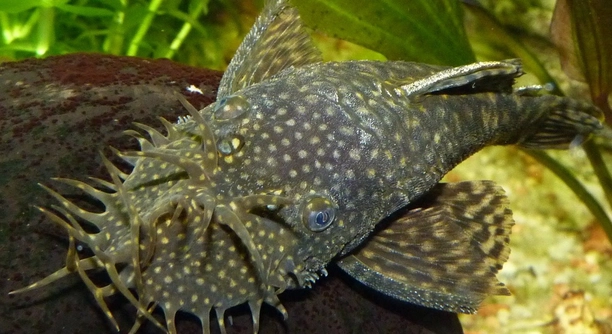
Have you ever noticed your pleco spending time away from its breeding tube, even when conditions seem perfect? Watching them ignore the setup can be confusing and slightly frustrating for any dedicated fish keeper. Understanding their behavior helps ease that worry.
Plecos may avoid their breeding tube due to stress, water quality issues, improper tank setup, or lack of suitable environmental conditions. Ensuring optimal temperature, hiding spaces, and minimal disturbances increases the likelihood of tube acceptance and successful breeding.
Observing your pleco’s interactions with its environment can reveal patterns affecting its behavior. Small adjustments may encourage comfort and engagement with the breeding tube over time.
Understanding Pleco Breeding Tube Preferences
Plecos are particular about where they lay eggs, and breeding tubes play a big role in creating a safe environment. Many times, they avoid tubes because the location, size, or material doesn’t feel secure. Some plecos prefer darker, narrower tubes while others may need extra hiding spaces around them. Water quality also impacts their willingness to enter the tube. If ammonia, nitrite, or nitrate levels are high, plecos may feel unsafe. Temperature is another key factor; even a few degrees off can make them hesitate. Observing their tank behavior helps identify preferences, like whether they favor areas with less light or reduced flow. The presence of other fish or disturbances near the tube can also cause avoidance. A calm, consistent environment encourages natural instincts. By replicating conditions close to their natural habitat, plecos are more likely to accept the tube and spawn successfully.
Watching your pleco interact with different tubes helps determine its comfort zone and preferred setup for breeding.
Small changes like moving the tube or adjusting decorations can make a noticeable difference in engagement. Plecos respond to subtle environmental cues, and their hesitation is often tied to security and water conditions.
Adjusting the Tank Environment
Breeding success depends heavily on the tank setup.
Creating a suitable environment requires attention to water parameters, tank layout, and overall stability. Plecos thrive when water is clean and slightly acidic to neutral, with temperature consistent between 78–82°F. Soft, smooth surfaces in the tube and surrounding decorations reduce stress and encourage exploration. Hiding spots outside the tube, like caves or driftwood, provide security, helping plecos feel comfortable leaving them vulnerable while inside the tube. Tank size matters too; cramped spaces increase stress and may prevent tube usage. Reducing sudden movements, loud noises, or frequent handling also improves their confidence. Monitoring fish interactions ensures dominant individuals aren’t blocking the tube or harassing the breeder. Regular partial water changes keep conditions stable without causing sudden shifts that might drive the pleco away. By carefully observing behavior and making minor, thoughtful adjustments, breeders can significantly improve the likelihood of plecos using the tube naturally and consistently.
Common Behavioral Signs
Plecos may circle the tube without entering, hide nearby, or show disinterest in the area entirely. These actions indicate stress, discomfort, or lack of readiness. Observing these patterns helps determine whether adjustments are needed in tank conditions or tube placement.
Pay attention to subtle behaviors like pacing, fin flaring, or frequent darting. These signals often reflect insecurity rather than aggression. Some plecos spend time inspecting multiple hiding spots before committing to a tube. Environmental factors, such as water flow or lighting, influence these behaviors. Documenting patterns over several days helps identify triggers and preferred conditions. Repeated avoidance usually points to fixable issues rather than permanent refusal.
Interactions with other fish also reveal stress levels. A dominant tank mate may prevent a pleco from entering the tube, or sudden movements may startle it. Adjusting the setup to reduce stress and provide calm spaces encourages the pleco to explore the tube more confidently. Tracking changes after modifications helps measure success and fine-tune the environment.
Improving Tube Acceptance
Placing the tube in a quiet, low-traffic area increases comfort.
Tube material and dimensions matter. Smooth PVC tubes are often preferred, with a diameter slightly larger than the pleco’s body to allow easy entry but enough snugness to feel secure. Adding natural elements like driftwood or soft substrate around the tube helps mimic their natural hiding spaces. Light intensity affects behavior; plecos generally prefer dimly lit areas. Slight water flow around the tube encourages natural exploration without overwhelming them. Introducing the tube gradually and avoiding sudden changes reduces stress. Observing their response after each adjustment ensures the environment aligns with their preferences. Patience and careful monitoring are essential to foster a safe, appealing space that plecos will willingly use.
Combining multiple strategies usually yields the best results. Adjusting tube placement, material, and surroundings together can create the ideal microhabitat. Maintaining stable water parameters, providing sufficient hiding spots, and minimizing disturbances work in tandem to encourage natural breeding behavior. Watching how the pleco explores, retreats, and finally enters the tube allows you to refine conditions. Over time, consistent observation and incremental adjustments improve acceptance, helping the pleco feel secure enough to spawn. Each fish is unique, so flexibility and responsiveness are key to successful breeding.
Water Quality and Maintenance
Maintaining stable water conditions is critical for breeding plecos. Ammonia and nitrite must remain at zero, while nitrate should stay low. Regular water changes help keep these levels stable. Sudden changes can stress fish, causing them to avoid the breeding tube.
Temperature consistency is equally important. Fluctuations of more than a degree or two may discourage tube use. Using a reliable heater and thermometer ensures stability. Filtration should provide gentle flow, avoiding strong currents that deter plecos from entering or remaining in the tube.
Feeding and Nutrition
A balanced diet supports breeding readiness. Plecos benefit from protein-rich foods, vegetables, and occasional live or frozen treats. Nutritional deficiencies can lead to lethargy, disinterest in breeding, and poor tube use. Feeding smaller, frequent portions ensures energy without fouling the water.
Reducing Stress
Stress is a major reason plecos avoid the tube.
Minimizing disturbances like loud noises, sudden movements, or excessive tank cleaning helps. Providing calm, secure spaces encourages natural behaviors. Consistent routines and gentle handling improve confidence and increase the likelihood of tube exploration and spawning.
FAQ
Why is my pleco ignoring the breeding tube even though the tank seems fine?
Plecos are sensitive to subtle environmental factors. Even if water parameters appear stable, small variations in temperature, lighting, or tube placement can cause hesitation. Stress from other tankmates or recent changes in the tank layout may also make the fish feel unsafe, preventing them from using the tube. Observing your pleco’s behavior over several days can help pinpoint the issue.
How do I know if the tube is the right size?
The tube should be slightly wider than the pleco’s body but snug enough to feel secure. If it’s too large, the fish may feel exposed; if too small, it can’t enter comfortably. Testing a few tube diameters while monitoring behavior helps find the best fit.
Can water flow affect breeding tube use?
Yes. Strong currents discourage plecos from entering a tube. Gentle flow around the tube mimics natural conditions and encourages exploration. Positioning the tube away from high-flow areas or adjusting filtration output often improves acceptance.
Does the type of tube material matter?
Material can make a difference. Smooth PVC or ceramic tubes are usually preferred because they prevent injury and feel secure. Rough surfaces may deter plecos, while transparent tubes can make fish feel exposed. Adding natural elements around the tube also increases comfort.
What role does tank décor play in tube acceptance?
Hiding spots near the tube reduce stress and create a sense of safety. Driftwood, rocks, or plants nearby can encourage plecos to explore the tube. Without these, fish may feel too exposed and avoid it entirely. Observing how they move around the tank can guide décor placement.
How often should I check water parameters?
Daily checks for ammonia, nitrite, and temperature help maintain stable conditions. Nitrate can be monitored every few days. Consistency is critical because even small fluctuations can make plecos avoid the tube or become stressed.
Can diet affect tube use?
Absolutely. Plecos require a varied diet with protein, vegetables, and occasional live or frozen treats. Malnutrition can lead to lethargy and reduced interest in breeding. Feeding small portions multiple times a day keeps energy levels stable without fouling the water.
Is stress from other fish a common reason for avoidance?
Yes. Aggressive or dominant tankmates can block access to the tube. Providing extra hiding spots or temporarily separating the breeder may be necessary. Calm, stable conditions encourage confidence and willingness to explore the tube.
Should I move the tube if my pleco avoids it?
Minor adjustments can help. Sometimes moving the tube to a quieter, darker area encourages use. Avoid frequent changes, as too much movement can increase stress. Gradual observation and repositioning work best.
How long does it take for plecos to start using the tube?
It varies by individual. Some enter within a few days, while others may take weeks. Patience and consistent tank conditions are essential. Monitoring behavior, adjusting placement, and reducing stress gradually improve the likelihood of tube acceptance.
Can temperature changes trigger breeding behavior?
Slightly raising the water temperature within safe limits can encourage spawning instincts. However, sudden or extreme changes can cause stress and make the pleco avoid the tube. Small, controlled adjustments over time are most effective.
Do all plecos use breeding tubes the same way?
No. Different species and even individuals have unique preferences. Observing your pleco’s habits and adjusting tube size, material, and location accordingly is crucial. Flexibility and careful monitoring increase success rates and ensure a stress-free environment.
Is it normal for plecos to inspect multiple tubes before choosing one?
Yes, many plecos explore several options before committing. This behavior is natural and shows caution. Providing multiple suitable tubes can increase the chances of acceptance while reducing stress.
What signs indicate my pleco is ready to spawn?
Signs include increased activity around the tube, circling, and cleaning the inside. Males often become territorial, while females may linger nearby. Observing these behaviors helps predict successful tube use and breeding readiness.
How can I minimize stress during tank maintenance?
Performing water changes slowly, avoiding sudden movements, and keeping noise low reduces stress. Gentle handling and maintaining consistent routines also help plecos feel safe, increasing the likelihood they will use the breeding tube.
What should I do if the pleco still refuses the tube?
Reevaluate water quality, tank setup, tube size, and décor. Patience is key; sometimes it takes weeks for fish to feel comfortable. Adjusting one factor at a time and monitoring behavior allows you to identify and correct the problem without overwhelming the pleco.
This FAQ section addresses common concerns and practical steps, helping ensure plecos feel secure, confident, and ready to use their breeding tube naturally.
Final Thoughts
Breeding plecos can be a rewarding experience, but it requires patience and careful observation. Each pleco has its own personality, and their reactions to breeding tubes can vary widely. Some may take only a few days to accept a tube, while others might avoid it for weeks. The key is to create a calm, stable environment that closely mimics their natural habitat. Stable water conditions, gentle flow, and consistent temperature help reduce stress and encourage natural behavior. Observing your pleco’s movements, interactions, and reactions to different areas of the tank can give you valuable insights into what it finds comfortable and safe. Gradual adjustments in tube placement, décor, and water parameters often work better than sudden changes, as plecos can be cautious and sensitive to abrupt alterations.
Nutrition and overall health play an equally important role in breeding success. Plecos need a varied diet that includes vegetables, protein, and occasional live or frozen treats. Malnutrition or lack of variety can cause lethargy and disinterest in exploring the breeding tube. Feeding smaller portions multiple times a day helps maintain energy levels without impacting water quality. Healthy fish are more confident and willing to engage with their environment, including exploring and using the breeding tube. In addition, minimizing stress from other tankmates or external disturbances supports confidence and reduces avoidance behavior. Providing hiding spots around the tube, gentle water flow, and dim lighting can make plecos feel secure, which increases the likelihood of successful breeding. Every small detail, from tube material and diameter to tank decorations and lighting, contributes to creating an environment where plecos feel safe and ready to breed.
Patience is essential when encouraging plecos to use a breeding tube. It is common for them to inspect multiple tubes or avoid the tube initially, and this does not mean something is wrong. Observing their natural behaviors, documenting patterns, and making incremental adjustments allow you to respond to their needs without causing additional stress. Over time, plecos will become more comfortable with the setup, and breeding behavior is more likely to occur. Accepting that each fish has individual preferences and timing helps reduce frustration and supports a more successful and enjoyable breeding process. By combining careful monitoring, attention to water quality, proper nutrition, and stress reduction, you can provide the conditions your pleco needs to feel confident, safe, and willing to use the breeding tube consistently. A calm, well-prepared tank promotes natural instincts and increases the chances of successful breeding, making the effort worthwhile for any fish keeper.

Hello,
If you enjoy the content that we create, please consider saying a "Thank You!" by leaving a tip.
Every little bit helps us continue crafting quality advice that supports the health, happiness, and well-being of pets around the world, for pets of all shapes, sizes, and species.
We really appreciate the kindness and support that you show us!