
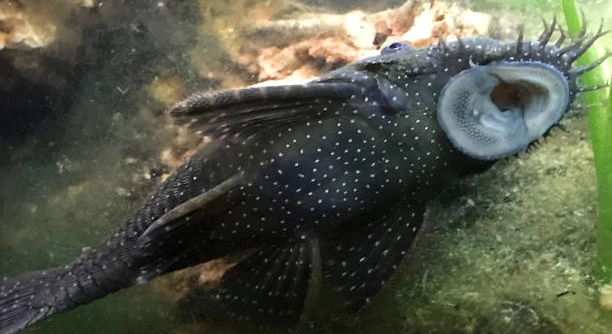
Have you ever noticed your pleco eagerly finishing every bit of food in its tank? Watching them eat can be satisfying, but sometimes it makes you wonder if all that protein is actually healthy for them.
Plecos can consume too much protein if their diet is not balanced. Excessive protein intake may lead to health problems such as kidney stress, fatty liver, and stunted growth. A proper mix of plant-based and protein-rich foods is essential.
Managing their diet carefully ensures your plecos stay healthy. Understanding the right balance of nutrients will make a big difference in their overall well-being.
Signs Your Pleco Is Eating Too Much Protein
I noticed my pleco started looking a bit bloated and less active after switching to a high-protein diet. Overfeeding protein can show in several ways. Common signs include slow movement, a swollen belly, or uneven growth compared to other plecos. Sometimes the water quality also declines faster because uneaten protein-rich food decomposes more quickly. It can be easy to miss the early signs because plecos tend to eat everything offered. I learned that even healthy foods like bloodworms or shrimp should be given sparingly. Watching them carefully over a few weeks makes it easier to spot subtle changes. Adjusting portion size or alternating with more plant-based foods can help prevent long-term issues. Regular observation and maintaining proper feeding habits are key to keeping them active and healthy. Over time, it became clear that a balanced diet made a huge difference in my pleco’s energy and overall appearance.
Consistent monitoring prevents protein overload and keeps your pleco’s growth steady.
A proper feeding routine is vital. Plecos naturally graze on algae, vegetables, and occasional protein treats. By providing mostly plant-based foods with small protein supplements a few times per week, you can avoid digestive problems. Rotating food types and limiting high-protein items ensures their kidneys and liver are not overworked. Over time, this approach leads to healthier scales, brighter coloration, and more active swimming. It also reduces waste in the tank, keeping water cleaner and lowering stress for all aquatic inhabitants.
Choosing the Right Diet Balance
Focusing on vegetables and algae as staples helps maintain proper nutrition.
Including a mix of leafy greens, zucchini, cucumber, and occasional protein treats creates a well-rounded diet. Protein should only make up a small portion of daily feeding. Overfeeding protein can harm organs, slow growth, and reduce lifespan. Choosing foods that mimic their natural diet ensures better digestion and energy levels. Monitoring their reaction to different foods allows adjustments to meet individual needs. Feeding smaller amounts more frequently works better than large protein-heavy meals. Consistency, moderation, and observation are essential to keeping plecos thriving in a home aquarium. Over time, this careful balance improves their health, behavior, and tank cleanliness. By prioritizing plant-based foods and limiting protein, plecos enjoy a more natural diet, supporting long-term vitality. Observing their habits and adjusting feeding patterns helps prevent health issues while keeping the tank environment stable and balanced. This approach supports both their physical health and overall activity levels, creating a thriving aquarium ecosystem.
How Much Protein Is Safe
I learned that plecos need very little protein compared to other fish. A small amount of protein a few times per week is enough. Overdoing it can harm their organs and affect overall health.
Protein should mainly come from occasional treats like shrimp pellets or bloodworms. Their primary diet should be algae, vegetables, and sinking plant-based wafers. Feeding too much protein regularly can cause fatty deposits in the liver and slow growth. I started measuring portions carefully, giving only what my pleco could finish in a few minutes. This helped avoid bloating and reduced water contamination. Over time, I saw more energy and steady growth.
A diet heavy in protein can lead to long-term problems even if the pleco seems fine at first. Kidney stress, digestive issues, and poor coloration may appear slowly. Limiting protein and focusing on plant-based foods ensures proper organ function and overall vitality. Feeding according to size and age also helps prevent excess intake.
Adjusting Your Pleco’s Diet
Switching gradually to more vegetables reduces stress on their system.
I began offering zucchini, spinach, and cucumber daily, cutting back on protein meals. Plecos respond well to a slow transition, and their digestion improves noticeably. The key is consistency and observing how they react to the new diet.
Tracking changes became part of my routine. I noticed that after a few weeks, my pleco was more active, and the water stayed cleaner because less uneaten protein sank to the bottom. Adjusting portion sizes helped control their weight and prevented bloating. I also rotated vegetables to provide variety and vitamins. Small protein treats still make occasional appearances, but only in measured amounts. Balancing plant-based foods with limited protein stabilized growth and enhanced their overall health. Observing behavior and body condition regularly ensures the diet remains appropriate for their needs.
Protein Alternatives for Plecos
I found that vegetables and algae wafers are great protein alternatives. They keep my pleco full without overloading on protein.
Occasional treats like shrimp or bloodworms are fine, but the main diet should focus on plant-based foods for long-term health.
Monitoring Health and Growth
Keeping track of my pleco’s growth and activity showed me how diet affects overall health. I recorded weight, belly size, and swimming patterns weekly. Bright scales and steady movement indicated a balanced diet, while bloating or sluggishness signaled too much protein. Observation helps prevent long-term damage and supports proper organ function.
Feeding Tips and Tricks
Smaller, frequent meals worked better for my pleco than large protein-heavy portions. This approach keeps digestion smooth and prevents overeating.
FAQ
How often should I feed my pleco protein?
I give my pleco protein only two to three times per week. Too much protein every day can cause liver stress and bloating. I focus on vegetables and algae wafers for daily feeding, reserving protein for treats that are easy to digest.
What are safe protein options?
Shrimp pellets, bloodworms, and specially formulated pleco pellets work well in small amounts. I avoid fish flakes or foods meant for carnivorous fish because they are often too high in protein. Moderation is key to prevent organ strain.
Can too much protein affect my pleco’s growth?
Yes, overfeeding protein can stunt growth. I noticed that my pleco’s size plateaued when I offered high-protein foods daily. Balanced feeding with more plant-based foods encouraged steady growth and healthier body proportions.
Is there a way to tell if my pleco has eaten too much protein?
Swollen bellies, sluggish swimming, and dull coloration are clear signs. I watch my pleco closely after changing its diet. Uneaten food in the tank and cloudy water can also indicate excess protein. Regular observation helps prevent long-term problems.
Should I completely avoid protein?
No, protein is still essential for healthy tissue and organ function. I use it sparingly as a supplement to a plant-based diet. This ensures my pleco receives nutrients without overloading its system.
How can I balance plant-based foods and protein?
I feed mostly vegetables like zucchini, cucumber, and spinach. Occasional protein treats are given in measured amounts. Rotating vegetables and controlling portions keeps my pleco healthy, active, and prevents digestive issues.
Does water quality affect protein intake?
Yes, high-protein foods break down quickly, affecting water quality. I noticed more frequent water changes were necessary when giving protein-heavy meals. Keeping the tank clean reduces stress and supports overall health.
Are there specific vegetables plecos prefer?
Zucchini, cucumber, and spinach are my pleco’s favorites. They are soft, easy to digest, and provide fiber. I cut them into small pieces and soak them briefly to make them easier to eat and prevent water pollution.
Can too much protein cause diseases?
Yes, excessive protein can lead to fatty liver, kidney stress, and digestive problems. I saw a difference in my pleco’s activity and coloration once I reduced protein and increased plant-based foods. Prevention is easier than treatment.
How do I transition my pleco to a balanced diet?
I gradually reduced protein meals over a couple of weeks while increasing vegetables and algae wafers. This slow adjustment prevented digestive upset. Monitoring activity and belly shape helped me know the transition was working.
What’s the best feeding schedule for plecos?
Smaller, more frequent feedings work best. I divide vegetables and algae wafers throughout the day, giving protein only occasionally. This approach mimics their natural grazing habits and prevents overeating.
Are frozen or live foods better?
I use frozen foods for convenience and safety, but live foods can be offered occasionally. Frozen bloodworms or shrimp are easier to portion and reduce the risk of introducing disease into the tank.
How important is fiber in a pleco’s diet?
Fiber from vegetables and algae wafers aids digestion. My pleco’s stool became firmer and more regular after increasing fibrous foods, reducing bloating and keeping the tank cleaner.
Can protein affect tank mates?
Yes, leftover protein can decompose quickly, raising ammonia and harming other fish. I make sure my pleco finishes protein meals quickly and remove uneaten pieces to protect the tank ecosystem.
How do I know if my pleco is getting enough nutrients?
Healthy scales, steady growth, bright coloration, and active swimming are good signs. I track these indicators after adjusting diet. Properly balanced plant-based foods with occasional protein keep my pleco in peak health.
Is feeding frozen vegetables effective?
Yes, frozen vegetables work well and retain nutrients. I thaw them slightly before feeding to make them easier for my pleco to eat. Rotating vegetables ensures a variety of vitamins and minerals.
How long can I keep protein in the tank before it goes bad?
I remove uneaten protein within 10–15 minutes. Plecos sometimes leave small pieces behind, and any leftover protein can foul the water quickly. Quick removal helps maintain water quality and reduces stress for all fish.
Can I overfeed even plant-based foods?
Yes, too much vegetable matter can also cause water issues or digestive upset. I measure portions carefully and monitor how much my pleco consumes. Balance and moderation are essential for a healthy diet.
Does age affect protein needs?
Younger plecos may benefit from slightly more protein to support growth, but adults need less. I adjust feeding based on age, size, and activity level, ensuring neither overfeeding nor nutrient deficiency occurs.
Are algae wafers sufficient without extra protein?
Algae wafers cover basic nutritional needs but are best paired with vegetables. I found that supplementing with occasional protein ensures my pleco gets essential amino acids without risking organ stress.
How do I deal with picky eaters?
I introduce new foods gradually and mix them with favorites. Soaking vegetables or lightly blanching them made my pleco more willing to try new items. Patience is key when encouraging dietary changes.
How can I prevent bloating from protein?
I feed protein sparingly and focus on high-fiber plant foods. Regular observation of belly size and swimming patterns helps catch bloating early. I also ensure water quality remains high to support digestion.
Is variety important in a pleco’s diet?
Yes, rotating vegetables, algae wafers, and occasional protein keeps the diet balanced. I noticed more vibrant coloration and better activity when providing diverse foods rather than repeating the same items daily.
How much protein is too much?
If protein makes up more than 10–15% of the weekly diet, it may be excessive. I stick to small, controlled portions and monitor my pleco for signs of stress or bloating. This prevents long-term organ issues.
Can diet changes reverse protein-related problems?
Yes, adjusting to a balanced, plant-heavy diet and limiting protein often improves health. I saw better digestion, steady growth, and more activity after changing my pleco’s diet gradually and consistently.
Are homemade foods safe?
Homemade vegetable mixes are safe if cooked or blanched and cut appropriately. I avoid using high-protein leftovers or unwashed foods to prevent contamination. Homemade options allow me to control nutrients while keeping protein in check.
How do I store protein foods safely?
I keep frozen or dried protein sealed and stored at the correct temperature. This prevents spoilage and reduces the risk of introducing bacteria into the tank. Proper storage is essential for both health and water quality.
Do all plecos have the same protein needs?
Different species vary slightly. I adjusted my pleco’s diet based on species size and natural feeding habits. Smaller species need less protein, while larger ones may require occasional protein supplements. Observation and research are important for accuracy.
How can I make protein treats last longer?
I freeze small portions and thaw only what is needed. This reduces waste and prevents the tank from being overloaded with decomposing food. Careful portioning ensures my pleco gets nutrition without harming water quality.
Does stress affect protein digestion?
Yes, stressed plecos digest protein poorly. I maintain a calm environment, stable water parameters, and avoid overfeeding to ensure proper nutrient absorption. Stress management improves overall health and minimizes protein-related issues.
Can too little protein be harmful?
While excessive protein is risky, too little can lead to slow growth and weak tissue development. I balance plant-based foods with occasional protein to meet basic needs without overloading the system.
What role does water temperature play?
Warmer water increases metabolism, making protein digest faster but also increasing waste. I adjust feeding portions based on temperature and monitor activity to prevent overfeeding or digestive issues.
How often should I observe feeding behavior?
Daily observation works best. I watch my pleco during each meal to ensure proper intake and detect early signs of overfeeding. Tracking behavior helps maintain a healthy diet.
Is it okay to mix protein with vegetables?
Yes, combining small protein portions with vegetables improves digestion. I noticed my pleco eats more evenly and avoids bloating when protein is balanced with fibrous foods.
Are there signs of nutrient deficiency?
Dull coloration, slow growth, and lethargy can indicate missing nutrients. I adjust feeding variety to prevent deficiencies while keeping protein limited. Observation is crucial for early correction.
Does tank size affect feeding?
Smaller tanks require stricter control. I feed less protein in confined spaces to reduce waste buildup and maintain water quality. Proper tank management complements diet control.
Can live algae reduce protein needs?
Yes, live algae provides natural nutrients and fiber. I encourage natural grazing, which helps balance protein intake while supporting overall health.
Is it necessary to count calories for plecos?
Not precisely, but measuring portions helps. I focus on the right food types and amounts, rather than exact calories, to prevent protein overload and maintain steady growth.
How do I prevent picky protein habits?
I rotate protein treats and pair them with vegetables. Gradual introduction and variety help my pleco accept different foods without overconsuming protein.
Are there signs of protein deficiency besides slow growth?
Weak fins, poor coloration, and low energy can indicate too little protein. I ensure small, occasional supplements prevent deficiencies while maintaining plant-based feeding as the main diet.
What is the best long-term strategy for feeding protein?
Stick to mostly plant-based foods, supplement occasionally with protein, observe health and activity, and maintain clean water. This balanced approach keeps my pleco healthy and thriving for years.
Final Thoughts
Feeding plecos can seem simple at first, but I learned that what looks like healthy eating can sometimes cause problems. Plecos naturally eat a lot of plant matter, and their bodies are not built for a high-protein diet every day. Overfeeding protein can slowly harm their organs, affect growth, and even change their behavior. When I started paying attention to the amounts and types of food I gave my pleco, I noticed a big difference in energy levels and overall health. Small adjustments, like reducing the frequency of protein meals and increasing vegetables, made a noticeable improvement. I found that the key is balance: too much protein is harmful, but eliminating it entirely is not the answer either. Protein should be part of a varied diet, not the main focus. Observing your pleco closely and responding to changes in their appearance, activity, and eating habits can prevent problems before they become serious.
Consistency is just as important as food choice. I realized that offering protein sporadically and in measured amounts worked best. Giving small, frequent meals of vegetables and algae keeps digestion smooth and ensures my pleco has a steady source of nutrients. Rotating different types of vegetables also helps provide vitamins and fiber. I used zucchini, cucumber, spinach, and occasional algae wafers to maintain a natural, balanced diet. Over time, I noticed brighter scales, firmer bodies, and more active swimming. The tank environment also benefited because less uneaten protein meant cleaner water and fewer spikes in ammonia. Feeding carefully not only helped my pleco but also improved the overall health of the tank. It became clear that controlling both diet and portion sizes prevents many common health issues that plecos face in home aquariums.
Watching my pleco thrive with a balanced diet reinforced how important it is to respect their natural feeding habits. Protein is valuable, but moderation is essential. Overfeeding can have lasting effects, while a thoughtful approach ensures long-term health and activity. Learning the right balance took some trial and error, but it was worth it. I now feel confident in managing my pleco’s diet, knowing that vegetables, algae, and occasional protein supplements give everything needed without overloading their system. Feeding with care supports growth, vitality, and a happier, healthier pleco. Paying attention to changes and adjusting meals accordingly is a small effort that leads to a big difference in their quality of life. By keeping meals balanced, portions controlled, and observation consistent, any pleco owner can help their fish live longer, stronger, and more active lives.

Hello,
If you enjoy the content that we create, please consider saying a "Thank You!" by leaving a tip.
Every little bit helps us continue crafting quality advice that supports the health, happiness, and well-being of pets around the world, for pets of all shapes, sizes, and species.
We really appreciate the kindness and support that you show us!