
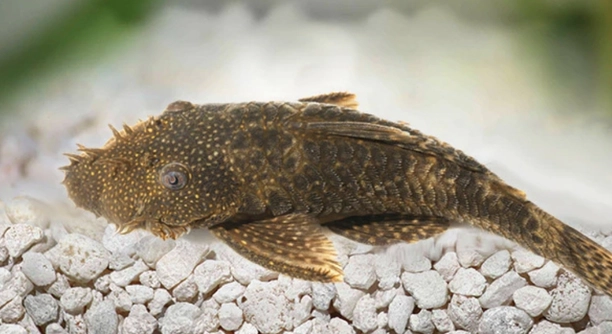
Is your pleco tank starting to look cloudy and messy from waste buildup, leaving you unsure of how to keep it clean and balanced?
The most effective way to stop pleco waste from building up is through regular maintenance, balanced feeding, and proper filtration. Maintaining clean water and removing excess food helps reduce ammonia levels and ensures a healthier, more stable aquarium environment.
Understanding how to manage waste properly will help you maintain a cleaner tank and keep your pleco comfortable in a healthier aquatic space.
1. Clean the Tank Regularly
Keeping your pleco’s tank clean is one of the most important steps to prevent waste buildup. Plecos are known for producing a lot of waste, and without proper maintenance, it quickly accumulates on the substrate, decorations, and filter. Aim to perform partial water changes every week, replacing about 25–30% of the tank water. This helps remove dissolved waste and excess nutrients before they affect the water quality. Use a gravel vacuum to clean debris from the bottom, as plecos tend to stir up leftover food. Regular maintenance also prevents algae overgrowth and keeps the water clear, promoting better oxygen flow and a stable environment for your fish to thrive.
Consistency is key. Keeping a regular cleaning schedule helps maintain a balanced tank environment and makes waste control more manageable over time.
A clean tank does more than look good—it directly impacts your pleco’s health and longevity. Regular upkeep keeps your aquarium stable, ensuring your pleco lives comfortably. It also prevents unpleasant odors and maintains a visually appealing setup. When cleaning, always avoid changing too much water at once, as this can shock your fish. Gradual cleaning preserves beneficial bacteria that help break down organic waste. Over time, you’ll notice your tank stays cleaner for longer, and your pleco will remain active, healthy, and vibrant.
2. Control Feeding Habits
Overfeeding is one of the main causes of excessive pleco waste. Feeding too often or too much leaves uneaten food that decays and raises ammonia levels in the tank.
To prevent this, feed your pleco small portions that it can finish within a few minutes, once or twice a day depending on its size and species. Use sinking pellets designed for bottom feeders, and occasionally include vegetables like zucchini or cucumber. Remove any leftovers after a few hours to prevent spoilage. Plecos also graze on algae and wood, so they don’t require heavy feeding. Overfeeding not only increases waste but can lead to digestive problems. Maintaining a controlled feeding routine keeps your water cleaner and your pleco healthier. Over time, you’ll find that managing their diet reduces tank maintenance and enhances water quality, keeping your aquarium stable and easier to care for.
3. Maintain a Strong Filtration System
A strong filtration system is essential for controlling pleco waste. Filters remove debris, excess food, and harmful chemicals, keeping the water clear and safe. Choose a filter that matches your tank size and can handle the pleco’s heavy bioload effectively.
Clean your filter media regularly, but avoid washing it with tap water as it kills beneficial bacteria. Instead, rinse it using tank water during water changes. Combine mechanical, biological, and chemical filtration for balanced results. Mechanical filters trap visible waste, biological ones break down toxins, and chemical filters remove impurities. This combination ensures your pleco’s tank stays clean, oxygenated, and stable. A well-maintained filter reduces the need for frequent cleaning and keeps your fish healthier for longer.
A reliable filter not only manages waste but also maintains water circulation, helping nutrients distribute evenly. Consistent flow prevents waste from settling, reducing buildup on tank surfaces. Regular filter checks ensure long-term efficiency and a cleaner environment overall.
4. Add Tank Mates Wisely
Choosing compatible tank mates helps balance the tank’s ecosystem and prevents excess waste. Avoid overcrowding, as more fish mean more waste and faster water contamination. Select calm, low-waste species that won’t compete for food or stress your pleco.
When adding new fish, introduce them gradually and monitor how they interact with your pleco. Ensure the tank is spacious enough to handle the added bioload without straining the filtration system. Overcrowded tanks lead to poor water quality, oxygen depletion, and higher ammonia levels. Keep a balanced number of fish and avoid aggressive species that may cause stress or injuries. Managing your tank’s population carefully allows your pleco to thrive while keeping waste levels manageable. Healthy tank mates create a more natural and stable environment, reducing maintenance needs and keeping your aquarium ecosystem in better harmony overall.
5. Use the Right Substrate
Choosing the right substrate helps control waste buildup in your pleco’s tank. Fine gravel or sand makes cleaning easier and prevents waste from settling deeply. Avoid large pebbles that trap debris, as they can quickly lead to poor water quality.
Regularly stir or vacuum the substrate to release trapped waste and prevent anaerobic pockets. A clean substrate supports beneficial bacteria growth, helping to break down organic matter naturally. Keeping it clean also prevents foul odors and maintains a stable, healthy habitat for your pleco.
6. Include Live Plants
Live plants naturally absorb nitrates and other waste byproducts, improving water quality. They also offer shade, hiding spots, and oxygenation, all of which help your pleco stay healthy. Hardy plants like Java fern, Anubias, and Amazon sword are ideal for tanks with active plecos. Keeping live plants trimmed and healthy promotes better nutrient balance and helps reduce algae growth. The more stable your tank’s ecosystem becomes, the less often you’ll deal with waste buildup. Live plants also create a more natural and calming environment for both your pleco and other tank mates.
7. Monitor Water Parameters
Checking water parameters regularly ensures that your pleco’s environment stays balanced. Monitor ammonia, nitrite, nitrate, and pH levels using reliable test kits. Keeping these within safe ranges prevents waste buildup and protects your fish from harmful toxins.
FAQ
How often should I clean my pleco’s tank to prevent waste buildup?
Cleaning your pleco’s tank once a week is usually enough to maintain water quality. During weekly maintenance, replace about 25–30% of the tank water and use a gravel vacuum to remove uneaten food, debris, and waste from the substrate. Regular water changes help control ammonia and nitrate levels, preventing stress on your fish. If your tank is heavily stocked or your pleco is large, consider cleaning twice a week in smaller portions. Consistency matters more than deep cleaning, as frequent light maintenance keeps the environment balanced without disturbing beneficial bacteria.
What type of filter is best for plecos?
A canister or hang-on-back filter with strong mechanical and biological filtration works best for pleco tanks. Plecos produce a heavy bioload, so a filter that can handle at least twice the tank’s water volume per hour is ideal. Combining sponge and ceramic media helps maintain biological balance while removing fine waste particles. Always clean the filter media in tank water during water changes to preserve beneficial bacteria. Avoid over-cleaning or replacing all filter media at once, as it can disrupt the nitrogen cycle and cause ammonia spikes that harm your pleco.
Can overfeeding increase waste buildup in my tank?
Yes, overfeeding is one of the most common causes of waste buildup in pleco tanks. Plecos often appear hungry, but feeding them more than they need leads to leftover food sinking and decaying on the bottom. Feed small amounts that your pleco can finish within a few minutes, once or twice daily. Include sinking pellets, algae wafers, or blanched vegetables like zucchini. Always remove uneaten food after a few hours to prevent ammonia spikes and bacterial growth. Maintaining portion control keeps both your pleco and water cleaner and reduces the need for frequent tank cleanings.
How can I tell if waste levels are too high in my pleco tank?
Signs of excessive waste include cloudy water, strong odors, and visible debris on the substrate. You might also notice increased algae growth or your pleco spending more time near the surface due to low oxygen levels. Testing the water regularly helps confirm whether ammonia, nitrite, or nitrate levels are elevated. If readings are high, perform partial water changes, clean the substrate, and check your filter for clogs. Reducing feeding and improving filtration will also help bring levels back under control. Early detection prevents long-term harm to your pleco’s health.
Do live plants really help reduce pleco waste?
Yes, live plants naturally absorb waste byproducts such as nitrates and phosphates, helping to maintain cleaner water. They also produce oxygen, which supports beneficial bacteria that break down organic matter. Plants like Anubias, Java fern, and Amazon sword are hardy options that thrive in pleco tanks. Additionally, plants help stabilize water parameters by creating a balanced ecosystem. While plants alone won’t replace regular cleaning, they significantly reduce waste buildup and make maintenance easier. Ensure adequate lighting and trimming to keep them healthy and effective at improving your tank’s overall water quality.
Is substrate choice important for managing waste?
Yes, the type of substrate plays a big role in how easily waste can be removed. Fine gravel or sand is ideal because waste remains near the surface, making it easier to vacuum. Coarse gravel traps debris deep inside, leading to poor water quality over time. A smooth substrate also protects your pleco’s body and prevents injury while it scavenges. Clean the substrate regularly to avoid anaerobic spots that can release harmful gases. A simple substrate choice can make maintenance smoother and the tank much cleaner in the long run.
How do I keep my pleco tank clean if I’m short on time?
If you have limited time, focus on small, frequent maintenance tasks rather than long sessions. Perform quick 10–15% water changes every few days and use a siphon to remove visible debris. Feed smaller amounts to reduce waste and check filter flow regularly. Adding live plants and a strong filtration system will also lessen how often deep cleaning is needed. Setting reminders for maintenance and testing water weekly helps you stay consistent. Even short, regular care prevents buildup, keeping your pleco’s tank cleaner and healthier with less effort overall.
Do plecos produce more waste than other fish?
Yes, plecos are known for producing a higher amount of waste compared to many other aquarium fish. Their diet, size, and bottom-dwelling habits all contribute to this. Larger species, like common plecos, generate significantly more waste than smaller varieties such as bristlenose plecos. To handle this, maintain a powerful filter, perform regular water changes, and control feeding. Keeping your pleco in a properly sized tank with adequate space also reduces stress and helps maintain water balance. With consistent care, even high-waste plecos can thrive in clean, healthy environments.
Final Thoughts
Keeping a pleco tank clean takes consistent care and attention to detail. Plecos are beautiful, hardy fish, but their heavy waste production means they need a well-maintained environment to stay healthy. Regular water changes, strong filtration, and controlled feeding habits make the biggest difference. When you maintain a cleaning schedule and stay mindful of how much your pleco eats, you’ll quickly notice a cleaner tank and clearer water. Simple steps, like vacuuming the substrate weekly and avoiding overfeeding, prevent most issues before they start. Caring for a pleco is not complicated—it just requires steady effort and observation.
It’s also important to think of your aquarium as a complete system. Every part, from the substrate to the filter, plays a role in maintaining balance. The type of substrate you use, the strength of your filter, and the amount of food given all work together to determine water quality. Even the plants and tank mates affect how quickly waste builds up. By keeping each element in harmony, you create a stable environment where your pleco can thrive without frequent water problems. When your aquarium is balanced, it not only looks better but also becomes easier to manage over time. The goal is not to achieve perfection but to maintain consistency in care.
In the end, stopping pleco waste from building up is about prevention rather than correction. It’s easier to keep waste under control through regular cleaning, proper feeding, and good filtration than to deal with the results of neglect. A clean, stable tank helps your pleco live a longer, more active life while making your maintenance routine simpler and less stressful. Over time, you’ll develop a rhythm that works best for your tank, finding small adjustments that keep everything balanced. Clean water means fewer health problems and a more attractive aquarium overall. With patience and steady habits, your pleco will reward your efforts with its natural beauty and calm presence, making your aquarium a peaceful and healthy space to enjoy every day.

Hello,
If you enjoy the content that we create, please consider saying a "Thank You!" by leaving a tip.
Every little bit helps us continue crafting quality advice that supports the health, happiness, and well-being of pets around the world, for pets of all shapes, sizes, and species.
We really appreciate the kindness and support that you show us!