
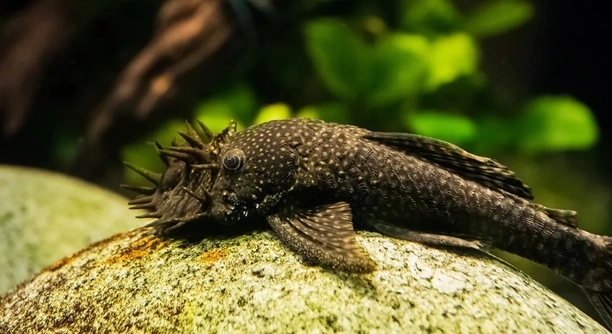
Have you noticed your pleco spending hours glued to the filter, seemingly motionless and focused? Many owners watch this behavior and wonder what it means for their fish’s health and daily routine in the tank.
The primary reason plecos face the filter is due to the strong water flow and oxygen circulation it provides. This position allows them to rest while maintaining optimal respiration and monitoring their environment without expending much energy.
Understanding why your pleco favors this spot can help improve its comfort and tank setup for a healthier, more balanced environment.
Understanding Water Flow and Oxygen Levels
Plecos are naturally drawn to areas with strong water movement because it provides them with better oxygenation. In the wild, they often inhabit rivers and streams where the current helps deliver fresh oxygen. When they stay near the filter, they can easily maintain their breathing without using too much energy. This behavior also allows them to feel secure while keeping watch over their surroundings. Filters create small currents that mimic natural conditions, giving plecos a sense of stability and comfort. Over time, many owners notice their fish consistently choosing these spots, indicating that the behavior is instinctual rather than random. Ensuring the tank has proper circulation not only keeps plecos healthy but also supports other aquatic life. Additionally, consistent water movement helps prevent stagnation, which can reduce algae growth and keep the tank cleaner. Observing your pleco’s habits can provide valuable insights into how your tank setup affects their well-being.
Plecos face the filter because it provides steady water flow and helps them breathe efficiently. They use less energy this way.
Being near the filter is not just about oxygen. Plecos enjoy resting in spots where they feel secure. The filter area often has slight hiding spaces and stable conditions. This combination of safety, flow, and easy access to oxygen makes it an ideal resting spot. Regular observation helps ensure they are not stressed and are thriving.
Other Factors Affecting Pleco Behavior
Tank size and placement can influence why plecos stay near the filter. Smaller tanks with limited hiding spots often push them toward areas with stable conditions.
Plecos are sensitive to light, temperature, and tank companions. Bright lighting may make them seek shaded areas near the filter. Warmer water near the top of the tank can drive them to cooler, oxygen-rich spots. Stress from aggressive tankmates or overcrowding can also lead plecos to cling to familiar, safe areas. Offering decorations, caves, or driftwood can give them alternatives for resting while still maintaining oxygen access. Monitoring water quality is equally important, as plecos are sensitive to ammonia and nitrate levels. Consistent tank maintenance ensures they remain healthy and reduces the need to stay in one spot constantly. Balancing flow, temperature, and hiding spaces allows plecos to explore the tank more freely, creating a more dynamic and natural environment for them to thrive.
Feeding and Nutritional Habits
Plecos often linger near the filter because it can collect small food particles. This makes it easier for them to find scraps without searching the whole tank.
Even when they are fed regularly, plecos are opportunistic eaters. They notice leftover flakes, pellets, or vegetables drifting near the filter and use the flow to help catch their meals. This behavior is natural and helps them conserve energy while staying nourished. Filters often create gentle currents that carry food around, making it convenient for plecos to feed without moving too much. Over time, they learn to associate the filter area with easy access to food, especially if feeding is consistent at certain times. Watching them can be satisfying, as they efficiently collect small bits that might otherwise sink to the bottom or get lost among decorations.
Some plecos also prefer to nibble on biofilm and algae growing around the filter area. These natural food sources supplement their diet and encourage them to remain near the flow.
Stress and Environmental Comfort
Plecos feel safer near consistent water movement, especially if the tank is busy or bright.
Stress from loud vibrations, sudden movements, or aggressive tankmates can push plecos toward the filter. It provides a stable current and often a shaded area that reduces anxiety. The steady water flow can act as a calming factor, helping them feel more in control of their space. Proper placement of decorations and hiding spots can reduce this stress further. They instinctively seek areas where they can observe the tank without being easily disturbed, and the filter often meets this need.
Temperature fluctuations, water quality, and tank overcrowding also affect their comfort. Plecos prefer stable, well-oxygenated water and areas where they can rest safely. Providing driftwood, caves, or plants near the filter gives them multiple options for shelter without losing access to oxygenated water. Monitoring tank conditions closely ensures plecos are not forced into stressful behavior patterns. Over time, creating a balanced environment encourages more natural activity while keeping them healthy.
Filter Placement and Tank Design
The position of the filter influences pleco behavior. If it is near decorations or open areas, plecos will naturally gather there for both flow and shelter.
Filters placed in corners or near hiding spots offer dual benefits: steady water movement and a sense of security, attracting plecos consistently.
Pleco Resting Patterns
Plecos often rest facing the filter because it provides a calm, predictable current. This allows them to conserve energy while remaining alert to changes in the tank. Their natural instincts guide them to select spots that balance rest and environmental awareness, making the filter a favored location.
Signs of Overstimulation
If a pleco clings to the filter constantly and avoids other areas, it may indicate stress or overstimulation. Observing this behavior helps identify environmental adjustments to improve its well-being.
FAQ
Why does my pleco always stay near the filter?
Plecos are naturally drawn to areas with strong water flow because it helps them breathe efficiently. The filter creates a constant current that provides oxygen-rich water and mimics natural river conditions. Staying near it also offers a sense of security and a place to rest with minimal effort.
Is it normal for plecos to cling to the filter all day?
Yes, it is normal. Plecos often remain in one spot to conserve energy while monitoring their surroundings. They prefer stable conditions, so if the water flow, temperature, and oxygen levels near the filter are consistent, they may spend hours there without moving much.
Can my pleco get stressed from staying too long near the filter?
Extended periods near the filter can sometimes indicate mild stress, especially if other tank areas are uninviting. Stress can result from overcrowding, aggressive tankmates, or sudden changes in lighting and water conditions. Providing hiding spots, decorations, and gentle water flow elsewhere encourages exploration.
Should I move the filter if my pleco is always in front of it?
It’s not necessary to move the filter. Plecos are instinctively drawn to strong water flow, and moving it may disrupt their comfort zone. Instead, ensure the tank has other oxygenated areas and hiding spots to allow freedom of movement and reduce stress.
Does staying near the filter affect a pleco’s feeding habits?
Plecos often feed on leftover food that drifts toward the filter, making it a convenient spot. They also consume biofilm and algae that accumulate around the filter area. Regular feeding and tank cleaning ensure they get enough nutrition without relying solely on this location.
Can water quality near the filter be different than the rest of the tank?
Yes, water circulation around the filter tends to keep it cleaner and better oxygenated. Plecos may prefer this area because it offers more stable conditions and less exposure to debris or stagnant water found elsewhere in the tank.
What can I do to encourage my pleco to explore other areas?
Adding caves, driftwood, or plants away from the filter gives plecos alternative resting spots. Slightly varying water flow and temperature in other areas can make these spots attractive. Consistently placing food in different parts of the tank can also motivate movement and exploration.
Is it okay if my pleco ignores decorations and stays at the filter?
Yes, this behavior is normal. Plecos are selective about their resting spots and prioritize oxygen-rich areas. As long as they appear healthy, eat regularly, and show no signs of stress or illness, occasional filter-focused behavior is not a concern.
How do I know if my pleco is unhealthy while staying near the filter?
Signs of health issues include lethargy beyond normal resting, loss of appetite, irregular swimming patterns, or visible injuries. Even if a pleco spends time near the filter, monitoring for these symptoms and maintaining proper water quality ensures early detection of problems.
Can multiple plecos share the same filter area?
They can, but space may become limited. Territorial behavior can appear if the area is crowded. Providing multiple oxygenated spots and hiding areas allows each pleco to have comfort while reducing competition and stress.
How often should I clean the filter if plecos spend so much time near it?
Regular cleaning is important to maintain water quality. Depending on tank size and bioload, partial cleaning every 2–4 weeks works well. Avoid full cleaning that removes all beneficial bacteria, as this can disrupt the tank ecosystem and affect pleco health.
Do plecos prefer certain filter types?
Plecos tend to prefer filters that create moderate flow rather than very strong jets. Canister filters, sponge filters, and hang-on-back filters are usually suitable. The goal is steady oxygenation without causing them to struggle against strong currents for long periods.
Will my pleco eventually leave the filter area?
Yes, they may explore as the tank matures and alternative spots become more comfortable. Providing varied hiding spaces, gentle currents, and balanced feeding encourages plecos to use different areas while still returning to the filter when resting or eating.
Are plecos happier in tanks with multiple flow zones?
Yes, multiple flow zones mimic natural habitats and give plecos choice. They can move between calmer and stronger currents, select feeding spots, and rest in sheltered areas, reducing stress and promoting natural behavior throughout the tank.
Can lighting affect filter-facing behavior?
Bright lighting can make plecos seek shaded areas near the filter. They are nocturnal and prefer dim or indirect light for resting. Using floating plants or strategically placed decorations can help control lighting and make other parts of the tank more appealing.
Does water temperature near the filter differ from the rest of the tank?
Sometimes, especially near heaters or filter outputs. Plecos seek areas with comfortable temperatures, and stable, slightly cooler, oxygen-rich zones near the filter are often preferred. Monitoring overall tank temperature ensures they remain in their ideal range without stress.
How do I balance flow and pleco comfort?
Provide moderate water movement throughout the tank while ensuring calm zones near hiding spots. Adjust flow using filter outputs or baffles to create varied currents. This balance keeps plecos healthy, encourages movement, and prevents over-reliance on one area for oxygen and security.
What is the best diet for plecos spending time near the filter?
A mix of sinking pellets, vegetables, and occasional protein supplements works best. While they may graze near the filter on algae or leftover food, providing varied nutrition ensures proper growth and health. Feeding in multiple areas encourages movement and reduces competition.
Are filter-facing plecos more social with other fish?
Not necessarily. Their focus on the filter is more about comfort and oxygen than social interaction. They may interact with other fish occasionally but often prefer predictable, safe spots to rest and feed without constant disturbance.
Can plecos damage the filter if they cling to it?
Generally, no. Most plecos are gentle and their suction-cup mouths allow them to attach without harming the filter. However, ensure the filter is securely installed and check for small parts that could be dislodged during regular movement or cleaning.
Is this behavior common across all pleco species?
Most plecos display similar tendencies, though individual species may vary in flow preference and hiding habits. Observing your specific type helps tailor tank design, flow, and feeding strategies to their needs for optimal comfort and health.
Does the size of the pleco affect how long it stays near the filter?
Yes, larger plecos may use the filter area more strategically due to their need for oxygen and resting space. They require more stable conditions, so providing multiple oxygen-rich zones helps prevent crowding and ensures all fish remain comfortable.
Can tankmates influence filter behavior?
Aggressive or territorial tankmates can push plecos toward the filter for safety. Conversely, compatible, calm species may encourage exploration. Observing interactions helps determine whether environmental adjustments or additional hiding spots are needed for pleco comfort.
How do I prevent filter overuse by plecos?
Offer multiple oxygenated spots, hiding areas, and food distribution. Adjust flow zones gently and ensure environmental enrichment. Encouraging exploration reduces dependence on one spot while maintaining health and natural behaviors throughout the tank.
Are plecos more active at night near the filter?
They can be, as plecos are nocturnal. Nighttime activity often involves feeding or exploring nearby areas while still using the filter for oxygen-rich water and safe resting zones. Observing patterns helps schedule feeding and maintenance around natural behaviors.
What is the relationship between pleco age and filter use?
Younger plecos may explore more and use the filter less consistently. Adults tend to favor stable, oxygenated areas for resting and feeding. Providing both open and sheltered zones accommodates all life stages while ensuring long-term health.
How often should I check pleco behavior near the filter?
Daily observation is ideal. Monitoring resting, feeding, and swimming patterns helps detect stress, illness, or environmental issues early. Regular checks allow adjustments to flow, tank setup, and hiding spots for consistent comfort.
Does the type of substrate affect filter preference?
Yes, sandy or fine gravel substrates may encourage plecos to remain near the filter for stability. Rough or uneven substrate can make other areas less comfortable, increasing reliance on steady, secure zones with water movement.
Can plecos survive without a filter?
While they may survive in low-flow setups, a filter ensures oxygenation, water circulation, and cleanliness. Plecos thrive when they have reliable water movement, making the filter a key component of tank health.
Do plecos prefer filters with biofilm growth?
Yes, biofilm can be a food source. Plecos may spend extra time near areas with natural algae or microbial growth, supplementing their diet while resting in oxygen-rich currents. Cleaning schedules should balance water quality with retaining some natural grazing opportunities.
How do I know if the filter flow is too strong?
Signs include struggling against the current, constant clinging without resting, or fatigue. Adjust flow using output direction, flow valves, or baffles to create gentle currents while maintaining oxygenation. Comfortable flow allows plecos to rest naturally near or away from the filter.
What role does water chemistry play in filter behavior?
Stable pH, hardness, and nitrate levels encourage plecos to explore the tank freely. Unstable conditions push them toward predictable, oxygenated areas like the filter. Regular water testing helps maintain balance, reducing stress and supporting overall health.
Are plecos more likely to breed near the filter?
Some species may use sheltered, oxygen-rich areas for spawning. While the filter itself isn’t a breeding site, its surrounding zones can provide suitable conditions for laying eggs or caring for fry, particularly when paired with caves or driftwood.
Can multiple plecos overpopulate the filter area?
Yes, overcrowding can occur. Territorial disputes or limited space may force some fish to find alternative oxygenated zones. Ensuring sufficient tank size and multiple flow-rich areas reduces competition and stress.
Does water temperature near the filter influence feeding times?
Slightly cooler, oxygen-rich areas near the filter may make plecos more active at certain times. Maintaining stable temperatures encourages regular feeding patterns without forcing fish to concentrate solely on one area.
How do I adjust tank layout to reduce constant filter use?
Provide multiple hiding spots, moderate flow zones, and varied food locations. Introducing driftwood, plants, and caves encourages exploration. Adjust filter direction or add secondary flow points to distribute oxygenation evenly, keeping plecos healthy and more active throughout the tank.
Can filter-facing behavior indicate illness?
Occasionally, yes. Sudden, prolonged clinging, lethargy, or refusal to eat may signal stress or illness. Regular observation, water testing, and appropriate tank adjustments help ensure the pleco’s health while differentiating natural resting behavior from potential problems.
Is it safe to touch or move a pleco near the filter?
Avoid handling them frequently. Plecos have sensitive skin and protective slime coats. If necessary, gently guide them without pulling or squeezing, and always ensure hands or nets are clean to prevent injury or infection.
Do plecos prefer vertical or horizontal surfaces near the filter?
They favor vertical surfaces, such as filter walls or decorations, for suction and stability. These surfaces allow resting without swimming constantly, conserving energy while maintaining access to water flow and oxygen.
How do plecos react to filter maintenance?
They may temporarily move away or explore other areas, as cleaning changes flow and disturbance. Gradual or partial maintenance helps minimize stress while keeping water quality high and ensuring continued comfort near preferred zones.
Can filter-facing behavior change with tank maturity?
Yes, as decorations settle, plants grow, and flow stabilizes, plecos may explore new areas. Mature tanks often offer multiple resting spots and oxygen-rich zones, allowing plecos to balance comfort with natural exploration.
What are the most important factors for plecos near the filter?
Stable water flow, oxygenation, hiding spots, proper feeding, and low-stress tankmates are key. Balancing these ensures plecos remain healthy, comfortable, and able to exhibit natural behaviors without over-reliance on a single location.
Do plecos use the filter for social reasons?
Mostly, no. Their focus is on comfort, oxygen, and food. While some interaction may occur, plecos prioritize predictable, secure environments over social engagement when choosing filter spots.
How can I monitor pleco comfort around the filter?
Observe resting, feeding, and movement. Healthy plecos use the filter for short periods, explore the tank, and eat regularly. Changes in behavior, lethargy, or constant clinging indicate the need for environmental adjustments.
What long-term effects can constant filter use have?
If environmental needs are met, there are no negative effects. Proper tank design, varied flow, and hiding spots prevent stress, encourage natural behaviors, and maintain health, even if plecos favor the filter area most of the time.
Can plecos damage filter equipment?
Generally not. Their suction-cup mouths are gentle. Regular inspections ensure small parts remain secure, preventing accidental damage while allowing plecos to safely cling and feed near the filter.
Does filter maintenance frequency affect pleco behavior?
Yes. Over-cleaning removes biofilm and algae, which plecos may use for grazing, while under-cleaning reduces water quality. Balancing maintenance ensures both healthy water and a suitable environment for natural behaviors.
Are certain filter materials better for pleco attachment?
Smooth, non-toxic surfaces are preferred. Sponge or plastic surfaces allow safe suction and reduce the risk of injury, while rough or sharp surfaces should be avoided to prevent damage to their sensitive mouths.
How do plecos react to new filter installations?
Initially, they may explore cautiously. Gradually, they adapt to flow and new surfaces, often claiming areas near the filter for resting and feeding once the environment stabilizes.
Can plecos become dependent on a single filter area?
Yes, if other oxygen-rich zones or hiding spots are limited. Providing multiple options encourages exploration and prevents over-reliance on a single location for oxygen, feeding, and safety.
Do plecos interact with debris near the filter?
Yes, plecos may nibble on algae, biofilm, and leftover food caught near the filter. This behavior supplements their diet and keeps the area clean, while supporting natural foraging instincts.
How important is observation for pleco filter behavior?
Daily monitoring ensures health, detects stress, and identifies environmental issues. Observing plecos’ positions, feeding habits, and interactions provides insight into tank conditions and allows timely adjustments for comfort.
Can plecos adjust to weaker water flow over time?
Some can adapt, but they may prefer stronger oxygenated currents. Gradual changes allow adjustment, but providing adequate flow is essential to maintain resting and feeding behaviors near preferred zones.
Are plecos’ filter habits influenced by the number of fish in the tank?
Yes, overcrowding can force some to find alternative oxygen-rich zones. Adequate space and multiple flow areas prevent stress, ensuring all plecos can rest and feed comfortably.
Do plecos ever ignore the filter entirely?
Occasionally, if tank conditions provide ample oxygen, food, and hiding spots elsewhere. Individual preferences and species differences influence how often they rely on the filter for resting and feeding.
What role does tank cleaning play in pleco filter behavior?
Maintaining clean, stable water reduces stress and encourages natural behaviors. Balanced cleaning schedules preserve biofilm and algae while preventing stagnant water, ensuring plecos continue using the filter safely and comfortably.
How do plecos react to filter noise?
Some plecos tolerate typical filter sounds, while others may move slightly away. Ensuring the filter operates smoothly and quietly helps reduce stress and supports consistent use of the area.
Can plecos’ filter habits indicate water quality problems?
Yes. Excessive clinging, gasping, or unusual lethargy may signal low oxygen, high ammonia, or other imbalances. Regular water testing ensures proper conditions and guides adjustments to maintain health.
Do plecos ever use the filter as a play area?
Not usually. They use it primarily for resting, oxygen, and feeding. Occasional exploration may occur, but their focus remains on comfort and environmental stability rather than active play.
How do plecos respond to tank rearrangements near the filter?
They may temporarily relocate or explore new areas. Gradual changes and consistent flow help them adjust while maintaining access to preferred resting and feeding zones near the filter.
Can filter-facing behavior predict pleco lifespan?
Not directly. Healthy, well-fed plecos with stable water and oxygen levels tend to live longer. Filter use reflects environmental preferences rather than lifespan indicators.
Is it normal for plecos to groom themselves near the filter?
Yes. The steady current and safe position allow plecos to clean their bodies, remove debris, and maintain slime coats without using excess energy, supporting overall health.
Do plecos share the filter with snails or shrimp?
They can coexist peacefully, but competition for space or food may occur. Providing multiple areas with oxygenated water reduces tension and ensures all species can access suitable zones.
Can filter-facing behavior change with seasonal temperature shifts?
Yes, plecos may adjust positions to find stable, oxygen-rich areas as water temperature fluctuates. Ensuring consistent temperature and oxygenation minimizes stress during seasonal changes.
Do plecos prefer new or established filters?
They often prefer established filters with some biofilm and algae. New filters may take time to develop these conditions, so plecos may explore cautiously before settling.
How can I make other tank areas as appealing as the filter?
Provide stable oxygenation, hiding spots, decorations, and food distribution. Gentle currents, shaded areas, and varied feeding locations encourage plecos to explore while maintaining comfort.
What is the ideal water flow near a pleco’s resting area?
Moderate flow that supplies oxygen without forcing constant swimming is ideal. Gentle currents allow plecos to rest, feed, and observe their surroundings comfortably near the filter.
Do plecos ever fight over filter space?
Occasionally, especially if the area is crowded. Territorial disputes can occur, so providing multiple oxygen-rich zones reduces conflict and ensures all plecos have comfortable resting areas.
Can filter-facing behavior indicate plecos are happy?
Yes, consistent resting, regular feeding, and relaxed posture near the filter usually indicate contentment. Healthy behavior patterns suggest the tank setup meets their needs.
How do I balance multiple plecos near one filter?
Provide extra hiding spots, varied flow areas, and distributed feeding. This reduces competition, stress, and over-reliance on a single location while allowing each pleco to rest and feed comfortably.
Are plecos’ filter habits affected by tank depth?
Yes, deeper tanks may create stratified oxygen zones. Plecos prefer oxygen-rich areas near the filter or surface, adjusting positions according to comfort, flow, and resting needs.
How can I tell if a pleco is using the filter for comfort or stress?
Comfort is shown by relaxed posture, normal feeding, and occasional exploration. Stress is indicated by constant
Plecos are fascinating fish with unique behaviors that often surprise new and experienced owners alike. One of the most noticeable habits is their tendency to face and cling to the filter for long periods. This behavior is not random or problematic in most cases. It reflects their natural instincts and preferences for stable, oxygen-rich areas. In the wild, plecos inhabit rivers and streams where currents help deliver fresh oxygen and provide security. The filter in a home aquarium mimics these conditions by creating a steady flow and slightly cooler, well-oxygenated water. By staying near the filter, plecos can rest while remaining alert to their surroundings, conserving energy and maintaining optimal health. Understanding this behavior helps owners create a tank environment that suits the pleco’s natural needs without unnecessary worry. Observing the fish over time allows you to notice patterns and determine what your pleco prefers in terms of flow, resting spots, and feeding areas.
Providing a proper environment is key to keeping plecos comfortable and healthy. Tank design, water quality, and placement of hiding spots all influence where a pleco spends most of its time. Decorations such as caves, driftwood, and plants can provide alternative resting and grazing areas, encouraging exploration beyond the filter. Feeding routines also play a role, as plecos often take advantage of food particles near the filter, but a varied diet ensures they get enough nutrition while supporting natural behaviors. Water parameters, including temperature, pH, and oxygen levels, should remain stable. Changes in these conditions can push plecos to rely more heavily on the filter area for comfort. By paying attention to these factors, owners can reduce stress and allow plecos to move freely around the tank, balancing rest, feeding, and exploration. Proper care helps plecos thrive while displaying their natural, sometimes surprising behaviors.
Pleco behavior is generally a sign of a healthy, well-adapted fish, especially when it aligns with resting, feeding, and security needs. While spending long periods near the filter is normal, it can also indicate minor stress if tank conditions are poor, overcrowding occurs, or water quality is unstable. Monitoring your pleco closely and making small adjustments—such as adding additional oxygenated zones, creating shaded resting areas, or distributing food in multiple spots—can improve comfort and encourage activity. Remember that plecos are individual creatures, and their preferences may vary based on age, species, and environment. Observing these preferences provides valuable insight into their well-being. By understanding why your pleco favors the filter and making thoughtful adjustments, you create a tank environment that supports both their physical health and natural instincts. Over time, you may see your pleco balance its time between the filter, hiding spots, and open areas, demonstrating contentment and adaptation to a carefully managed aquatic home.

Hello,
If you enjoy the content that we create, please consider saying a "Thank You!" by leaving a tip.
Every little bit helps us continue crafting quality advice that supports the health, happiness, and well-being of pets around the world, for pets of all shapes, sizes, and species.
We really appreciate the kindness and support that you show us!