
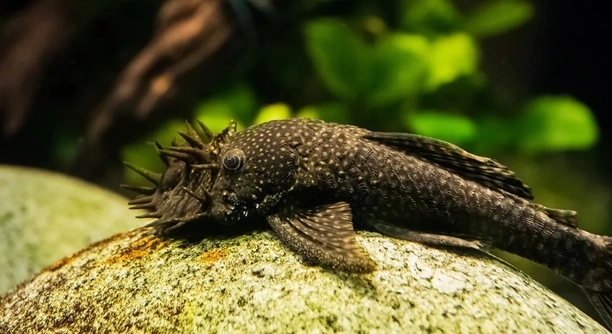
Plecos are fascinating fish that display unique behaviors in their environment. Observing them can be both relaxing and informative, especially as they interact with surfaces, objects, and other aquatic life in subtle ways.
Pleco sensory behavior involves specialized mechanisms that allow them to detect changes in water currents, recognize surfaces through touch, and respond to environmental stimuli. Their lateral line system and barbels play critical roles in navigation, feeding, and social interactions within their habitats.
Understanding how plecos sense and react to their surroundings can enhance aquarium care and create a more suitable environment for their natural behaviors.
How Plecos Use Their Barbels
Plecos have long, sensitive barbels around their mouths that help them detect food and navigate in low-light environments. These appendages are packed with taste buds and sensory cells, allowing the fish to “feel” the texture and chemical composition of objects in the water. When searching for algae or detritus, plecos sweep their barbels across surfaces, identifying edible materials. This behavior is especially helpful in murky waters where vision is limited. Even in well-lit aquariums, plecos rely on these sensors to distinguish between smooth surfaces, rocks, and plants. Their barbels are constantly moving, tapping, and exploring, which also gives insight into their comfort level and health. Observing how a pleco uses its barbels can reveal changes in appetite or stress, as a lack of activity may indicate illness or environmental discomfort. These sensory tools are essential for daily survival and efficient feeding.
Barbels are crucial for both detecting food and understanding their immediate environment. They guide plecos efficiently.
Monitoring barbel activity can help identify stress or feeding issues early. Regular observation ensures your pleco remains healthy and comfortable in its tank.
The Lateral Line System
The lateral line runs along a pleco’s sides and is a series of tiny sensory pores. It detects vibrations, pressure changes, and water movement, giving plecos a precise sense of nearby objects, predators, or other fish. This system allows them to navigate safely in tight spaces, avoid collisions, and respond quickly to disturbances in the water. Even subtle water movements, like currents from a filter or the approach of another fish, trigger the lateral line, prompting defensive or exploratory behavior.
The lateral line helps plecos sense motion and maintain spatial awareness. It is vital for survival.
By studying how plecos react to water movement, we can understand their behavior and tank preferences. In aquariums, the lateral line helps them avoid obstacles like decorations and plants, ensuring smooth movement. It also allows them to detect when a tankmate approaches, reducing stress and conflict. Strong currents or sudden changes in water flow can overstimulate the lateral line, causing erratic movement or hiding behavior. Gentle, consistent water flow supports natural behavior and encourages feeding activity. Proper placement of rocks, driftwood, and hiding spots also benefits plecos, allowing them to use their lateral line to explore safely. Paying attention to reactions to water flow can indicate if the tank environment is well-balanced or needs adjustment, which improves overall health and wellbeing.
Nocturnal Activity Patterns
Plecos are primarily nocturnal, becoming more active at night when light levels drop. This behavior allows them to feed and explore with less competition and stress from other fish. Their senses are adapted to low-light conditions, making nighttime activity essential for survival.
Nighttime provides plecos with optimal conditions for feeding and social interactions. They navigate more confidently, using their barbels and lateral line to locate food and detect other fish. During the day, they often hide in caves, under driftwood, or behind plants to rest and conserve energy. Understanding this pattern helps in scheduling feeding and tank maintenance to match their natural rhythm.
Observing plecos during nocturnal hours reveals more about their personality and health. Their active nighttime behavior includes exploring surfaces, grazing on algae, and interacting with tank mates. Consistent darkness encourages natural movement, while bright lights during their active period can cause stress. Providing hiding spots and gentle lighting creates a balanced environment where plecos can express their normal behaviors. Adjusting feeding times to align with these patterns supports better nutrition and reduces conflict with other fish.
Communication Through Body Movements
Plecos communicate subtle messages using body movements, such as flicking fins or rubbing against surfaces. These motions indicate territorial behavior, stress, or mating readiness. Understanding these gestures helps interpret their mood and intentions in a tank environment.
Body movements are essential for plecos to establish boundaries and convey feelings. Flicking fins, tail swishes, and scraping against objects serve as signals to others. This behavior is not random; it reflects their response to environmental cues or the presence of other fish.
Certain movements, like fin spreading or body vibrations, indicate dominance or submission among plecos. During feeding, they may nudge or bump tank mates to assert priority. Rubbing against surfaces can also serve as sensory exploration or stress relief. Observing these patterns allows adjustments to tank layout, decoration placement, or population density to reduce conflicts. Careful monitoring ensures that communication remains natural and non-threatening, supporting healthy social interactions. Recognizing the meaning behind these motions makes it easier to address behavioral concerns early and maintain a stable environment.
Feeding Responses
Plecos respond quickly to food, using their barbels and mouth to detect algae, pellets, or vegetables. Their feeding behavior is precise, ensuring they consume what is edible while avoiding inedible objects in the tank.
They often graze slowly, moving along surfaces and inspecting every spot. This methodical feeding helps them find hidden food and maintain a healthy diet.
Territorial Behavior
Plecos mark their territory by scraping surfaces, hiding in caves, or spreading their fins to show presence. Territorial behavior varies depending on tank size, population, and available hiding spots. Providing adequate space and structure reduces stress and allows multiple plecos to coexist peacefully without frequent conflicts.
Sensitivity to Water Quality
Plecos are highly responsive to changes in water quality. Fluctuations in temperature, pH, or ammonia levels can trigger avoidance behaviors, increased hiding, or reduced feeding, making water monitoring essential for maintaining their comfort and health.
FAQ
How do plecos use their barbels to find food?
Plecos use their barbels to sense textures and chemical signals in the water. These sensitive appendages help them locate algae, plant matter, and small debris. By sweeping their barbels over surfaces, they can determine what is edible and avoid inedible objects. This method ensures efficient feeding in low-light or murky water conditions. Observing the movement of their barbels often indicates their health and activity level, as inactive or damaged barbels can reduce their ability to find food.
Why are plecos more active at night?
Plecos are naturally nocturnal, meaning they are most active during nighttime hours. Darkness allows them to feed and explore without competition from other fish. Their sensory systems, including barbels and the lateral line, are optimized for low-light conditions. During the day, they typically hide in caves, behind driftwood, or under plants to rest. Understanding their nocturnal pattern is important for scheduling feeding and monitoring their behavior. Feeding during their active hours encourages natural grazing and reduces stress from competition or disturbances.
What is the lateral line, and how does it help plecos?
The lateral line is a sensory system along the sides of plecos that detects water movement and vibrations. This system allows them to sense nearby objects, predators, and other fish without relying on sight. It helps them navigate tight spaces, avoid obstacles, and interact with tankmates. Proper water flow and minimal sudden disturbances support the lateral line’s function, while overcrowded or poorly structured tanks can overstimulate it. Observing their reactions to water currents can indicate if the tank environment suits their needs and helps prevent stress-related behaviors.
How do plecos communicate with other fish?
Plecos use body movements to send signals, including fin flicks, tail swishes, and rubbing against surfaces. These gestures can indicate territorial claims, submission, mating readiness, or stress. Unlike vocal animals, these subtle movements are crucial for establishing social boundaries and maintaining peaceful coexistence. Watching how plecos interact helps identify aggressive or fearful behavior early. Adjusting tank layout, providing hiding spots, and controlling population density can support natural communication while minimizing conflict.
What triggers territorial behavior in plecos?
Territorial behavior is triggered by limited space, competition for food, or the presence of other plecos. They mark territory by hiding in caves, scraping surfaces, or spreading fins. A well-structured tank with sufficient hiding spots and multiple levels helps reduce conflict. Larger tanks allow plecos to establish their own areas without frequent encounters. Monitoring aggressive interactions ensures all fish have safe spaces and helps prevent stress-related injuries.
How sensitive are plecos to water quality?
Plecos are highly sensitive to changes in temperature, pH, ammonia, nitrite, and nitrate levels. Poor water quality can cause hiding, reduced feeding, or erratic swimming. Regular testing and water changes are essential to maintain a stable environment. Consistent parameters support natural behavior, overall health, and growth. Observing their reactions can indicate water issues early, allowing timely corrections before serious problems develop.
Do plecos have favorite surfaces or textures?
Plecos prefer smooth or slightly rough surfaces for grazing and exploration. Rocks, driftwood, and plant leaves are commonly used for feeding and rubbing. These textures stimulate their sensory systems and provide comfort. Soft substrates or bare glass may reduce engagement, while varied surfaces encourage natural behaviors. Including multiple types of surfaces in the tank helps them stay active, reduces stress, and promotes healthy feeding patterns.
How do plecos interact with tankmates?
Plecos generally coexist peacefully if their space and resources are sufficient. They avoid confrontation but may assert dominance through fin displays or surface rubbing. Understanding individual behavior and providing hiding spots helps maintain harmony. Observing early signs of stress or aggression allows adjustments in layout or population to prevent injuries. Proper social management ensures plecos can thrive alongside other fish while expressing natural behaviors.
Can plecos sense changes in lighting or noise?
Yes, plecos are sensitive to light and vibrations. Sudden bright lights or loud noises can startle them, causing hiding or erratic swimming. Gradual lighting changes and quiet surroundings reduce stress and promote normal activity. Mimicking natural conditions supports nocturnal behavior, feeding, and exploration. Consistent routines make plecos more comfortable and confident in their environment.
Why do plecos rub against surfaces?
Rubbing against surfaces serves multiple purposes: sensory exploration, algae grazing, and stress relief. This behavior stimulates their barbels and lateral line while keeping their bodies clean. It may also mark territory or relieve mild irritation. Providing rough or varied textures encourages this natural behavior and helps maintain both physical and mental well-being.
How can I tell if a pleco is stressed?
Signs of stress include hiding excessively, erratic swimming, reduced feeding, and inactivity of barbels. Stress can result from poor water quality, overcrowding, or insufficient hiding spots. Monitoring behavior and tank conditions regularly helps prevent chronic stress and ensures plecos remain healthy and active. Early detection allows for adjustments before serious health problems develop.
What feeding habits should I expect in a pleco?
Plecos graze slowly, inspecting surfaces and removing algae or leftover food. They prefer small, frequent meals rather than one large feeding. Their methodical approach ensures they get enough nutrition without overeating. Observing their grazing habits can indicate appetite and overall health, helping to adjust diet and feeding routines to suit their natural behavior.
How do plecos react to new tank setups?
When introduced to a new tank, plecos explore cautiously using their barbels and lateral line. They seek hiding spots and assess food availability. Stress may be seen as increased hiding or reduced feeding initially. Gradual acclimation, adequate cover, and gentle water flow help them adapt quickly while minimizing stress and encouraging natural behavior.
Are plecos social or solitary?
Plecos are generally solitary but tolerate others if resources are sufficient. Territorial instincts can emerge in confined spaces, making hiding spots and sufficient area essential. Observing interactions ensures compatibility and prevents conflict. While they don’t form tight social bonds, proper environment allows coexistence without excessive stress or aggression.
How important is regular observation for pleco care?
Regular observation helps identify health issues, stress, or changes in behavior. Monitoring barbels, lateral line activity, feeding, and interaction patterns provides insight into overall well-being. Prompt detection of unusual behavior allows for timely adjustments in tank conditions, feeding, or social management, supporting long-term health and comfort.
What environmental factors influence pleco behavior?
Temperature, pH, water flow, lighting, and available space all shape behavior. Stable conditions encourage natural activity, feeding, and exploration. Overcrowding or sudden changes can trigger stress, aggression, or hiding. Adjusting the tank to replicate safe and predictable conditions helps plecos display normal behaviors consistently and promotes health.
Can plecos recognize their owners?
While plecos do not form bonds like some pets, they can recognize routine interactions, such as feeding times. They may become more active or approach areas where food is provided. Recognition is based on repeated environmental cues rather than affection, yet it can make feeding and care more predictable.
Do plecos need enrichment in the tank?
Yes, enrichment like driftwood, rocks, and varied surfaces encourages natural behaviors. It supports grazing, rubbing, and exploration, reducing stress and boredom. A well-decorated tank allows plecos to engage their senses fully, maintain activity, and express instincts. Neglecting enrichment can lead to inactivity or behavioral issues over time.
How can I safely introduce multiple plecos?
Introduce plecos gradually, ensuring enough hiding spots and space. Observe interactions closely to prevent conflict. Different species or sizes may have distinct territorial needs. Structured layouts and gradual acclimation reduce stress, allow natural behaviors, and promote peaceful coexistence within the tank environment.
What role do plecos play in maintaining a tank?
Plecos contribute by consuming algae, detritus, and leftover food, helping maintain cleaner surfaces. Their grazing reduces algae buildup on glass, rocks, and decorations. While they do not replace full maintenance, their natural feeding habits support tank hygiene and create a more balanced environment for all inhabitants.
How often should plecos be fed?
Feeding small portions daily or every other day suits their grazing behavior. Overfeeding can cause water quality issues, while underfeeding reduces health and activity. Observing feeding habits and adjusting amounts based on appetite ensures proper nutrition without compromising tank conditions or behavior patterns.
Can plecos thrive in community tanks?
Yes, with sufficient space, hiding spots, and compatible tankmates. Avoid overcrowding and aggressive species. Monitoring behavior ensures harmonious interaction. Structured layouts and attention to individual needs allow plecos to coexist safely while expressing natural feeding, rubbing, and exploratory behaviors.
How do plecos react to water current changes?
Plecos use their lateral line to sense flow changes. Strong or sudden currents may trigger hiding or erratic swimming, while gentle, consistent flow encourages natural movement. Adjusting flow and providing sheltered areas helps them navigate comfortably and reduces stress.
What is a healthy pleco behavior to watch for?
Consistent grazing, active barbels, exploration, and occasional rubbing indicate health. Interaction with surroundings, moderate territorial displays, and regular nocturnal activity also reflect well-being. Sudden deviations may signal stress or environmental issues, requiring adjustments in tank care.
How can I tell if a pleco is happy in its tank?
A content pleco shows natural grazing, exploration, and active nocturnal behavior. Healthy barbels, lateral line activity, and engagement with decorations suggest comfort. Predictable feeding and mild social interactions indicate they are adapting well to their environment. Consistent observation ensures they remain comfortable and healthy over time.
Do plecos need varied diet for sensory stimulation?
Yes, offering algae, vegetables, and occasional protein promotes foraging behavior and stimulates sensory systems. Varied textures and tastes encourage natural grazing and exploration, keeping plecos active, healthy, and engaged within the tank environment.
Can stress change pleco sensory behavior?
Stress can reduce barbels’ activity, grazing, or exploration. It may trigger hiding, fin clamping, or erratic swimming. Maintaining stable water quality, adequate space, and hiding spots helps reduce stress and ensures sensory behaviors remain natural and consistent.
How important is tank setup for pleco sensory health?
Tank setup directly impacts sensory activity. Hiding spots, driftwood, rocks, and gentle water flow support exploration and grazing. Poor structure can limit sensory stimulation, increase stress, and reduce natural behaviors. Thoughtful arrangement promotes healthy interaction with the environment.
Do plecos interact differently with varied species?
Yes, they respond cautiously to aggressive or fast-moving fish and may be more active with calm tankmates. Observation and proper tankmate selection reduce stress, allowing plecos to maintain natural feeding and exploration patterns.
Are plecos affected by water temperature changes?
Temperature fluctuations can alter metabolism and activity. Cold water slows movement, while excessively warm water may increase stress or aggression. Maintaining stable temperature supports nocturnal activity, grazing, and overall health. Gradual changes allow adaptation without compromising behavior or well-being.
What behaviors indicate mating readiness?
Males may clean surfaces, display fins, and guard caves. Increased rubbing and territoriality can signal preparation for breeding. Providing suitable spaces and monitoring interactions ensures natural expression of mating behaviors without undue stress or conflict.
How do plecos respond to tank rearrangements?
They explore cautiously, using barbels and lateral line to assess new layouts. Sudden changes can trigger hiding or stress behaviors. Gradual rearrangements and sufficient hiding spots help them adapt while maintaining normal activity and grazing patterns.
Can plecos detect chemical changes in water?
Yes, they sense ammonia, nitrite, and other chemical shifts. Poor water quality may reduce activity or trigger avoidance behaviors. Regular testing and stable conditions ensure they remain comfortable, healthy, and able to express normal sensory behaviors.
Do plecos require tactile stimulation?
Tactile interaction with surfaces is essential. Grazing, rubbing, and exploring textures keep sensory systems active. Smooth or rough surfaces provide enrichment, encouraging natural movement and reducing stress. Lack of tactile stimulation can lead to inactivity or abnormal behavior.
How do plecos adjust to new food types?
They explore new foods with barbels, tasting and grazing cautiously. Gradual introduction helps acceptance, while varied textures stimulate natural feeding behavior. Observing reactions ensures they receive adequate nutrition and continue normal grazing patterns.
Do plecos have preferred hiding spots?
Yes, caves, driftwood, and dense plant areas provide security. Preferred spots support resting, nocturnal activity, and stress reduction. Offering multiple options allows plecos to express natural behaviors safely.
How often should plecos be monitored for behavior?
Daily observation is ideal to detect changes in grazing, movement, or interaction. Monitoring helps identify stress, illness, or environmental issues early, allowing timely adjustments. Consistent attention ensures long-term health and comfort.
What environmental enrichment supports sensory behavior?
Driftwood, rocks, plants, and varied surfaces encourage grazing, rubbing, and exploration. Proper flow and lighting complement enrichment. A well-structured tank promotes healthy sensory engagement and reduces stress, supporting overall behavior and activity.
Can plecos adapt to different tank sizes?
Yes, but larger tanks allow more natural behavior and reduce territorial disputes. Sufficient space, hiding spots, and surface variety support exploration, feeding, and sensory health. Small tanks may restrict movement and increase stress if not carefully managed.
How do plecos explore their surroundings?
Exploration involves grazing surfaces, rubbing against textures, and navigating spaces with barbels and lateral line. Slow, methodical movement ensures safety and efficient foraging. Proper tank layout encourages these natural behaviors while supporting sensory stimulation and activity.
Do plecos respond to seasonal changes in aquariums?
Yes, changes in temperature, lighting, and feeding patterns can influence activity. Adjusting conditions gradually helps maintain natural nocturnal behavior, feeding, and exploration without triggering stress or hiding.
How can I encourage natural behaviors in plecos?
Provide varied surfaces, hiding spots, gentle water flow, and regular feeding schedules. Observing and adjusting tank conditions ensures plecos remain active, healthy, and able to express natural grazing, rubbing, and nocturnal behaviors consistently.
What signs indicate a healthy sensory system?
Active barbels, consistent grazing, exploration, and reaction to water flow indicate a well-functioning sensory system. Reduced activity, hiding, or erratic movement may signal issues, prompting review of water quality and tank setup.
Can plecos detect vibrations from outside the tank?
Yes, the lateral line picks up external vibrations. Sudden disturbances can trigger hiding or stress behaviors. Minimizing external vibrations helps maintain calm, natural activity, and normal grazing and exploration.
How important is consistency in feeding and environment?
Consistency supports natural behavior, reduces stress, and allows plecos to rely on sensory cues. Predictable schedules and stable conditions ensure proper grazing, exploration, and interaction with tankmates.
Do plecos interact differently with decorations or plants?
Yes, they use surfaces for grazing, rubbing, and hiding. Plants and decorations stimulate sensory exploration while providing security. Varied textures encourage natural behaviors and reduce inactivity or stress.
How can I tell if sensory behavior is abnormal?
Signs include reduced barbels movement, decreased grazing, erratic swimming, or hiding excessively. Abnormal behavior often reflects water quality, stress, or illness, requiring immediate attention and environmental adjustments.
What daily care supports pleco sensory health?
Regular feeding, water monitoring, tank cleaning, and observation of behavior support sensory function. Providing hiding spots, varied surfaces, and gentle flow encourages natural activity and ensures overall well-being.
Can plecos sense other species’ presence?
Yes, they detect movement and vibrations from other fish. This influences grazing, hiding, and territorial behavior. Proper tank setup reduces stress and allows safe coexistence.
How do plecos react to overcrowding?
Overcrowding increases stress, territorial disputes, and hiding. Adequate space, hiding spots, and careful population management help maintain calm and allow normal sensory behavior and feeding patterns.
Do plecos show preferences for certain textures?
They favor rough or slightly textured surfaces for grazing and rubbing. These textures stimulate sensory systems and encourage exploration. Including varied surfaces promotes activity and reduces boredom or stress.
How do plecos adjust to new tankmates?
They cautiously explore and assess other fish using sensory systems. Hiding and controlled interaction reduce conflict. Gradual introductions and monitoring help maintain peaceful coexistence.
What behaviors indicate environmental discomfort?
Hiding excessively, reduced grazing, erratic swimming, or fin clamping signal discomfort. Identifying these behaviors early allows adjustments to water quality, tank layout, or population to restore comfort.
Can plecos learn routines?
Yes, they respond to feeding times and predictable environmental cues. While not capable of complex learning, repeated schedules encourage activity, grazing, and comfort within the tank.
How do plecos explore unfamiliar objects?
Barbels and lateral line detect textures and movement. They tap, rub, and graze cautiously before accepting new items. This ensures safe interaction and supports natural sensory engagement.
Do plecos ever change behavior with age?
Older plecos may graze more slowly or hide longer, while younger fish explore actively. Adjusting feeding, tank layout, and enrichment supports behavior appropriate to their life stage.
What is the role of driftwood in sensory behavior?
Driftwood provides grazing surfaces, rubbing areas, and hiding spots. Its texture stimulates barbels and lateral line while offering security. Including driftwood encourages exploration, natural feeding, and stress reduction.
How does tank lighting affect sensory behavior?
Plecos are sensitive to light changes. Dim or gradual lighting supports nocturnal activity and grazing. Sudden brightness may cause hiding or stress. Consistent light cycles maintain normal sensory engagement and behavior.
Can plecos sense chemical changes from other fish?
Yes, they detect waste products and pheromones, influencing behavior and territory. Proper filtration and water maintenance reduce stress and allow normal interactions.
Do plecos prefer flowing or still water?
They prefer gentle, consistent flow. It simulates natural currents, supports lateral line activity, and encourages grazing. Strong currents can trigger hiding or stress. Proper flow maintains comfort and natural behavior.
How important is hiding space for sensory behavior?
Hiding spots provide security, encourage exploration, and allow safe grazing. Adequate shelter reduces stress and supports natural sensory activity, especially in tanks with multiple fish or active tankmates.
How can I monitor for early signs of sensory issues?
Observe barbels movement, grazing patterns, and response to water flow. Any reduction or change may indicate water quality problems, stress, or illness. Early detection allows timely correction and preserves sensory health.
Can plecos adapt to slight environmental changes?
Yes, gradual adjustments in water flow, temperature, or decorations are manageable. Sudden shifts can trigger hiding, reduced grazing, or stress behaviors, so changes should be incremental to maintain comfort and normal activity.
Do plecos benefit from varied feeding locations?
Yes, offering food in multiple areas encourages exploration and natural grazing. It stimulates sensory systems and reduces competition or territorial disputes among multiple plecos.
**How do
Plecos are fascinating fish whose sensory behaviors are essential to their daily life and overall health. Their barbels, lateral line system, and tactile responses allow them to interact with their environment in ways that are both intricate and purposeful. Understanding these behaviors is important for anyone keeping plecos in an aquarium, as it provides insight into their needs and natural instincts. From grazing on algae to exploring surfaces and responding to water movement, every action is connected to their survival and well-being. Observing these behaviors regularly can help identify potential problems, such as stress, poor water quality, or illness, long before they become serious issues. The way plecos move, feed, and interact with their surroundings tells a story about their comfort level and environment. By providing appropriate tank conditions, hiding spots, and enrichment, it is possible to support their natural instincts while ensuring they remain healthy and active. These small details of sensory behavior reflect how adaptable and responsive plecos are, even within an artificial setting.
Their nocturnal habits and methodical feeding patterns demonstrate that plecos are best observed during quieter, darker periods. Nighttime activity is when they explore the tank most freely, using their barbels and lateral line to navigate and locate food. This behavior highlights the importance of replicating natural conditions in the aquarium, such as gentle water flow, consistent temperature, and suitable lighting. Sudden changes or overly bright lights can disrupt these patterns, causing stress or hiding behaviors. Providing varied surfaces, driftwood, rocks, and plants encourages exploration and tactile engagement. By supporting these behaviors, plecos can maintain a sense of control over their environment and reduce stress. Their interactions with tankmates, including territorial displays or subtle movements, also reflect the need for adequate space and hiding places. Observing these interactions helps maintain harmony in a community tank and ensures that plecos are not overwhelmed or confined in ways that could harm their natural behavior. Regular attention to water quality, feeding, and environmental enrichment reinforces healthy sensory function and allows plecos to thrive.
The complexity of pleco sensory behavior illustrates that keeping them requires more than just feeding and water maintenance. Their well-being depends on understanding how they perceive and interact with their surroundings. Subtle changes in behavior, such as reduced grazing, limited barbel movement, or increased hiding, often signal discomfort or stress. Taking steps to address these signals, whether through environmental adjustments, improved water quality, or additional enrichment, helps plecos remain active and healthy. Providing a tank that supports exploration, grazing, and safe interaction with other fish fosters an environment where plecos can express their natural instincts fully. These considerations are not only beneficial for their health but also enhance the overall experience of keeping plecos, allowing observation of their unique behaviors and personality. Attentive care ensures that plecos can thrive, demonstrating the remarkable ways these fish use their senses to navigate, explore, and interact in their aquatic habitat. Recognizing and supporting their sensory needs is key to maintaining a healthy, engaging, and balanced aquarium.

Hello,
If you enjoy the content that we create, please consider saying a "Thank You!" by leaving a tip.
Every little bit helps us continue crafting quality advice that supports the health, happiness, and well-being of pets around the world, for pets of all shapes, sizes, and species.
We really appreciate the kindness and support that you show us!