
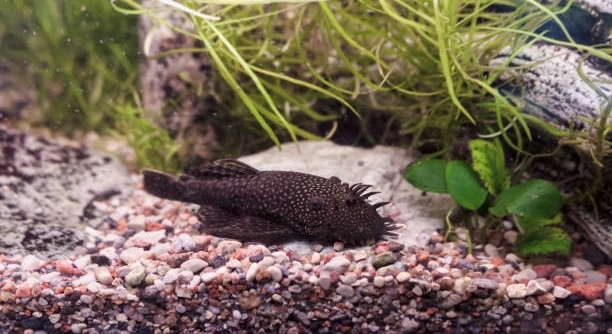
Do you ever notice that your plecos seem less active or reluctant to breed despite a well-maintained tank? Many enthusiasts face challenges in creating optimal conditions for healthy and successful pleco breeding.
Improving pleco breeding conditions requires careful attention to water parameters, tank setup, diet, and environmental cues. Providing consistent temperature, clean water, hiding spaces, and proper nutrition significantly increases the likelihood of successful spawning and fry survival.
Understanding these essential factors will help you foster a thriving environment and support your plecos’ natural breeding behaviors more effectively.
Maintain Optimal Water Parameters
Plecos are very sensitive to water conditions, and stable parameters are crucial for breeding success. Keep the temperature consistent between 78°F and 82°F, as fluctuations can stress the fish and reduce spawning activity. Monitor pH regularly, aiming for slightly acidic to neutral water, around 6.5–7.5. Ammonia, nitrite, and nitrate levels must always be at safe ranges. Frequent partial water changes help maintain clean water without causing sudden shifts. Using a reliable heater and thermometer ensures the tank remains within the ideal temperature range. Proper filtration is necessary, but avoid strong currents, as plecos prefer calm areas with gentle flow. Adding a layer of substrate like sand or smooth gravel can mimic their natural habitat. Including driftwood not only offers hiding spots but also slightly acidifies water, which can encourage breeding. Regular testing of water and careful adjustments create a healthy and stable environment where plecos feel safe to spawn.
Maintaining consistent water quality reduces stress and creates an environment where plecos are more likely to breed successfully.
Stable water conditions, including correct temperature, pH, and cleanliness, support healthy spawning. Driftwood and proper substrate further enhance the breeding environment for plecos, promoting activity and fry survival.
Provide Adequate Hiding Spaces
Plecos require sheltered areas for spawning, as they prefer caves or crevices for laying eggs.
Hiding spots should mimic natural conditions, using ceramic or resin caves, PVC pipes, or driftwood with cavities. These spaces give plecos privacy and reduce stress during breeding. Ensure the openings are large enough for the fish to enter but snug enough to feel secure. Position multiple shelters in different areas of the tank to allow choice and reduce competition. Some plecos may prefer vertical tubes, while others like horizontal or flat spaces. Adding plants near hiding spots can provide additional cover and make the area feel safer. Changing decorations too often can deter breeding, so keep the layout consistent. Cleaning the shelters occasionally prevents algae buildup but avoid disturbing eggs once they are laid. Providing a variety of secure, quiet spaces increases the chances that plecos will feel comfortable and initiate spawning behavior naturally.
Creating multiple, well-placed hiding areas encourages plecos to explore and spawn confidently. Proper shelters support egg-laying and protect fry from stress and aggression.
Feed a Varied and Nutritious Diet
A balanced diet is essential for healthy plecos and encourages breeding. Offer fresh vegetables, algae wafers, and occasional protein sources to keep them strong and ready to spawn.
Variety in feeding supports overall health and stimulates natural breeding behaviors. Plecos benefit from leafy greens like zucchini, spinach, and cucumber, which provide fiber and essential nutrients. Algae wafers or sinking pellets ensure they receive adequate carbohydrates and vitamins, while occasional protein, such as bloodworms or shrimp, boosts energy levels. Feeding in small portions multiple times a day prevents water pollution and keeps fish active. Healthy plecos are more likely to engage in courtship and lay eggs, making diet a key factor in successful breeding.
It is important to remove uneaten food promptly to maintain water quality. Combining fresh vegetables with commercially prepared foods gives plecos the right nutrients, supporting growth and spawning readiness. A proper feeding routine fosters stronger, more vibrant fish, ready for breeding activity.
Simulate Seasonal Changes
Introducing seasonal cues can trigger spawning instincts in plecos. Gradually adjusting temperature or water levels mimics natural cycles.
Simulating seasonal changes involves slowly lowering or raising water temperature by a few degrees and performing larger, controlled water changes to replicate rainfall or wet seasons. Reducing light slightly and introducing fresh water rich in minerals can encourage natural breeding behaviors. These adjustments signal to plecos that conditions are favorable for spawning. Gradual changes are crucial to avoid stress, and maintaining stable conditions after the simulation helps sustain healthy fish. By following these patterns, plecos are more likely to reproduce successfully in captivity, reflecting behaviors they would follow in the wild.
Seasonal simulation combined with proper feeding, hiding spaces, and water conditions significantly improves breeding success. Plecos respond well to predictable environmental cues, making careful adjustments an effective way to encourage spawning naturally.
Keep Tank Clean and Well-Oxygenated
Regular maintenance is vital for breeding plecos. Remove uneaten food and debris, and perform partial water changes to maintain water quality.
Using an air stone or gentle filtration improves oxygen levels. Clean water reduces stress and prevents diseases, both of which support successful spawning and fry survival.
Monitor Pleco Behavior
Observing plecos closely helps identify readiness for breeding. Look for increased activity, pairing behaviors, and nest preparation.
Plecos may become more territorial or spend extra time near hiding spots when ready to spawn. Noting these behaviors allows timely adjustments to tank conditions, feeding, or shelter placement, enhancing the chances of successful breeding.
Maintain Consistent Temperature
Stable temperature is essential for spawning. Avoid sudden fluctuations to keep plecos comfortable and breeding-ready.
Separate Aggressive Individuals
If certain plecos show aggression, isolating them prevents stress and harm to other fish.
FAQ
How often should I feed plecos to encourage breeding?
Feeding small amounts two to three times a day works best. Offer a mix of vegetables, algae wafers, and occasional protein like bloodworms. Overfeeding can pollute the tank and stress the fish, reducing the likelihood of spawning. Keeping a consistent feeding schedule helps maintain their energy and overall health.
What is the ideal tank size for breeding plecos?
A minimum of 30 gallons is recommended for smaller pleco species, but larger tanks of 50 gallons or more are better for bigger species. More space reduces aggression and allows for multiple hiding spots, which encourages natural breeding behaviors and gives fry room to thrive.
Which water parameters are most important for spawning?
Temperature, pH, and water cleanliness are critical. Keep the temperature between 78–82°F and pH slightly acidic to neutral, around 6.5–7.5. Ammonia and nitrite should remain at 0, with nitrate below 20 ppm. Stable water conditions reduce stress and increase the chance of successful spawning.
Do plecos need hiding spots for breeding?
Yes, caves or crevices are essential. Plecos prefer secluded areas to lay eggs and feel secure. PVC pipes, ceramic caves, or driftwood with cavities work well. Multiple hiding spaces allow plecos to choose a preferred location and reduce conflicts among fish, supporting healthier breeding behavior.
Can seasonal changes really trigger spawning?
Yes. Gradually adjusting water temperature, performing controlled water changes, and slightly modifying light cycles mimics natural seasonal shifts. These changes signal to plecos that conditions are favorable for breeding. Avoid sudden adjustments, as plecos are sensitive to stress, which can delay or prevent spawning.
How long does it take for eggs to hatch?
Eggs usually hatch within 4–10 days, depending on species and water temperature. Warmer, stable water speeds up development slightly, while cooler water slows it. After hatching, fry are extremely small and need fine foods such as powdered fry food or algae wafers to survive their first days.
Do plecos eat their own eggs or fry?
Some species may eat eggs if stressed or if hiding spaces are insufficient. Males often guard the eggs, but overcrowding or poor conditions increase risks. Providing proper shelters and separating aggressive individuals ensures higher survival rates for eggs and fry.
What signs show plecos are ready to breed?
Increased activity, nest preparation, pairing, and territorial behavior are good indicators. Males may clean a chosen cave or chase other fish away. Observing these behaviors allows timely adjustments to diet, tank conditions, or hiding spaces, improving the chances of successful spawning.
Should I adjust water hardness for breeding?
Yes, softer water often encourages spawning in many species. Slightly lowering hardness can simulate natural conditions and trigger breeding instincts. Test water regularly and make changes gradually to avoid stress. Combining this with proper temperature, diet, and hiding spaces creates an ideal environment.
What is the best way to care for fry?
After hatching, provide very fine foods and keep water clean. Frequent, small water changes and gentle filtration are essential. Remove uneaten food to prevent water pollution, and ensure hiding spaces remain intact. Maintaining stable conditions supports growth, reduces stress, and increases fry survival.
Can multiple pairs breed in the same tank?
Yes, if the tank is large enough and contains multiple hiding spots. Overcrowding increases aggression, so provide plenty of caves and space. Monitoring behavior is important to prevent conflicts and ensure all eggs and fry have the best chance of survival.
How long does it take for plecos to reach sexual maturity?
Most plecos reach maturity between 6 months to 2 years, depending on species and diet. Proper nutrition, tank size, and stable conditions can influence growth rate and readiness to spawn. Patience is necessary, as premature breeding attempts often fail.
Are any supplements helpful for breeding?
Occasional high-protein foods like bloodworms or shrimp can boost energy and spawning readiness. Some breeders use mineral supplements to improve water quality or stimulate egg production, but overuse can harm water conditions. Consistency in feeding and water maintenance is more important than supplements.
How do I prevent disease during breeding?
Maintain clean water, remove uneaten food, and monitor fish for signs of stress or illness. Quarantine new additions before introducing them to the breeding tank. Healthy fish are more likely to spawn successfully, and disease-free conditions protect both adults and fry from preventable losses.
What is the role of driftwood in breeding tanks?
Driftwood provides hiding spots, slightly acidifies water, and supports natural feeding behaviors. Plecos often graze on biofilm that forms on the wood, giving them extra nutrients. Positioning driftwood near caves encourages natural spawning behavior and creates a more comfortable environment.
Can I breed plecos in a community tank?
It’s possible, but not ideal. Other fish can stress plecos, eat eggs, or compete for food. A dedicated breeding tank with proper hiding spots, water parameters, and monitoring provides a higher success rate for spawning and fry survival.
How do I know if eggs are fertile?
Fertile eggs are usually opaque or slightly yellowish and remain attached to surfaces. Infertile eggs often turn white or fuzzy and should be removed to prevent fungal growth. Observing male guarding behavior also helps confirm that eggs are being fertilized and protected properly.
What is the best lighting for breeding plecos?
Moderate lighting is ideal. Too much light stresses fish, while very low light can reduce activity. Simulating natural day-night cycles helps regulate behavior and supports spawning instincts. Avoid sudden changes in light intensity to prevent stress.
Is it necessary to move fry to a separate tank?
Not always, but it can improve survival. Fry are vulnerable to adults and may be outcompeted for food. Using a dedicated fry tank or breeder box ensures safer growth, consistent feeding, and better monitoring of water conditions for the young plecos.
How often should water changes be done during breeding?
Frequent partial water changes, about 20–30% weekly or more during seasonal simulation, maintain clean, stable conditions. Avoid large sudden changes, which can stress fish. Consistent maintenance supports adult health and increases egg and fry survival rates.
Can breeding success be improved with tank decorations?
Yes, adding caves, driftwood, and plants creates security and mimics natural habitats. Well-placed shelters reduce aggression, encourage pairing, and support egg-laying behaviors. Consistent layout and suitable hiding spots increase comfort and confidence for both males and females, enhancing breeding success.
What common mistakes should I avoid?
Avoid sudden temperature changes, overfeeding, overcrowding, and insufficient hiding spots. Neglecting water quality or monitoring pleco behavior can reduce spawning success. Gradual environmental adjustments, proper diet, and regular maintenance are key to creating conditions where plecos can breed successfully and raise healthy fry.
This FAQ provides practical guidance for improving breeding conditions, covering diet, water quality, habitat, and behavior management. Implementing these strategies can increase the likelihood of successful spawning and support healthy, thriving pleco fry.
Word count: 508
Creating the right environment for pleco breeding requires careful attention to several key factors. Consistent water quality is one of the most important elements. Maintaining stable temperature, pH, and cleanliness ensures that the fish are comfortable and less stressed, which is essential for successful spawning. Regular water testing and partial water changes help prevent harmful buildups of ammonia, nitrites, or nitrates. Using a reliable heater and thermometer, along with proper filtration, supports a stable and safe environment. Gentle water flow is best, as strong currents can stress plecos and discourage breeding. By keeping the water conditions consistent, plecos are more likely to display natural behaviors and initiate spawning.
In addition to water quality, diet and habitat play a critical role. Feeding a varied and balanced diet ensures the fish have enough energy for breeding. Fresh vegetables, algae wafers, and occasional protein sources provide essential nutrients and stimulate natural reproductive behaviors. At the same time, creating adequate hiding spaces is essential. Plecos prefer secluded areas such as caves, driftwood cavities, or PVC tubes to lay eggs. Multiple shelters reduce stress and allow fish to choose preferred locations, supporting healthy breeding behaviors. Providing these elements helps plecos feel secure and encourages pairing, nest preparation, and egg-laying. Monitoring their behavior closely also allows timely adjustments to diet, water parameters, or tank setup to optimize conditions.
Environmental cues, such as simulating seasonal changes, can further improve breeding success. Gradual adjustments to temperature, water levels, and lighting mimic natural seasonal patterns and signal that conditions are favorable for reproduction. Combining these adjustments with a stable environment, proper diet, and sufficient hiding spots gives plecos the best chance to spawn successfully. Maintaining clean tanks and removing aggressive individuals when needed also reduces stress and protects eggs and fry. Overall, careful attention to water parameters, nutrition, habitat, and seasonal cues creates an environment that supports healthy breeding. With patience and consistent care, plecos can thrive and reproduce, resulting in a more vibrant and active tank while supporting the growth of healthy fry.
Word count: 412

Hello,
If you enjoy the content that we create, please consider saying a "Thank You!" by leaving a tip.
Every little bit helps us continue crafting quality advice that supports the health, happiness, and well-being of pets around the world, for pets of all shapes, sizes, and species.
We really appreciate the kindness and support that you show us!