
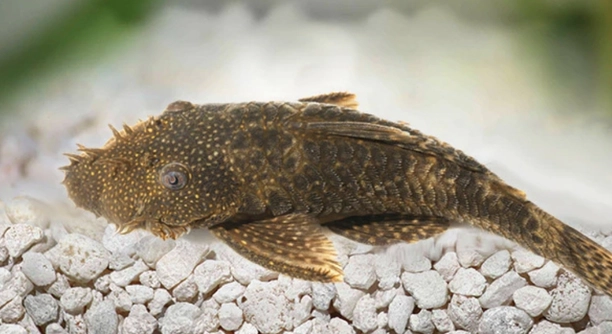
Is your pleco moving slower than usual and resting at the bottom of the tank? Observing changes in behavior can be worrying, especially when your fish usually swims energetically. Lethargy may indicate underlying environmental or health concerns.
Lethargy in plecos is often caused by water quality issues, temperature fluctuations, inadequate diet, or stress from overcrowding. Ensuring proper tank maintenance, consistent feeding schedules, and suitable water parameters can help restore their normal activity levels.
Monitoring your pleco closely can reveal patterns that impact its health. Understanding these factors ensures a happier, more active fish in your aquarium.
Common Causes of Lethargy in Plecos
Changes in a pleco’s behavior often relate to its environment. Poor water quality, such as high ammonia or nitrite levels, can make them sluggish. Temperature swings stress their metabolism, reducing activity. A diet lacking variety or essential nutrients also contributes to fatigue. Overcrowding in the tank creates competition and tension, further lowering energy. Observing these factors daily helps identify early signs before serious health issues appear. Lighting and hiding spaces influence comfort; insufficient cover may cause stress, while too much direct light can discourage movement. Consistency in feeding, water changes, and maintaining stable temperatures supports natural behavior. Even minor adjustments in the tank setup, such as rearranging decorations or cleaning filters, can impact activity levels. Recognizing these subtle environmental cues allows for targeted improvements, helping plecos regain vitality. Simple monitoring and proactive care often prevent lethargy and encourage healthier swimming patterns over time.
Even small shifts in water or temperature can noticeably affect a pleco’s energy levels and overall health.
Tracking water parameters, tank population, and diet can pinpoint what your pleco needs to stay active and healthy. Regular maintenance prevents prolonged stress.
Water Quality and Temperature Management
Water conditions are crucial for plecos to thrive. Poor quality or sudden temperature changes directly impact their metabolism and energy.
Stable water parameters and proper temperature help plecos maintain normal activity. Frequent testing ensures any imbalances are corrected quickly.
Maintaining a consistent environment begins with regular water testing. Ammonia, nitrite, and nitrate levels must be monitored to prevent toxic buildup. Temperature should match species requirements, generally between 72–78°F, with small fluctuations avoided. Filtration systems and partial water changes keep tanks clean, while aeration ensures oxygen levels remain adequate. Observing your pleco’s response to these conditions can indicate if adjustments are effective. A stable environment reduces stress, lowers susceptibility to illness, and supports feeding behavior. Tanks with plants or hiding spots allow plecos to feel secure, encouraging movement rather than hiding excessively. Over time, consistency in water quality and temperature management fosters natural energy patterns and helps plecos display their typical behavior. Proper care ultimately leads to healthier, more active fish, minimizing lethargy caused by environmental stressors.
Diet and Nutrition
A pleco’s diet greatly impacts its energy. Lack of variety or insufficient nutrients can make them lethargic. Feeding both algae-based foods and protein supplements ensures proper growth and vitality, helping them stay active and healthy in their tank environment.
Providing a balanced diet involves more than just algae wafers. Plecos benefit from fresh vegetables like zucchini, cucumber, and spinach. Occasional protein sources such as shrimp pellets or bloodworms support muscle development. Overfeeding can lead to poor water quality, which in turn affects energy levels. Rotating food types keeps meals interesting and ensures all nutritional needs are met. Observing how your pleco responds to different foods helps refine its diet.
Some plecos are picky eaters, so offering various textures and flavors can encourage better consumption. Fresh vegetables should be blanched to soften them, making them easier to digest. Monitoring leftovers prevents waste and keeps the tank clean. Regularly adjusting portion sizes and food types promotes consistent activity and prevents sluggish behavior caused by dietary deficiencies.
Stress and Tank Environment
Stress from tank conditions or other fish can reduce a pleco’s activity. Overcrowding, sudden changes, and lack of hiding spots all contribute to fatigue.
Creating a calm environment supports pleco well-being. Adequate space, stable water, and minimal disruptions reduce stress. Plants, caves, and decorations offer security and comfort.
Plecos need a peaceful and stable environment to stay active. Crowded tanks increase aggression and limit swimming space. Sudden rearrangements or loud noises can startle them, leading to extended periods of inactivity. Providing sufficient hiding places, such as caves or driftwood, allows plecos to rest safely without feeling threatened. Maintaining a quiet routine during feeding and cleaning helps prevent unnecessary stress. Observing interactions with tank mates is essential; aggressive companions may need separation to reduce tension. Ensuring consistent light cycles and avoiding extreme temperature fluctuations further supports calm behavior. A well-planned tank environment promotes natural movement, encourages exploration, and minimizes lethargy caused by stress.
Illness and Disease
Lethargy can signal an underlying illness. Common issues include bacterial infections, parasites, or fungal growths. Early detection and treatment are essential to prevent worsening conditions and support recovery.
Observing physical changes like discoloration, torn fins, or unusual spots can help identify health problems. Immediate attention improves outcomes.
Recognizing Symptoms
Signs of sickness in plecos often go unnoticed until behavior changes. Look for slow movement, loss of appetite, or hiding excessively. Monitoring these subtle cues allows timely intervention. Regular observation is key to maintaining health and preventing serious complications.
Treatment Options
Treatment depends on the condition. Water changes, medications, and dietary adjustments may be needed. Following recommended dosages and tank care routines ensures effective recovery.
Preventive Measures
Maintaining clean water, proper diet, and stable conditions reduces disease risk. Regular monitoring supports long-term pleco health and activity.
FAQ
Why is my pleco staying at the bottom of the tank?
Plecos resting at the bottom is often normal, but prolonged inactivity may indicate stress, poor water quality, or illness. Checking water parameters like ammonia, nitrites, and nitrates is crucial. Temperature fluctuations can also slow metabolism, making your pleco appear lethargic.
How can I tell if my pleco is sick?
Look for changes in appetite, unusual swimming patterns, or hiding more than usual. Physical signs like torn fins, discoloration, or white spots often accompany illness. Early detection is key, so observe behavior daily and act quickly if symptoms appear.
What should I feed my pleco to boost energy?
A varied diet keeps plecos active. Include algae wafers, fresh vegetables like zucchini or cucumber, and occasional protein sources such as bloodworms or shrimp pellets. Blanch vegetables to soften them and remove uneaten food to maintain water quality.
Can water temperature affect my pleco’s activity?
Yes. Plecos thrive in stable temperatures between 72–78°F. Sudden drops or rises stress them and slow their metabolism, causing lethargy. Consistent monitoring and a reliable heater or thermostat help prevent fluctuations and keep your pleco energetic.
How often should I clean my pleco’s tank?
Regular maintenance is essential. Partial water changes of 20–30% weekly, along with filter cleaning, keep ammonia and nitrate levels low. Remove leftover food and debris to reduce stress and maintain a healthy environment.
Why does my pleco hide all the time?
Hiding is natural, but excessive hiding may indicate stress from overcrowding, aggressive tank mates, or insufficient hiding spots. Providing caves, driftwood, or plants gives security while encouraging healthy exploration.
Is it normal for plecos to be inactive during the day?
Yes, plecos are primarily nocturnal. Daytime inactivity is natural, but lethargy outside normal resting periods should be monitored. Nighttime activity, healthy feeding, and curiosity indicate normal behavior.
How can I reduce stress in my pleco?
Minimize disturbances such as sudden noises or tank rearrangements. Maintain stable water conditions and provide hiding spaces. Avoid overcrowding and aggressive tank mates to help your pleco feel safe and maintain energy levels.
What should I do if my pleco refuses to eat?
Refusal to eat may be due to illness, stress, or poor water conditions. Check tank parameters first. Offer a variety of foods, including vegetables and protein-based options. Isolate if aggressive tank mates are present. Seek veterinary advice if refusal persists.
Can tank mates affect pleco behavior?
Yes. Aggressive or overly active fish can stress plecos, reducing activity. Observing interactions and providing enough space and hiding spots helps maintain balance and encourages normal behavior.
How long can plecos go without food?
Adult plecos can survive several days without food, but prolonged fasting reduces energy and weakens the immune system. Ensure consistent feeding and supplement with fresh vegetables and protein for optimal health.
Are there signs that my pleco is recovering from lethargy?
Improved swimming, normal feeding, and reduced hiding indicate recovery. Consistent energy levels and responsiveness to tank stimuli show that environmental or dietary adjustments are working effectively.
When should I consult a veterinarian?
If lethargy persists despite water quality corrections, dietary improvements, and stress reduction, consult a veterinarian. Professional care is essential for bacterial infections, parasites, or other serious health issues.
How can I prevent future lethargy?
Regular monitoring of water quality, maintaining a balanced diet, providing adequate hiding spots, and keeping stable tank conditions reduce stress and prevent recurring lethargy. Consistency in care supports long-term health and energy.
Can supplements help my pleco stay active?
Yes, occasional vitamin or mineral supplements can support overall health. Only use products designed for fish, following dosage instructions carefully to avoid harming water quality or your pleco.
What role does tank size play in pleco activity?
A tank that is too small limits swimming space and increases stress, causing lethargy. Ensure adequate space based on species size, generally at least 30–50 gallons for common plecos, with larger tanks for adult fish.
How do I know if lethargy is temporary or serious?
Short periods of inactivity can be normal, especially during the day. Persistent sluggishness, combined with poor appetite or physical signs, indicates a serious problem that requires intervention.
Can changes in lighting affect my pleco’s behavior?
Yes. Plecos prefer low to moderate lighting. Sudden bright lights or inconsistent light cycles can stress them, leading to hiding or reduced activity. A stable light schedule supports natural nocturnal patterns.
Does water hardness affect pleco activity?
Plecos prefer moderately soft to slightly hard water. Extreme hardness or sudden changes can stress them, causing lethargy. Regular testing and gradual adjustments help maintain comfort and activity levels.
Are some pleco species more prone to lethargy than others?
Yes. Species like the Bristlenose or Common Pleco have different activity levels and environmental preferences. Understanding species-specific needs ensures proper care and reduces the risk of lethargy.
How can I encourage my pleco to explore more?
Adding decorations, driftwood, and plants provides stimulation and encourages movement. Feeding in different locations and offering occasional treats can also promote natural exploration and reduce inactivity.
What role does oxygen play in pleco energy?
Low oxygen levels can cause lethargy. Ensure adequate aeration with filters, air stones, or surface agitation. Observing bubbles and movement helps maintain proper oxygenation.
Can seasonal changes affect my pleco?
Yes. Temperature and daylight variations can influence metabolism and activity. Keeping conditions stable with heaters, thermostats, and consistent lighting minimizes seasonal lethargy.
Is it normal for plecos to be less active during breeding periods?
Yes. Breeding behavior often includes hiding and reduced movement. Providing caves and minimal disturbance supports reproductive health while preventing stress-related lethargy.
How often should I monitor my pleco’s behavior?
Daily observation is ideal. Tracking activity, feeding, and interaction with tank mates helps detect early signs of stress, illness, or environmental issues before they escalate.
Can water additives or medications cause lethargy?
Some treatments may temporarily reduce activity. Follow instructions carefully, monitor behavior, and ensure proper water conditions to support recovery and normal energy levels.
What is the best way to handle a lethargic pleco?
Minimize handling to reduce stress. Focus on improving water quality, providing a balanced diet, stable conditions, and adequate hiding spots. Observe for recovery signs before introducing changes or treatments.
Are there long-term effects of repeated lethargy?
Persistent lethargy can weaken immunity, reduce growth, and increase susceptibility to disease. Consistent care and preventive measures are essential to maintain health and activity.
How can I track improvements in my pleco’s energy?
Use a journal or notes to record feeding, activity, and behavior. Comparing patterns over time helps determine the effectiveness of environmental adjustments and dietary changes.
Can water pH changes impact my pleco?
Yes. Plecos prefer slightly acidic to neutral pH. Sudden shifts can stress them, causing lethargy. Regular monitoring and gradual adjustments maintain optimal conditions.
Should I separate a lethargic pleco from other fish?
If aggression or competition is present, temporary separation may reduce stress. Ensure isolated conditions maintain stable water quality and proper diet for recovery.
How does tank cleaning affect pleco activity?
Routine cleaning improves water quality and reduces toxins that cause lethargy. Avoid overcleaning or sudden major changes, which can stress your pleco and temporarily reduce movement.
What environmental enrichment helps plecos stay active?
Driftwood, caves, plants, and varied feeding locations encourage exploration. Rotating decorations occasionally keeps the environment engaging and promotes natural swimming behavior.
Can lighting schedules help regulate pleco energy?
Yes. Maintaining consistent light and dark periods supports natural nocturnal patterns. Gradual transitions prevent stress and help the pleco stay active at appropriate times.
How important is tank cover for pleco well-being?
Providing cover like caves, plants, and shaded areas reduces stress. Feeling secure allows plecos to rest properly and increases daytime activity when they are less hidden.
Are water conditioners helpful for lethargy prevention?
Yes. Proper conditioners remove chlorine, chloramine, and heavy metals. Maintaining safe water chemistry reduces stress and supports overall energy and health.
What is the role of routine observation in pleco health?
Consistent monitoring identifies subtle changes early. Detecting reduced activity, feeding issues, or stress indicators allows timely interventions and maintains long-term vitality.
Can tank size changes affect pleco activity?
Yes. Moving to a larger or smaller tank alters territory and swimming space. Provide gradual acclimation and stable conditions to prevent stress-related lethargy.
How long does it take for a lethargic pleco to recover?
Recovery depends on the cause. Environmental adjustments, diet improvements, and treatment typically show results within days to weeks, while serious illnesses may require longer periods with careful monitoring.
Are some plecos naturally slower than others?
Yes. Species and individual temperament influence activity levels. Understanding typical behavior helps differentiate normal rest from concerning lethargy.
What should I avoid to prevent lethargy?
Avoid poor water quality, inconsistent feeding, aggressive tank mates, sudden environmental changes, and inadequate hiding spaces. Preventive care keeps plecos healthy and active.
Does stress from human interaction affect plecos?
Excessive tapping, handling, or loud noises can stress plecos, reducing activity. Minimal disturbance supports natural behavior and energy levels.
Can supplements replace a varied diet?
No. Supplements support health but cannot replace proper nutrition. A balanced diet with fresh vegetables, algae, and protein sources is essential for maintaining activity.
Is it normal for plecos to rest frequently at night?
Yes. Plecos are nocturnal, but prolonged inactivity outside their normal pattern may signal stress or illness. Observing routine behavior ensures they are healthy.
What adjustments help plecos after illness?
Provide stable water, a balanced diet, quiet surroundings, and minimal handling. Gradual reintroduction to tank mates and enrichment supports full recovery and prevents relapse.
Can changes in tank decorations cause lethargy?
Yes. Rearranging decorations abruptly can stress plecos. Introduce changes gradually while monitoring behavior to prevent reduced activity.
How does filtration quality affect pleco energy?
Proper filtration maintains oxygen levels and reduces toxins. Poor filtration leads to stress, poor health, and lethargy, while efficient systems support active behavior.
Are water temperature swings more harmful than constant extremes?
Yes. Frequent changes stress plecos more than consistently high or low temperatures. Maintaining stability is crucial for energy and metabolism.
Can frequent tank cleaning cause temporary lethargy?
Yes. Major disturbances can stress plecos. Routine partial cleaning is preferable to avoid sudden changes that temporarily reduce activity.
How do I know if my pleco is adjusting to a new tank?
Mild hiding and reduced activity are normal initially. Gradual exploration, normal feeding, and increased movement indicate successful adaptation.
Can overcrowding lead to permanent lethargy?
Long-term overcrowding increases stress, disease risk, and reduces swimming space. Addressing population density is essential to restore energy levels and prevent lasting effects.
What role does hiding space play in pleco recovery?
Adequate hiding areas reduce stress and provide security during recovery. Caves, driftwood, and plants support rest and encourage natural movement once the fish feels safe.
Are plecos affected by sudden lighting changes during tank maintenance?
Yes. Abrupt bright lights can startle them, causing temporary hiding and inactivity. Using gradual transitions minimizes stress and helps maintain normal behavior.
Can diet changes alone restore energy in a lethargic pleco?
Diet improvements help but must be combined with stable water and a stress-free environment. Nutrition alone may not resolve lethargy caused by illness or poor conditions.
How do I monitor oxygen levels for pleco activity?
Check bubbles from aeration, observe surface movement, and use dissolved oxygen test kits. Adequate oxygen supports swimming, feeding, and overall vitality.
What are the signs of long-term stress in plecos?
Chronic hiding, reduced feeding, slow swimming, and susceptibility to disease indicate long-term stress. Addressing environmental factors and diet helps prevent persistent lethargy.
How does tank water flow affect pleco activity?
Plecos prefer moderate flow. Strong currents can exhaust them, while stagnant water reduces oxygen. Balancing flow supports natural swimming patterns and activity levels.
Can seasonal illnesses cause lethargy?
Yes. Some bacterial or fungal infections are more common during seasonal temperature changes. Maintaining stable conditions and hygiene reduces risk.
Are juvenile plecos more prone to lethargy than adults?
Juveniles may be more sensitive to water quality and temperature changes. Close monitoring and proper care ensure growth and activity are maintained.
Does breeding stress cause lethargy?
Yes. Breeding plecos may reduce movement and feeding temporarily. Providing privacy and minimal disturbance supports reproductive health.
How important is a consistent feeding schedule?
Consistent feeding encourages predictable behavior and energy levels. Irregular schedules can stress plecos and contribute to lethargy.
Can water hardness changes affect long-term pleco activity?
Yes. Sudden shifts in hardness can stress plecos. Gradual adjustments and monitoring maintain comfort and reduce fatigue.
Is it normal for plecos to have inactive days?
Yes. Like other animals, plecos may have periods of rest. Persistent inactivity outside normal patterns warrants observation.
How do I differentiate between resting and lethargy?
Resting is short and predictable, usually during daytime for nocturnal plecos. Lethargy is prolonged, with reduced response to stimuli, feeding, or exploration.
Can tank mates’ health affect my pleco’s activity?
Yes. Sick or aggressive companions can stress plecos, reducing movement and feeding. Monitoring interactions supports a harmonious environment.
What is the role of driftwood in pleco activity?
Driftwood provides hiding spots, grazing surfaces, and enrichment. It encourages natural behavior, reduces stress, and promotes regular movement.
How does overfeeding affect pleco energy?
Excess food can deteriorate water quality, increasing ammonia and nitrate levels. Poor conditions stress plecos and reduce activity, despite abundant nutrition.
Can water additives improve lethargy caused by poor quality?
Yes, proper conditioners remove harmful chemicals and stabilize pH. They support recovery when combined with regular water maintenance and diet.
How often should I check water parameters to prevent lethargy?
Weekly testing of ammonia, nitrite, nitrate, pH, and hardness helps maintain stable conditions and prevent fatigue or stress in plecos.
Can changing tank mates improve a lethargic pleco’s behavior?
Yes. Removing aggressive or overly active fish reduces stress, allowing the pleco to regain normal activity and feeding habits.
What is the impact of insufficient hiding spaces on pleco energy?
Lack of cover increases stress, discourages movement, and may lead to chronic lethargy. Providing caves and plants encourages natural behavior and activity.
How do I safely introduce a lethargic pleco back to its tank environment?
After recovery, gradually reintroduce changes in tank mates, decorations, and food placement. Maintain stable water and minimal disturbance to encourage natural behavior.
Can plecos become lethargic from boredom?
Yes. A monotonous environment with no enrichment can reduce activity. Adding decorations, driftwood, and varied feeding locations stimulates movement.
How long should I observe a pleco before concluding lethargy is serious?
Observe behavior consistently over several days. Persistent inactivity, loss of appetite, or physical symptoms indicate a serious issue requiring intervention.
Can water changes shock a pleco?
Sudden large changes in temperature, pH, or chemistry can stress plecos. Partial, gradual water changes prevent shock and maintain normal activity.
Are nocturnal feeding schedules better for plecos?
Yes. Feeding during their active nighttime period encourages consumption and energy. Daytime feeding may be less effective for nocturnal species.
How does poor filtration affect long-term pleco behavior?
Inadequate filtration leads to toxin buildup, low oxygen, and stress. Over time, this reduces swimming, feeding, and overall vitality, causing chronic lethargy.
Can plecos recover fully from extended lethargy?
Yes, with proper water quality, diet, stress reduction, and medical attention if needed. Recovery time varies based on underlying causes.
Does water flow orientation in the tank matter?
Yes. Moderate flow promotes exercise without exhaustion. Proper flow distribution ensures all areas remain oxygenated and comfortable for the pleco.
How do I prevent lethargy during seasonal temperature changes?
Use heaters, thermometers, and consistent lighting. Gradually acclimate plecos to prevent stress-related inactivity during seasonal fluctuations.
Are hiding spaces more important than swimming space?
Both are important. Adequate swimming space supports activity, while hiding spots reduce stress, promoting natural behavior and energy levels.
What is the role of tank stability in preventing lethargy?
Stable temperature, water chemistry, lighting, and minimal disturbances create a consistent environment. This supports health, feeding, and normal activity.
Can dietary supplements alone fix lethargy?
No. Supplements support health but cannot replace proper diet, water quality, or stress management, all essential for normal energy levels.
How does tank decoration placement influence pleco activity?
Properly arranged decorations provide exploration opportunities and hiding spots. Poor placement may block swimming areas or create stress, reducing movement.
How do I maintain oxygen levels in a densely populated tank?
Use strong filtration, air stones, and regular water changes. Adequate oxygen prevents fatigue and supports active behavior in all tank inhabitants.
Are nocturnal plecos less active in bright tanks?
Yes. Excessive lighting during the day can stress nocturnal plecos, encouraging hiding and reducing visible activity. Controlled light cycles improve energy levels.
How does pH instability contribute to lethargy?
Sudden pH changes stress plecos, affecting metabolism and movement. Gradual adjustments and monitoring maintain comfort and activity.
Can stress from transportation cause temporary lethargy?
Yes. Moving plecos to a new tank or location can reduce activity temporarily. Providing stable water and quiet surroundings helps recovery.
How do I know if water conditioner is effective?
Test water parameters before and after treatment. Proper conditioners remove chlorine, chloramines, and heavy metals, creating a safe environment for normal pleco behavior.
What is the effect of overstocking on pleco energy?
Too many fish increase competition and stress, reducing movement and feeding. Adjusting
Final Thoughts
Observing a lethargic pleco can be worrying, but it is often a signal that something in the tank environment needs attention. Water quality, temperature, diet, and stress levels all play significant roles in a pleco’s activity. Consistently monitoring water parameters, such as ammonia, nitrite, nitrate, pH, and hardness, is essential to maintaining a healthy environment. Sudden fluctuations in temperature or chemical levels can easily cause fatigue, even if the fish appears otherwise healthy. Making small, gradual adjustments rather than abrupt changes helps reduce stress and encourages normal behavior. Ensuring the tank is properly filtered, aerated, and maintained with partial water changes supports oxygen levels and overall health. Even minor improvements, like rearranging decorations or adding hiding spaces, can significantly affect a pleco’s comfort and energy. Over time, these adjustments create a stable environment that supports natural swimming patterns, feeding behavior, and daily activity.
Diet is another crucial factor in keeping plecos active and healthy. While algae-based foods are a staple, they often need supplementation with fresh vegetables such as zucchini, cucumber, or spinach. Occasional protein sources, like shrimp pellets or bloodworms, provide additional nutrients that support muscle development and energy levels. Offering variety ensures all dietary needs are met and prevents nutritional deficiencies that can lead to lethargy. Overfeeding, however, can cause water quality problems, which in turn affect activity levels. It is important to observe how your pleco responds to different foods and adjust portion sizes accordingly. Providing a consistent feeding schedule also supports predictable behavior and reduces stress. Watching for leftover food and promptly removing it maintains cleanliness and prevents water contamination. Small changes to diet and feeding routines can have a noticeable impact on activity levels, overall health, and recovery from periods of lethargy.
Stress and social dynamics within the tank should not be overlooked. Overcrowding, aggressive tank mates, or insufficient hiding spaces can make a pleco more withdrawn and inactive. Adding caves, plants, or driftwood provides areas of security, allowing the fish to rest comfortably without feeling threatened. Sudden changes, such as loud noises, frequent tapping, or abrupt rearrangements, can also trigger stress responses that reduce activity. Observing behavior regularly allows you to identify patterns and make small modifications to reduce tension. If illness is suspected, monitoring physical signs like discoloration, torn fins, or unusual spots is essential for early intervention. Prompt action, combined with stable environmental conditions and a balanced diet, supports recovery and encourages normal energy levels. Over time, consistent care fosters a healthier, more active pleco, allowing it to thrive in the aquarium while minimizing future episodes of lethargy.

Hello,
If you enjoy the content that we create, please consider saying a "Thank You!" by leaving a tip.
Every little bit helps us continue crafting quality advice that supports the health, happiness, and well-being of pets around the world, for pets of all shapes, sizes, and species.
We really appreciate the kindness and support that you show us!