
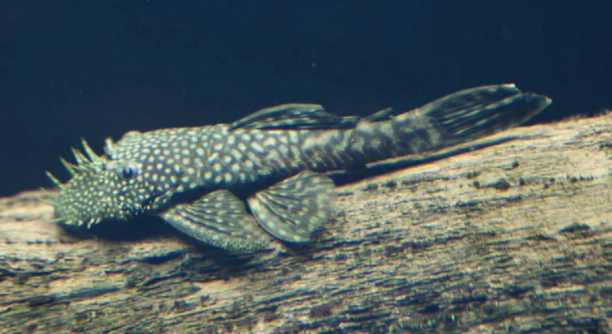
Do you enjoy spending time in your aquarium, observing the calm movements of your fish, and noticing little behaviors that make each species unique? Bristlenose plecos are particularly interesting, with their distinctive appearance and quiet, gentle nature.
Bristlenose plecos do show limited responses to certain sounds, including music, though these reactions are usually subtle. Their sensory systems are more tuned to water vibrations than melodic patterns, leading to minor changes in movement or activity levels.
Exploring these behaviors can help improve your understanding of pleco care and enrich the environment you provide for them.
How Bristlenose Plecos Perceive Sound
Bristlenose plecos rely heavily on their lateral line system to detect vibrations in the water. This system helps them sense movement and changes in their environment. Unlike humans, they do not hear music in the same way. However, when sounds create water vibrations, plecos may react by adjusting their position or swimming patterns. These responses are usually subtle and can include small fin movements or slight changes in posture. Some aquarists have observed that plecos become more active when bass-heavy music or low-frequency sounds are played, possibly because these vibrations mimic natural stimuli in their environment. It’s important to remember that not all plecos respond the same way; individual behavior can vary based on personality, stress levels, and tank conditions. Observing their reactions over time can help identify patterns, giving insight into how external stimuli like sound affect their behavior. Overall, music is less about enjoyment for plecos and more about perceivable vibrations.
Their reactions to music are subtle and not always consistent, making careful observation essential for understanding behavior.
Creating an environment that considers sound sensitivity can benefit plecos. Low-frequency vibrations may gently stimulate activity without causing stress. Avoid loud, sharp noises, as these can startle fish and trigger hiding or erratic swimming. Providing hiding spots and maintaining stable water conditions helps plecos feel secure. Observing small behavior changes, such as fin movement or position shifts near speakers, can guide how you use ambient sound in the tank. Some owners use soft classical or instrumental music to see minimal but noticeable responses. By combining consistent observation with controlled sound exposure, you can enrich your tank environment responsibly. These methods also help distinguish between natural curiosity and stress-induced reactions. Understanding pleco perception of vibrations adds a subtle layer of enrichment that benefits their overall wellbeing and encourages more natural activity patterns within the tank. Careful experimentation ensures that your approach supports, rather than disturbs, the fish.
Tips for Safely Introducing Music
Start with low volume and observe the pleco’s response. Sudden loud sounds can cause stress and hiding.
Introduce music gradually, allowing plecos to adjust to vibrations. Choose soft or low-frequency music, ensuring no sharp changes in tone. Monitor their behavior closely, noting any signs of discomfort, like hiding or reduced movement. Maintaining consistent tank conditions, including water temperature, pH, and filtration, is crucial when experimenting with sound. Some plecos may ignore music entirely, while others show increased curiosity or swimming patterns. Recording reactions over several days helps identify preferences and tolerance levels. Music should supplement, not replace, environmental enrichment like hiding spots, driftwood, or varied feeding routines. Avoid long sessions and keep changes incremental to prevent stress. By being attentive, you can introduce a mild auditory stimulus safely, supporting both mental and physical activity without compromising the plecos’ comfort or health. This approach ensures music adds subtle enrichment rather than disturbance.
Observing Behavioral Changes
Small shifts in swimming or resting patterns often indicate a pleco’s response to vibrations. Subtle fin flicks, repositioning near the tank bottom, or minor movements toward sound sources are common indicators to watch for.
Tracking these behaviors consistently helps identify patterns over time. Some plecos may gradually become more active during music with steady low frequencies, while others remain indifferent. Changes may also appear during feeding, when vibrations seem to coincide with heightened alertness. Not all responses are positive; occasionally, plecos may hide or retreat if vibrations are too strong. Documenting reactions over days or weeks allows careful observation, helping distinguish between natural curiosity and stress. Patterns vary between individuals and tanks, making personalized observation crucial.
Behavioral changes are rarely dramatic but noticeable with attention. Some plecos display increased activity, exploring areas near speakers or water surfaces. Others remain near their usual hiding spots, occasionally adjusting fins or shifting position subtly. These variations show that responses are individual and influenced by environmental factors. Monitoring reactions can also reveal preferred vibration frequencies or times of day when plecos are most responsive, providing insight into how they experience sound and their overall comfort in the tank. Observing consistently over time ensures accurate understanding of each pleco’s unique behavior.
Music and Tank Environment
Low-frequency music can gently stimulate activity without overwhelming plecos. Sudden loud noises should always be avoided to reduce stress.
Balancing sound exposure with other environmental factors is essential. Consistent water temperature, proper filtration, and secure hiding spaces make plecos feel safe while exploring. Music should be used sparingly and in controlled sessions, ideally when you are present to monitor reactions. Soft instrumental or bass-heavy tracks often elicit subtle movement, though individual responses vary. Recording reactions helps determine which sounds are tolerable or enjoyable. Observing behavior before, during, and after music exposure ensures the fish remain calm. Combining music with other enrichment, like driftwood or feeding routines, can enhance overall stimulation without causing discomfort. By carefully managing these factors, you can add an extra layer of sensory experience while maintaining pleco wellbeing.
Frequency and Volume Considerations
Lower frequencies are easier for plecos to perceive and tend to produce subtle responses. High volumes or sharp tones may startle them, causing stress or hiding behaviors.
Gradual adjustments in volume allow plecos to acclimate. Continuous observation ensures that any negative reactions are immediately addressed, keeping the environment safe and comfortable.
Individual Differences in Response
Not all plecos react the same way to sound or music. Age, personality, and tank conditions influence how they respond. Some may show curiosity, moving slightly toward the source, while others remain indifferent or seek shelter. Understanding these individual differences is key to interpreting behavior accurately.
Using Music as Enrichment
Music should complement other environmental enrichment. Driftwood, hiding spots, and feeding variations remain more impactful for activity and mental stimulation than sound alone. Consistent observation is necessary to prevent overstimulation.
FAQ
Do Bristlenose Plecos actually enjoy music?
Plecos do not experience music in the same way humans do. They respond primarily to vibrations in the water caused by sound. Certain low-frequency sounds may increase activity slightly, but this is a reaction to vibration rather than “enjoyment.” Individual responses vary widely.
Can loud music harm plecos?
Yes. Loud or sudden noises can stress plecos, causing hiding, erratic swimming, or reduced feeding. Their lateral line system is sensitive to strong vibrations, so keeping volume low and gradual is essential to prevent stress. Always observe reactions when introducing new sounds.
Which types of music are safest?
Soft instrumental, classical, or low-frequency tracks are generally safer. Avoid sharp, high-pitched, or abrupt changes in tone, as these can startle plecos. Bass-heavy music can sometimes be stimulating, but it should be introduced carefully and in controlled sessions.
How long should music be played in a pleco tank?
Short sessions of 15–30 minutes are sufficient. Continuous exposure can lead to stress or habituation. Playing music while monitoring behavior allows you to adjust duration based on the pleco’s comfort and responsiveness.
How can I tell if my pleco is stressed by music?
Signs of stress include hiding for extended periods, erratic swimming, reduced feeding, or clamped fins. Observing these behaviors during and after music sessions helps determine if sound exposure is appropriate or needs adjustment.
Is there a benefit to playing music for plecos?
The main benefit is gentle stimulation through vibrations, which can encourage slight movement and exploration. Music should not replace environmental enrichment such as driftwood, hiding spaces, or varied feeding routines, which are more impactful for wellbeing.
Do all plecos respond the same way?
No. Each pleco is unique. Factors like age, personality, health, and tank conditions influence reactions. Some may show curiosity and movement near the sound source, while others ignore it entirely. Consistent observation is necessary to understand each fish’s preferences.
Should I combine music with other enrichment?
Yes. Music works best alongside environmental enrichment. Providing hiding spots, plants, driftwood, and varied feeding opportunities ensures plecos remain active and mentally stimulated, reducing reliance on auditory stimuli alone.
Can music help in calming plecos?
Low-volume, steady vibrations may have a mild calming effect for some plecos, encouraging gentle movement rather than stress. It is not a substitute for proper tank maintenance, stable water conditions, and safe hiding spaces.
How do I introduce music safely?
Start with low volume and short sessions. Observe behavior for signs of stress or curiosity. Gradually increase exposure only if the pleco shows no negative reactions. Avoid abrupt changes in volume or frequency. This ensures music remains a gentle stimulus rather than a source of anxiety.
Can plecos detect all sound frequencies?
No. Plecos primarily sense low-frequency vibrations. High-frequency sounds are less perceptible underwater and are less likely to elicit a response. Understanding this helps in selecting appropriate music and sound levels for the tank.
Do plecos respond differently depending on the time of day?
Yes. Plecos are more active during certain periods, often at dusk or nighttime. Playing music during these active phases may produce more noticeable reactions, while daytime responses can be subtler. Observing daily patterns improves understanding of their behavior.
Is it safe to experiment with different music genres?
Yes, but carefully. Introduce one type at a time and observe for stress or curiosity. Avoid combining abrupt volume changes with new genres, and keep sessions brief. Over time, you may notice preferences, but responses are subtle and highly individual.
Can music replace traditional enrichment for plecos?
No. Music is a supplementary stimulus. Driftwood, plants, hiding spots, and varied feeding are far more important for mental and physical wellbeing. Music can add gentle sensory stimulation but cannot replace core environmental needs.
How should I document my pleco’s responses?
Keep a small log of observed behaviors during and after music sessions. Note movements, hiding, feeding, or unusual patterns. Over time, this record helps identify preferred frequencies, safe volume levels, and individual differences, ensuring a better understanding of your pleco’s comfort.
Are plecos more responsive to bass-heavy sounds?
Some plecos show mild reactions to low-frequency vibrations, which may mimic natural environmental cues. Bass-heavy music can stimulate activity, but it should be introduced carefully and monitored to prevent stress or startle responses.
Can repeated exposure change a pleco’s reaction?
Yes. Habituation can occur, causing plecos to respond less over time. Reactions may diminish with repeated sessions, making it important to rotate enrichment and observe ongoing behavior to maintain engagement without causing stress.
What should I avoid when using music in a pleco tank?
Avoid loud, high-pitched, or abrupt sounds. Never play music for extended periods without observation. Keep sessions brief, and ensure water quality, temperature, and hiding spaces remain stable, as these factors have a stronger influence on wellbeing than sound alone.
Is it possible to overstimulate a pleco with music?
Yes. Continuous or overly loud music can overwhelm their sensory system. Signs of overstimulation include hiding, clamped fins, or erratic swimming. Monitoring behavior and keeping sessions short prevents negative effects while allowing gentle stimulation.
Can plecos detect vibrations from outside the tank?
Yes. Vibrations transmitted through surfaces, such as tables or floors, can be sensed. Be mindful of speakers or external sources that produce strong vibrations, as these may impact behavior without direct exposure to music.
Are younger plecos more sensitive to sound?
Juvenile plecos can be more reactive due to their smaller size and developing sensory system. Responses may include more pronounced movements or hiding. Adults generally show subtler reactions but individual differences remain significant.
Can music affect feeding behavior?
In some cases, plecos may become slightly more alert during gentle vibrations, potentially increasing feeding interest. However, loud or abrupt sounds may inhibit feeding, making careful observation important during music sessions.
Is there research supporting music for plecos?
Scientific research is limited. Most observations are anecdotal from aquarists noting subtle reactions to vibrations. Evidence suggests that plecos respond to water-borne vibrations rather than melodies, highlighting the importance of monitoring rather than relying on music as enrichment.
How do I know if music is beneficial or stressful?
Watch for consistent signs of curiosity or activity versus hiding and reduced movement. Positive responses include slight swimming toward the sound or gentle fin adjustments. Negative signs indicate the need to reduce volume, change frequency, or stop sessions entirely.
Can plecos get used to music over time?
Yes. Repeated exposure may result in habituation, leading to less noticeable reactions. Rotating enrichment methods and observing behavior ensures plecos remain comfortable and engaged without overstimulation.
Are some species of plecos more responsive than others?
Responses vary by species and individual traits. Bristlenose plecos show subtle reactions, while other plecos may respond differently to vibrations. Individual personality and tank conditions play a larger role than species alone.
How should I combine music with other stimuli?
Introduce music alongside visual or environmental enrichment like driftwood or hiding spaces. Monitor reactions closely to ensure music enhances, rather than stresses, the pleco. Balanced stimulation encourages exploration without overwhelming sensory perception.
Can I safely play music at night?
Low-volume music during active periods, like dusk, is generally safe if monitored. Avoid loud or abrupt tracks, as nighttime is when plecos are naturally more active, and stress can disrupt their behavior or feeding.
What is the best approach to experimenting with music?
Start slowly, with low volume and short sessions. Observe each pleco individually, note subtle behaviors, and adjust gradually. Combine with other enrichment, maintain stable water conditions, and rotate activities to ensure stimulation without stress.
Does water depth affect vibration perception?
Yes. Deeper water may diffuse vibrations, reducing intensity, while shallow tanks can amplify certain frequencies. Understanding your tank setup helps predict pleco reactions and ensures safe exposure.
Should I be concerned about long-term exposure?
Extended exposure to strong vibrations can lead to chronic stress. Keep sessions brief, monitor responses, and prioritize traditional enrichment. Music should be an occasional stimulus rather than a constant feature in the tank.
Are plecos more responsive to rhythmic patterns or random sounds?
Plecos respond more to consistent low-frequency vibrations than to random or abrupt sounds. Steady patterns may elicit mild exploration or movement, while unpredictable noises are more likely to cause hiding or stress.
How does tank size influence music response?
Smaller tanks transmit vibrations more directly, potentially increasing response. Larger tanks may diffuse vibrations, reducing detectable impact. Always consider tank dimensions when introducing auditory stimuli to ensure safe exposure.
Can plecos detect vibrations from other aquariums?
Yes. Vibrations can travel through walls or nearby water, especially in connected environments. Monitor behavior to distinguish reactions caused by your own tank music versus external sources.
Is there a risk of habituation to music?
Yes. Over time, plecos may show reduced reactions. Rotate enrichment methods and observe behavior to maintain engagement without causing overstimulation or boredom.
Do temperature and water conditions affect responses?
Absolutely. Stable water parameters make plecos more comfortable and likely to respond subtly to vibrations. Stress from poor conditions can mask or exaggerate reactions, making observation less reliable.
Are reactions to music always visible?
Not necessarily. Some plecos may respond internally or with very subtle movements that are easy to miss. Careful, consistent observation is key to accurately interpreting behavior.
How can I safely increase stimulation over time?
Increase volume or session length gradually, always observing for stress. Introduce new tracks slowly and combine with environmental enrichment. Patience ensures safe, comfortable stimulation.
Can plecos communicate using vibrations?
Yes. Plecos use vibrations to sense movement and communicate subtly within their environment. Music-induced vibrations may interact with these natural behaviors but should never replace normal tank conditions.
Are there signs of enjoyment in plecos?
Plecos do not experience enjoyment like humans. Signs of positive stimulation include gentle exploration or increased activity. Stress indicators are more telling, so careful observation remains essential.
Is music more effective during feeding or resting periods?
Slightly more noticeable during feeding or active periods. Resting periods usually produce minimal response. Timing sessions with natural activity patterns enhances subtle stimulation.
How do I adjust if a pleco shows negative reactions?
Immediately reduce volume, shorten sessions, or stop music entirely. Ensure hiding spots and water conditions are optimal, and observe until normal behavior resumes.
Can plecos detect stereo differences?
Not in the same way humans do. Plecos sense vibrations through water, so stereo separation has minimal effect on perception. Focus on safe frequency and volume instead.
Is there a safe maximum volume for plecos?
There is no exact measure, but keeping volume low enough to produce gentle water vibrations without startling fish is key. Observe reactions and adjust accordingly.
Does tank decor influence music response?
Yes. Plants, driftwood, and substrate can absorb or diffuse vibrations, altering intensity. Tank setup affects how plecos perceive sound, so consider environment when introducing music.
Are plecos more reactive in groups or alone?
Group dynamics can influence responses. Some plecos may mirror movements of others, increasing visibility of reactions. Solo plecos may show subtler responses. Observation should account for social behavior.
Can repeated exposure cause habituation or desensitization?
Yes. Responses may fade over time if music is played too frequently. Rotate enrichment and limit sessions to maintain gentle stimulation without overstimulation.
Do plecos respond differently to live versus recorded music?
Live music may produce slightly different vibration patterns, but responses are primarily to water-borne vibrations rather than melody. Recorded music is generally sufficient for subtle stimulation.
Should I combine music with light changes?
Only cautiously. Sudden light changes combined with sound can stress plecos. Gentle, gradual adjustments are safer if attempting multi-sensory stimulation.
How can I measure safe vibration levels?
Observe behavior closely. If plecos hide, freeze, or show erratic movements, vibrations are too strong. Gentle fin flicks or minor movement toward sound indicate safe exposure.
Can water flow affect vibration perception?
Yes. Strong currents may mask subtle vibrations, while calm water allows more noticeable responses. Adjusting flow can help optimize observation.
Are older plecos less responsive?
Responses may become subtler with age, though activity patterns vary individually. Observation is key to understanding each fish’s behavior at different life stages.
Can music interfere with breeding behavior?
Excessive or loud vibrations may cause stress and reduce breeding activity. Gentle, low-frequency sessions are unlikely to interfere, but monitoring is essential.
Do plecos respond to other tank sounds like bubbles or filters?
Yes. Regular equipment produces vibrations they are accustomed to. Music may add subtle new stimuli, but responses can be influenced by existing environmental sounds.
Is it safe to leave music on when away?
No. Continuous, unattended music can cause stress or mask other environmental cues. Always monitor behavior during sessions.
Can vibrations from furniture or floors affect plecos?
Yes. External vibrations can travel through surfaces and be detected by the plecos, potentially causing minor responses or stress if strong enough.
Are plecos more sensitive during molting or growth periods?
Yes. During growth or physical changes, plecos may be more reactive to vibrations. Extra care and minimal disturbance are recommended.
Do plecos recognize repeated tracks?
They may habituate, showing reduced reactions to familiar sounds. Rotation and variation maintain subtle stimulation without overstimulation.
Can music improve mental stimulation?
Music adds minor sensory enrichment but should complement primary enrichment like hiding spots, driftwood, and feeding routines. It cannot replace core environmental needs.
Are there signs of discomfort besides hiding?
Yes. Clamped fins, rapid gill movement, or frantic swimming indicate discomfort. Observing these ensures safe exposure to vibrations.
Does tank material affect vibration transmission?
Glass, acrylic, and plastic transmit vibrations differently. Tank composition influences how plecos perceive music, so adjustments may be needed depending on materials.
Can music help in rehabilitation of stressed plecos?
Gently applied low-frequency vibrations may encourage movement, but environmental stability and proper care are far more important for recovery than music alone.
Is there a difference between freshwater and saltwater plecos in response?
Most research focuses on freshwater species like Bristlenose. Saltwater plecos or similar species may react differently due to variations in physiology and tank conditions.
How precise must observation be to notice reactions?
Very precise. Subtle fin movements, shifts in posture, or slight swimming adjustments are key indicators. Consistent observation is necessary for accurate interpretation of behavior.
Can vibrations trigger social interactions?
Sometimes. Subtle movements may lead to group responses, though this is more incidental than intentional communication. Observation can reveal small social effects of vibrations.
Should music exposure be seasonal or year-round?
Short, occasional sessions are preferable. Year-round continuous exposure may lead to habituation or stress. Rotate enrichment to maintain interest safely.
Are there long-term benefits to music exposure?
Benefits are minimal compared to proper environmental enrichment. Music may provide mild stimulation but does not replace hiding spots, driftwood, or feeding routines. Its value is supplemental.
Do plecos respond to musical rhythms?
Responses are tied to water vibrations rather than rhythm. Steady, low-frequency patterns may elicit minor activity, but melody and rhythm are largely irrelevant to their perception.
Is it worth experimenting with music for plecos?
Yes, if done carefully. Controlled, low-volume sessions can provide gentle stimulation, but observation and safety are critical. Music should supplement, not replace, core enrichment.
Can vibration frequency be too low or too high?
Yes. Extremely low frequencies may have little effect, while excessively high frequencies can be stressful. Aim for gentle, moderate vibrations for safe exposure.
How do plecos react to sudden versus gradual volume changes?
Sudden changes often startle or stress plecos. Gradual increases allow acclimation, producing mild curiosity or movement without negative effects.
Are plecos’ responses more visible in small tanks?
Yes. Vibrations transmit more directly in small tanks, making subtle movements easier to notice. Observing behavior in larger tanks may require closer attention.
Can plecos adapt to music over time?
Yes, habituation is common. Responses may diminish with repeated exposure, emphasizing the importance of rotating enrichment and maintaining observation.
Is there a safe frequency range to test?
Low to moderate frequencies are generally safest. Avoid extremes and monitor behavior closely to ensure no signs of stress.
Does water temperature influence sensitivity to music?
Yes. Stable, optimal temperatures help plecos respond calmly. Stress from poor conditions can exaggerate or mask reactions, making observation less reliable.
Can music be combined with feeding times?
Yes. Gentle vibrations during feeding may encourage minor activity, but loud or abrupt sounds can inhibit eating. Observation ensures safe integration.
Should I document responses over weeks or months?
Yes. Long-term records help identify patterns, preferred frequencies, and tolerance levels. This ensures safe, personalized enrichment for each pleco.
Do plecos respond to music differently if alone versus in a group?
Group behavior can amplify visible reactions. Some plecos may mirror movements of others, while solitary individuals may show subtler responses. Observation should account for social dynamics.
Can vibrations from music mask other environmental cues?
Yes. Continuous or strong vibrations can interfere with natural cues like feeding, movement, or communication. Short sessions minimize disruption while still providing gentle stimulation.
Is it possible to overstimulate plecos with frequent sessions?
Yes. Too many or long sessions can lead to stress and reduced activity. Limiting exposure ensures stimulation remains safe and subtle.
How can I differentiate curiosity from stress?
Curiosity shows as gentle exploration, slight fin movement, or moving toward the source. Stress manifests as hiding, erratic swimming, or clamped fins. Careful observation is key.
Do plecos have preferences for specific types of vibrations?
Some may respond more noticeably to steady, low-frequency patterns. Preferences are highly individual and can only be identified through observation and documentation.
Are reactions stronger in newly introduced plecos?
Yes. New plecos may be more sensitive to vibrations as they adjust to a new environment. Gradual introduction to stimuli is essential.
Can vibrations help encourage activity in less active plecos?
Mild low-frequency vibrations may prompt subtle movement, but they cannot replace proper tank enrichment and care. Observation ensures stimulation is gentle and safe.
Are plecos more sensitive to vertical or horizontal vibrations?
Vertical vibrations transmitted through water columns may be more noticeable. Horizontal vibrations from tank sides can also be detected, but sensitivity varies individually.
Do plecos show any long-term changes from music exposure?
Long-term effects
Final Thoughts
Bristlenose plecos are fascinating fish, not only for their appearance but for the subtle ways they interact with their environment. While they do not perceive music like humans, they can detect vibrations in the water caused by sound. These vibrations may lead to small changes in movement, fin position, or swimming patterns. Some plecos might show slight curiosity toward low-frequency sounds, while others may remain indifferent. Observing these reactions over time allows you to understand each pleco’s unique behavior and how it responds to sensory stimuli. It is important to remember that responses are often very subtle and can vary between individuals. Some plecos may react more noticeably during feeding or active periods, while others show minimal movement regardless of sound. This highlights the importance of patience and careful observation when introducing any new element into the tank.
Using music or sound as a form of enrichment for plecos should always be done with caution. High volumes, abrupt changes, or sharp tones can cause stress, prompting hiding or erratic swimming. Gentle, low-frequency music played for short periods is generally safer and more likely to produce mild, positive stimulation. Even then, responses may be small and gradual. Music should never replace the core environmental needs of plecos, such as proper water quality, stable temperature, hiding spaces, driftwood, and varied feeding routines. Combining music with these essential elements can enhance their environment subtly without overwhelming them. Consistent monitoring is crucial to ensure that the fish remain comfortable and stress-free. Taking notes on behavior during and after exposure can help identify preferences, tolerance levels, and any negative reactions. This information becomes a useful tool for maintaining a safe and enriching environment for each pleco.
Ultimately, understanding how Bristlenose plecos respond to music is less about creating entertainment for them and more about enhancing their environment responsibly. Observing the effects of vibrations provides insight into their natural behaviors, sensitivity to environmental changes, and individual personalities. While some owners may notice slight increases in activity or curiosity, others may see no response at all, and that is normal. What matters most is maintaining a balanced and safe habitat where plecos can thrive. Proper tank maintenance, enrichment, and attention to stress signals remain far more important than music itself. Music can serve as a supplementary sensory experience, adding gentle stimulation that complements other enrichment methods. Approached thoughtfully, it can enrich the tank without causing harm, helping plecos stay active and engaged in their environment while ensuring their long-term health and wellbeing.

Hello,
If you enjoy the content that we create, please consider saying a "Thank You!" by leaving a tip.
Every little bit helps us continue crafting quality advice that supports the health, happiness, and well-being of pets around the world, for pets of all shapes, sizes, and species.
We really appreciate the kindness and support that you show us!