
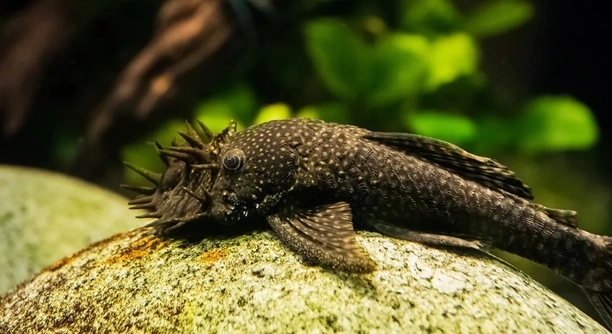
Plecos are fascinating freshwater fish often kept in home aquariums. Observing their behaviors can give owners clues about their mood, health, and overall well-being. Recognizing happy behaviors helps create a more comfortable environment for them.
When plecos are happy, they display behaviors such as active swimming, grazing on surfaces, resting in secure spots, and showing interest in their surroundings. These actions indicate comfort, contentment, and proper adaptation to their aquarium environment.
Knowing what makes plecos happy helps owners maintain a healthy tank and ensures these fish thrive in captivity. Their unique behaviors reveal more than just mood—they reflect proper care.
Active Swimming
Plecos that are happy often swim actively around their tank. They move smoothly, exploring corners and gliding past plants or decorations. This activity shows they feel safe and confident in their environment. Swimming is also a form of exercise that supports their muscles and overall health. Active plecos rarely hide for long periods unless they are resting. Observing their patterns can tell you if they are stressed or content. Tanks with proper filtration, adequate space, and clean water encourage frequent movement. Owners should notice bursts of energy, especially after feeding, when plecos will swim with curiosity, inspecting the area. Their movements are deliberate, not frantic, indicating comfort. Watching them interact with the tank structure or other fish adds insight into their mood. A lively pleco often signals a well-maintained aquarium. Feeding habits also affect swimming, as a happy fish will glide toward food confidently and return to resting areas after eating.
Active swimming allows plecos to stay healthy while expressing their comfort and happiness clearly in their habitat.
Frequent movement in the tank is a clear indicator of a pleco’s contentment. Proper space, water quality, and nutrition all contribute to this behavior. Observing these patterns helps ensure long-term well-being and enjoyment of their daily activities.
Grazing and Feeding
Plecos that are happy spend time grazing on surfaces, including plants, driftwood, and tank glass. This behavior reflects satisfaction and curiosity about their environment. Grazing helps maintain their natural instincts and provides essential nutrients.
Grazing indicates both health and comfort. A pleco that actively seeks food shows it feels secure in the tank.
Plecos are primarily herbivores, though some species may consume small protein sources. When they graze, they often scrape algae and biofilm from surfaces, which helps them digest and receive nutrients naturally. This behavior is more common when the tank is clean but still supports algae growth, allowing the pleco to feed without stress. Providing driftwood is essential for many pleco species, as it allows them to chew and graze, mimicking their natural feeding patterns. Observing grazing can also show you their preferences, helping adjust diet and tank setup. When a pleco grazes confidently and frequently, it signals contentment, proper nutrition, and a well-maintained environment. Regular observation ensures they receive enough food and environmental enrichment to stay happy and active.
Resting in Secure Spots
Happy plecos often rest in hidden or secure areas of the tank. They choose caves, driftwood, or dense plants where they feel safe. These resting spots give them a sense of security while allowing them to observe their surroundings calmly.
Plecos need quiet areas to rest during the day since many are nocturnal. Choosing a favorite spot and returning to it frequently indicates comfort. A well-structured tank with hiding places reduces stress and promotes natural behavior. Some plecos may rest near other fish but maintain their space, showing confidence without fear. Resting patterns also reflect health: consistent, calm resting is a positive sign. Observing where and how they rest can guide tank setup improvements. Happy plecos shift between resting and grazing, balancing activity with relaxation naturally. Ensuring the tank has proper cover, smooth surfaces, and stable water conditions encourages this essential behavior.
Resting in secure areas is an important indicator of a pleco’s well-being, showing trust in its environment and a balanced routine of activity and calmness.
Interaction with Surroundings
Plecos show happiness by engaging with objects and decorations in the tank. They explore surfaces, inspect corners, and sometimes move small objects while grazing. This behavior demonstrates curiosity and comfort in their environment.
Exploring the surroundings is more than play. Plecos investigate potential hiding spots, feeding areas, and surfaces for grazing. A pleco that confidently swims over plants, checks decorations, or follows water currents shows that it trusts the tank setup. Interaction also includes subtle movements like brushing against driftwood or bumping gently into smooth surfaces. These actions indicate contentment and environmental engagement, which is vital for mental stimulation. Providing varied textures, driftwood, and plants encourages this behavior naturally. Over time, you can notice patterns in how they interact, revealing preferences and favorite areas. Happy plecos maintain consistent exploration without signs of stress, balancing curiosity with periods of rest, grazing, and observation. Observing these interactions can inform care decisions, such as adjusting tank layout or enrichment, ensuring the fish remain active and satisfied in their habitat.
Smooth Breathing and Calm Movement
Plecos that are happy display smooth, even breathing. Their gill movements are regular, and they swim without sudden jerks or frantic bursts. Calm movement reflects comfort, health, and proper adaptation to their environment.
Observing breathing patterns is essential. Rapid or uneven gill movements may indicate stress or poor water conditions. Calm plecos feel secure, and their relaxed movements show that tank conditions are suitable. Regular monitoring helps ensure water quality remains stable and that the pleco’s environment meets its needs consistently.
Flaring Fins
Plecos sometimes flare their fins to show confidence or excitement. This behavior often occurs during feeding, swimming, or when exploring new areas in the tank. Flaring fins indicate physical health, strength, and contentment.
Engaging with Tank Mates
Happy plecos interact appropriately with other fish. They swim near compatible species, maintain personal space, and occasionally display gentle curiosity. Positive interaction signals comfort, proper social behavior, and balanced tank dynamics.
Tail Flicks
Occasional tail flicks are another sign of a happy pleco. Gentle flicking shows alertness, comfort, and engagement with its surroundings.
FAQ
How can I tell if my pleco is happy?
A happy pleco will show consistent behaviors such as active swimming, grazing on surfaces, resting in secure spots, and interacting calmly with tank mates. Smooth breathing, gentle fin flares, and occasional tail flicks are also clear signs. Observing these patterns over time helps confirm their comfort.
Why does my pleco hide all the time?
Hiding is natural, but excessive hiding may indicate stress or discomfort. Check water quality, temperature, and tank layout. Ensuring adequate hiding places and proper nutrition helps them feel secure and encourages more visible, healthy behavior.
Is grazing necessary for plecos?
Yes. Grazing on algae, driftwood, or tank surfaces provides essential nutrients and keeps their digestive system functioning properly. Plecos that graze regularly are usually content and healthy, as it reflects natural feeding instincts.
Do plecos need social interaction?
Plecos are mostly solitary but benefit from observing other peaceful fish. Positive interactions, such as swimming near compatible species without aggression, show they are comfortable and not stressed. Overcrowding or aggressive tank mates can reduce their happiness.
How often should I check their behavior?
Daily observation is ideal. Noticing changes in swimming, grazing, or resting patterns helps detect early signs of stress, illness, or environmental problems. Small shifts in behavior often indicate the need for adjustments in care or tank conditions.
Can tank conditions affect happiness?
Absolutely. Clean water, proper filtration, and stable temperature are critical. A poorly maintained tank can lead to stress, hiding, or unhealthy behavior. Regular water changes and monitoring parameters like pH, ammonia, and nitrate levels are essential for their well-being.
Why does my pleco flare its fins?
Fin flaring is usually a sign of confidence, curiosity, or excitement. Healthy plecos flare fins during swimming, grazing, or exploring new areas. Persistent or aggressive flaring may indicate territorial behavior or discomfort, so observe context carefully.
What role does resting play in their happiness?
Resting in secure areas allows plecos to recover and feel safe. Calm, consistent resting shows trust in the tank environment. Lack of rest or frequent restless movement can indicate stress, poor water conditions, or insufficient hiding places.
How important is diet for a happy pleco?
Diet is crucial. A balanced diet that includes algae, vegetables, and occasional protein sources supports health and natural behavior. Happy plecos graze confidently and maintain smooth movements, reflecting proper nutrition and satisfaction.
Can changes in the tank layout impact behavior?
Yes. Rearranging decorations, plants, or hiding spots can stress plecos temporarily. Gradual adjustments and maintaining familiar areas help them adapt. Observing their reactions to changes indicates how comfortable and happy they feel in the new setup.
How do I know if my pleco is stressed versus happy?
Stress is often shown through frantic swimming, hiding constantly, rapid gill movements, or aggression. Happiness is indicated by smooth swimming, grazing, resting calmly, flaring fins appropriately, and interacting gently with tank mates. Monitoring these behaviors over time provides a clear picture.
Is it normal for plecos to explore at night?
Yes. Many plecos are nocturnal and are more active in low light. Nighttime exploration and grazing are normal and reflect natural behavior. Ensuring safe, clean conditions allows them to thrive during both day and night periods.
Can plecos show affection or recognition?
While plecos do not form bonds like mammals, they recognize their environment and may respond to familiar movements near the tank. Following movement, swimming closer to the glass, or reacting to feeding routines are signs of comfort and engagement.
How do I encourage happy behaviors?
Provide proper hiding spots, varied surfaces for grazing, clean water, a balanced diet, and compatible tank mates. Observing and adjusting conditions based on behavior helps ensure plecos remain active, calm, and content. Regular monitoring and small environmental improvements support long-term happiness.
Are there signs of unhappiness I should watch for?
Yes. Excessive hiding, rapid breathing, sudden jerky movements, loss of appetite, or aggression can indicate unhappiness. Promptly addressing water quality, diet, and tank layout helps prevent long-term stress and promotes healthy behavior patterns.
What is the ideal environment for a happy pleco?
A well-maintained tank with proper filtration, stable temperature, adequate hiding places, and suitable companions creates a secure and stimulating environment. Clean surfaces for grazing, driftwood for chewing, and regular observation ensure plecos can express natural behaviors safely and comfortably.
Can lighting affect pleco happiness?
Lighting impacts activity levels and stress. Too bright or harsh lighting can cause hiding, while subdued or natural lighting encourages normal behavior. Adjusting light cycles to mimic natural day and night patterns supports calm and contented plecos.
How long does it take to notice happy behaviors?
Once the tank is properly set up and stable, signs of contentment such as active swimming, grazing, and resting calmly can appear within days to weeks. Consistent observation allows you to track improvements and respond to environmental needs.
Do plecos need enrichment?
Yes. Driftwood, rocks, and plants provide surfaces for grazing, hiding, and exploration. Enrichment reduces boredom, encourages natural behaviors, and supports mental stimulation, contributing to overall happiness.
How do water changes affect their mood?
Regular water changes maintain quality, reduce toxins, and promote health. Stable, clean water directly impacts behavior, encouraging active swimming, grazing, and calm resting. Neglecting water changes can lead to stress, hiding, and irregular behaviors.
Can plecos become comfortable with handling or human presence?
Plecos generally do not enjoy handling, but they can become accustomed to human presence near the tank. Observing routine activities like feeding or movement near the glass without hiding indicates trust and comfort in their environment.
What are common mistakes that affect pleco happiness?
Overcrowding, poor water quality, insufficient hiding spots, inadequate diet, and aggressive tank mates often lead to stress. Regular monitoring, proper tank setup, and attention to behavior are essential to prevent unhappiness and maintain a thriving pleco.
How do I track long-term happiness?
Keep notes on swimming patterns, grazing frequency, resting behavior, and interactions with tank mates. Comparing over weeks or months shows trends, helping detect issues early and confirm that care routines are supporting contentment.
Are all pleco species the same in their behaviors?
No. While many behaviors overlap, some species have unique patterns, such as preferred hiding places or feeding habits. Understanding your specific pleco species helps interpret behavior accurately and ensure proper care for long-term happiness.
Can temperature changes impact happiness?
Yes. Sudden shifts in temperature can cause stress, reduced activity, or hiding. Maintaining stable water temperatures within species-specific ranges ensures comfort and encourages natural, happy behaviors.
What should I do if my pleco seems unhappy despite proper care?
Reassess water quality, tank setup, diet, and companions. Small adjustments or enrichment can improve well-being. If behavior doesn’t improve, consulting an aquatic veterinarian helps identify health issues that may be affecting happiness.
How do I balance activity and rest?
Providing both open swimming areas and secure hiding spots ensures plecos can exercise and relax naturally. Observing daily patterns helps maintain balance, supporting contentment and overall health in the tank.
Do plecos react to seasonal changes?
Yes. Light, temperature, and environmental changes can subtly affect behavior. Maintaining consistent conditions helps plecos stay active, calm, and healthy throughout seasonal variations.
Final Thoughts
Observing plecos in an aquarium offers a unique window into their behavior and well-being. These fish communicate their comfort and happiness through subtle yet clear signs such as active swimming, grazing, resting in secure spots, and interacting with their surroundings. Recognizing these behaviors allows owners to ensure the tank environment is supportive and balanced. Simple observations, like smooth breathing, gentle tail flicks, or occasional fin flares, provide insight into a pleco’s emotional and physical health. Consistency in these behaviors usually indicates that water conditions, diet, and tank layout are appropriate, and the fish are thriving. Conversely, deviations from normal activity or frequent hiding can signal potential stressors, prompting a closer look at environmental factors and care routines. By paying attention to these natural behaviors, owners can make informed adjustments, ensuring their plecos remain comfortable and healthy over time. This awareness benefits both the fish and the overall tank ecosystem, creating a stable, enriched environment where the species can express natural behaviors freely.
Maintaining a healthy tank for plecos requires more than just feeding and cleaning; it involves creating conditions that support both physical health and emotional well-being. Providing clean water, proper filtration, stable temperatures, and balanced nutrition is crucial, but equally important is creating an environment with hiding spots, grazing surfaces, and enrichment opportunities. Plecos thrive when they can explore, rest safely, and engage with their surroundings without stress. Their unique behaviors reflect how well these needs are being met. Even small adjustments, such as adding driftwood or rearranging decorations, can have a noticeable impact on activity levels and overall contentment. Consistent observation helps track their responses, making it easier to detect early signs of stress or discomfort. Over time, a well-maintained, enriched environment leads to plecos exhibiting confident, active behaviors and calm, relaxed resting patterns. Owners who pay attention to these subtle cues create a tank that not only supports life but encourages thriving, providing satisfaction and reassurance that the fish are happy.
Understanding pleco behavior also strengthens the bond between owner and fish, even if plecos are not traditionally social in the way other pets are. Watching them navigate the tank, interact with surfaces, and respond to feeding routines provides a sense of connection and understanding. Their happiness is visible through consistent, natural actions rather than overt displays, requiring patience and attentiveness from the owner. Recognizing what contributes to their well-being—from diet and water quality to enrichment and tank layout—ensures plecos remain active, comfortable, and secure. By fostering an environment that meets these needs, owners can create a long-lasting, harmonious setup where plecos exhibit natural, healthy behaviors. The knowledge gained from observing these behaviors supports better care, reduces stress, and ultimately allows plecos to thrive. Paying attention to details, from grazing habits to resting spots, builds a clearer understanding of each fish’s preferences and comfort levels, ensuring a tank that promotes both health and happiness. Over time, this careful attention results in a well-balanced aquarium where plecos not only survive but truly flourish.

Hello,
If you enjoy the content that we create, please consider saying a "Thank You!" by leaving a tip.
Every little bit helps us continue crafting quality advice that supports the health, happiness, and well-being of pets around the world, for pets of all shapes, sizes, and species.
We really appreciate the kindness and support that you show us!