
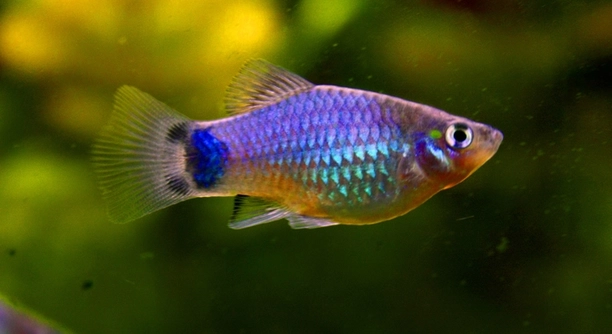
Have you ever noticed your platy shaking while swimming and wondered what might be causing it? Watching these small fish move is usually calming, but shaking can be worrying. Many platy owners face this and want to understand why it happens.
Shaking in platy fish while swimming is often a sign of stress, illness, or poor water conditions. Common causes include parasites, infections, or changes in water temperature and quality that affect their behavior and health.
Learning about the reasons behind this shaking can help you care for your platy better and keep it healthy in the long run. Understanding these factors is key to providing the best environment for your fish.
Common Causes of Shaking in Platy Fish
Platies can shake while swimming for several reasons. One frequent cause is poor water quality. If the water has high levels of ammonia, nitrites, or nitrates, the fish can become stressed and display unusual movements. Another cause is sudden changes in water temperature, which can shock the fish and make it shake. Parasites and bacterial infections also affect platies, causing them to twitch or shake as they struggle with discomfort. Sometimes, aggressive tank mates can stress your fish, leading to shaking or erratic swimming. Lastly, a lack of oxygen in the water can make your platy gasp and tremble. Keeping the tank clean, monitoring water parameters regularly, and observing your fish’s behavior can help prevent these issues. If your platy continues shaking, it might need treatment or a better environment.
Poor water conditions are often the leading factor in platy shaking. Keeping a clean and stable tank is essential.
Shaking can also be caused by parasites like ich or flukes. These tiny pests irritate the fish’s skin and gills, making them twitch frequently. Bacterial infections often result from injury or dirty water and cause similar symptoms. Infected fish may lose appetite and become lethargic. Treatment depends on identifying the exact problem, so carefully examining the fish and water conditions is important. Sometimes a salt bath or medication can help, but prevention by maintaining good water quality is the best approach. Regular water changes, proper filtration, and avoiding overcrowding reduce the risk of infections and parasites. Watching for early signs can save your platy from serious health problems and reduce shaking episodes.
How to Improve Your Platy’s Environment
Ensuring your platy’s tank conditions are optimal will reduce shaking. Stable temperature, clean water, and gentle tank mates make a big difference.
Start by testing your aquarium water for ammonia, nitrites, nitrates, and pH. Aim for stable temperatures around 72–78°F (22–25°C). Use a reliable heater and thermometer to maintain this range. Perform regular partial water changes to keep harmful substances low. Avoid overcrowding, as too many fish stress each other and lower oxygen levels. Choose peaceful fish that won’t bother your platy. Adding live plants can help improve water quality and provide hiding spots, which reduce stress. Proper filtration keeps the water clean and clear. Also, feed your platy a balanced diet to support its immune system. Small improvements in your tank setup can stop shaking and help your fish swim confidently and happily.
Recognizing Signs of Stress in Platy Fish
Stress often causes shaking in platies. Signs include rapid gill movement, hiding, and loss of appetite. They may also swim erratically or rub against tank surfaces, showing discomfort.
Stress can result from sudden changes in the environment or poor water quality. When the water chemistry shifts too quickly, or if the tank is overcrowded, platies become anxious. Stress weakens their immune system, making them prone to infections and shaking. Watching for these early signs helps prevent serious health issues. Addressing stress means stabilizing the tank and minimizing disturbances to create a calm space for your fish.
Some platies respond to stress by isolating themselves or becoming inactive. This behavior is a warning to check water quality and tank conditions immediately. Keeping the tank clean, maintaining steady temperatures, and avoiding aggressive fish can greatly reduce stress-related shaking.
Treatments for Shaking Platies
Treatment depends on the cause behind the shaking. If water quality is poor, performing regular water changes and using a water conditioner is essential. For parasites, medication designed for aquarium fish helps eliminate them. Infections often require antibiotics available at pet stores. It’s important to follow dosage instructions carefully to avoid harming your fish. Sometimes, isolating the affected fish in a separate tank during treatment reduces stress and speeds recovery. A healthy diet also supports healing.
If shaking is caused by parasites, products like copper-based treatments or formalin are effective. For bacterial infections, antibiotics such as erythromycin can be used, but only after identifying the illness properly. Quarantining sick fish prevents spreading illness to others. Always monitor your platy closely during treatment for signs of improvement or worsening symptoms. Early action leads to better results and helps your fish return to normal swimming behavior sooner.
Preventing Shaking in Platies
Preventing shaking starts with maintaining clean water and stable conditions. Regular water changes and testing keep harmful chemicals low. Avoid sudden temperature changes to protect your platy’s health.
Feeding a balanced diet and avoiding overcrowding also reduce stress. A well-kept tank means healthier, calmer fish less likely to shake.
Importance of Tank Mates
Choosing peaceful tank mates is crucial. Aggressive or larger fish can stress platies, causing shaking or hiding. Compatible companions create a calm environment, promoting natural behavior and reducing stress.
Signs of Serious Illness
Shaking combined with lethargy, loss of appetite, or visible sores may signal serious illness. Immediate attention is needed to prevent worsening health or death.
When to Consult a Veterinarian
If shaking persists despite care, professional advice is important. A vet can diagnose underlying issues and recommend treatments for your platy’s wellbeing.
FAQ
Why is my platy shaking but still eating?
Sometimes platies shake due to mild stress or irritation but keep eating because they are not severely sick. This could be from small water quality changes or mild parasites. If the shaking isn’t severe and the fish acts normally otherwise, improving water conditions usually helps quickly.
Can shaking be caused by water temperature?
Yes, sudden drops or spikes in water temperature can shock platies and cause shaking. Platies prefer stable temperatures between 72°F and 78°F. Avoid placing the tank near drafts, heaters, or direct sunlight to keep the temperature steady.
Is shaking a sign of parasite infection?
Shaking can indicate parasites like ich or flukes irritating the fish’s skin and gills. These parasites cause twitching or scratching behavior. A white, dusty appearance or tiny spots on the body often accompany the shaking. Treatment with specific anti-parasitic medications is usually needed.
How often should I test my tank water?
Testing water once a week is recommended to catch any changes early. Check for ammonia, nitrites, nitrates, and pH levels. Keeping these parameters within safe limits prevents stress and shaking in platies.
Can diet affect my platy’s shaking?
A poor diet weakens the immune system, making fish more vulnerable to illness and shaking. Feeding high-quality flakes, pellets, and occasional live or frozen foods supports health and reduces shaking caused by weakness or infection.
What should I do if my platy shakes after adding new fish?
New fish can introduce stress or disease. Quarantine new arrivals for at least two weeks before adding them to the main tank. Monitor all fish closely and do water changes frequently to lower stress and infection risks.
Is shaking normal when platies breed?
Platies may show slight trembling during mating behavior, but it should not last long or appear severe. Prolonged shaking during breeding could indicate stress or illness and should be monitored carefully.
Can poor oxygen levels cause shaking?
Yes, low oxygen in the water can cause rapid gill movement and shaking. Ensure good water circulation with a filter or air stone and avoid overstocking the tank to maintain proper oxygen levels.
How do I treat shaking caused by bacterial infections?
Bacterial infections often require antibiotic treatment specific for aquarium fish. Follow the medication instructions carefully and perform water changes during treatment to keep the environment clean.
When is shaking an emergency?
If shaking is severe, continuous, or paired with other symptoms like gasping, bloating, or loss of appetite, it’s an emergency. Immediate water testing, partial water changes, and possibly veterinary care are needed.
Can shaking be caused by tank decorations or plants?
Sharp or rough decorations can injure fish, causing shaking as they try to relieve discomfort. Ensure all tank items are smooth and safe for delicate fish like platies. Live plants also help reduce stress by providing hiding spots.
Does shaking mean my platy is dying?
Shaking alone doesn’t always mean death. It is a warning sign of stress or illness. Quick action to fix water quality or treat infections often helps fish recover fully.
How can I make my platy more comfortable?
Maintain clean, stable water with good filtration. Provide hiding places like plants or caves to reduce stress. Avoid sudden changes in lighting, temperature, or tank setup.
Should I isolate a shaking platy?
Isolating a sick or shaking platy in a quarantine tank can prevent spreading disease and reduce stress from tank mates. It also allows easier treatment and monitoring.
How long does it take for a shaking platy to recover?
Recovery time depends on the cause. With proper care, water changes, and treatment, platies often improve in a few days to two weeks. Persistent shaking means more care or vet help is needed.
Can shaking happen from overfeeding?
Overfeeding causes poor water quality and can lead to shaking indirectly. Excess food decomposes and raises harmful chemicals in the tank, stressing your fish.
What is the best way to prevent shaking in platies?
Consistent water maintenance, proper diet, peaceful tank mates, and stable temperature are key. Regular observation helps catch problems early before shaking starts.
Can stress cause permanent damage to platies?
Prolonged stress weakens the immune system and can cause lasting harm or make fish more prone to disease. Minimizing stress is important for long-term health.
Is shaking common in young or old platies?
Both young and old platies can shake, but old fish may be more vulnerable due to weaker immunity. Young fish may shake from adjusting to new tanks or minor infections.
Does medication always stop shaking?
Medication helps only if shaking is caused by parasites or infection. If shaking is from poor water or stress, improving the environment is more effective than medicine. Always diagnose the cause before treating.
When your platy fish starts shaking while swimming, it can feel worrying. This behavior often signals that something in the tank or the fish’s health is not quite right. Shaking is usually a sign of stress, illness, or poor water conditions. Understanding what causes this behavior is important to help your platy feel better and swim normally again. It’s not always easy to tell the exact reason right away, but observing your fish carefully and checking the tank environment can give you many clues. Keeping the water clean, stable, and safe for your fish will often prevent shaking from happening in the first place.
Taking care of your platy’s environment is one of the most effective ways to stop shaking. Regular water testing and changes keep harmful chemicals like ammonia and nitrites at safe levels. Also, maintaining a steady temperature and avoiding overcrowding helps reduce stress. Stress weakens fish and makes them more vulnerable to infections and parasites that cause shaking. Feeding a balanced diet strengthens their immune system and overall health. Watching for early signs of trouble, like loss of appetite, hiding, or rubbing against decorations, can help you act quickly. Sometimes, treatment with medication is needed when parasites or bacterial infections are the cause, but prevention remains the best approach.
Finally, remember that shaking does not always mean the worst for your platy. With good care and attention, many fish recover well from shaking and other health issues. If the problem lasts or gets worse, consulting a veterinarian who specializes in fish can provide more guidance. Being patient and consistent in caring for your tank and fish will create a healthy, happy home for your platy. Small steps make a big difference in preventing shaking and ensuring your fish can live comfortably and swim smoothly.

Hello,
If you enjoy the content that we create, please consider saying a "Thank You!" by leaving a tip.
Every little bit helps us continue crafting quality advice that supports the health, happiness, and well-being of pets around the world, for pets of all shapes, sizes, and species.
We really appreciate the kindness and support that you show us!