
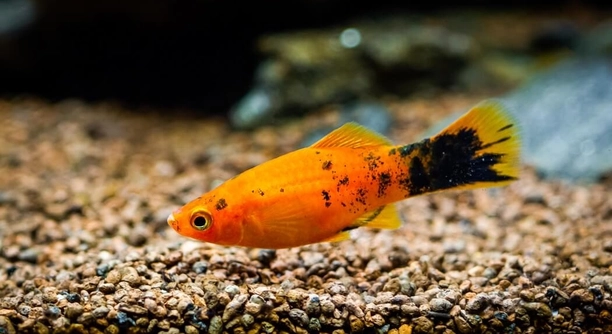
Platies are popular aquarium fish known for their bright colors and peaceful nature. Like any pet, they can show signs of illness that need attention to keep them healthy. Recognizing these signs early helps prevent serious problems in your tank.
Common signs of sickness in platies include lethargy, loss of appetite, abnormal swimming, clamped fins, discoloration, spots or lesions, and rapid breathing. Identifying these symptoms promptly allows for timely treatment and increases the chances of recovery.
Knowing how to spot these warning signs and what actions to take will protect your platies and maintain a healthy aquarium environment.
Common Signs of Sick Platies
Platies usually swim actively and eat well. When they become sick, their behavior changes noticeably. You might see them hiding more than usual or floating near the surface without moving much. Appetite loss is another clear sign. Sick platies often stop eating or eat very little. Their fins might look clamped close to their bodies instead of spread out. Discoloration or unusual spots can appear on their scales, showing infections or parasites. Rapid or labored breathing is also a warning sign. Sometimes, they swim awkwardly or tilt to one side. These changes happen gradually but can become severe quickly if ignored. Checking your platies regularly helps catch these symptoms early, allowing treatment before the condition worsens. Clean water and a balanced diet can prevent many illnesses, but knowing these signs is essential for timely action.
Spotting unusual behavior early is key to keeping platies healthy.
Early detection allows for quick intervention, which increases the chances of recovery and prevents illness spread in the tank.
What to Do When Your Platies Are Sick
Once you notice signs of sickness, the first step is to test your aquarium water for ammonia, nitrite, nitrate, and pH levels. Poor water quality stresses fish and worsens health issues. Perform partial water changes to improve conditions immediately. Remove any uneaten food and clean the tank to reduce harmful bacteria. Isolate sick platies in a separate hospital tank to prevent disease spread and provide focused care. Depending on symptoms, consider using appropriate medications such as antiparasitic or antibacterial treatments. Follow instructions carefully and monitor fish closely during treatment. Keep the hospital tank temperature stable and maintain good water quality. Continue feeding a light, nutritious diet if the fish are eating. If symptoms worsen or don’t improve, consult a veterinarian experienced in fish health. Acting quickly and carefully can save your platies and restore balance to your aquarium.
Preventing Illness in Platies
Maintaining clean water and stable conditions helps prevent most platy illnesses. Regular tank maintenance and proper feeding are essential.
Frequent water changes, at least 25% weekly, keep toxins low and water clear. Test water parameters often to catch issues early. Avoid overcrowding the tank, as stress weakens fish immune systems. Use a quality filter and remove debris regularly. Feed platies a varied diet with good-quality flakes, pellets, and occasional live or frozen foods to support their health. Avoid overfeeding, which pollutes water and causes digestive problems.
Quarantining new fish before adding them to your main tank prevents introducing diseases. Observe new arrivals for at least two weeks to ensure they show no signs of illness. This extra step can save your platies from infections that spread quickly.
Recognizing Stress in Platies
Stress weakens platies and makes them more prone to sickness. Causes include poor water quality, sudden temperature changes, and aggressive tank mates. Stress signs include hiding, loss of appetite, and erratic swimming.
Stress can also result from overcrowding or lack of hiding places in the tank. When platies feel threatened, they become less active and more vulnerable to disease. Stable water conditions, gentle filtration, and appropriate tank mates reduce stress. Plants or decorations provide shelter, helping fish feel secure. Monitoring your tank environment regularly prevents stress from building up and supports platies’ well-being.
Common Parasites Affecting Platies
Parasites like ich and flukes often affect platies, causing white spots or scratching behavior. Early detection is important to prevent severe damage.
Treatment usually involves medicated baths or adding medication to the tank. Quarantine infected fish to stop spreading parasites to healthy ones.
Importance of Proper Diet
A balanced diet strengthens platies’ immune systems, helping them resist diseases. Include high-quality flakes, pellets, and occasional live or frozen foods. Avoid overfeeding, which can cause water pollution and digestive problems. Feeding small amounts multiple times a day promotes better health and growth.
Signs of Bacterial Infections
Bacterial infections often show as redness, sores, or swollen areas on platies. Fish may also appear lethargic and lose appetite quickly. Treat with appropriate antibiotics and improve water quality to support recovery.
FAQ
How can I tell if my platy is sick?
Look for changes in behavior like reduced activity, loss of appetite, or hiding. Physical signs include clamped fins, discoloration, spots, sores, or rapid breathing. Swimming irregularities such as tilting or floating near the surface are also warning signs. Regular observation helps catch illness early.
What should I do first if I notice my platy is sick?
Test the water quality immediately, checking ammonia, nitrites, nitrates, and pH. Poor water conditions often cause or worsen illness. Perform a partial water change and clean the tank if needed. If symptoms persist, isolate the sick fish in a hospital tank for treatment.
Can platies recover from common diseases?
Yes, many illnesses are treatable with proper care and medication. Early detection and quick action increase recovery chances. Keeping water clean and stable supports healing. Some conditions may require specific medications, so follow instructions carefully and monitor fish throughout treatment.
How often should I clean my platy tank?
Partial water changes of about 25% should be done weekly. This keeps toxins low and maintains healthy water conditions. Regularly remove uneaten food and debris to prevent waste buildup. Avoid deep cleaning that disturbs beneficial bacteria living in the tank.
Is it normal for platies to hide a lot?
Platies may hide when stressed, sick, or if they feel threatened by tank mates. Occasional hiding is normal, but frequent or prolonged hiding can indicate illness or poor tank conditions. Providing plants and decorations gives them safe places to retreat and reduces stress.
What kind of diet keeps platies healthy?
A varied diet with high-quality flakes or pellets as the base is best. Supplement with frozen or live foods like brine shrimp or bloodworms for added nutrition. Feed small amounts two to three times daily, avoiding overfeeding which pollutes water and harms fish health.
Can stress cause my platies to get sick?
Yes, stress lowers their immune response and makes them vulnerable to infections. Stressors include poor water quality, overcrowding, aggressive tank mates, or sudden changes in temperature. Maintaining stable conditions and a peaceful environment reduces stress and helps keep platies healthy.
Should I quarantine new fish before adding them to my tank?
Quarantining new fish for at least two weeks is recommended. This prevents introducing diseases or parasites to your main tank. Observe new arrivals for signs of illness during quarantine and treat if needed before mixing them with your platies.
What medications are safe for treating platy illnesses?
Use medications designed for freshwater fish and follow dosage instructions carefully. Common treatments include antiparasitic drugs for ich, antibacterial medications for infections, and antifungal agents if needed. Avoid overdosing and remove activated carbon from filters during treatment as it can absorb medication.
How can I improve my platy’s environment?
Keep water temperature between 70–78°F (21–26°C) and maintain a stable pH around 7.0. Provide hiding spots with plants or decorations. Use a gentle filter to ensure good water flow without stressing the fish. Regular monitoring of water quality and tank cleanliness is essential.
What signs mean it’s time to see a vet?
If your platy shows severe symptoms like constant floating, heavy breathing, severe sores, or does not respond to treatment, consult a veterinarian experienced with fish. Persistent illness despite care may require professional diagnosis and treatment.
Can platies get sick from poor water conditions alone?
Yes, high ammonia, nitrites, or nitrate levels can stress and poison platies, leading to illness. Regular testing and maintenance prevent harmful buildups. Clean, stable water is fundamental to keeping your fish healthy and preventing disease outbreaks.
How do I prevent parasite outbreaks in my tank?
Maintain good water quality and avoid overcrowding. Quarantine new fish before introduction. Keep tank decorations clean and remove dead plants or debris. Healthy fish are less prone to parasites, so feed a balanced diet and reduce stress factors.
Is overfeeding harmful to platies?
Overfeeding pollutes the water and causes digestive issues in platies. Feed only what they can eat within two minutes, two to three times daily. Uneaten food decomposes, leading to poor water quality and health problems.
Can platies survive without medication if sick?
Some minor issues might resolve with improved water quality and care, but serious illnesses require treatment. Delaying medication increases risk of death or spreading disease to other fish. Prompt intervention is best for recovery.
How do I know if my platy’s illness is contagious?
Diseases caused by parasites, bacteria, or fungi can spread quickly to other fish. Watch for similar symptoms in multiple tank mates. Isolate sick fish immediately to prevent transmission and treat the entire tank if needed.
What temperature is best for platies to stay healthy?
Platies thrive between 70–78°F (21–26°C). Temperature outside this range stresses them and weakens their immune system. Use a reliable heater and thermometer to maintain stable conditions year-round.
Can stress from tank mates cause sickness?
Yes, aggressive or overly active fish can stress platies, leading to illness. Choose peaceful, compatible tank mates to reduce stress. Observe fish behavior regularly and separate if bullying occurs.
How long does it take for a sick platy to recover?
Recovery time varies by illness and treatment but generally ranges from a few days to two weeks. Consistent care, clean water, and proper medication speed healing. Monitor progress daily and adjust treatment if necessary.
What should I do if my platy dies suddenly?
Remove the body promptly to prevent water contamination. Test water quality for spikes in ammonia or nitrites that might harm remaining fish. Review tank conditions and recent changes to identify possible causes. Consider quarantining other fish to watch for illness signs.
Final Thoughts
Keeping platies healthy requires attention and care. These fish are generally hardy, but they can get sick if their environment is not well maintained. Watching for early signs of illness is important because it gives you a chance to act before problems worsen. Regularly observing your platies’ behavior, appetite, and appearance helps you notice changes quickly. Small differences, like hiding more often or slight color changes, can mean something is wrong. Acting on these signs early with water tests, tank cleaning, or treatment can save your fish from serious illness or even death.
Water quality is one of the most important factors in platy health. Ammonia, nitrites, and nitrates build up from waste and uneaten food and can harm fish if not controlled. Testing water weekly and doing regular partial water changes keeps the tank safe. Avoid overcrowding your tank, as too many fish cause stress and pollution. Clean filters and remove debris to maintain a balanced environment. Stable temperature and proper pH levels also play a big role in preventing illness. When water conditions are good, platies have a stronger immune system and are less likely to get sick.
Diet also affects the health of platies. Feeding a balanced and varied diet supports their immune system and helps them fight disease. Use high-quality flakes or pellets as a base, and occasionally offer frozen or live foods like brine shrimp or bloodworms. Avoid overfeeding, which leads to poor water quality and digestive issues. Along with proper diet and good water conditions, providing hiding places and peaceful tank mates reduces stress. Reducing stress and keeping a clean, stable environment creates the best conditions for your platies to thrive and live long, healthy lives.

Hello,
If you enjoy the content that we create, please consider saying a "Thank You!" by leaving a tip.
Every little bit helps us continue crafting quality advice that supports the health, happiness, and well-being of pets around the world, for pets of all shapes, sizes, and species.
We really appreciate the kindness and support that you show us!