
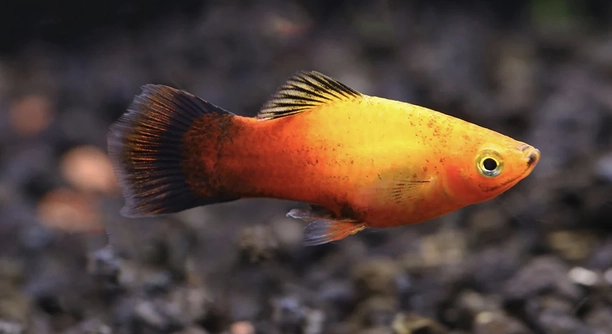
Platies are popular freshwater fish often kept in home aquariums. Many fish owners notice their platies sometimes float in unusual ways. Observing how these fish rest can raise questions about their sleeping habits.
Platies do sleep while floating, but they usually stay close to plants or the tank bottom for support. Floating is a natural behavior during rest, allowing them to conserve energy while remaining alert to their surroundings.
Learning more about platies’ resting habits can help you better understand their needs and care. This knowledge ensures your fish stay healthy and comfortable in their environment.
How Do Platies Sleep?
Platies don’t have eyelids, so they don’t close their eyes when they sleep like humans do. Instead, they rest quietly, often hovering near plants, rocks, or the bottom of the tank. Their movements slow down, and they become less active, conserving energy while staying alert. Floating while resting is common, but they avoid drifting too far from shelter. This behavior helps protect them from sudden threats. Their sleep is light and can be easily interrupted by changes in light or movement around the tank. The water temperature and quality also affect how well platies rest. If the tank is too cold or dirty, they may become stressed and sleep less. Observing these patterns can give insight into their health and comfort. A well-maintained tank promotes better rest and a happier fish.
Platies’ sleeping habits can change based on their environment and stress levels.
Creating a calm and stable tank encourages natural rest cycles. Using live plants or decorations offers them a place to settle and feel secure, improving their sleep quality. Avoiding sudden changes in lighting or loud noises helps maintain a peaceful environment. Regular feeding and proper water conditions also support their health, indirectly benefiting their rest. Understanding how platies sleep floating near shelter helps in creating an environment that meets their needs. Proper care ensures your fish remain healthy and active during the day.
Signs That Platies Are Sleeping While Floating
Platies often float gently with very slow fin movements when they sleep. Their bodies appear relaxed, and they stay in one spot for a few minutes at a time.
When platies are sleeping, their colors may seem less bright, and they respond slowly to external stimuli. They usually choose a safe area near plants or decorations for resting. Noticing these signs helps in distinguishing sleep from illness or stress. If a fish floats erratically or appears lethargic for long periods, it may need attention. Keeping an eye on these subtle behaviors supports better care and timely response to health issues. Recognizing restful floating allows owners to respect their fish’s natural rest times and avoid disturbances.
Why Do Platies Float While Sleeping?
Floating helps platies rest without using much energy. It lets them stay alert to their surroundings while relaxing.
Floating during sleep is a way for platies to conserve energy and avoid unnecessary movement. Since they don’t have eyelids, they remain aware of potential threats even when resting. Staying near plants or decorations provides support and safety while floating. This behavior also helps them maintain balance in the water without wasting effort swimming. Floating is a natural part of their sleep cycle and does not usually indicate a problem when seen in healthy fish.
If platies float in a calm, controlled way near shelter, it shows normal rest behavior. However, sudden or uncontrolled floating may mean stress or illness. Knowing the difference helps keep your fish healthy by recognizing when their floating is just rest or a sign to act.
Tips for Ensuring Healthy Sleep Habits in Platies
Maintaining a quiet and stable environment encourages proper sleep for platies.
Consistent lighting, clean water, and regular feeding create a comfortable setting for your fish. Using live plants or smooth decorations gives them places to rest safely while floating. Avoid loud noises or sudden changes in the tank’s environment, as these can disturb their rest. Monitoring water temperature and quality is essential since poor conditions lead to stress and poor sleep. Watching your platies’ behavior daily helps detect any issues early, ensuring they get enough restful floating. Taking these steps supports their well-being and encourages natural sleep patterns.
Common Misunderstandings About Platies Floating
Floating is often mistaken for illness by many fish owners.
In reality, platies floating calmly is usually a sign of resting, not sickness. Understanding this behavior prevents unnecessary worry and helps owners focus on real health issues.
How to Differentiate Between Resting and Health Problems
When platies float while sleeping, their movements are slow and controlled. They stay near plants or decorations, and their breathing is steady. In contrast, unhealthy floating often involves erratic swimming, rapid gill movement, or unresponsiveness. Observing these signs helps distinguish rest from stress or disease, ensuring timely care. Paying close attention to your platies’ normal resting patterns will make it easier to spot when something is wrong.
When to Seek Help for Floating Behavior
If floating is paired with other symptoms like loss of appetite or discoloration, it’s time to consult a vet or fish specialist.
FAQ
Can platies sleep without floating?
Yes, platies can sleep while resting on the bottom or hiding among plants. Floating is common but not their only way to rest. Some platies prefer to settle on surfaces or stay close to tank decorations for support during sleep.
Is it normal for platies to float at the surface while sleeping?
It is normal for platies to float near the surface, especially if there is plenty of oxygen in the water. However, they usually don’t stay there long. Floating near plants or tank edges is more common for resting.
How long do platies sleep each day?
Platies do not have a strict sleep schedule like humans. They tend to rest in short bursts throughout the day and night, often totaling several hours of light rest rather than deep sleep.
Do platies need complete darkness to sleep?
Platies can sleep with some light but prefer dim conditions. Bright or flashing lights may disturb their rest, so dimming the tank lights at night helps promote better sleep behavior.
Why do platies sometimes swim slowly or seem lazy?
Slow swimming or stillness often indicates resting, not illness. When platies slow down, they are conserving energy. If slow movement continues for long periods with other symptoms, it could indicate health issues.
Can stress affect platies’ sleep and floating behavior?
Stress negatively impacts sleep. Loud noises, sudden movements, poor water quality, or aggressive tank mates can cause platies to float erratically or avoid resting properly.
What water conditions support healthy sleep for platies?
Stable temperature (around 72-78°F), clean water, and good oxygen levels are essential. Regular water changes and a well-filtered tank help maintain ideal conditions for restful floating.
Are there signs that indicate floating is due to illness?
Yes. Signs include rapid gill movement, loss of appetite, discoloration, clamped fins, and erratic swimming. If these occur alongside floating, it’s important to check water parameters and consult a vet if needed.
Can feeding times affect platies’ rest?
Yes, feeding platies regularly at the same time reduces stress and supports normal behavior, including sleep. Overfeeding or irregular feeding can cause discomfort or poor health, affecting rest.
Is it safe to touch or move platies while they are floating or resting?
It’s best to avoid disturbing platies during rest. Touching or sudden movements can startle them, causing stress or injury. Let them rest peacefully to maintain their health and natural behavior.
Do platies sleep more in certain seasons?
Platies may rest more during cooler months when their metabolism slows down. Seasonal changes in daylight length and temperature can affect their activity and rest patterns.
Can tank decorations influence how platies sleep?
Yes, decorations and plants provide hiding spots and support for floating. A well-decorated tank creates a safer environment, encouraging platies to rest naturally without fear.
Should I adjust tank lighting to help platies sleep better?
Reducing light intensity in the evening helps signal rest time for platies. Using timers to simulate natural day-night cycles supports their natural rhythm and better sleep quality.
What is the best way to observe if a platy is sleeping?
Look for stillness, slow fin movements, and reduced response to external stimuli. Observing during quiet times or when the tank lights are dimmed increases the chance of spotting sleep behavior.
Can platies sleep in groups or do they need to be alone?
Platies are social and often rest near other fish. Sleeping in groups provides safety and comfort, so keeping them with companions supports natural sleeping habits.
Platies have simple and natural ways of resting, and floating is one of them. When they float while sleeping, it is usually a sign that they are conserving energy and staying alert to their surroundings. This resting behavior helps them feel safe, especially when they stay close to plants or decorations in the tank. It is important to understand that floating does not mean there is something wrong. In fact, many healthy platies rest by floating calmly. Observing your fish regularly will help you recognize their normal rest patterns and know when something might be different.
Taking good care of your platies means creating an environment that supports their natural behaviors. Keeping the tank clean, maintaining stable water temperature, and avoiding sudden changes in lighting or noise are key factors. Live plants and tank decorations also provide shelter and resting spots, making your platies feel secure. When these conditions are met, your fish will be able to rest well, whether by floating or resting on the tank floor. Knowing their habits and needs allows you to provide better care, which will lead to happier and healthier fish.
Watching platies sleep can teach you a lot about their well-being. If your platies float slowly and gently near plants or decorations, it means they are simply resting. However, if floating is paired with other unusual signs like erratic swimming or loss of appetite, it could mean there is a health issue. Paying attention to these details helps you respond quickly if your fish need help. Overall, understanding how platies rest and sleep gives you a better chance of keeping them healthy and comfortable in your aquarium. Your care and attention make a big difference in their quality of life.

Hello,
If you enjoy the content that we create, please consider saying a "Thank You!" by leaving a tip.
Every little bit helps us continue crafting quality advice that supports the health, happiness, and well-being of pets around the world, for pets of all shapes, sizes, and species.
We really appreciate the kindness and support that you show us!